
Four Ways to Fabricate Laminate Veneers, Part 2
Hello. I am Park Jonguk, DDS, MS, director of Lamista Academy and Dream Dental Clinic.
In the preceding post, I introduced two methods of fabricating laminate veneers,
and in this part, I will discuss the remaining two methods.
The laminate veneer fabrication methods discussed in this post
are made with a base of lithium disilicate, commonly called e.max.
3. e.max monolithic - fabrication by pressing with e.max alone
These laminate veneers are made from just one ceramic material, e.max.
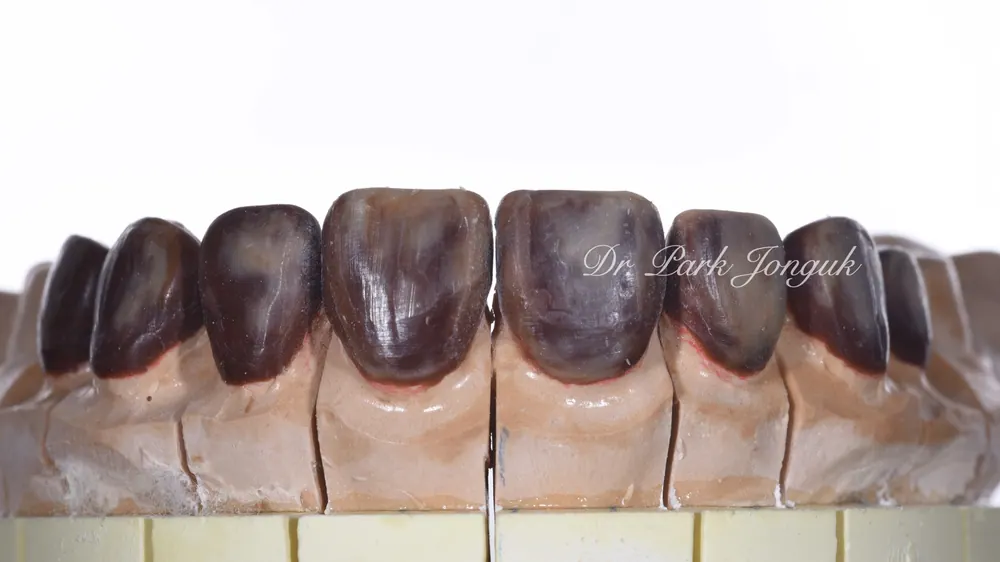
First, wax is used to form the shape of the laminate veneer.
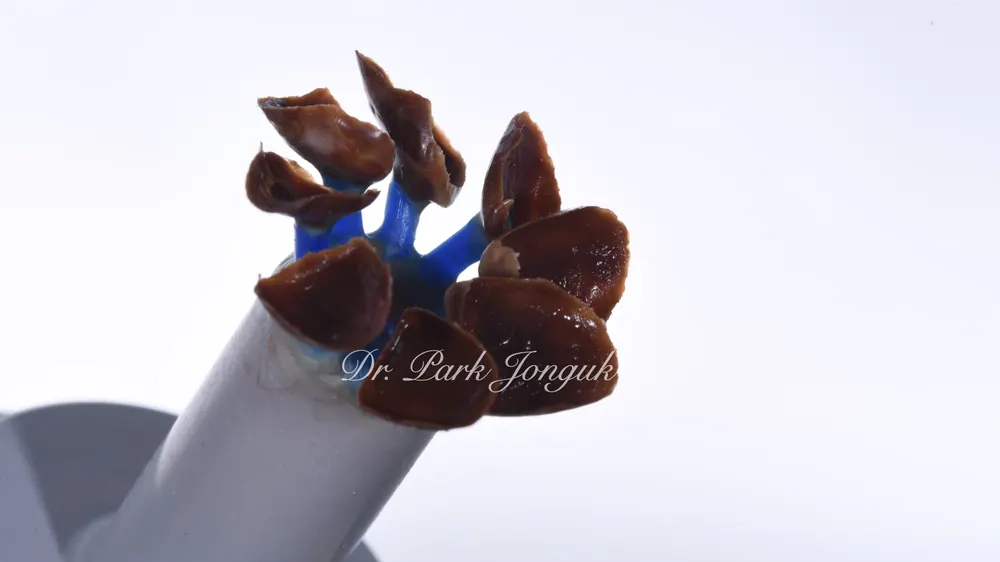
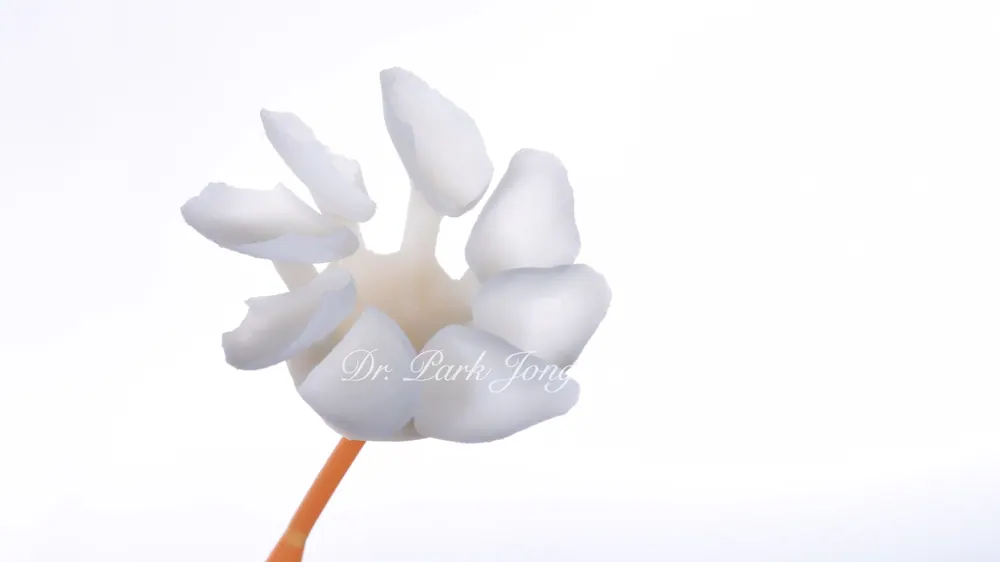
Through a process called pressing, the wax form is reproduced in ceramic.
The e.max is melted at high heat, pressurized, and injected into the space previously occupied by the wax.
Any dentist will be familiar with the gold casting process,
and this process is almost the same, except that ceramic is used instead of gold.
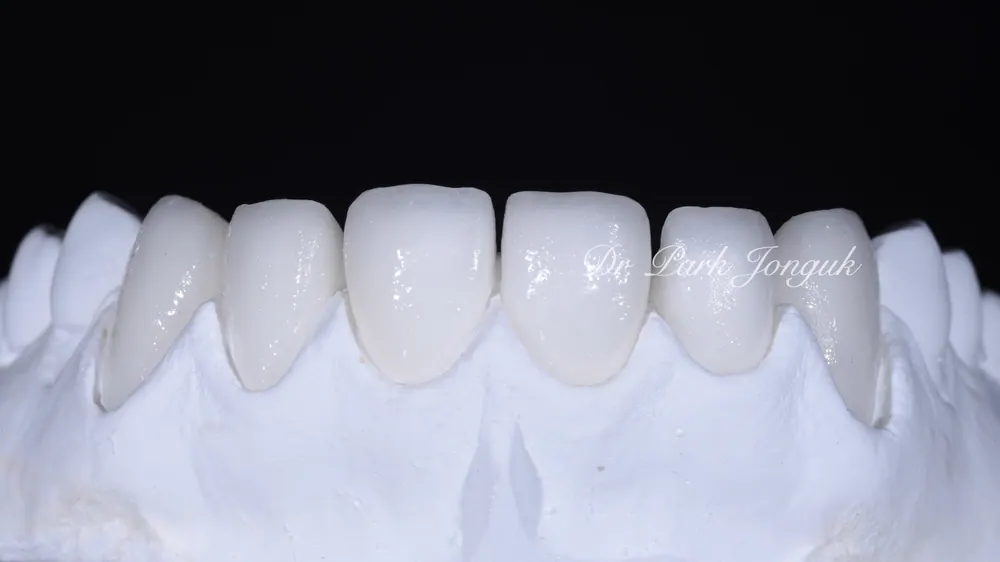
After this process, a laminate veneer made of ceramic is produced.
If the tooth shape is completed at this stage,
the result is a laminate veneer made entirely from e.max.
The result is almost the same as the one-day method described in the preceding post.
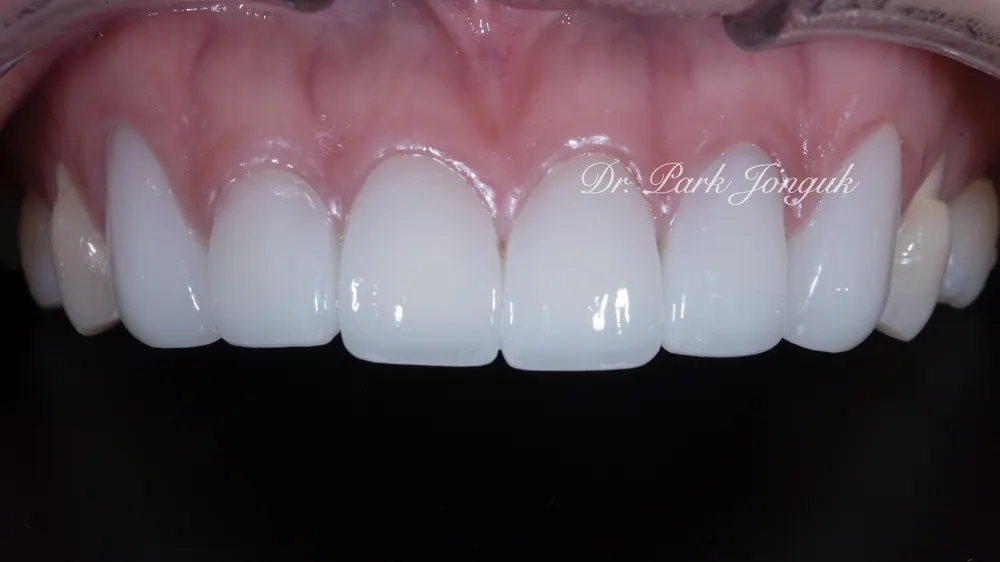
The entire restoration is made in the same color,
and its appearance varies with the translucency and shade of the ceramic selected.
Because this method can produce many restorations quickly at low cost,
it is used by clinics that prioritize cost and speed over the esthetic quality of the result.
As with the one-day method, it is often given another name instead of being described as a laminate veneer.
4. e.max + buildup
This method follows the same process as the e.max monolithic method above,
but the wax tooth undergoes a cutback.
Dentists will know what the cutback process involves.
It creates space in the wax form for the subsequent buildup.
The initial steps follow the same process as method 3 above, and the subsequent steps are as follows.
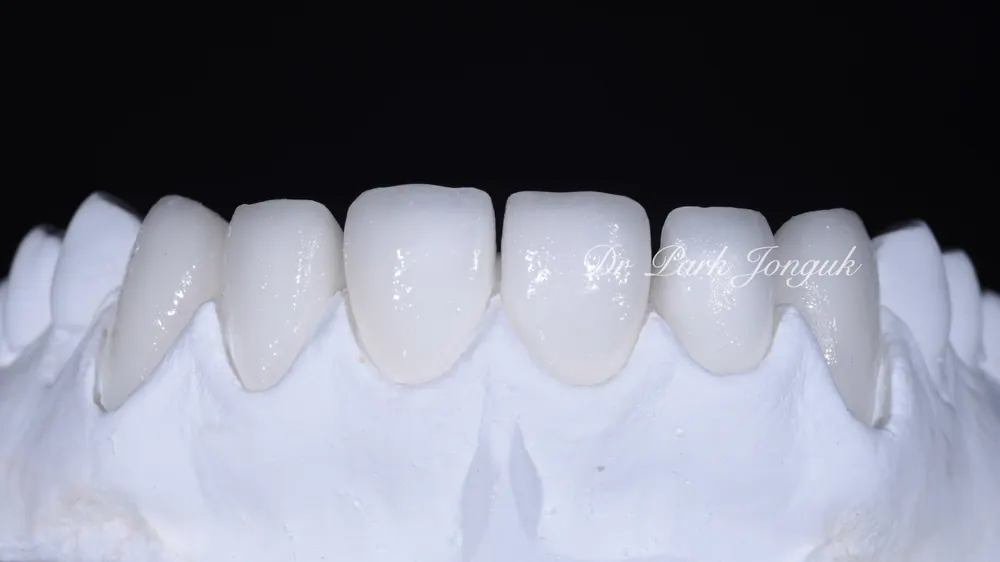
Continuing from the final stage described in method 3, the buildup is added.
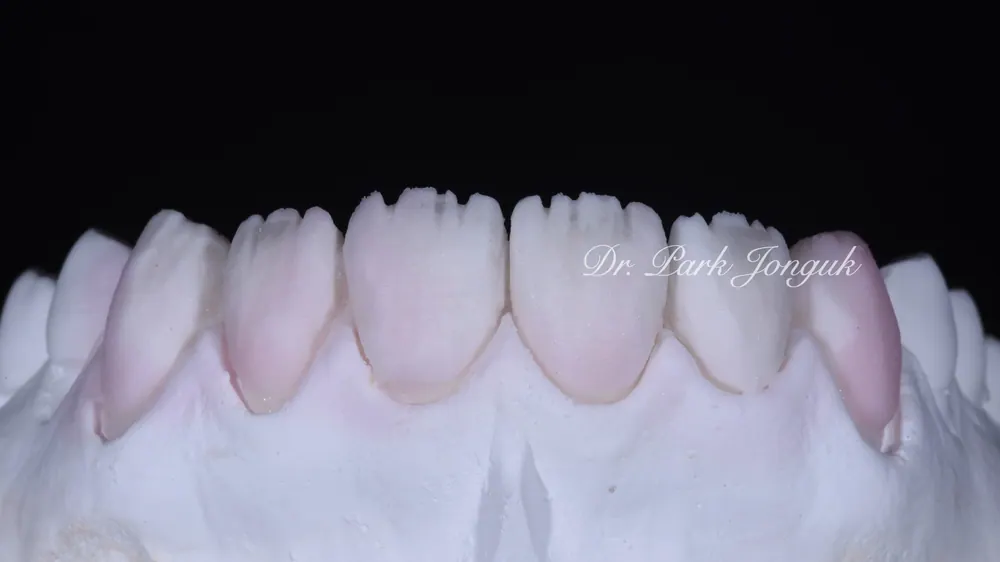
Porcelain buildup gives the tooth varied shades and translucency.
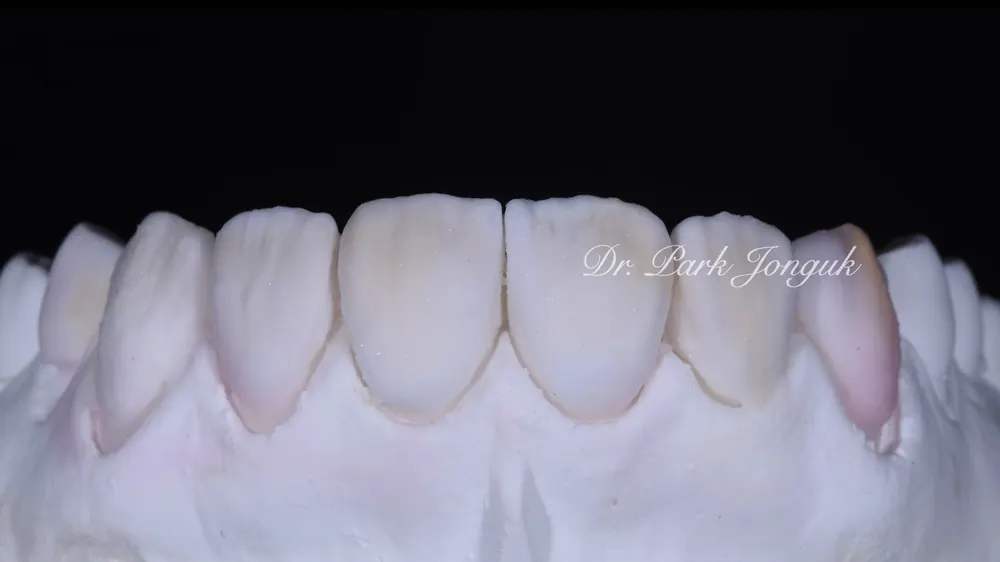
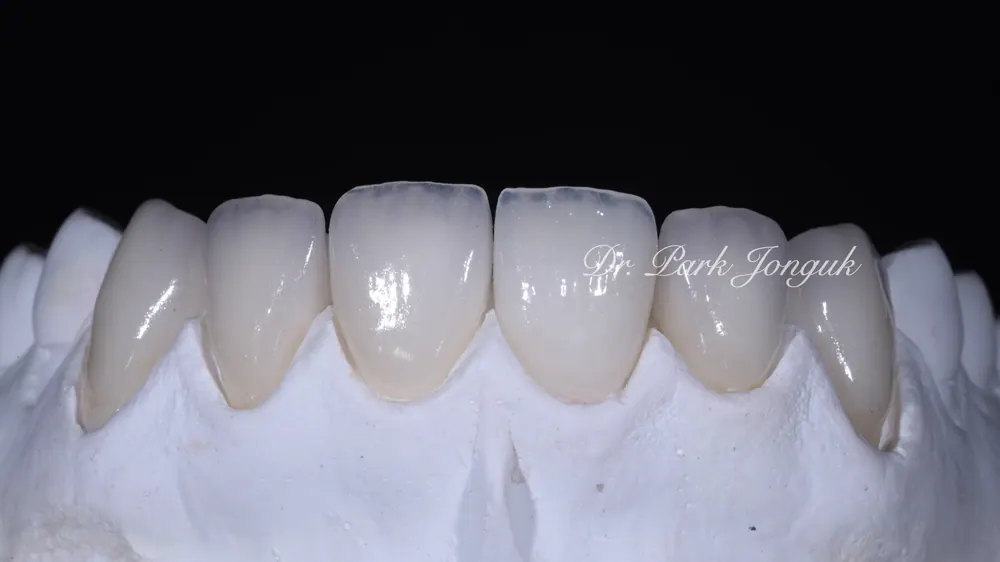
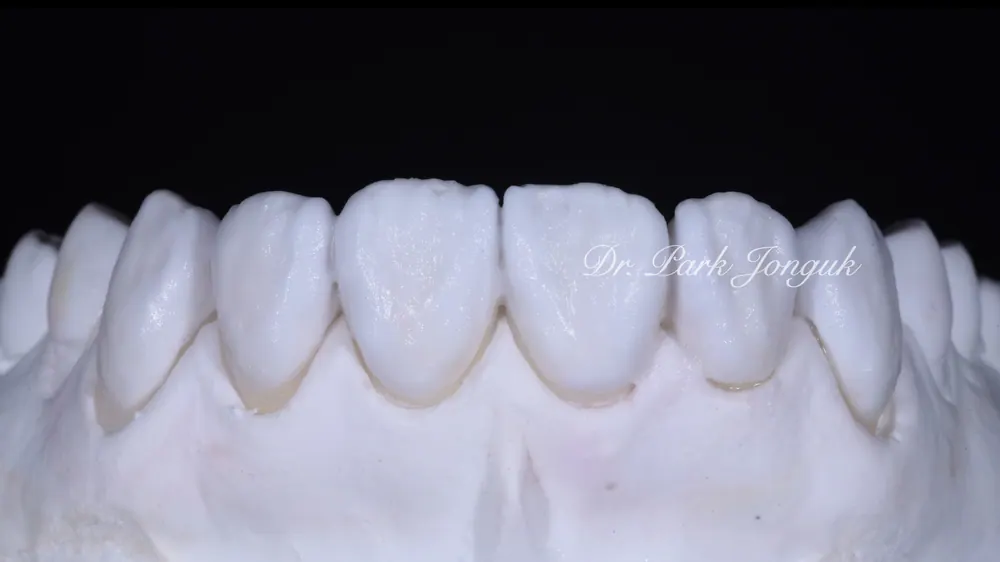
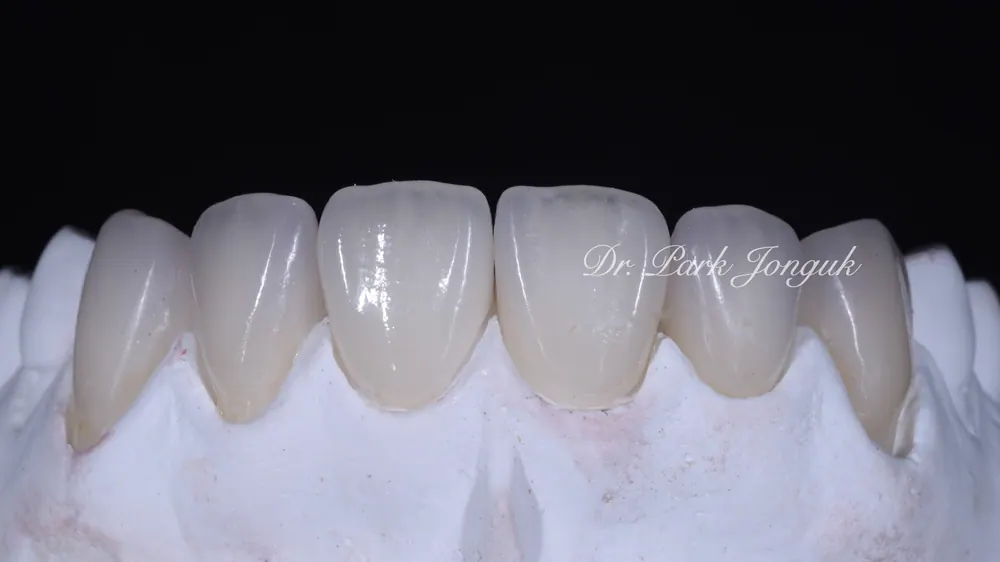
The laminate veneer is completed after a long and demanding process.
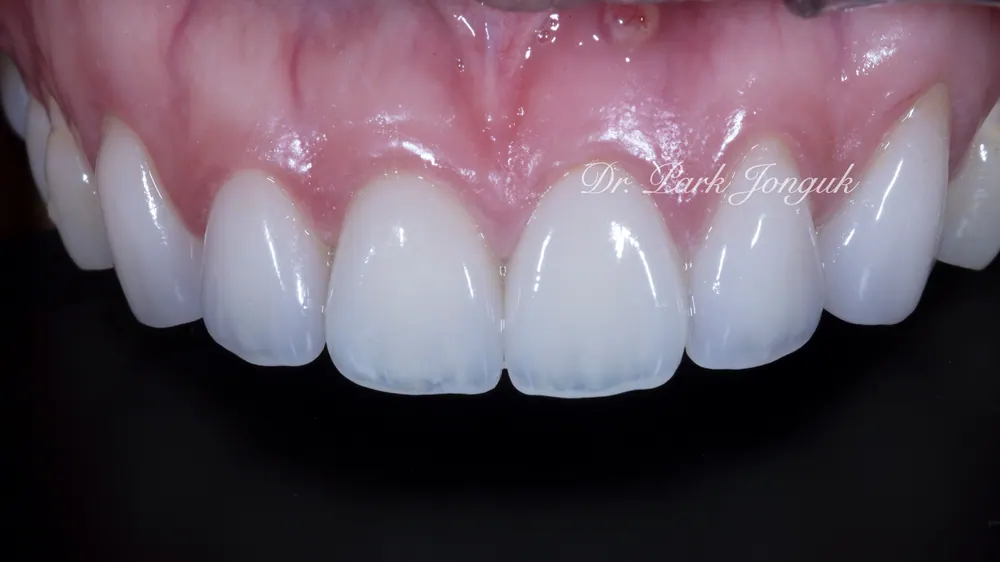
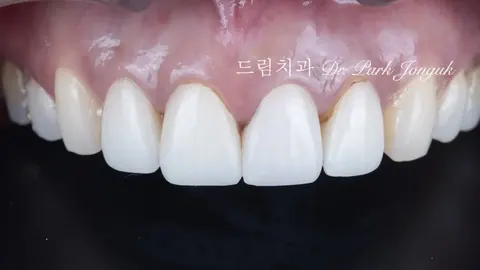
The completed laminate veneer preserves the form and translucency of a natural tooth.
Because many dentists are unfamiliar with the laminate veneer fabrication process,
some dentists present a restoration made by one of the four methods above as though it were a new method,
or distort it as though it were a new material, giving it a different name when explaining it to dentists or patients.
Because these details are not taught in dental school textbooks, even dentists may mistakenly wonder, “Is there a new method or a new material?”
It is extremely important for dentists to understand the laminate veneer fabrication process well.
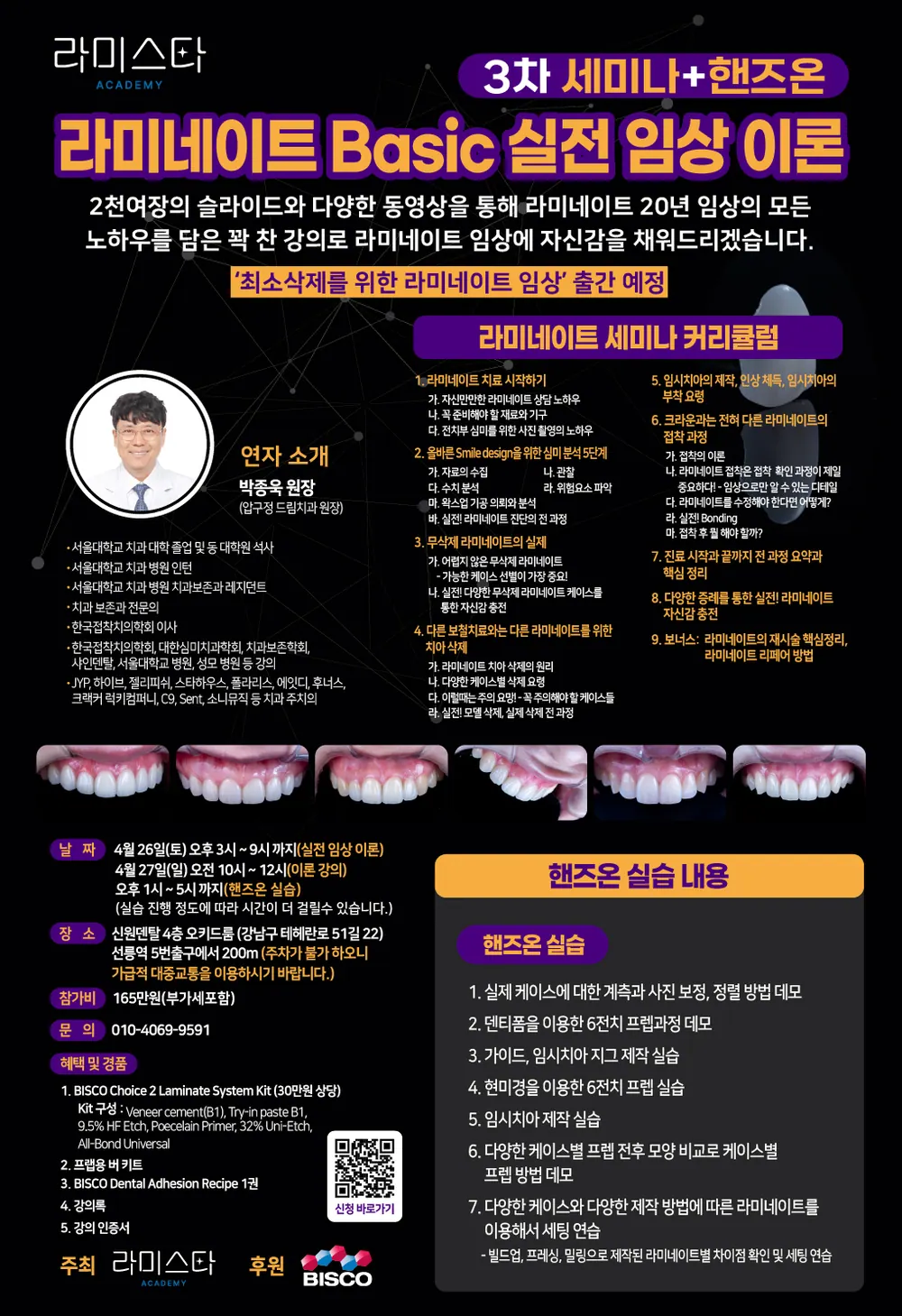
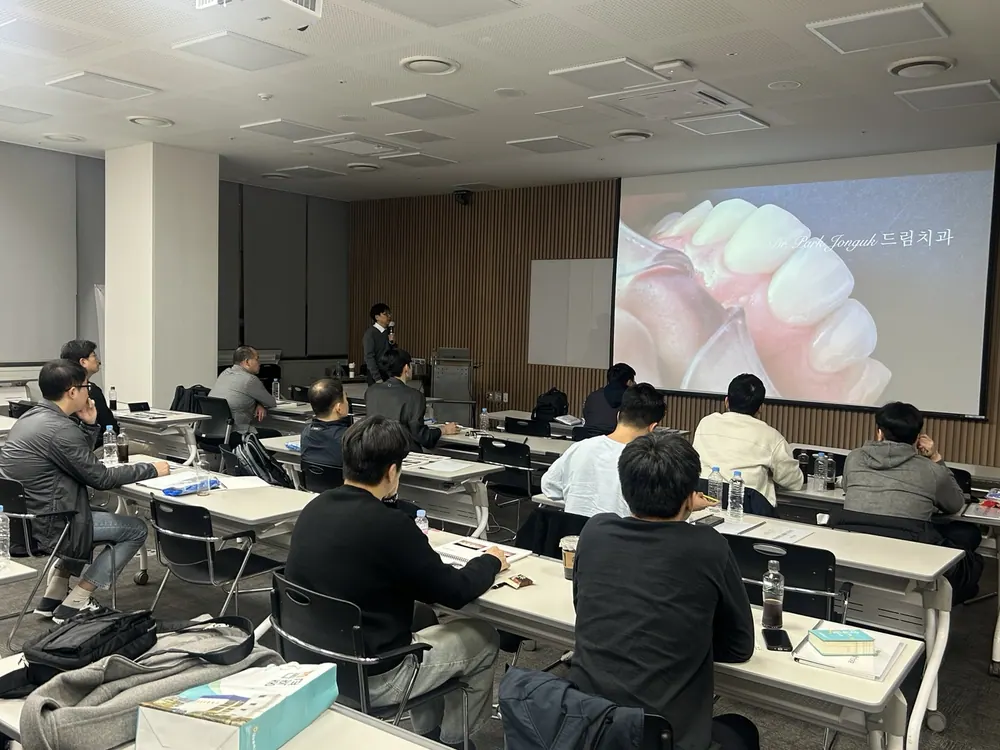
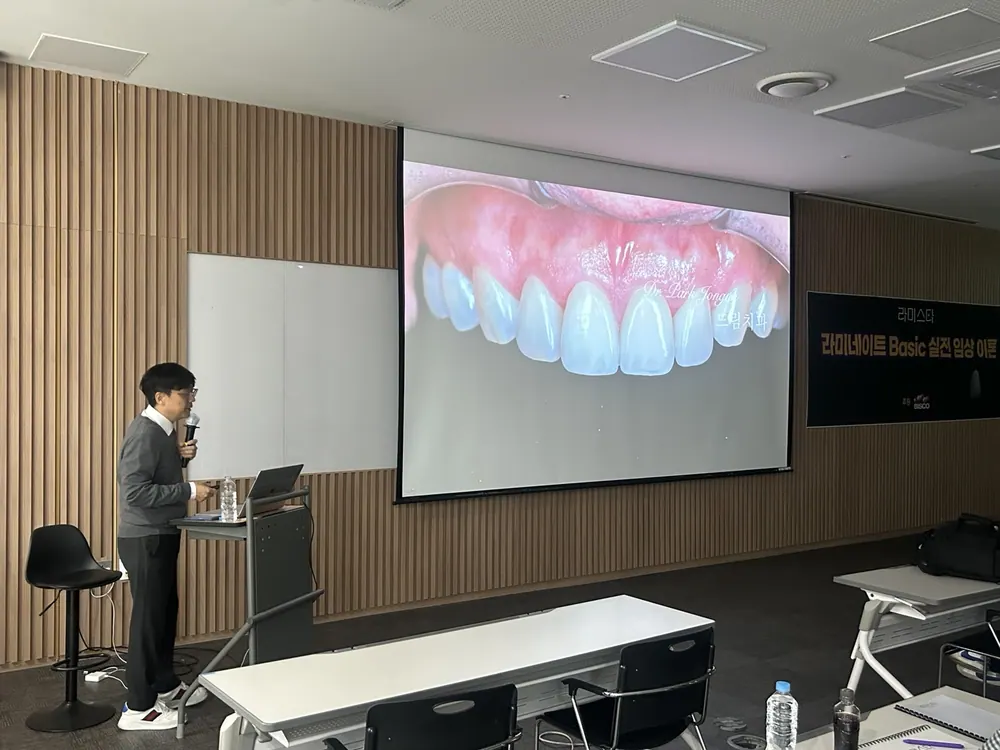
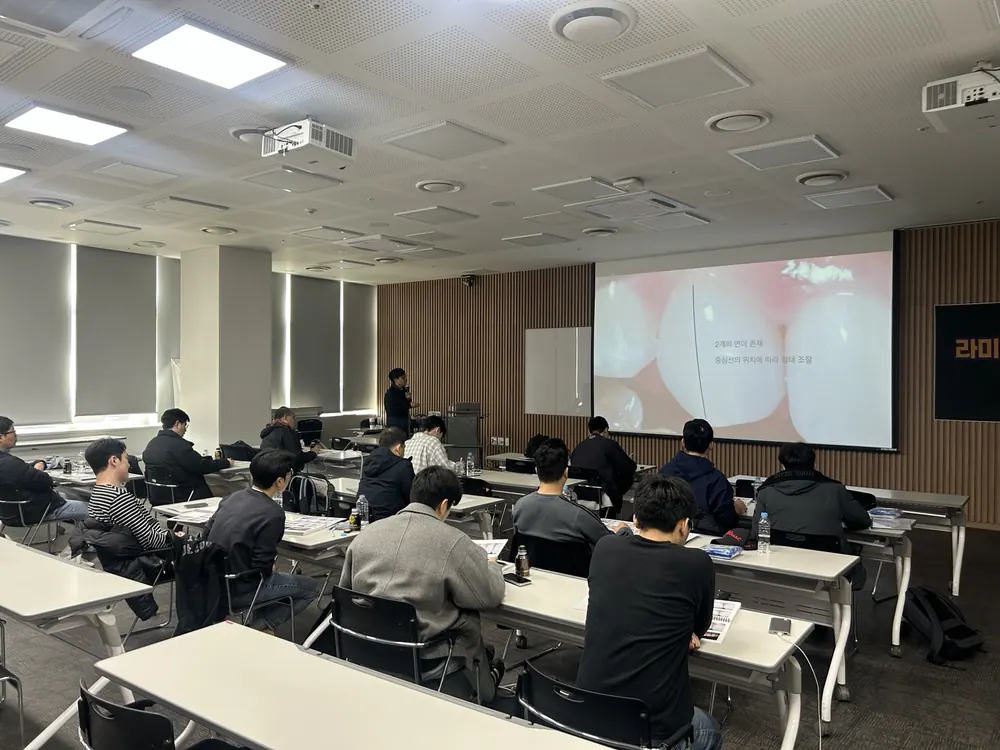
At Lamista Academy, we cover these laminate veneer fabrication processes,
teach the entire diagnostic and treatment process for laminate veneers, and provide hands-on practice.

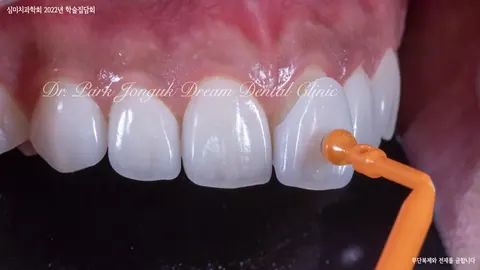
This article is a clinical note written by Dr. Park Jonguk of Dream Dental Clinic, Gangnam; the original was published on his blog. The photographs shown are real cases he treated. Results vary with each patient’s condition, and every procedure carries the possibility of individual variation and side effects.
Quick Consult
Request a Callback
Leave your number and we will call you back during clinic hours.
Request Received
We will contact you during clinic hours. For urgent matters, please call +82-2-3448-0028.