
Do No-Prep Veneers Really Remove Zero Enamel?
Hello, I'm Park Jonguk, director of Dream Dental Clinic.
Just last Sunday, too, I gave a lecture
to fellow dentists on veneer treatment.
Veneer treatment is still quite unfamiliar
even among dentists.
While a small number specialize in it,
far more dentists don't do it at all.
Dentists like me who have continuously practiced veneer treatment for nearly 20 years
are fairly rare.
Because of that, in order to share the know-how and treatment methods I've built up over the years,
I give lectures to dentists about 4-6 times a year
on a variety of topics.
Among those topics, what dentists are most curious about
is no-prep veneers.
Under ordinary dental knowledge,
no-prep veneers seem nearly impossible to achieve.
You'll sometimes even see, in videos or blogs run by dentists online,
claims that no-prep veneers are simply impossible.
But when we actually remove, with a laser, the veneers of patients who believe they got no-prep veneers at another clinic,
more often than not
we find that some reduction had actually been done.
No-prep veneers are a very demanding process, both in fabrication and in treatment.
In particular, achieving an esthetic result with them is extremely difficult.
So let's talk about whether no-prep veneers
are really possible without reducing the tooth at all.
1. Gaps between teeth
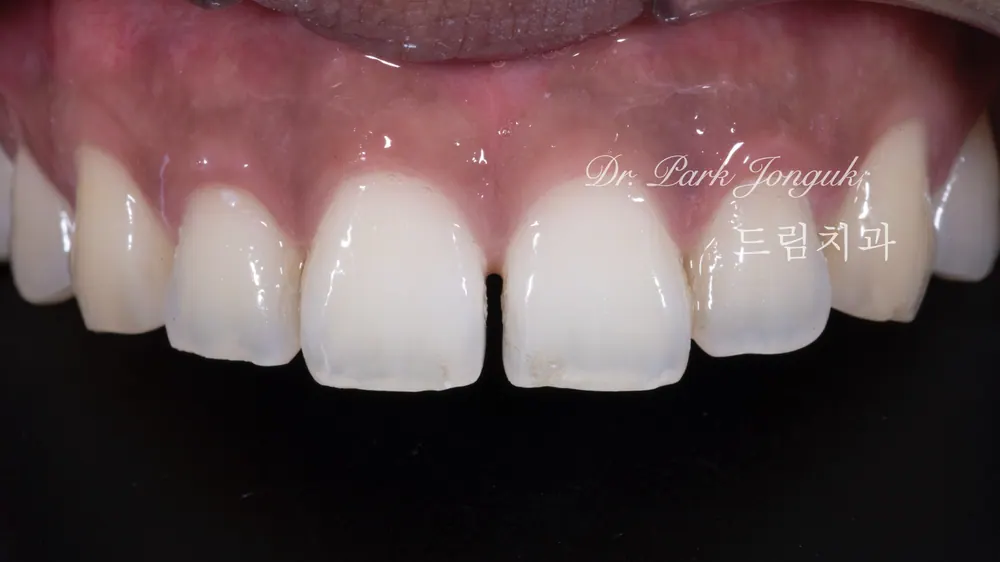
When there's a gap between teeth like this,
it can be treated with resin,
but since resin is a material that discolors over time,
and discoloration is itself a reason for retreatment on a front tooth,
treating it with ceramic lets it last longer.
By bonding an extremely thin piece of ceramic only into the gap between the teeth,
no-prep veneer treatment is possible.
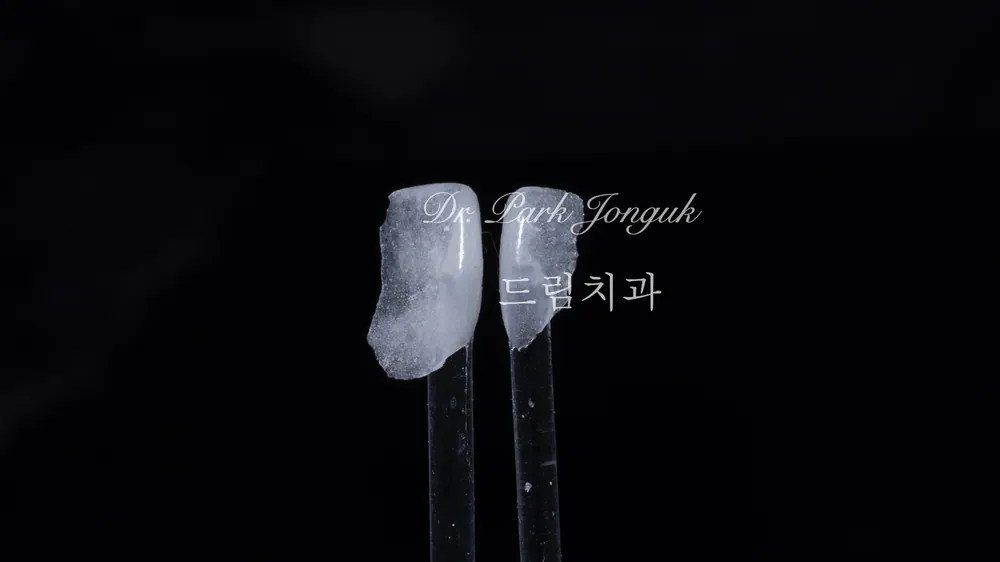
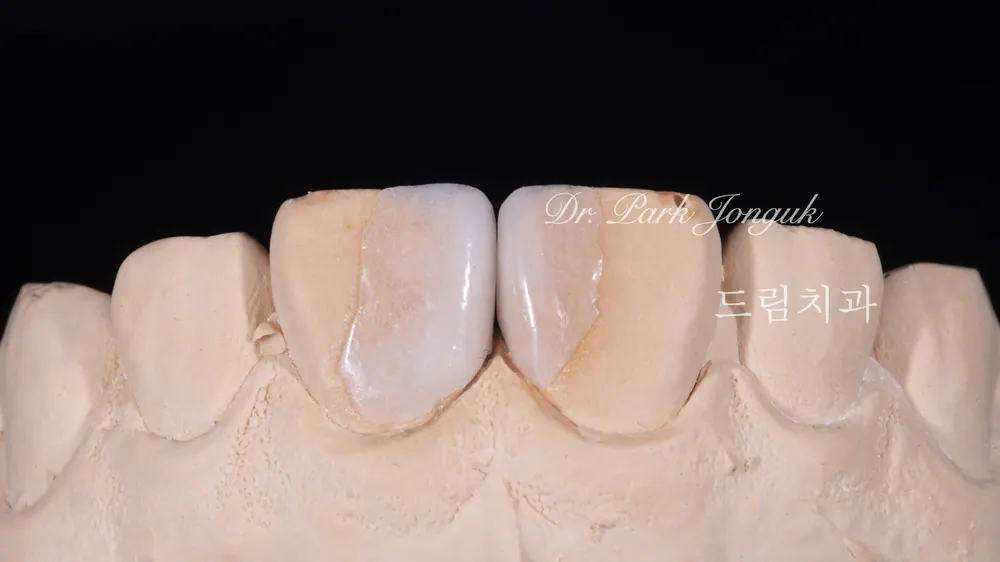
This fabrication method
is called feldspathic veneers,
and because the fabrication process is so demanding,
very few clinics actually offer this kind of no-prep veneer.
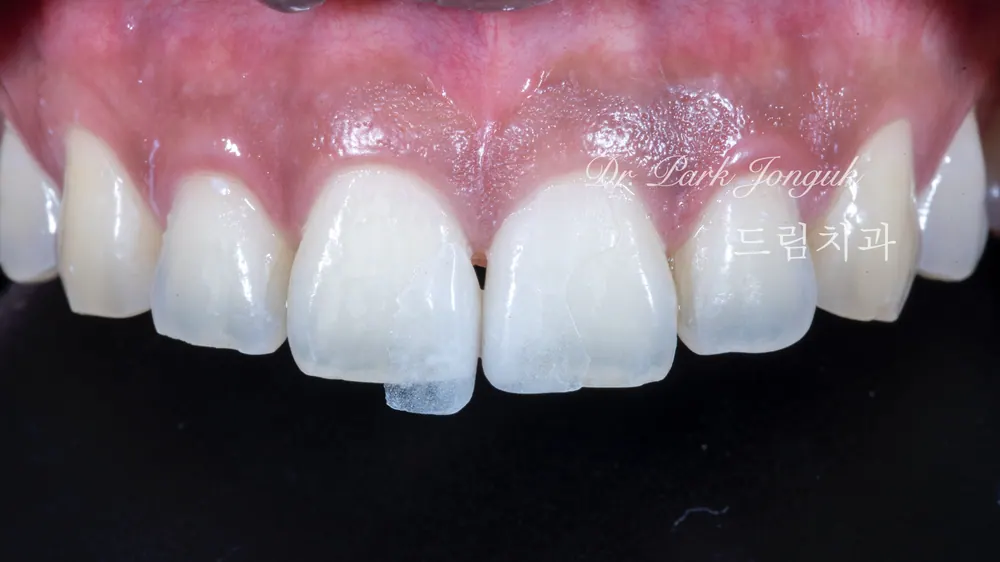
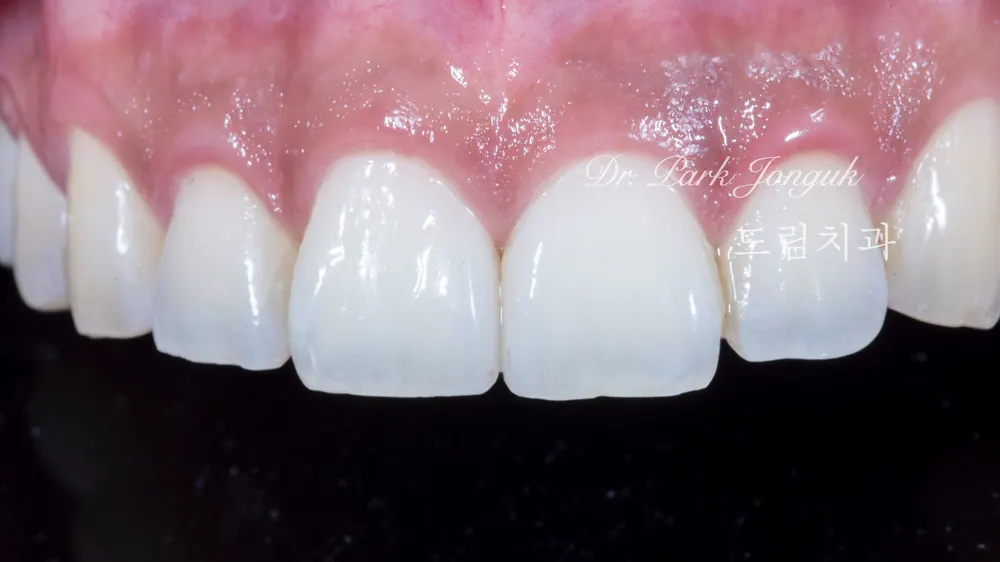
The treatment can be finished this naturally, with no trace of it showing.
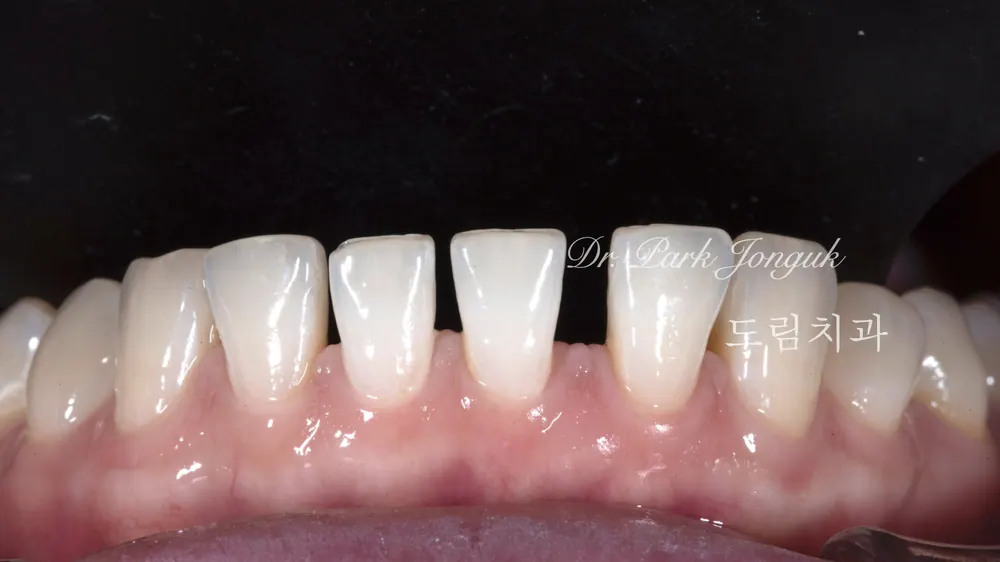
Even on a lower front tooth with a gap like this,
no-prep veneers are possible.
But it's not possible in every case —
there has to be no problem with the occlusion.
In other words, in situations where the lower teeth contact the upper teeth too forcefully when chewing,
no-prep veneers like this are often difficult.
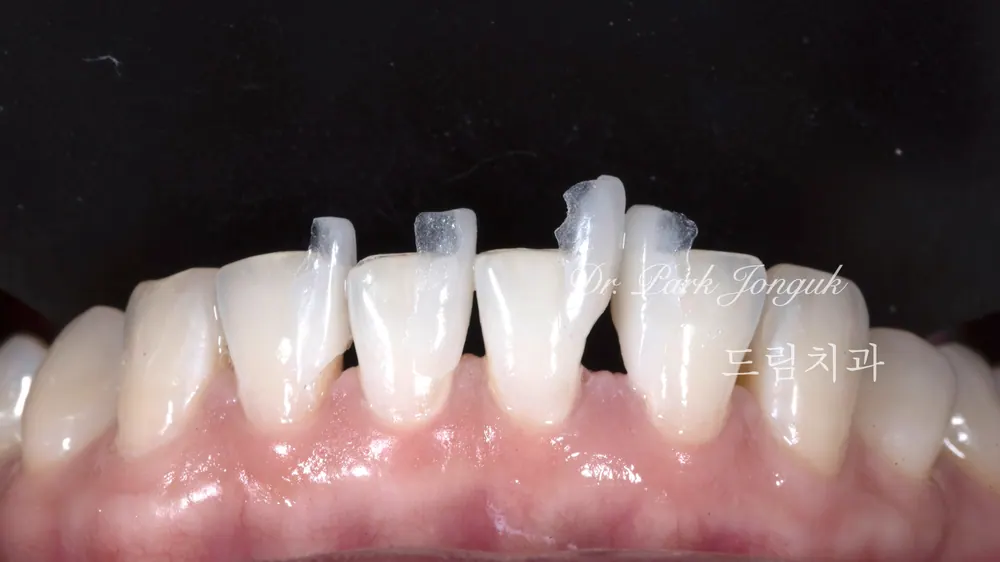
Using feldspathic ceramic like this,
we fabricate an extremely thin veneer.
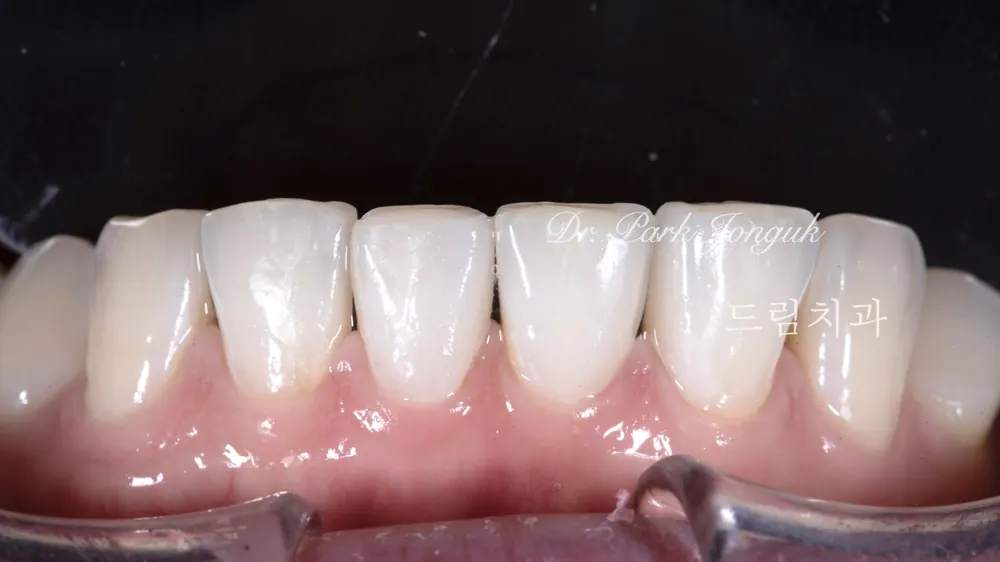
This is how it looks after treatment.
Once again, a natural veneer treatment with no trace of it showing was completed.
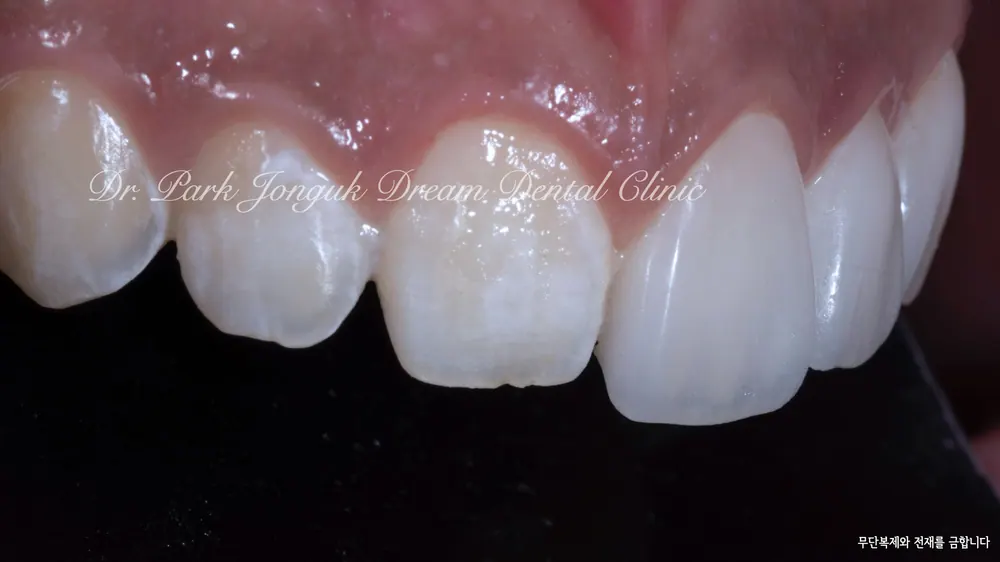
2. No-prep veneers for a peg lateral
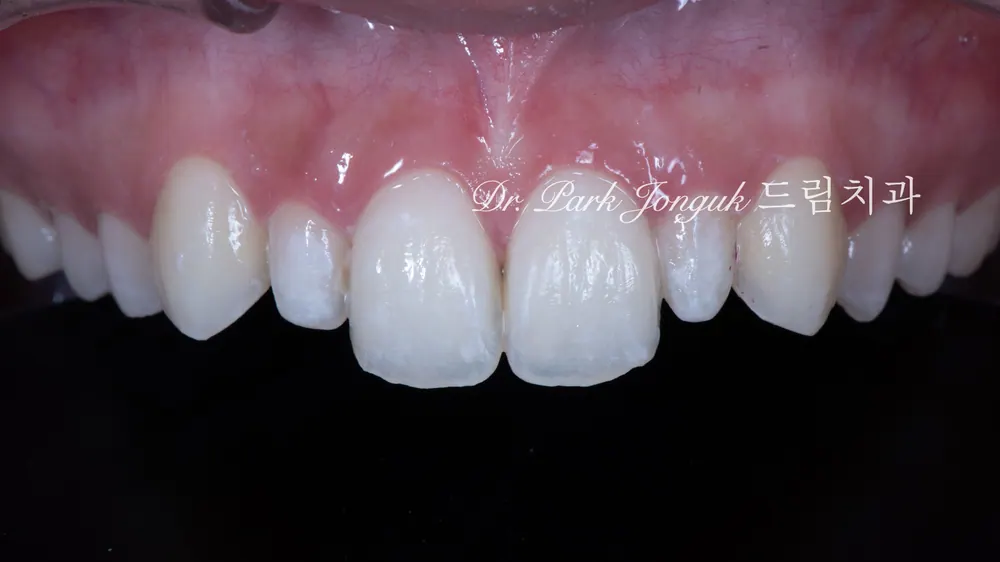
The tooth next to the front tooth looks quite small, doesn't it?
A tooth like this is called a peg lateral.
For a small tooth like this,
we proceed with no-prep veneers.
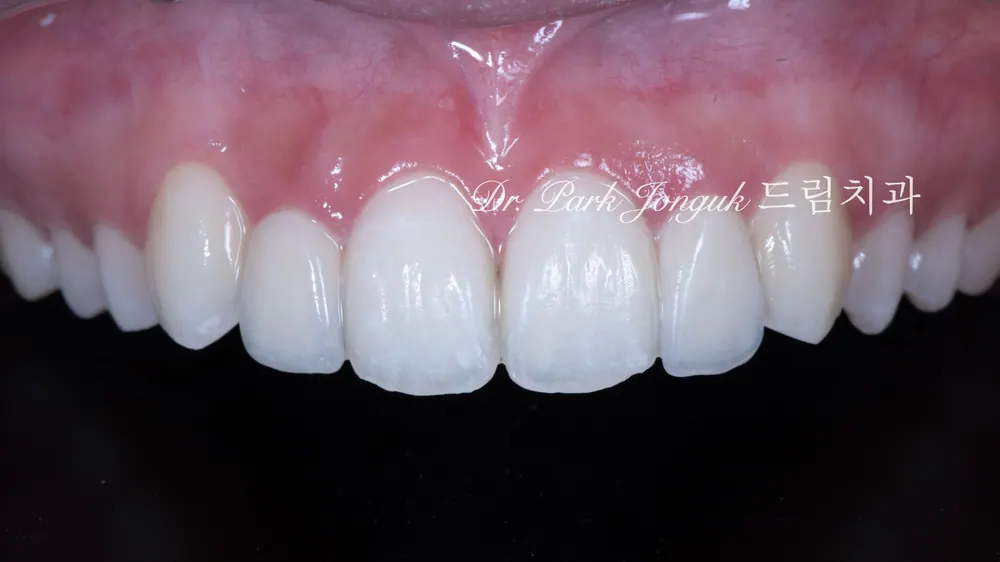
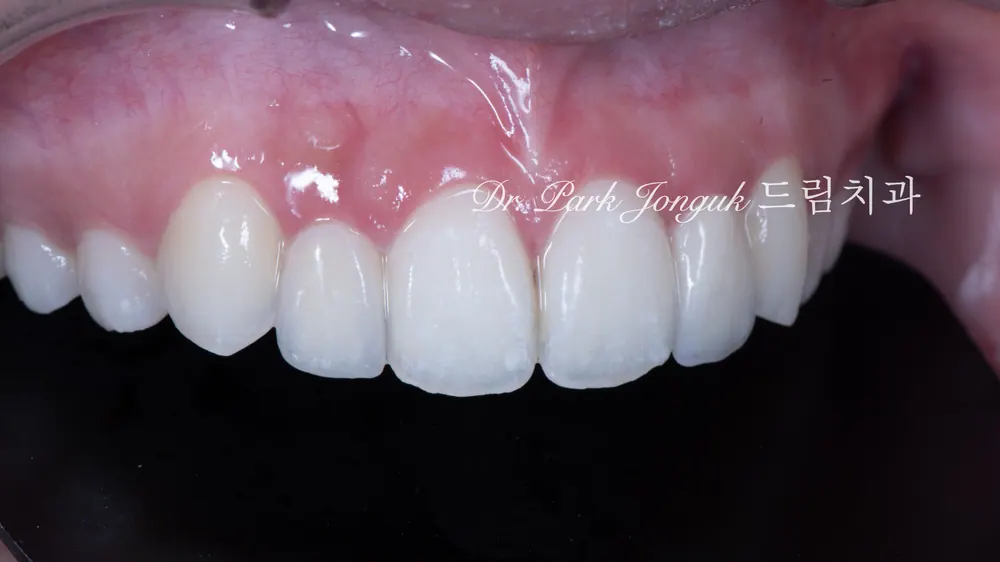
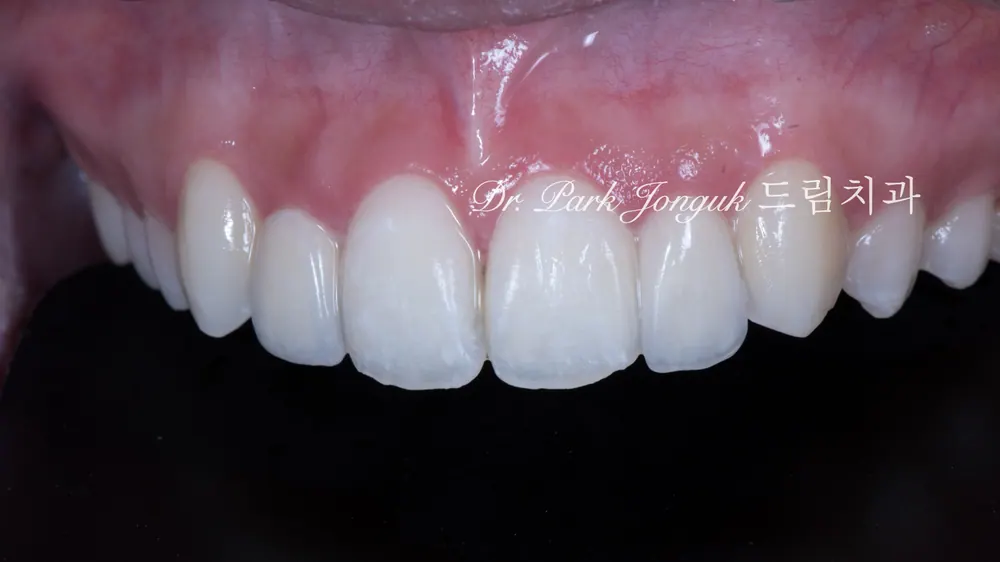
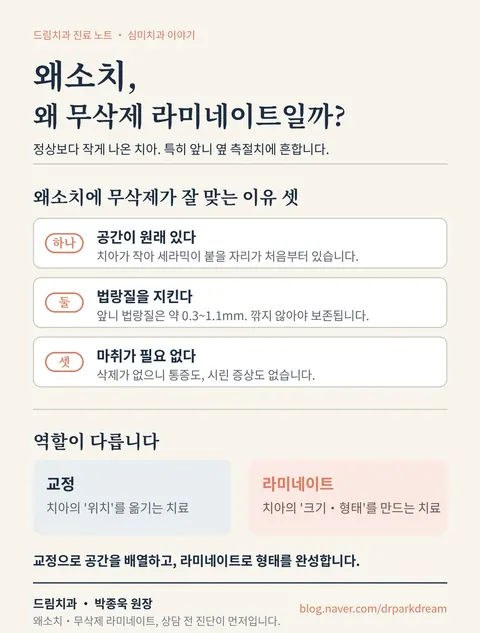
No-prep veneers are possible for a peg lateral like this too.
3. No-prep veneers after orthodontics leaves the teeth crowded inward
No-prep veneers require three conditions.
*First, the tooth needs to be small.
Since the tooth gets larger after treatment, if it's already large, it often ends up too large after no-prep veneers,
and this frequently leaves an unesthetic result.
*Second, the alignment needs to be good.
If the alignment is poor, that poor alignment simply gets carried into the final shape, reducing the effect,
or the teeth can end up protruding too much.
*Third, the teeth shouldn't be protruding.
If anything, a slightly inward, crowded bite is actually good for no-prep veneers.
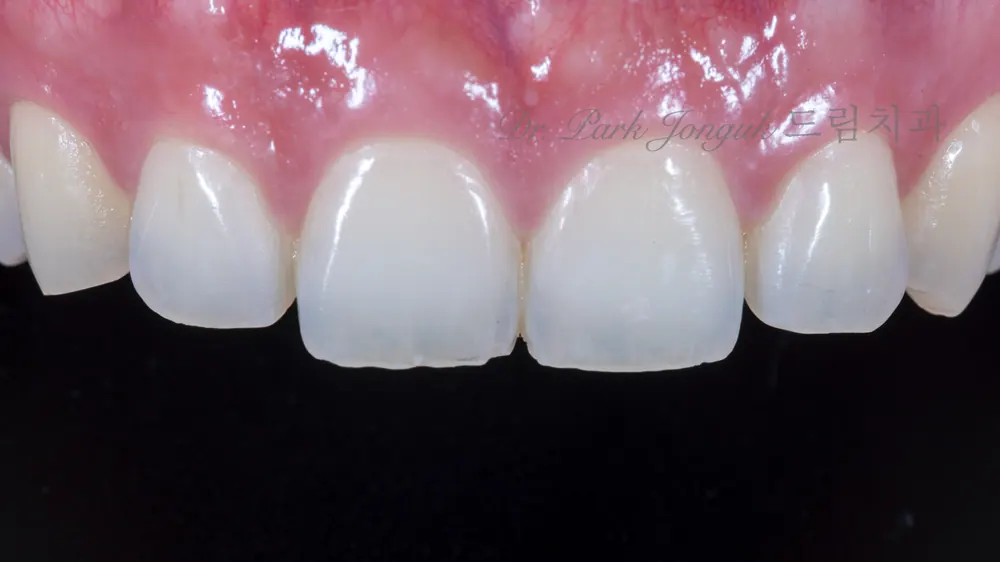
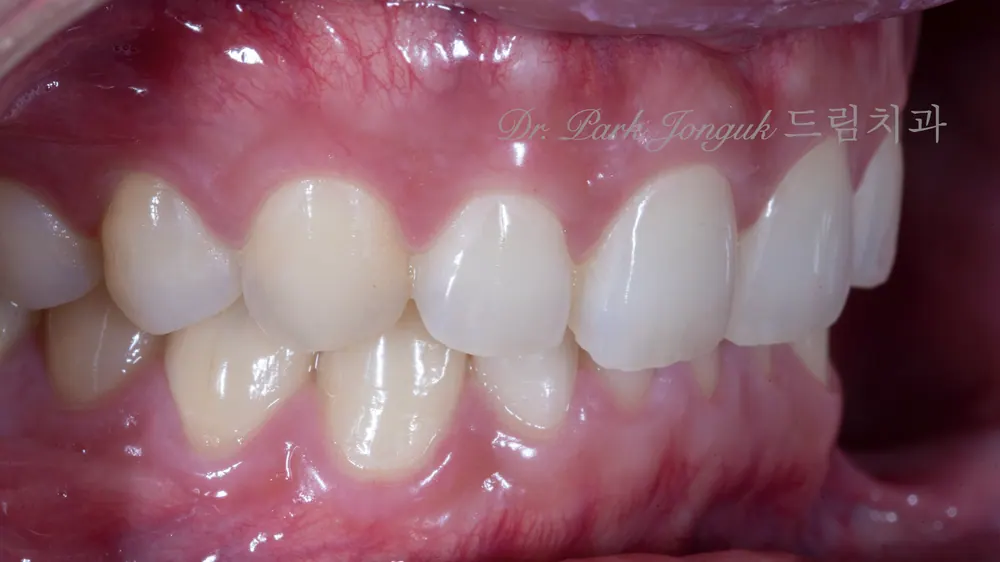
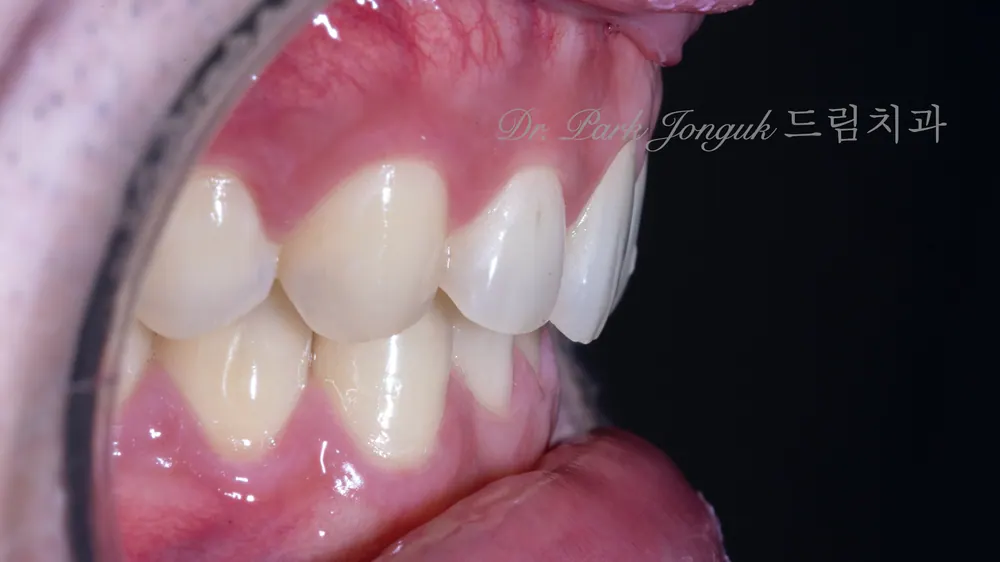
This is a case where the bite ended up severely crowded inward after orthodontics.
In an ambiguous situation between extraction and non-extraction orthodontics,
when orthodontic treatment is done with extraction,
this kind of inward crowding often results.
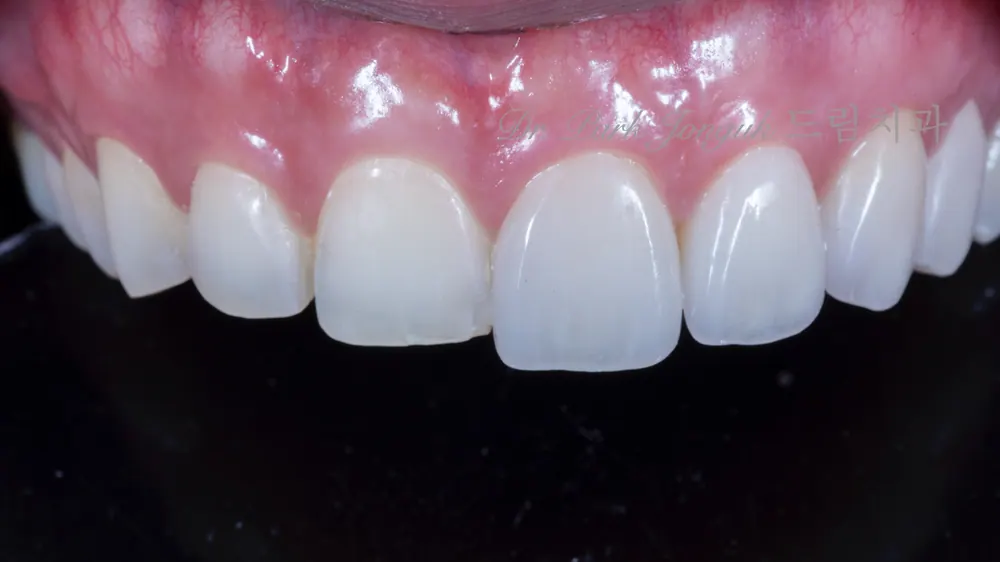
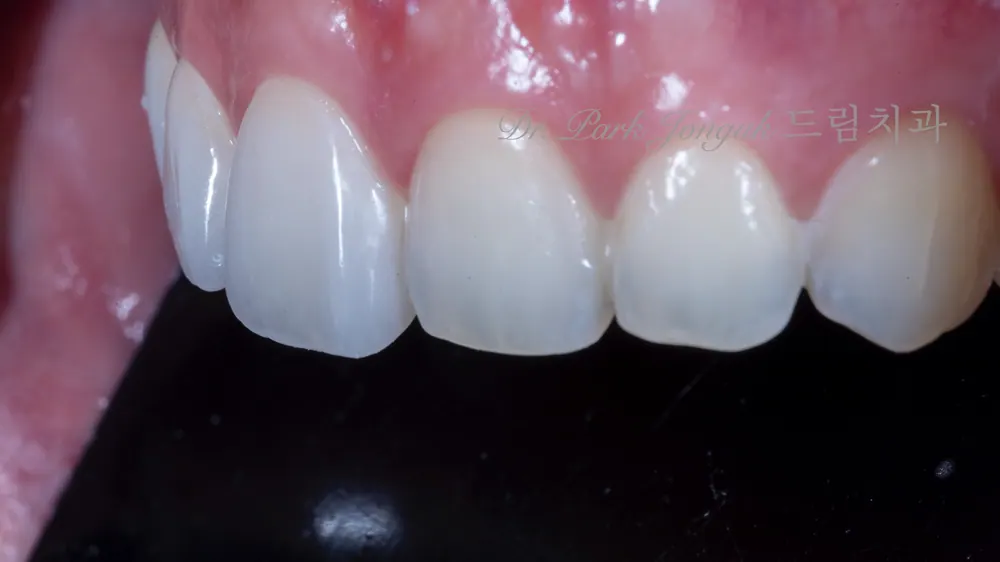
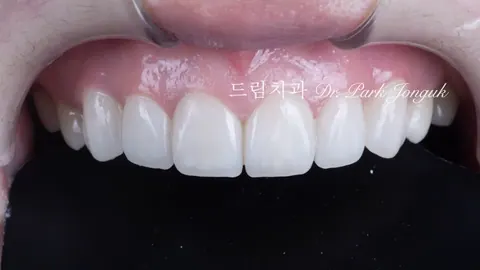
No-prep veneers can be fabricated like this.
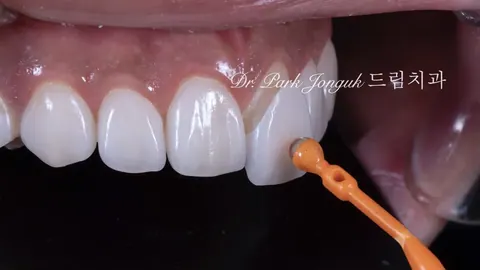
It clearly improves the feel of that crowded, inward bite.
A photo like this, taken with the veneer placed on only half the tooth, is good evidence of no-prep treatment.
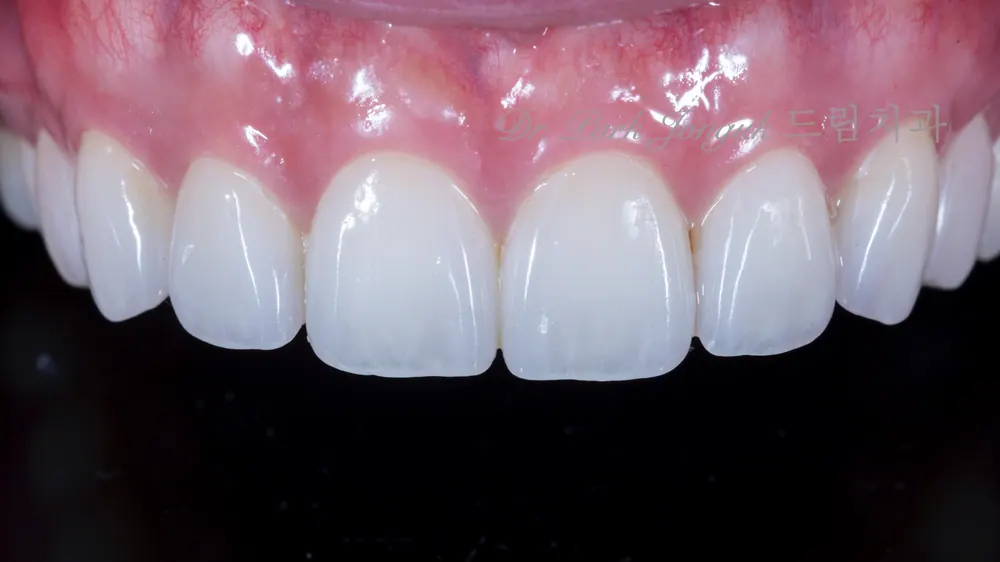
What matters when doing no-prep veneers like this is that
the thin ceramic
has to capture all of the natural, varied expression of a tooth.
A tooth's sense of depth and its varied coloring,
along with the translucency at the tip of the tooth, are features of a natural tooth.
Making the entire tooth a single flat color,
or an opaque, awkward-looking veneer,
is on a completely different level from a fine, hand-crafted veneer like this.
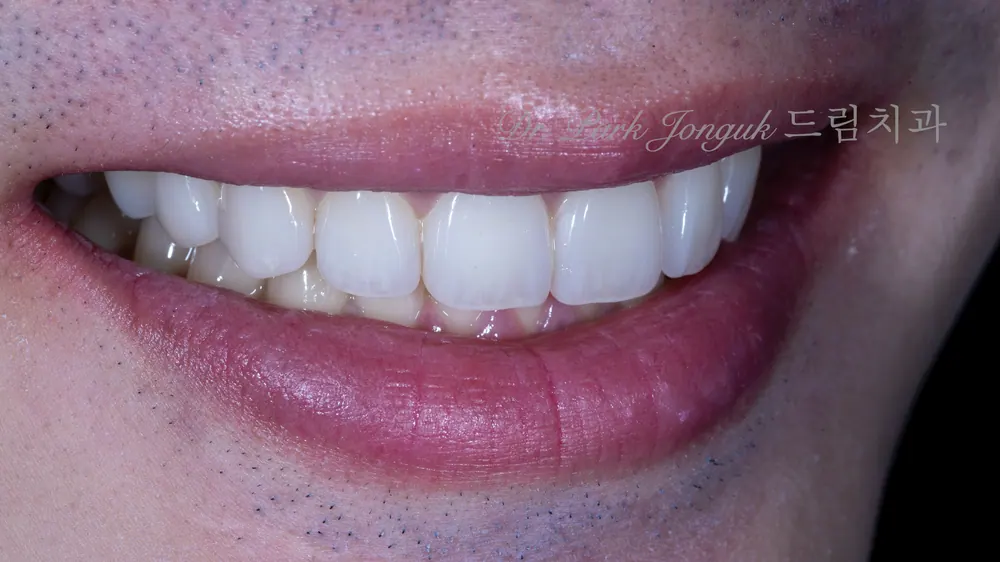
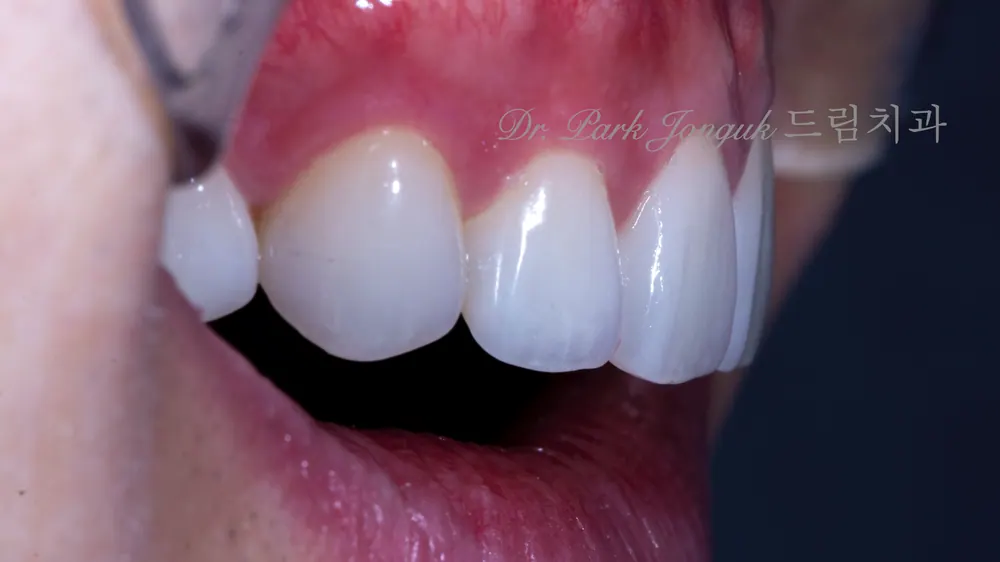
It also blends well with the lips,
and you can see that the crowded, inward bite has been fully corrected.
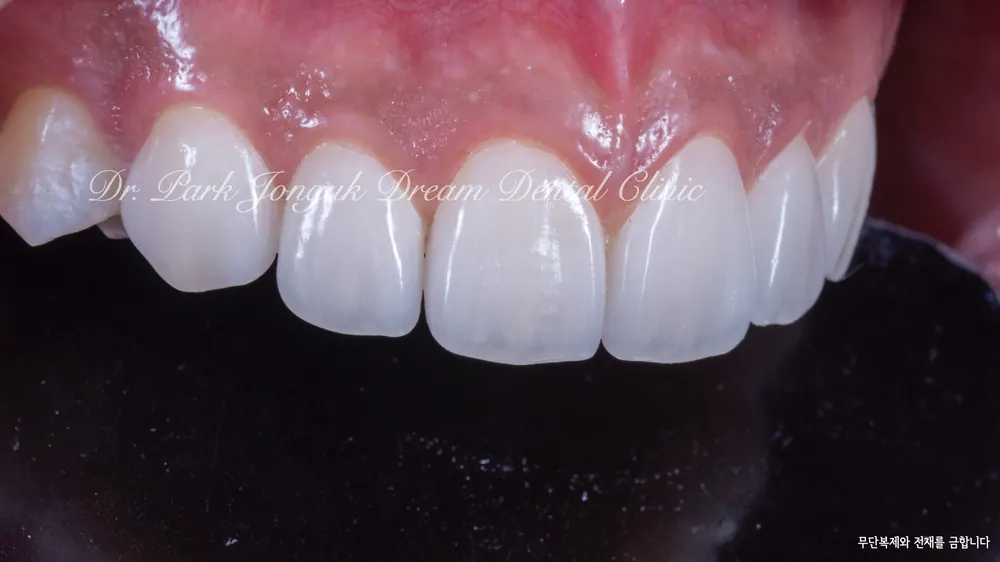
4. Micro-reduction veneers, involving a tiny amount of reduction
It would be great if every case could be done as a no-prep veneer,
but if even one of the three conditions mentioned earlier
isn't met,
a small amount of reduction may be needed for an esthetic result.
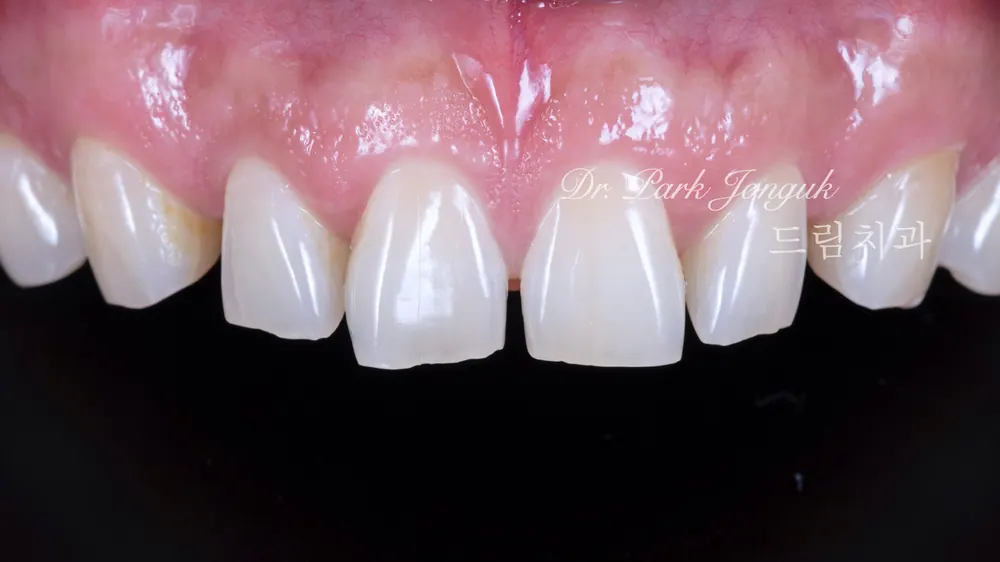
Because her teeth were small,
there was a gap between the teeth.
As with the cases shown earlier,
it could have been treated with no-prep veneers,
but there was a slight forward tilt and protrusion,
and the patient no longer wanted her teeth to protrude.
In a case like this, a tiny amount of reduction is needed.
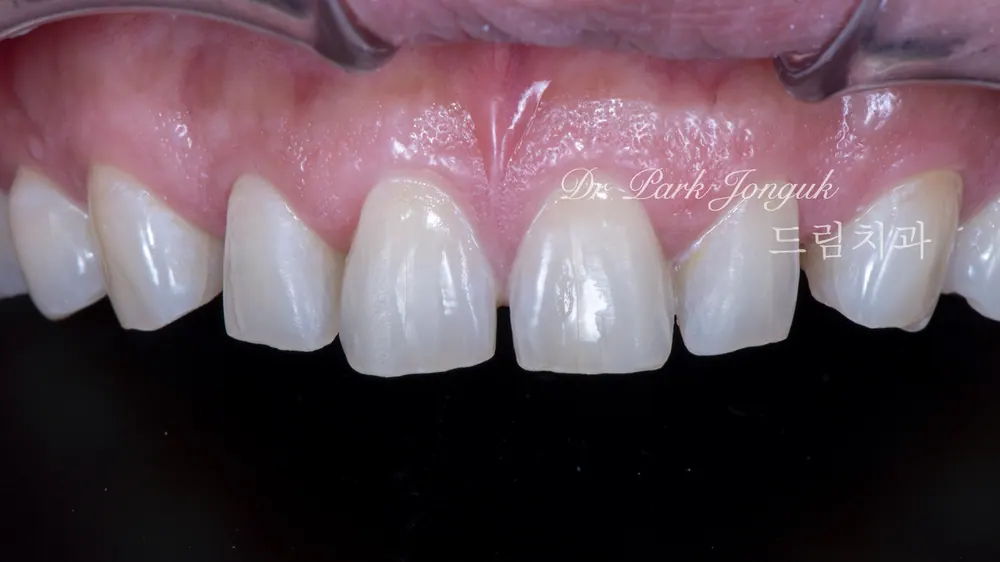
This shows the state after that reduction.
If we'd shown you this photo first,
you'd probably have believed it was a no-prep veneer regardless.
Only the protruding area was trimmed, and only very slightly.
No anesthesia was needed, and no temporary teeth were needed either.
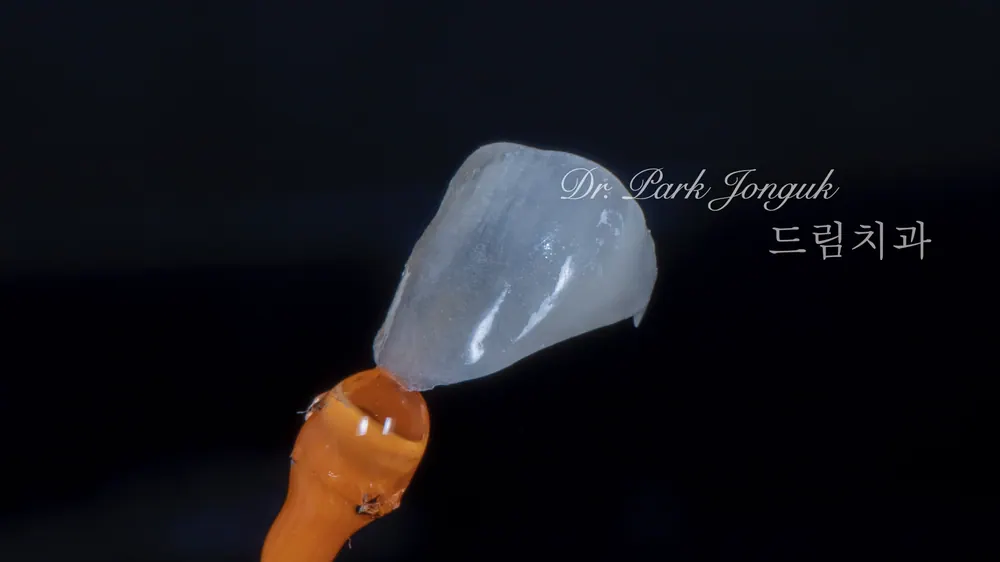
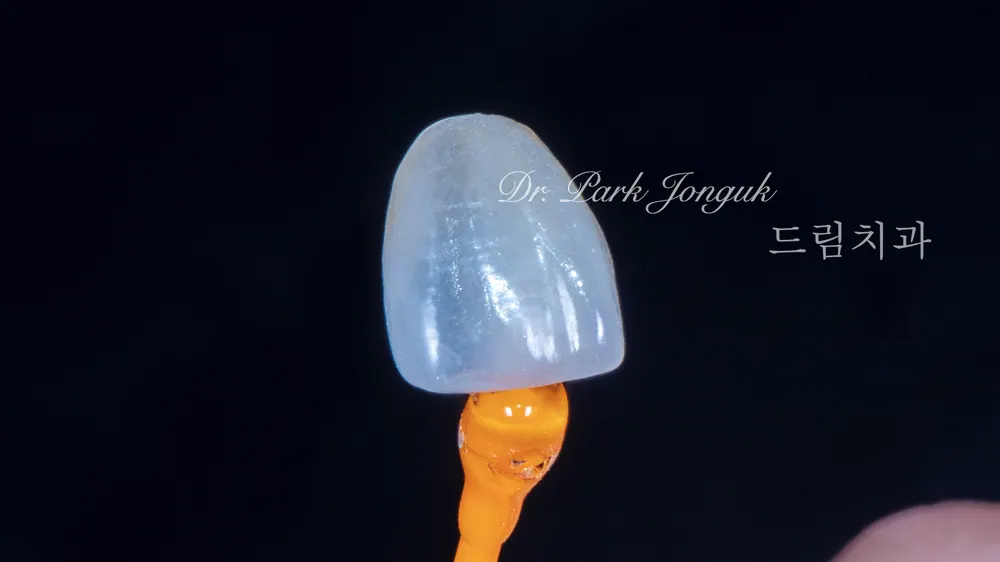
This is how thin the ceramic is made.
This, too, requires considerable technical skill.
A same-day method can never come close to matching this.
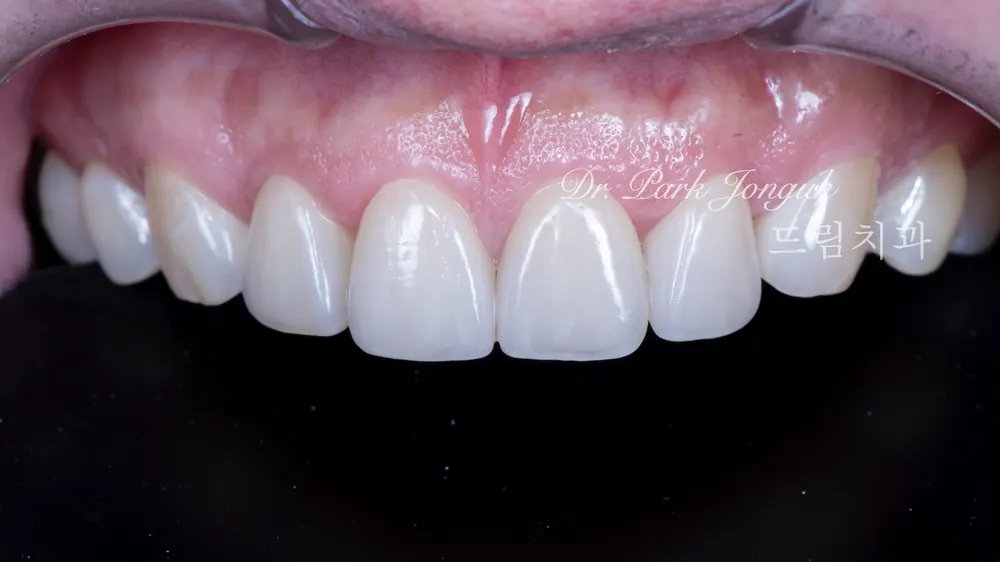
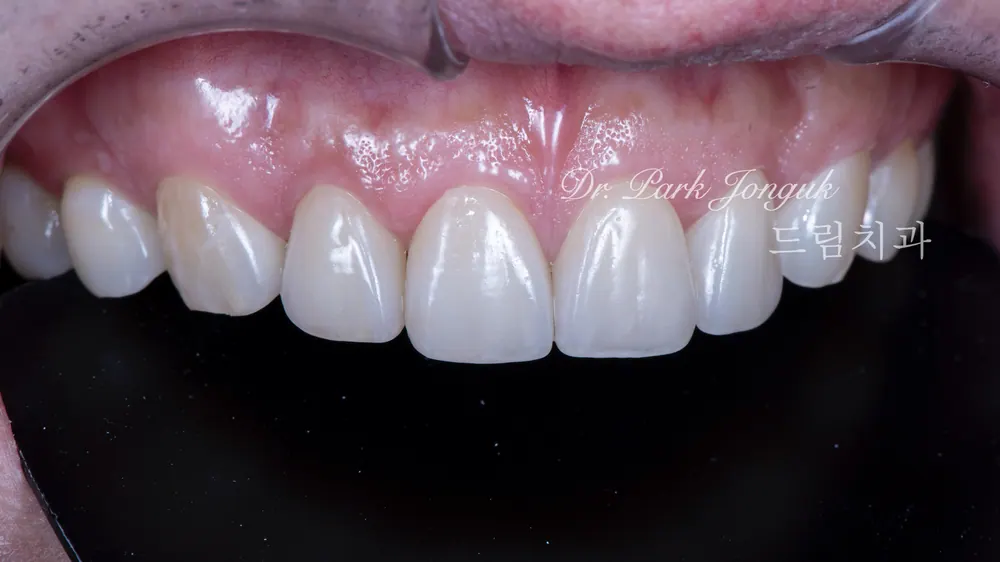
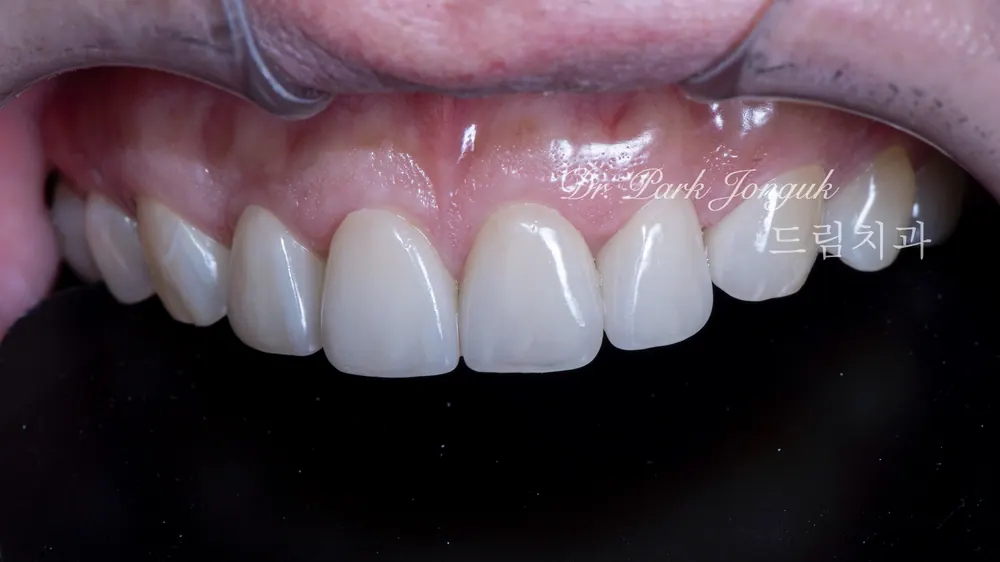
This naturally and beautifully
completed the micro-reduction veneer treatment.
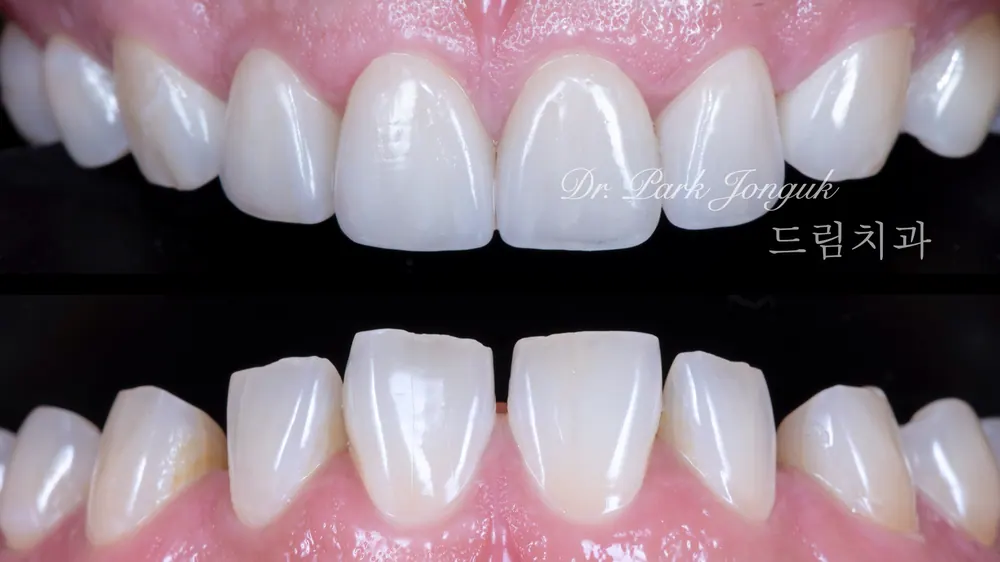
Even with just this tiny amount of reduction,
it delivers an outstanding esthetic result.
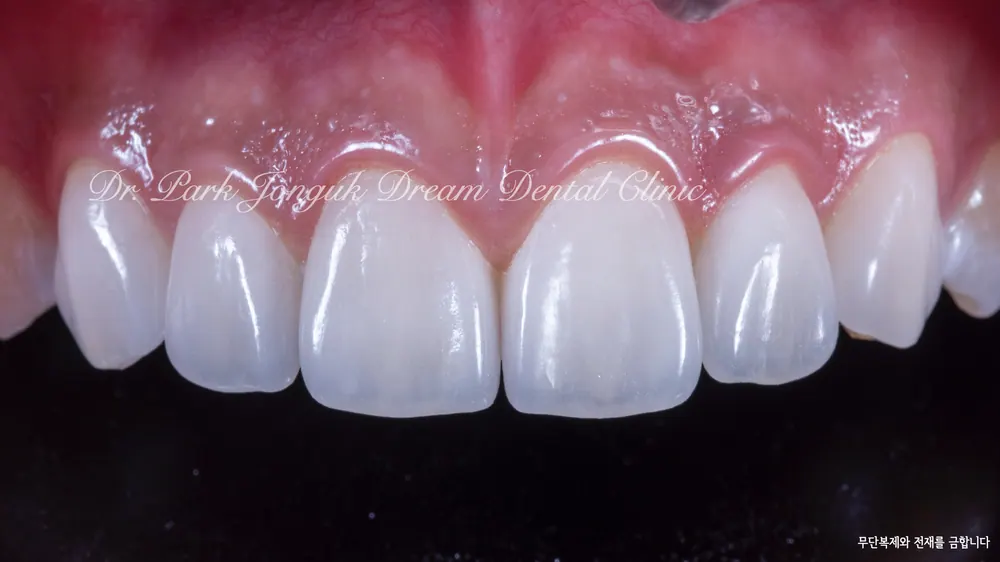
5. No-prep veneers that brighten a dark tooth
The conditions for no-prep veneers are all the same.
Even when those conditions are met but the teeth are quite dark,
veneers can still brighten the teeth.
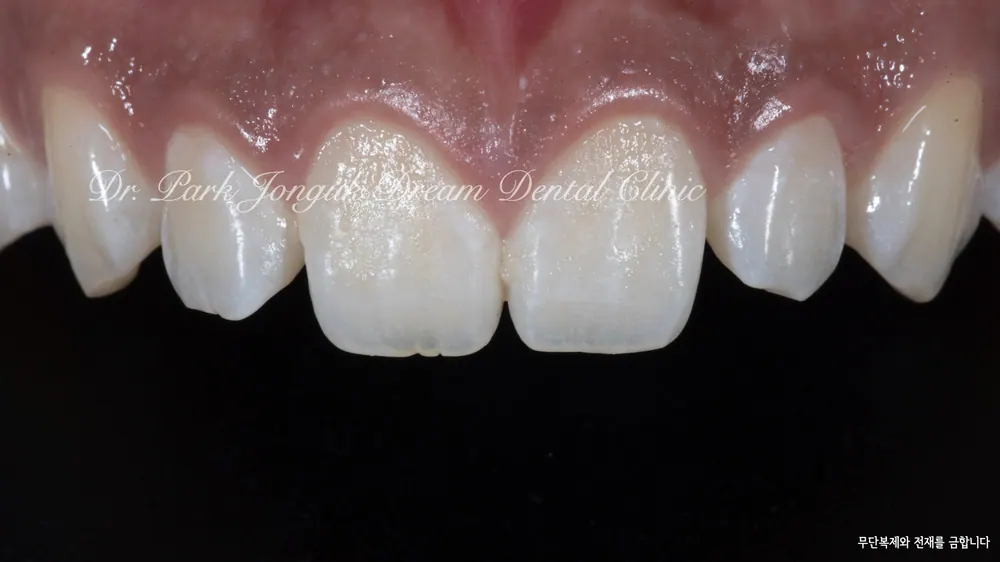
The teeth were fairly dark.
They were small, well-aligned, and slightly crowded inward.
Without reducing the tooth at all,
we proceed with fabricating the veneers.
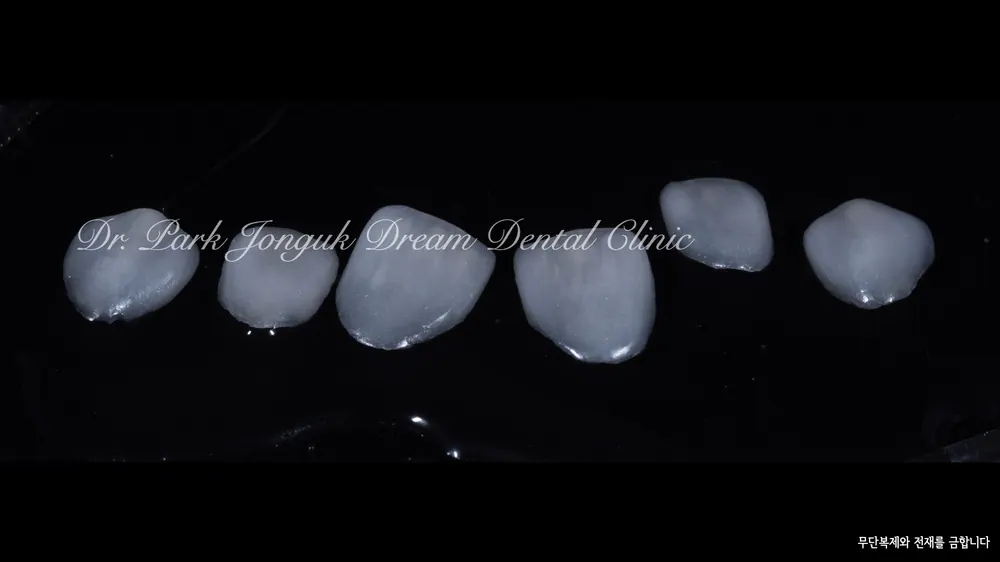
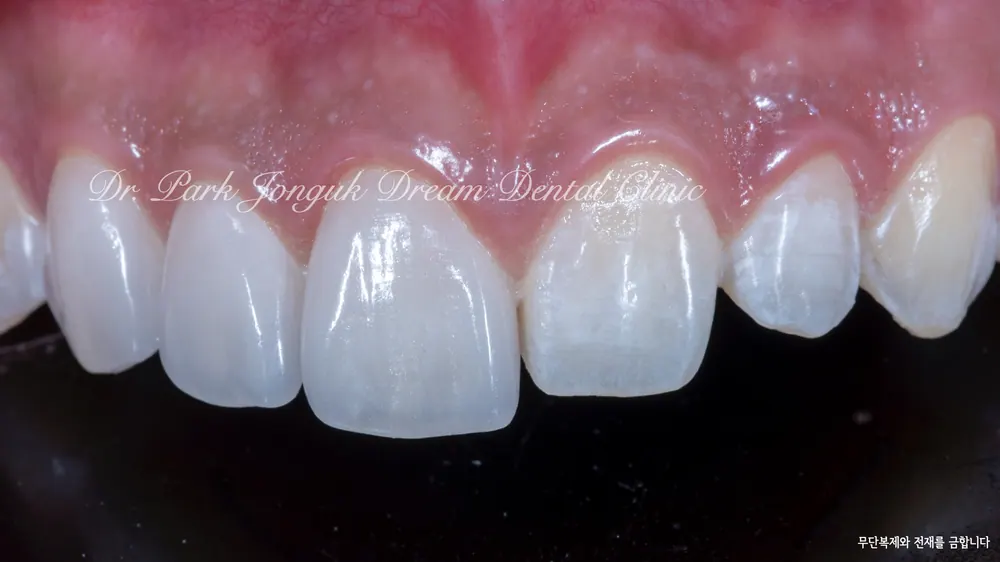
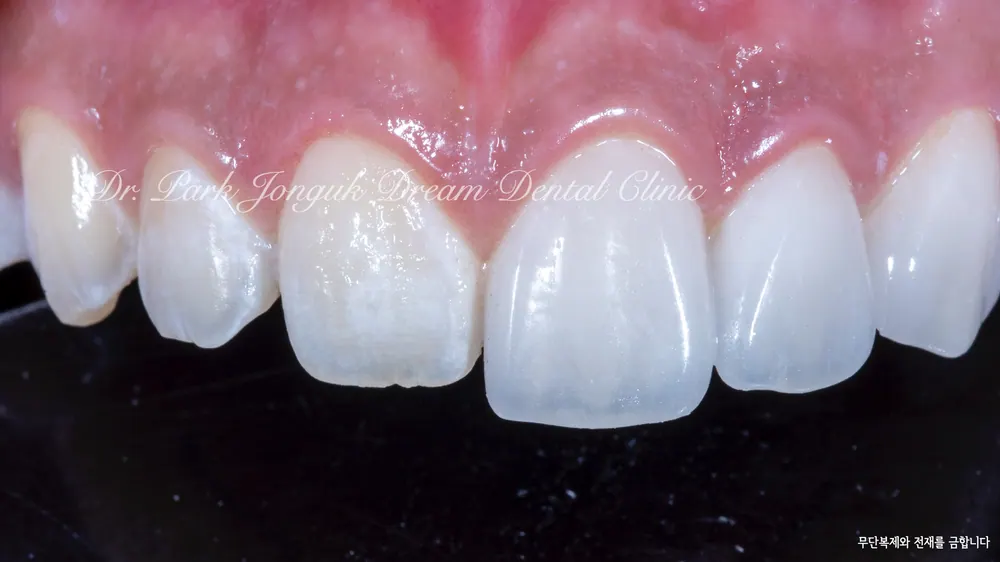
As the teeth grow larger like this,
the color of the teeth also brightens.
The shape of the teeth also improves,
while the natural feel is preserved.
When I do veneer treatment, I classify it
into four stages depending on the amount of tooth reduction:
no-prep veneers,
micro-reduction veneers,
minimal-reduction veneers,
and standard-reduction veneers.
That's how I divide it into these four stages.
No-prep veneers
are a method of treatment that doesn't reduce the tooth at all,
and of course, they're entirely possible.
The downside is that they require the dentist to have extensive experience with veneers,
and they're only possible when specific conditions are met —
not in every case.
This is checked through a precise wax-up diagnosis.
In my nearly 20 years of doing veneers,
I've handled quite a lot of retreatments,
and when I remove the veneers from cases where another clinic claimed to have done no-prep treatment,
by my own standard, the reduction was often closer to what I'd call minimal-reduction veneers.
Since it's that demanding a process,
actually achieving true no-prep treatment isn't easy.
Natural beauty.
Since 2006, Dream Dental Clinic
This article is a clinical note written by Dr. Park Jonguk of Dream Dental Clinic, Gangnam; the original was published on his blog. The photographs shown are real cases he treated. Results vary with each patient’s condition, and every procedure carries the possibility of individual variation and side effects.
Quick Consult
Request a Callback
Leave your number and we will call you back during clinic hours.
Request Received
We will contact you during clinic hours. For urgent matters, please call +82-2-3448-0028.