
Detail-Focused Veneer and All-Ceramic Crown Retreatment
Hello, I'm Park Jonguk, director of Dream Dental Clinic.
Not just veneers and all-ceramic crowns —
most dental treatments have a limited lifespan.
Unlike other body tissues,
teeth can't regenerate,
so once a tooth is damaged, it has to be replaced with a material other than natural tooth.
When decay develops,
or a tooth breaks for some other reason,
it's not like skin or muscle, where applying medicine lets the tissue regenerate;
the area has to be filled instead with another material,
such as ceramic, resin, gold, or amalgam,
and that material itself has a lifespan.
There's also another factor:
the method used to bond that material to the tooth also has a lifespan.
The lifespan of the material itself, and the lifespan of the bond to the tooth —
there are these two separate factors,
and depending on which material was used and how it was bonded,
the lifespan can vary a great deal.
Unlike molars, front teeth can't be treated
with metal like gold or amalgam.
Tooth-colored materials such as ceramic or resin are used instead,
and a key feature of these tooth-colored materials is that they bond to the tooth.
Metals like gold or amalgam don't bond to the tooth; they're pressed tightly into place instead.
It's this bonding property that made a treatment like veneers possible in the first place.
That said, the bond itself has a lifespan of around 10-15 years,
and the ceramic itself also has a lifespan,
so most restorations are considered to last about 5-10 years.
As this much time passes, all-ceramic crowns or veneers that have come loose or fractured
need to be retreated.
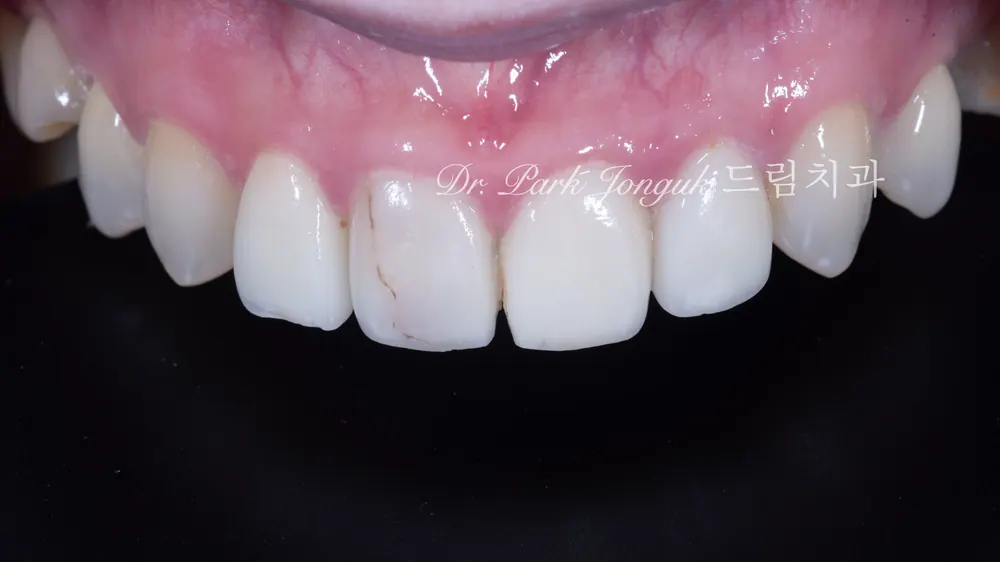
This is a case of a fractured all-ceramic crown
from treatment that had been done a long time ago.
The fracture was a problem, but
the shape of the tooth wasn't in good condition either.
We decided to fix both the fracture and improve the shape of the tooth.
Each tooth had a different color;
in particular, the fractured tooth appeared to have discolored
because staining had gotten into the fracture line.
There was also a subtle color difference between the front tooth and the one next to it,
and this kind of detail needed to be corrected too.
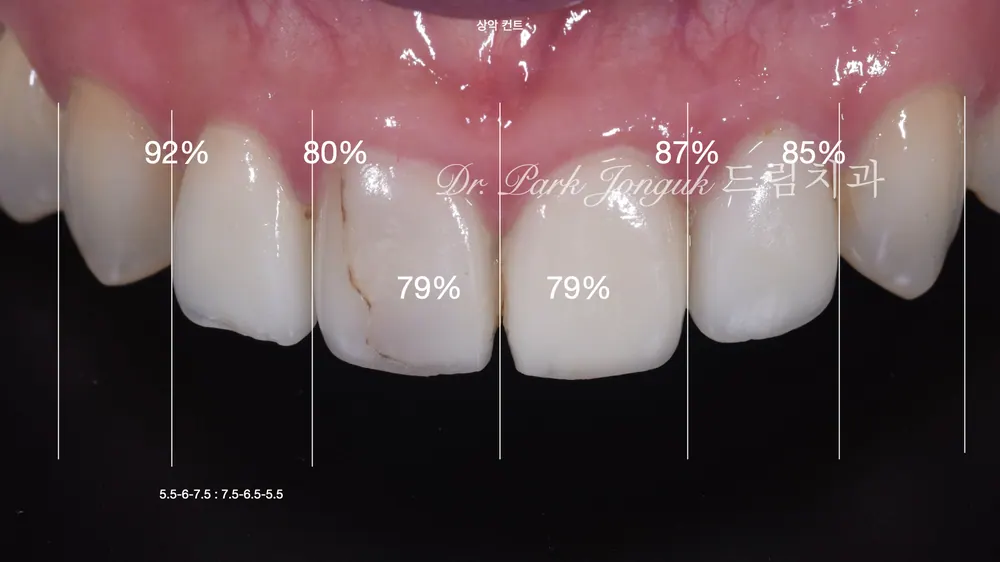
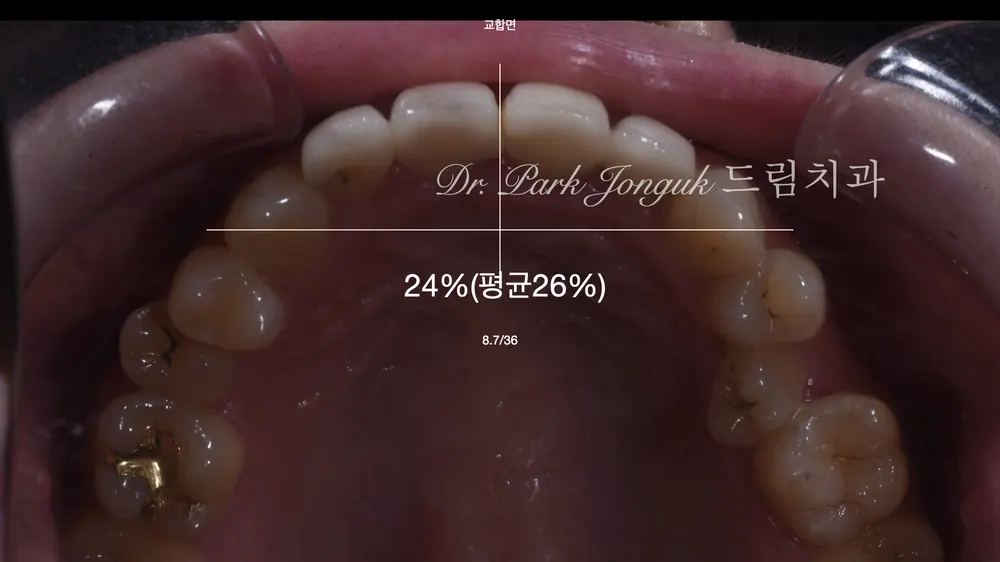
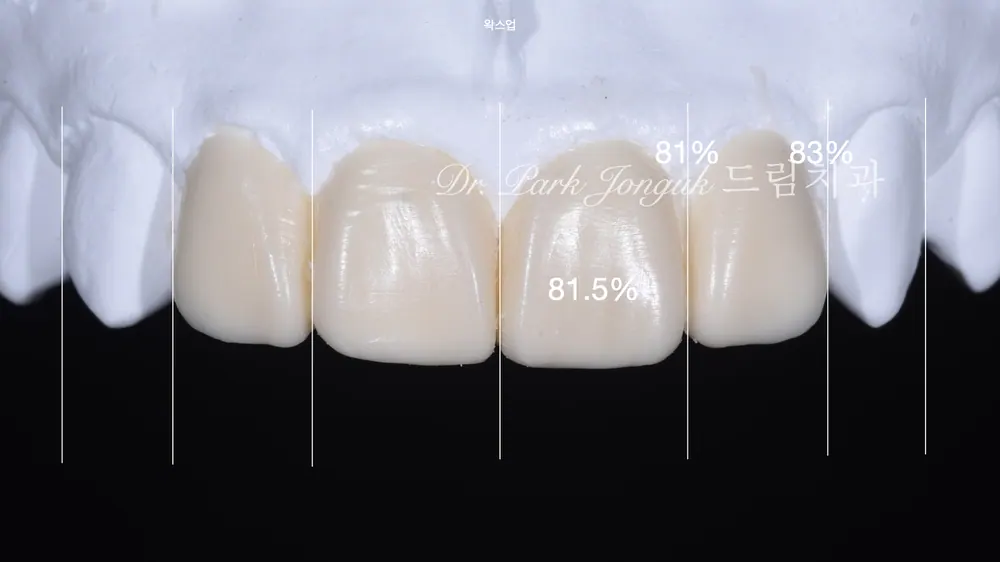
Before treatment, we set a plan for how to proceed.
We decided to change the shape of the tooth,
which didn't suit the patient's face shape at all, into one that would.
What matters in a retreatment case like this is
a precise analysis of the current condition.
Even when retreating an all-ceramic crown or veneer because of a fracture,
you need to accurately understand why the fracture happened and what esthetic aspects need improving,
and proceed with treatment based on that.
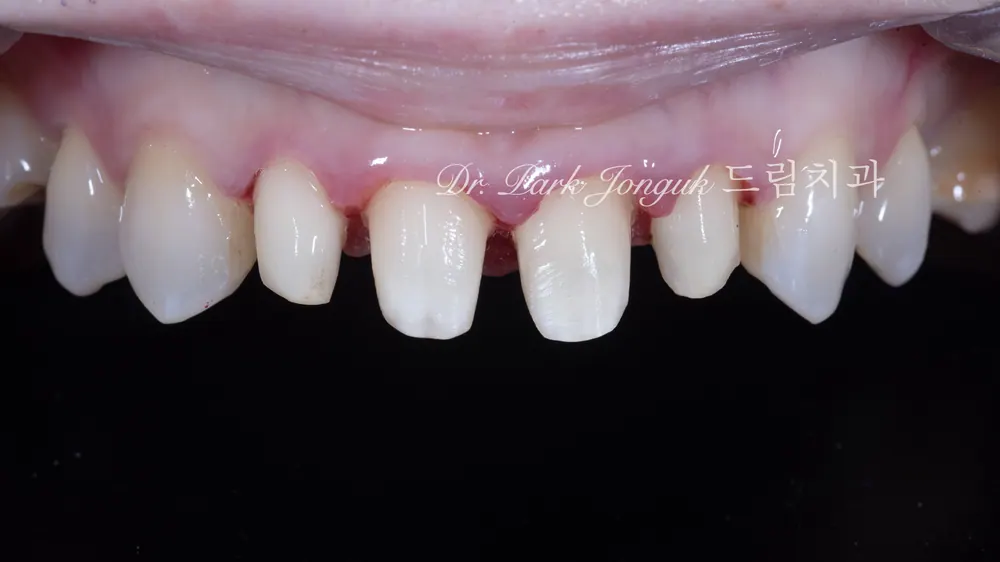
We removed the all-ceramic crown.
Why an all-ceramic crown had been used instead of a veneer
can't be confirmed at this point,
but the tooth had been reduced so much that it was quite a regrettable case.
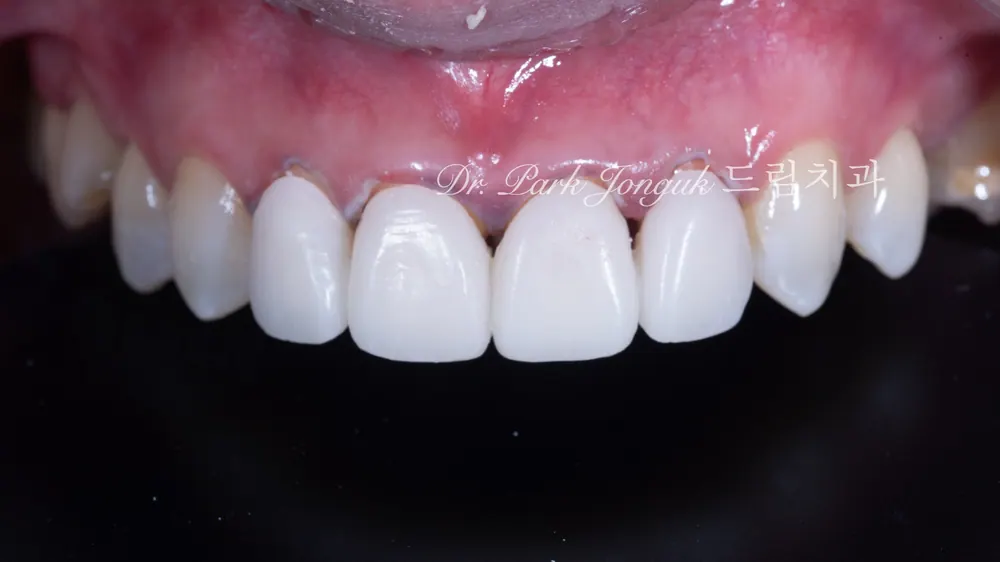
We made temporary teeth,
assessed the shape, proportion, size, and degree of protrusion of the teeth,
and consulted with the patient.
Only once she was happy with the shape of the temporary teeth
did we begin fabricating the all-ceramic crown in ceramic.
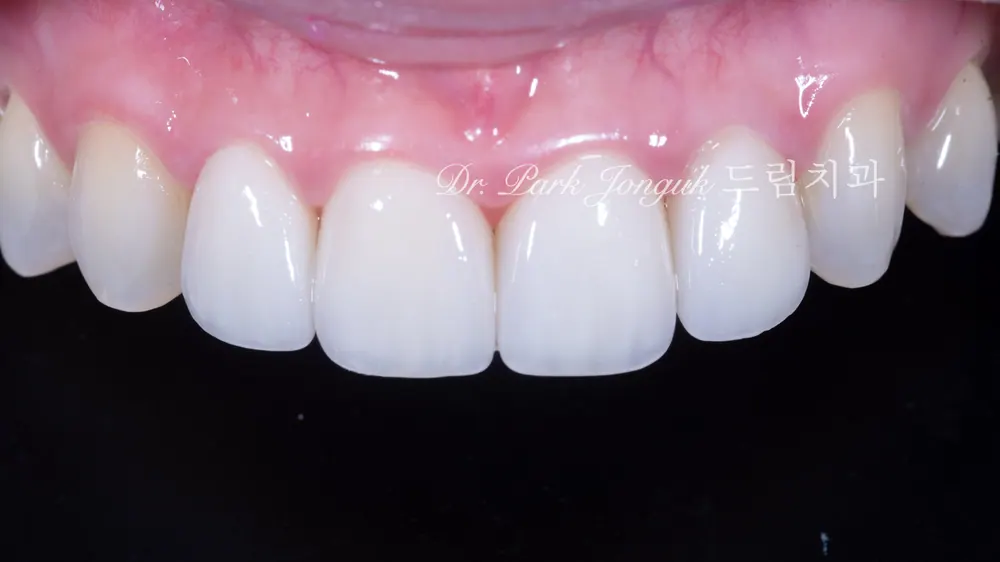
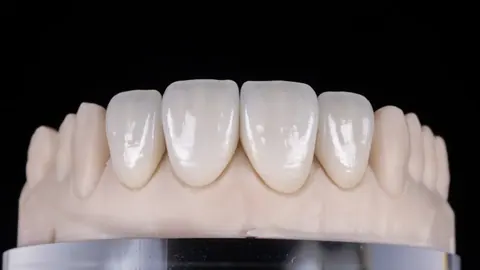
The treatment has been completed.
We gave the tooth color a brighter, more radiant feel,
and brought out as much translucency as possible.
There was a significant change in the shape of the tooth,
since the original shape differed quite a bit from what's typically considered a beautiful shape,
so we designed it with even more attention to detail.
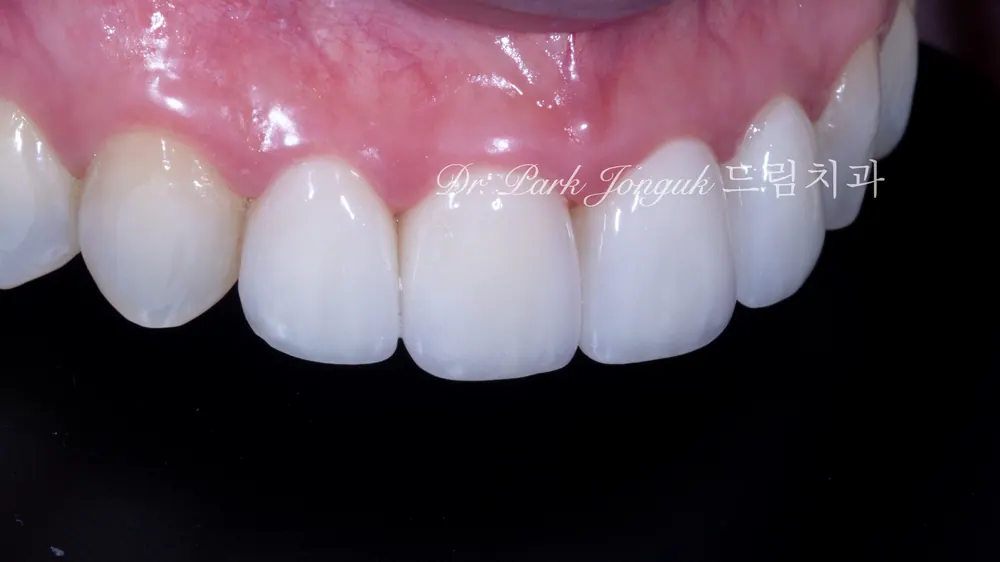
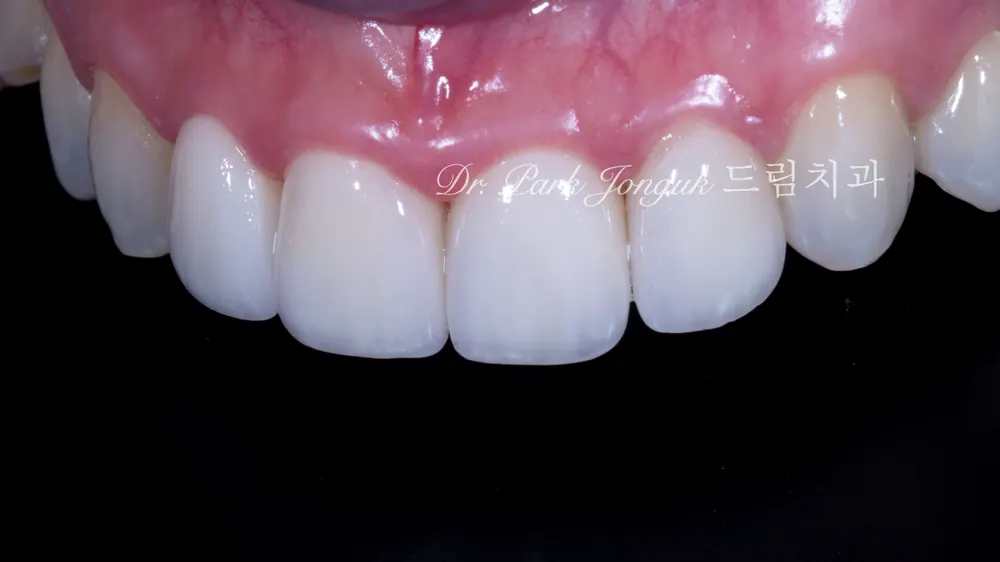
Even viewed from other angles,
the shape, color, and translucency of the tooth
were expressed naturally.
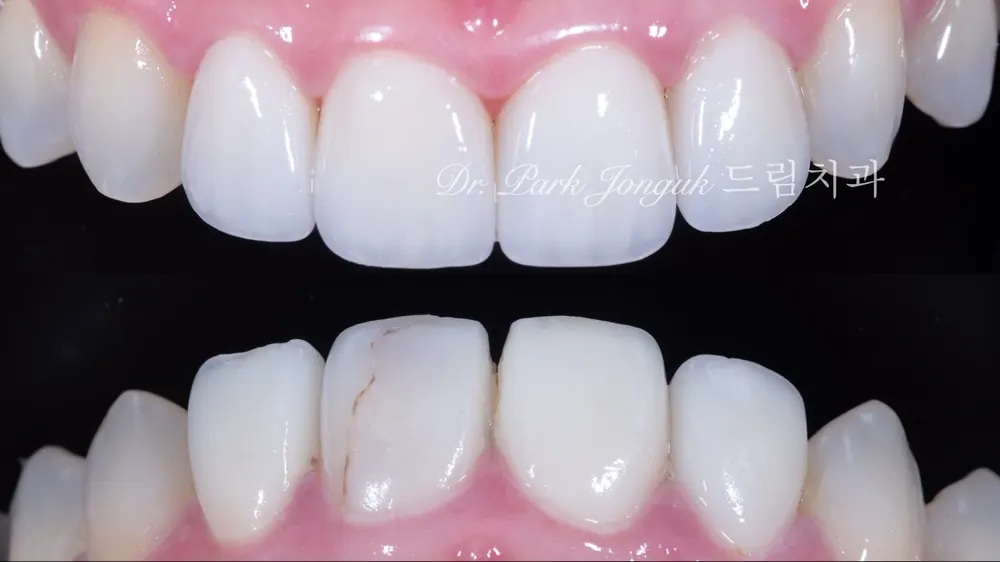
Natural beauty.
Since 2006, Dream Dental Clinic
This article is a clinical note written by Dr. Park Jonguk of Dream Dental Clinic, Gangnam; the original was published on his blog. The photographs shown are real cases he treated. Results vary with each patient’s condition, and every procedure carries the possibility of individual variation and side effects.
Quick Consult
Request a Callback
Leave your number and we will call you back during clinic hours.
Request Received
We will contact you during clinic hours. For urgent matters, please call +82-2-3448-0028.