
A Veneer Specialty Clinic Retreats an All-Ceramic Crown with Dark, Discolored Gums
Hello, I'm Park Jonguk, director of Dream Dental Clinic, a veneer specialty clinic.
Retreating an all-ceramic crown or veneers
is quite challenging.
You've probably heard people who needed revision surgery after eye or nose surgery due to a problem
say it was far harder than the first procedure.
Retreatment at a veneer specialty clinic is always difficult too.
When root canal treatment develops a problem and needs to be redone,
the success rate clearly drops,
and it's the same with implants — when a problem develops and re-placement is needed,
it's quite difficult.
Veneers and all-ceramic crowns are no different.
Depending on the cause, retreatment can sometimes be extremely difficult.
One of those causes is discoloration.
In particular, all-ceramic crowns are often placed on teeth that have had root canal treatment,
and root-canal-treated teeth mostly discolor over time.
When that discolored tooth shows through the gum or the crown,
the gum can look bluish or even black.
Reversing the discoloration of the tooth would be the best way to address the underlying cause,
but that's often not possible.
In particular, when a metal post is inside the tooth, it's mostly impossible.
Let's look at how we treat these kinds of cases.
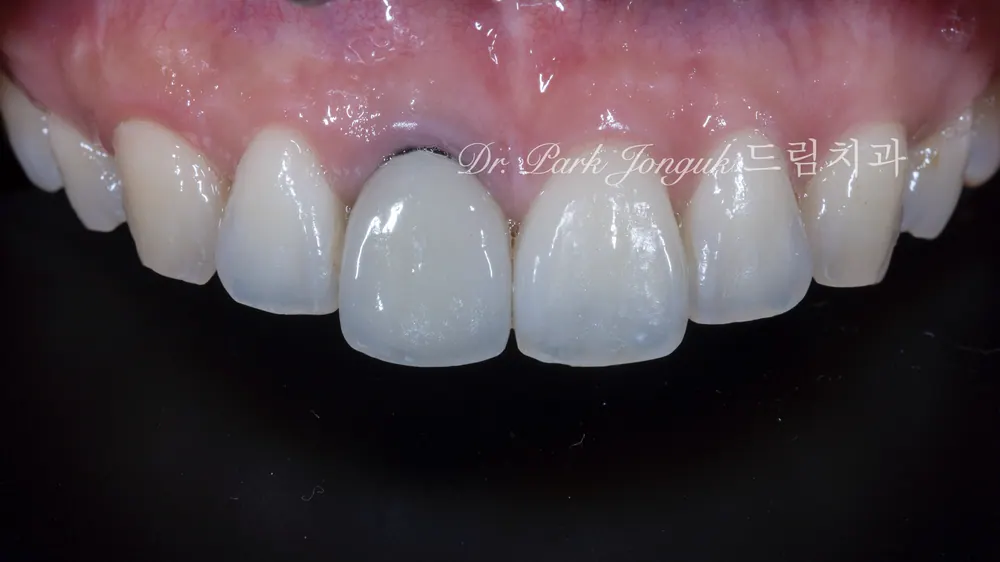
This patient had only one tooth treated with an all-ceramic crown, but
the discoloration had worsened,
leaving the gum looking bluish and the tooth dark,
and with the discolored root of the tooth exposed,
it appeared black.
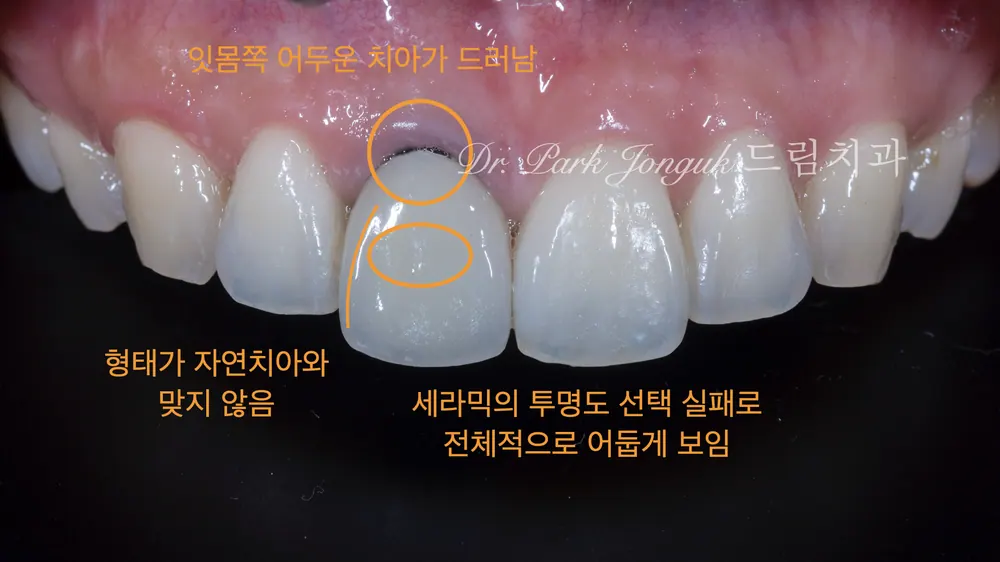
Since the shape and color of the tooth differed considerably from the symmetrical natural tooth,
in order to resolve most of the esthetic problems,
we decided to perform retreatment at our veneer specialty clinic.
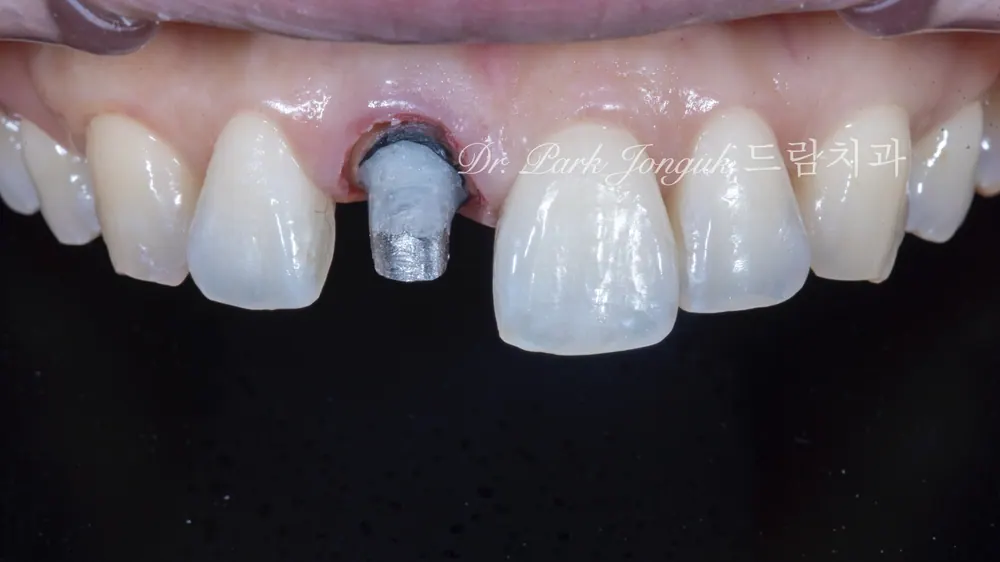
When we removed the crown,
we found a metal post inside the tooth, like this.
As mentioned earlier, in cases like this
it's not possible to brighten the tooth color again.
There's also a method of removing the post and inserting a tooth-colored one instead,
but during that procedure the tooth could split vertically,
which could end up requiring extraction,
so we decided to proceed with treatment in this state instead.
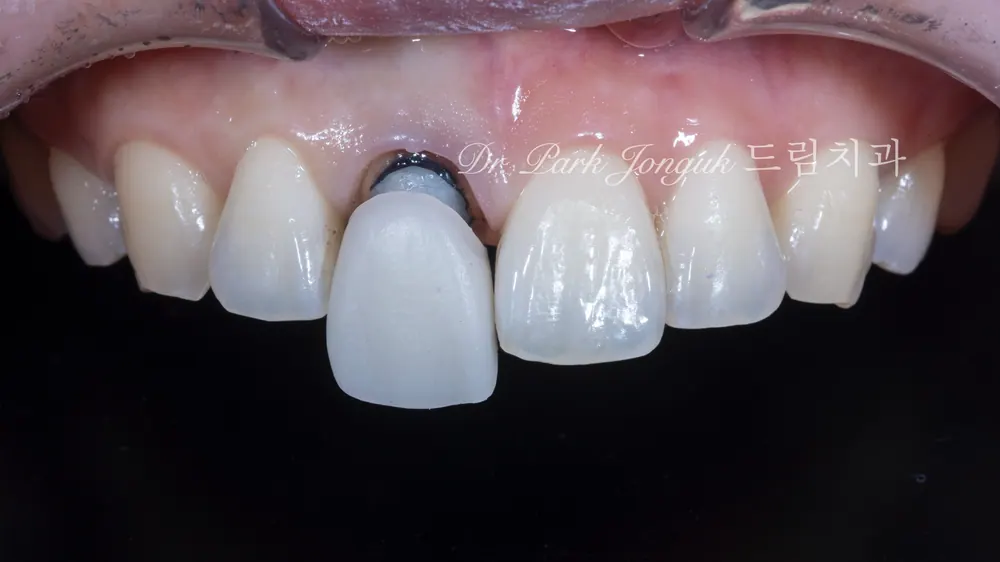
In retreatment cases with this kind of gum-color problem, temporary teeth are what matter most.
By making precise temporary teeth
and using them for a considerable period,
we need to check whether the gum discoloration is well covered,
and also watch for any inflammation developing in the gum during that process.
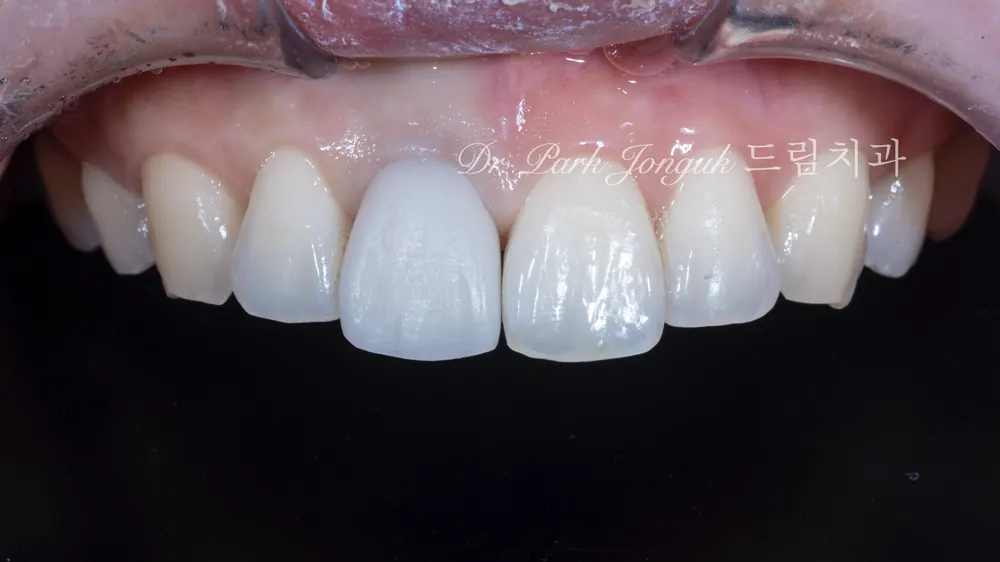
Because they're only temporary teeth, they can't cover the discoloration completely.
While checking for any gum inflammation,
we use zirconia, which can cover the tooth discoloration,
to begin fabricating the all-ceramic crown.
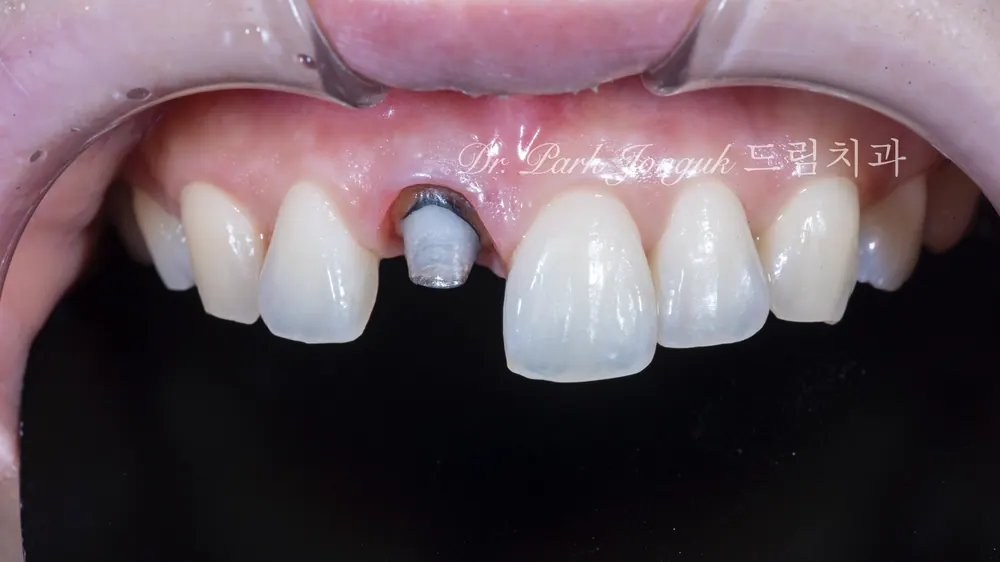
After removing part of the metal post
and confirming that the gum was stable,
we began fabricating the all-ceramic crown.
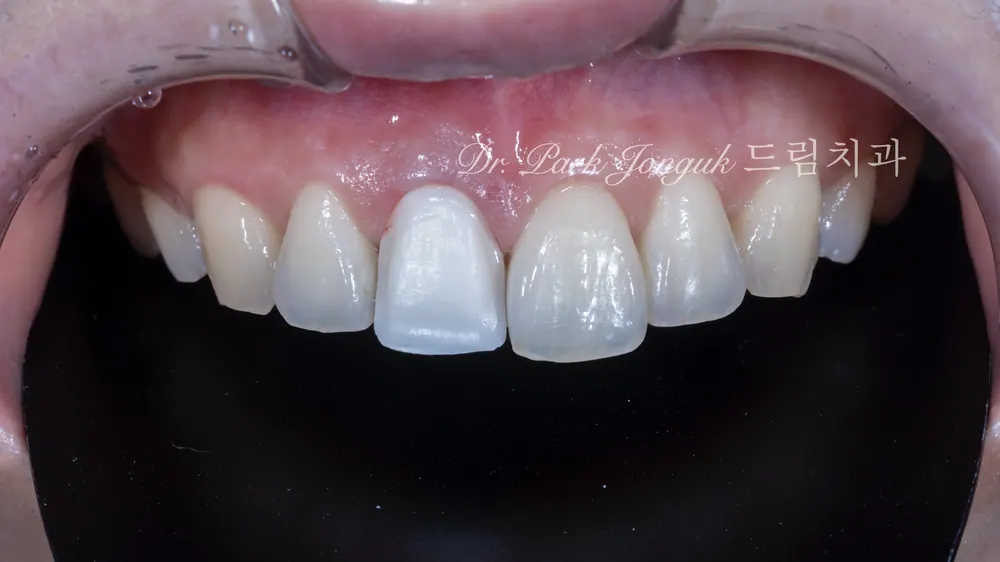
As the core, we use an opaque zirconia
that can cover the discoloration.
A natural tooth expression is then built up on top of this.
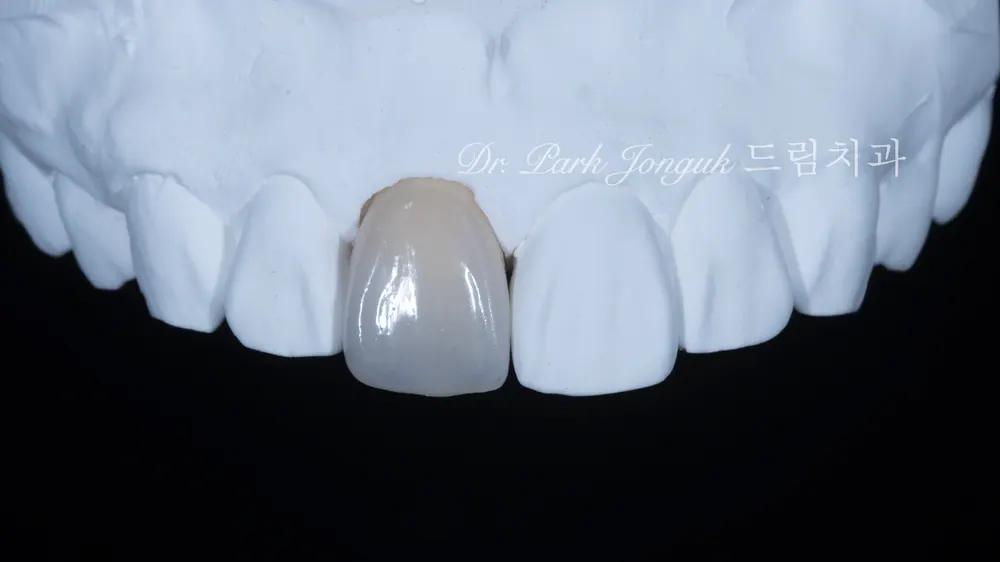
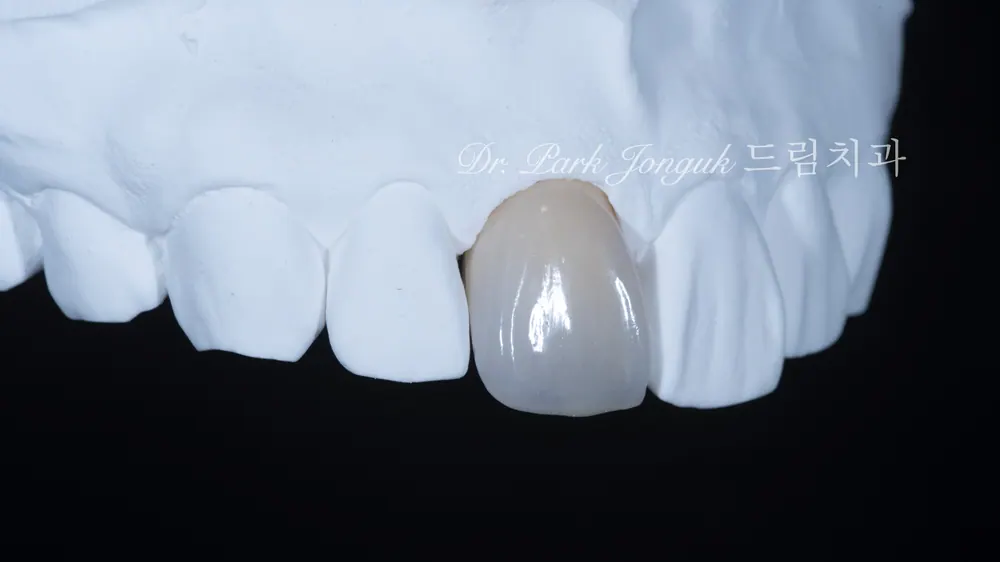
The process of expressing a translucent tooth
on top of this opaque zirconia is called build-up.
It expresses the natural shape and color of the tooth.
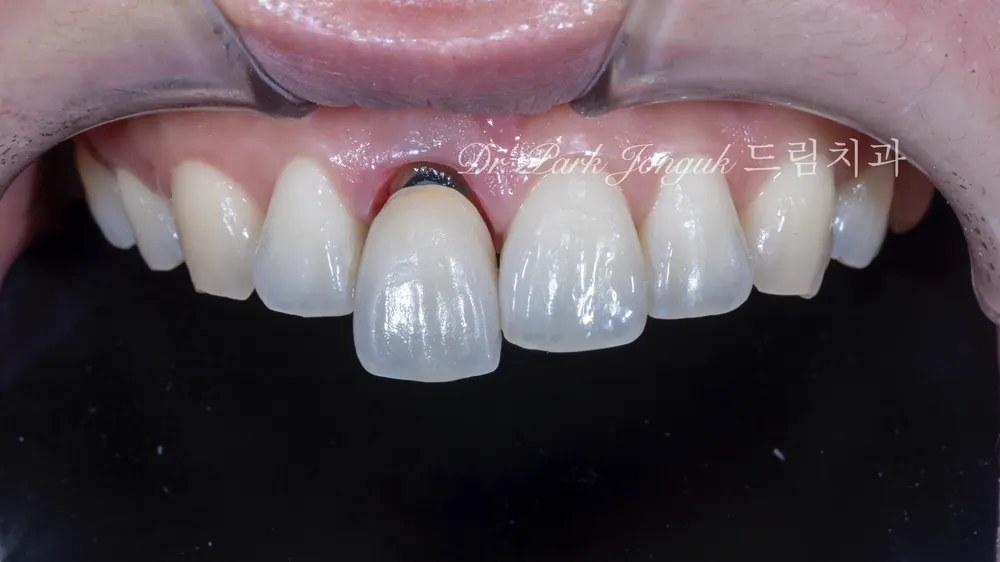
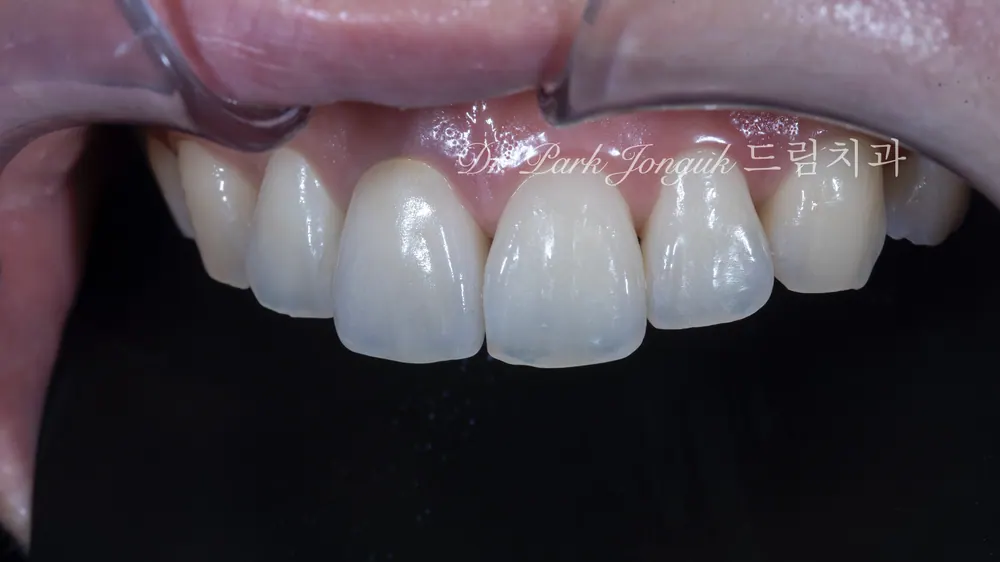
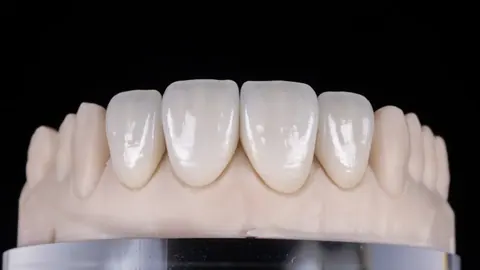
We try in the completed all-ceramic crown.
You can see that the gum became very healthy during the period the temporary teeth were worn.
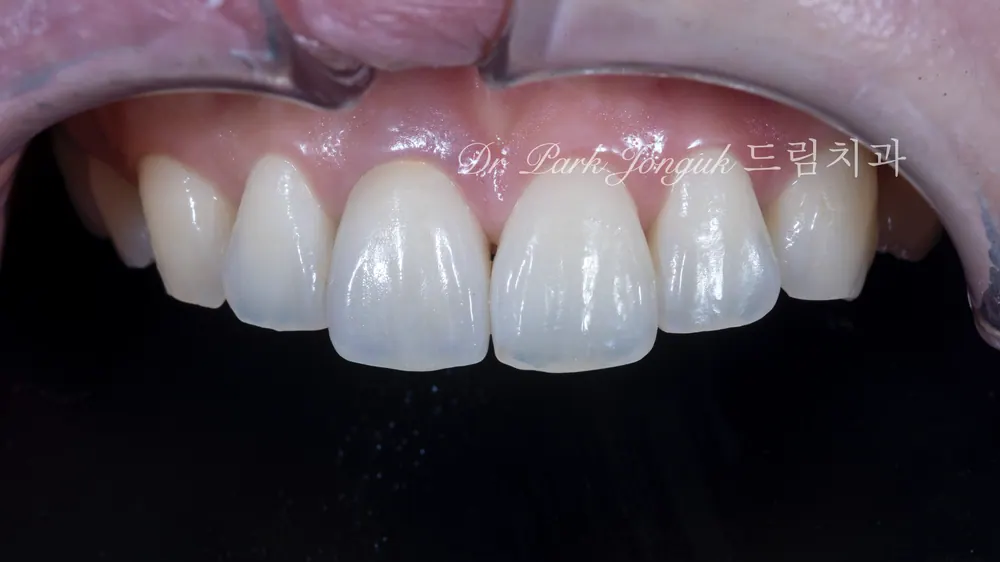
It becomes hard to tell
which tooth is natural and which is the all-ceramic crown,
since the treatment was finished so well.
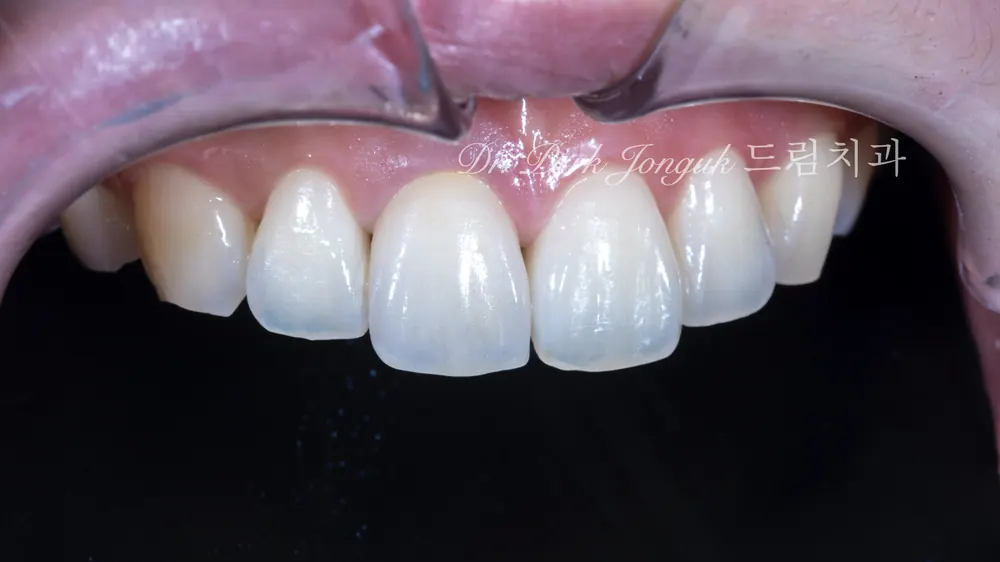
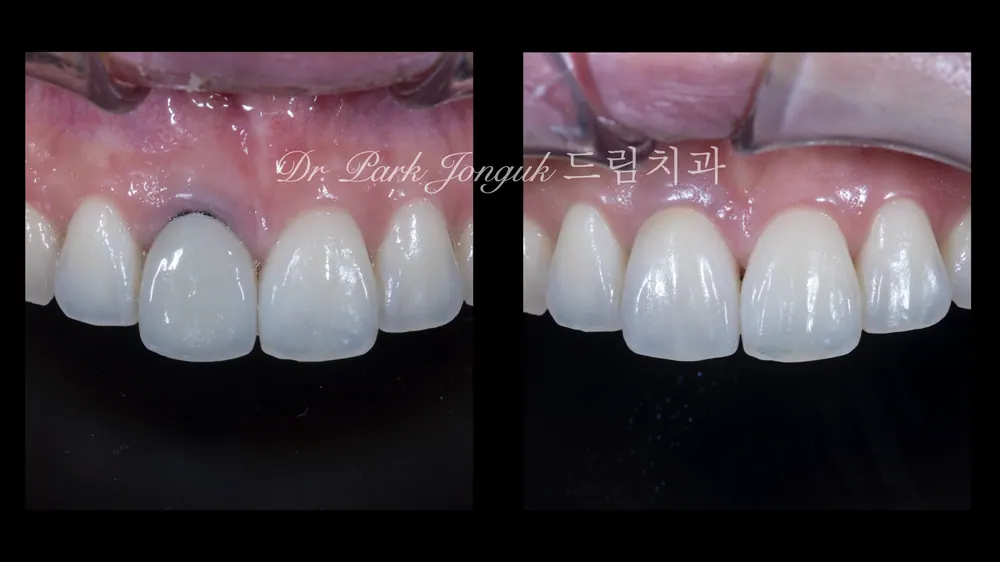
Looking at the before-and-after photos,
you can see just how big the difference is.
Since 2006, Dream Dental Clinic, a veneer specialty clinic
This article is a clinical note written by Dr. Park Jonguk of Dream Dental Clinic, Gangnam; the original was published on his blog. The photographs shown are real cases he treated. Results vary with each patient’s condition, and every procedure carries the possibility of individual variation and side effects.
Quick Consult
Request a Callback
Leave your number and we will call you back during clinic hours.
Request Received
We will contact you during clinic hours. For urgent matters, please call +82-2-3448-0028.