
Can Anyone Get No-Prep Veneers?
Hello, I am Park Jonguk, director of Dream Dental Clinic.
Front-tooth veneer treatment is a dental treatment
used to improve the shape, color, or function of teeth.
A veneer is made of a very thin layer of ceramic,
using translucent porcelain or a reinforced version of that material.
It's bonded onto the tooth to provide a natural look along with strong support.
Depending on how it's fabricated, veneers are divided into multilayer-structure veneers and single-layer-structure veneers.
Please see the link below for that difference.
As described above, achieving a natural feel
requires fabricating a multilayer-structure veneer.
The main purpose of a veneer is to improve the tooth's shape, size, color, and other irregular features,
giving the patient a more natural smile.
What matters most for a natural smile
is naturally the natural-looking tooth itself.
Expressing that naturalness is especially difficult with no-prep veneers.
Because the ceramic itself has to be so thin,
it's hard to build it up as a multilayer structure.
For no-prep veneers, the typical thickness
is usually around 0.1 to 0.7mm,
and fitting a range of expression into that thin a layer
is one of the hallmarks of Dream Dental Clinic.
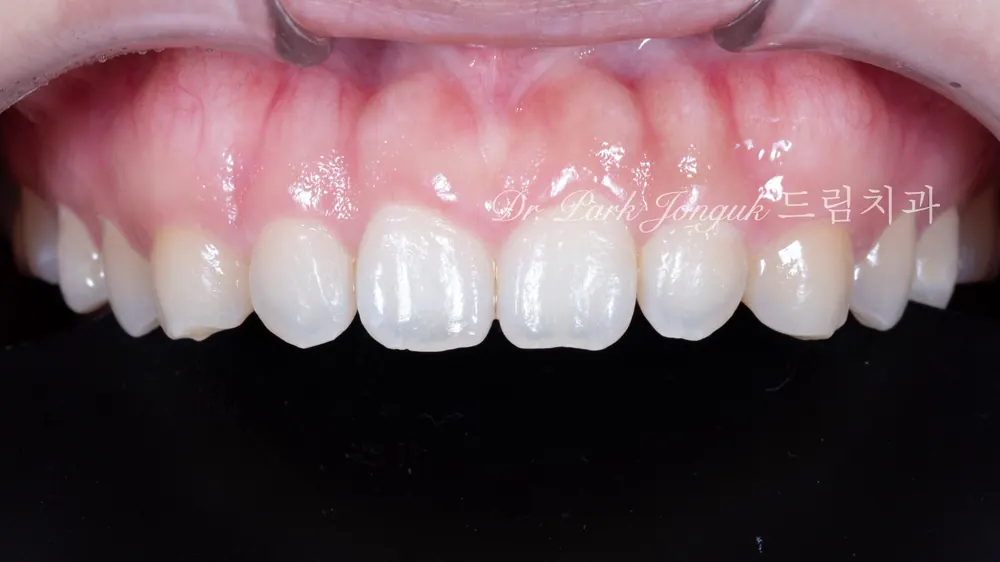
It would be nice if no-prep veneers were possible for every case,
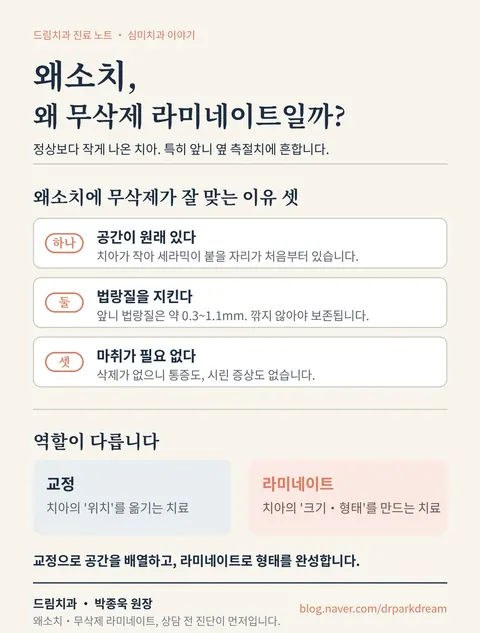
but they're only possible in fairly limited situations.
In most cases, rather than "no-prep,"
"minimal-prep veneer" is the more accurate term.
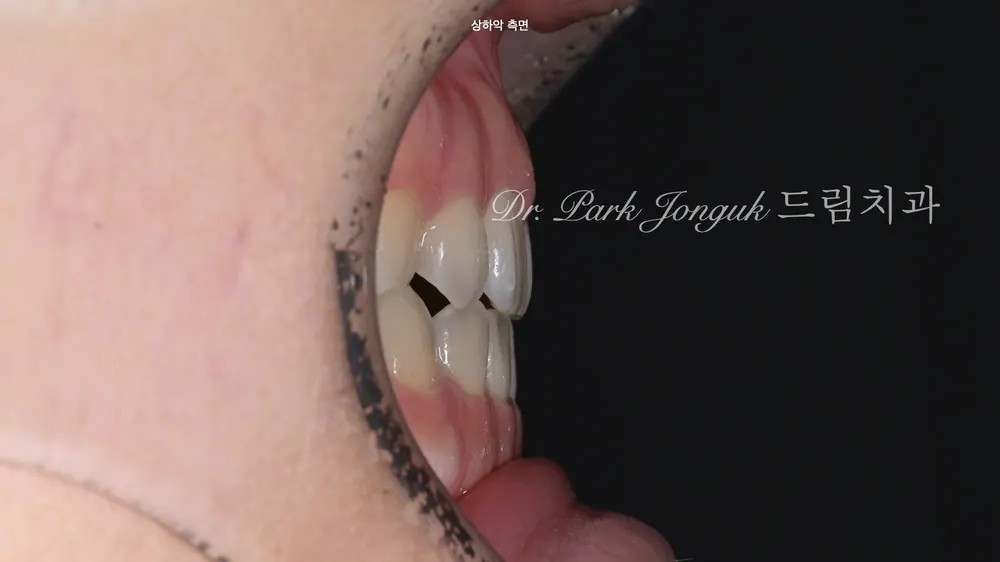
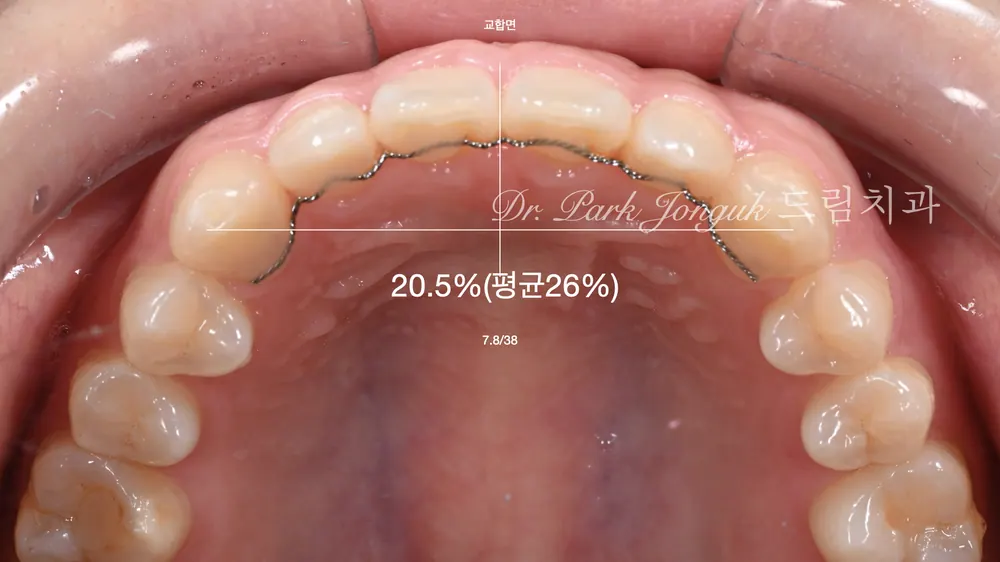
For no-prep veneers to be possible,
1. the teeth need to be small,
2. the alignment needs to be good, and
3. the teeth must not be protruding.
These conditions were largely met here,
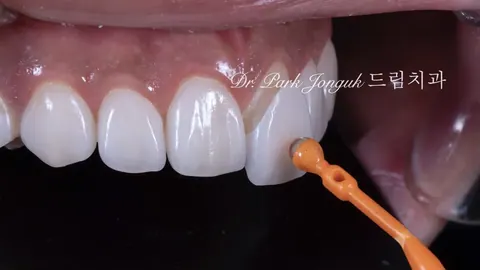
but in this case there were some pointed edges
and a few slightly protruding areas,
so a small amount of reshaping was still needed.
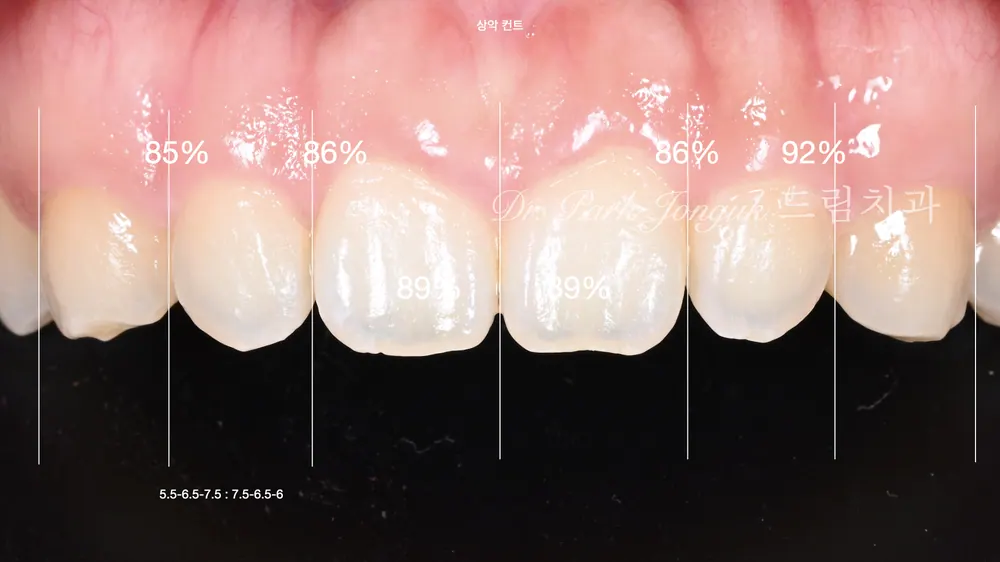
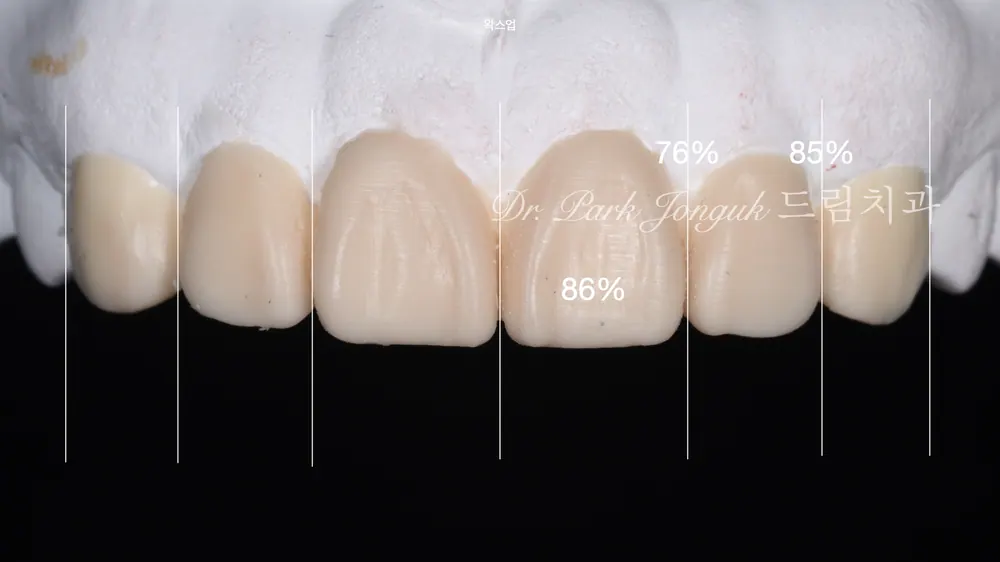
Whether it's a no-prep veneer or not,
a wax-up precision diagnosis is a very important step every time.
Please see the link below for the detailed process.
Using the wax-up from this diagnosis,
temporary teeth need to be made before treatment to discuss the shape.
Sometimes, with no-prep veneers,
clinics skip making temporary teeth altogether,
but temporary teeth serve a bigger role than just protecting the tooth during treatment;
they're mainly there to predict the treatment outcome, discuss it, and decide on the final shape.
Even if the patient won't wear the temporary teeth home,
they should still be made so the expected result can be reviewed.
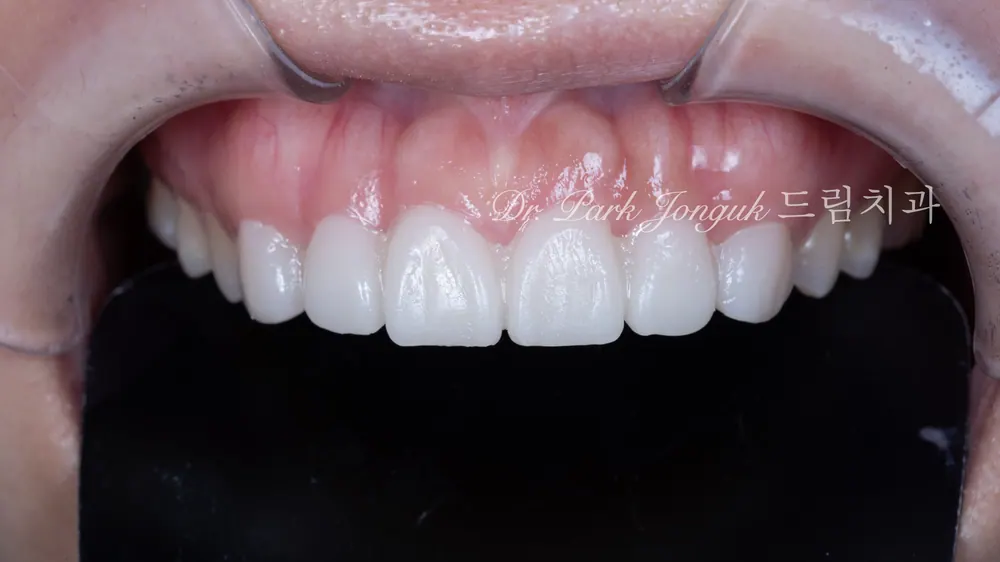
Before doing no-prep veneers,
we discuss the size,
proportions, and alignment with the patient while looking at these shape changes.
In this case, the teeth were short overall,
so the length of the teeth needed to be increased,
and gum contouring was performed for this.
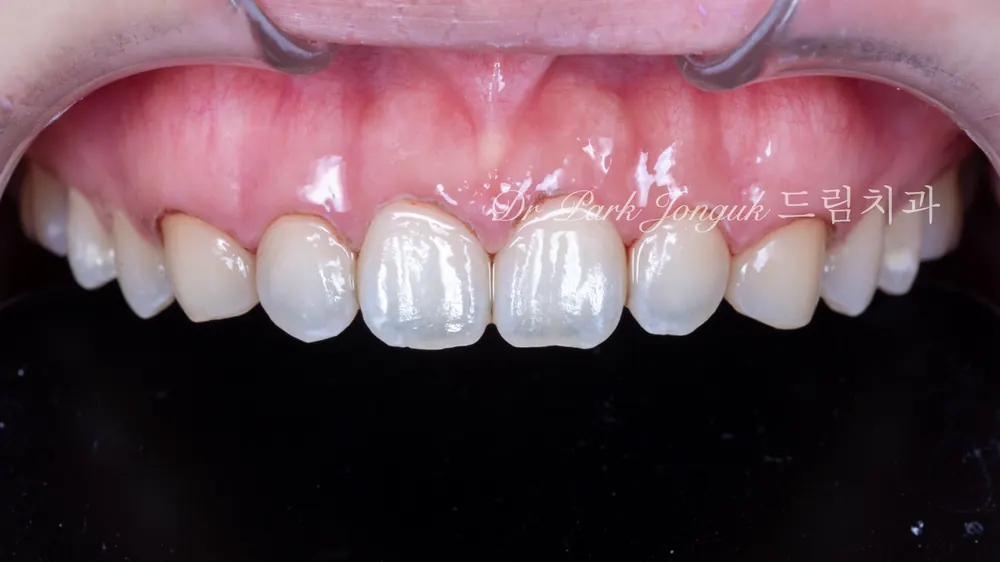
This is how it looked after gum contouring.
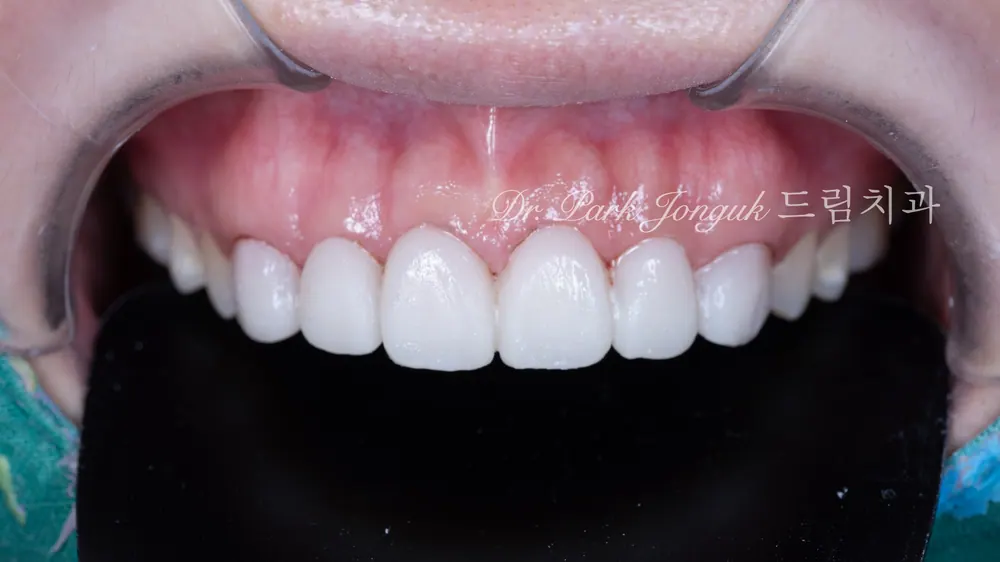
After the gum contouring, temporary teeth were made again
to preview the shape of the teeth after the no-prep veneers.
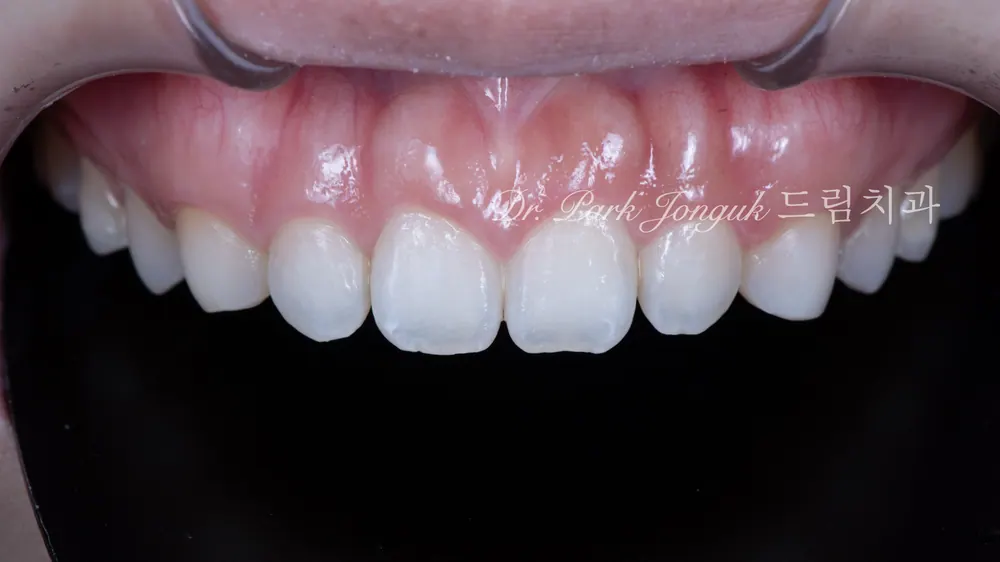
Once the gums had fully healed after the gum contouring,
fabrication of the no-prep veneers began.
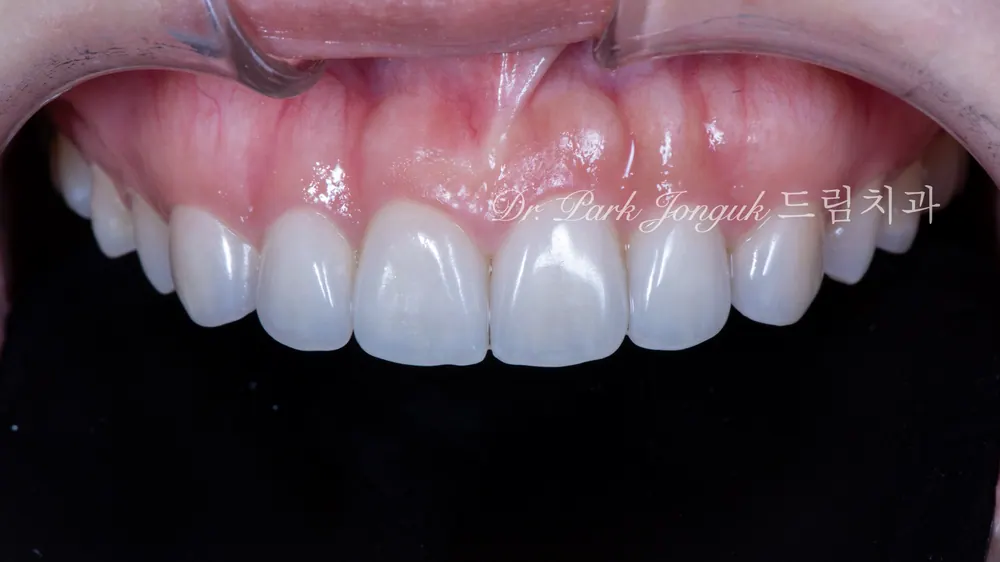
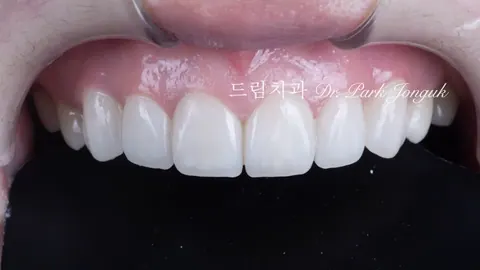
Treatment with no-prep veneers has been completed.
As you can see in the photos, a range of expression has been built into the teeth.
With single-layer-structure veneers,
the teeth can look white and opaque, which comes across as unnatural,
while with multilayer-structure veneers,
the color varies by area of the tooth like this,
and especially with a clear translucent layer at the tip of the tooth,
the teeth end up looking young and beautiful.
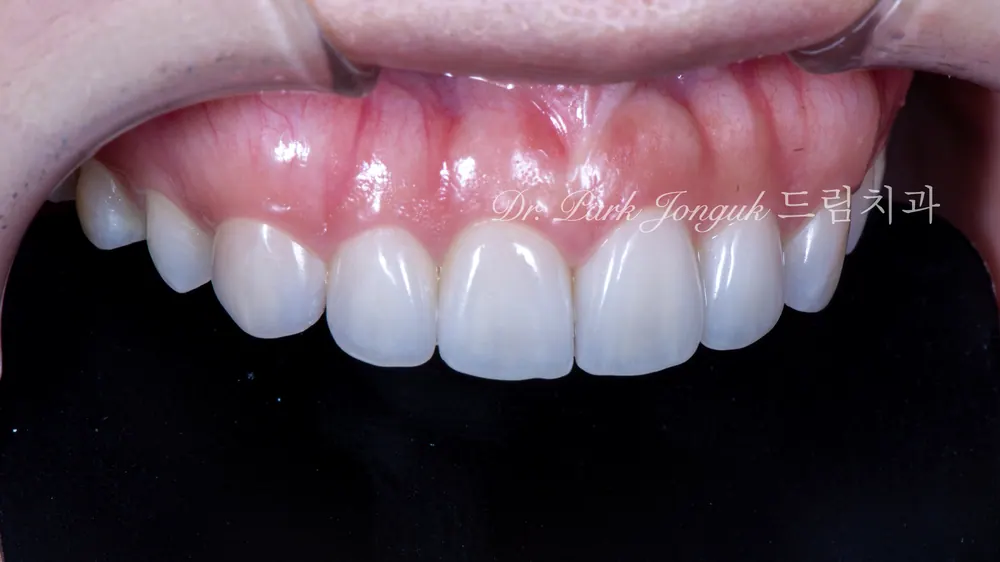
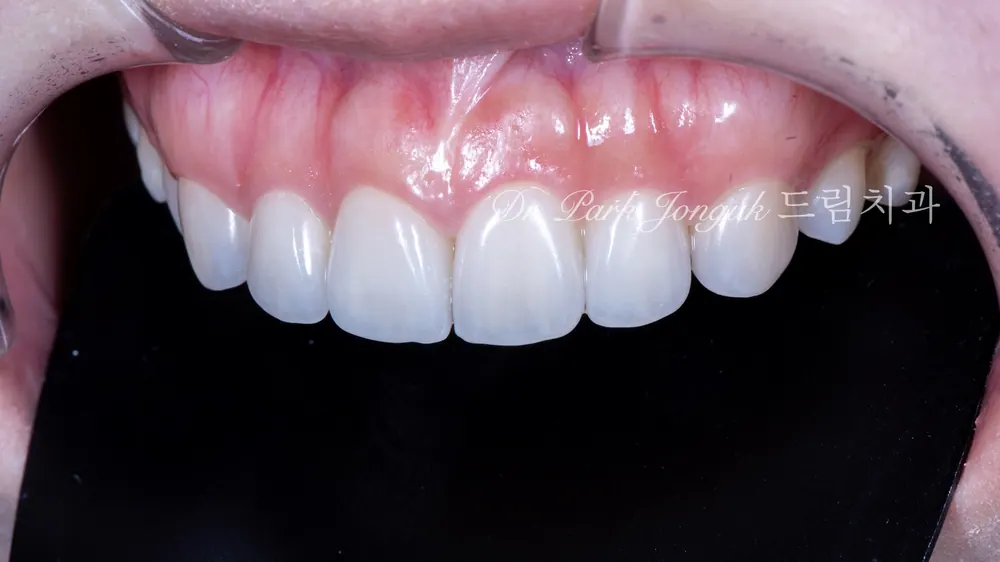
Blending well with the gums,
the no-prep veneers are now complete.
Natural beauty
Since 2006, Dream Dental Clinic
This article is a clinical note written by Dr. Park Jonguk of Dream Dental Clinic, Gangnam; the original was published on his blog. The photographs shown are real cases he treated. Results vary with each patient’s condition, and every procedure carries the possibility of individual variation and side effects.
Quick Consult
Request a Callback
Leave your number and we will call you back during clinic hours.
Request Received
We will contact you during clinic hours. For urgent matters, please call +82-2-3448-0028.