
What Makes a Good Veneer?
Hello, I am Park Jonguk, director of Dream Dental Clinic.
I have been the director of Dream Dental Clinic
near Apgujeong Station since 2006.
I've done veneer treatment from the very start,
so it's now been more than 17 years that I've been treating veneers in Apgujeong-dong.
A clinic that has done veneer treatment in one place for this long
is quite rare.
Because of that, I've encountered a wide variety of cases,
and as a truly large number of cases have accumulated,
I can genuinely feel myself having grown a great deal as well.
There's no standardized treatment or diagnostic method for veneers.
So, based on know-how built up over a long period,
I've established a systematic diagnostic and treatment process,
and I also lecture other dentists on this topic.
With the determination to provide the best possible veneer treatment,
I keep working at it and researching it continuously.
What makes a good veneer?
It probably comes down to no side effects and a beautiful result.
An accurate, thorough diagnosis is essential for there to be no side effects.
1. A veneer with no side effects
Rather than flatly declaring "no side effects,"
"a veneer with fewer side effects" is probably the more accurate way to put it.
Almost no medical treatment is ever entirely free of side effects.
Every treatment ends up with some pros and cons, big or small.
Most side effects begin with the reduction of the tooth.
The less you reduce, wherever possible, the fewer the side effects.
Reducing as little as possible requires a precise diagnostic process.
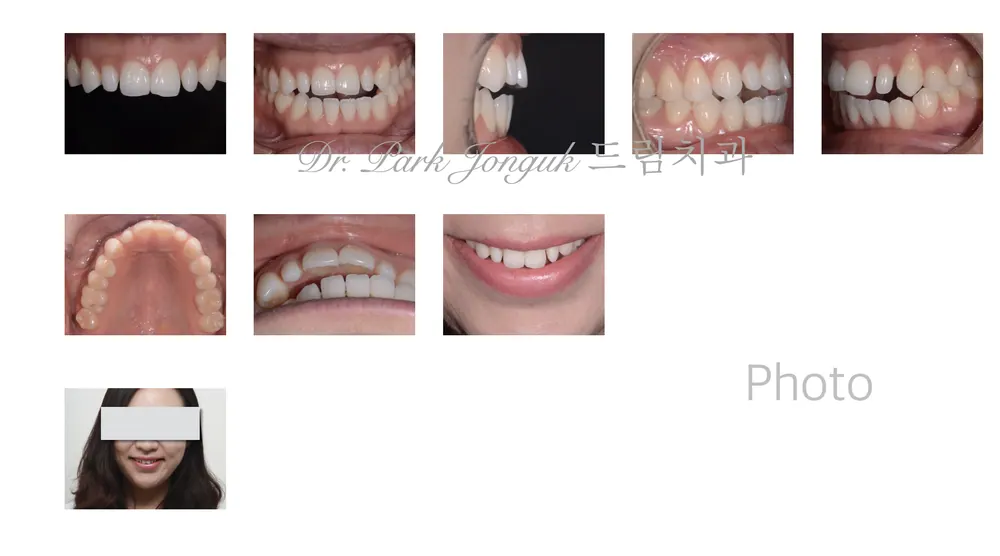
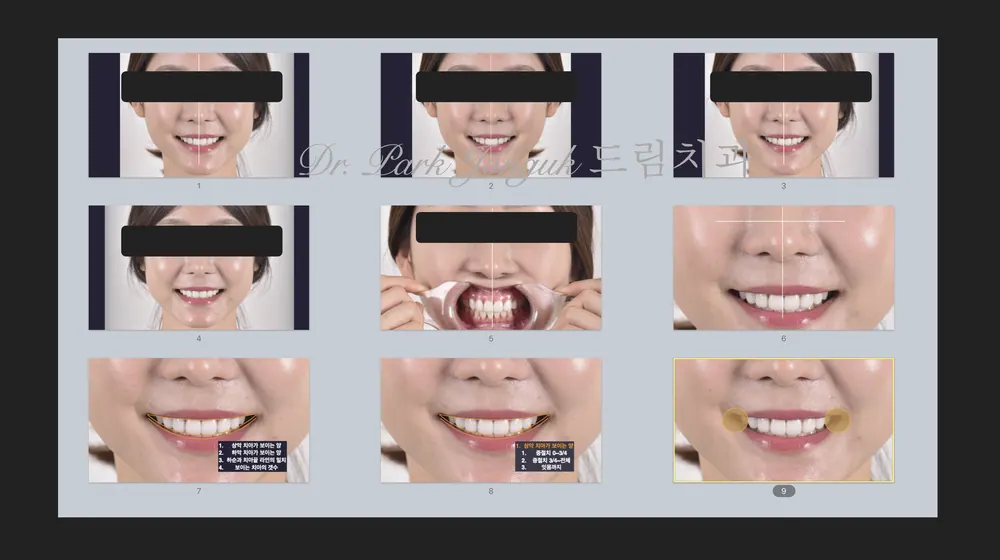
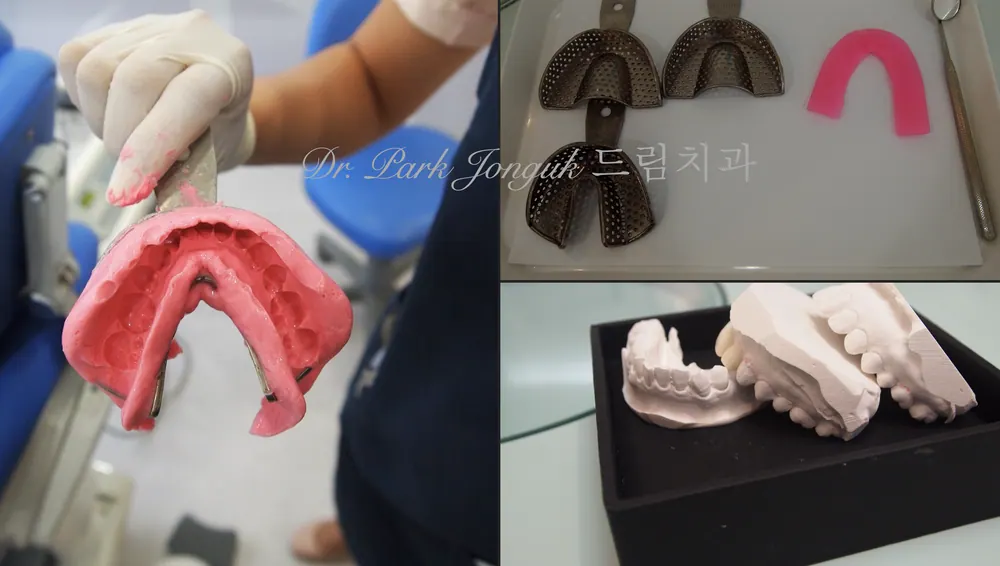
Using a variety of photos and tooth models like this,
we check the current condition of the teeth, the positional relationship between the face and the teeth,
and how much of the teeth show when speaking or smiling.
The relationship between the face and the teeth is essentially the starting point of treatment,
so analysis using facial photos and tooth photos is essential.
Using video of the patient speaking,
we also analyze pronunciation and how much of the teeth show while talking.
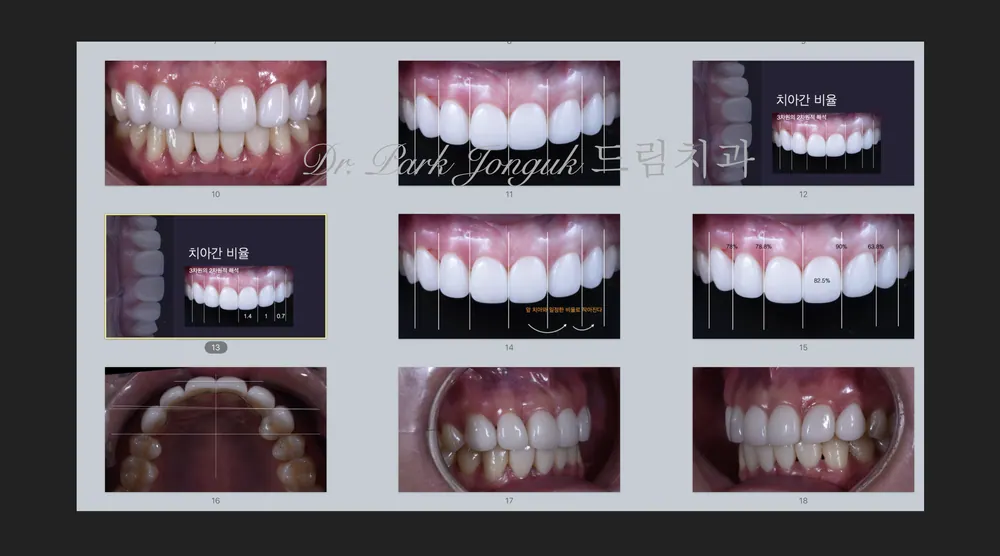
Using tooth models and photos,
we analyze the proportions and size of the teeth.
In particular, analyzing what's called the dental arch, the alignment of the teeth, matters a great deal,
since it significantly affects not just how much the teeth protrude,
but also how much of the teeth show when smiling or talking.
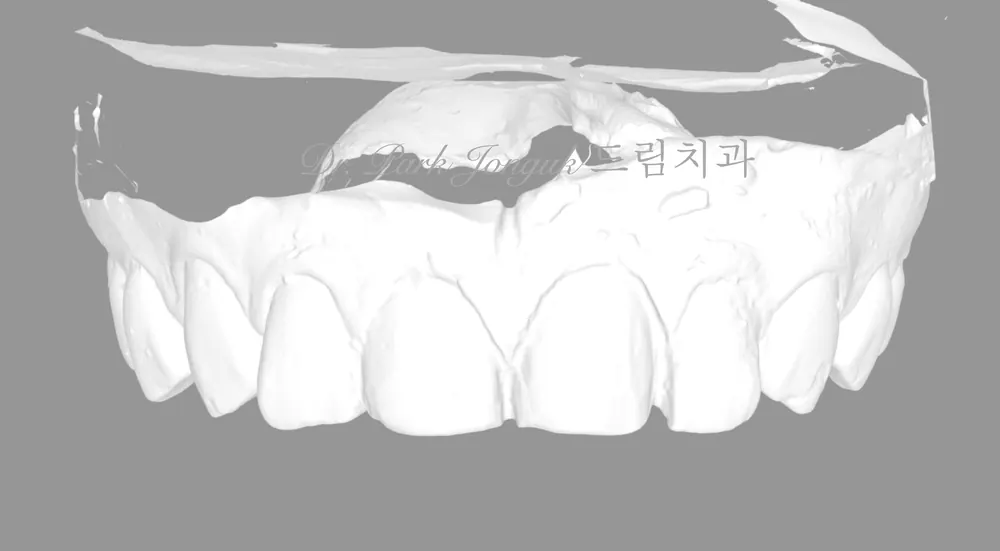
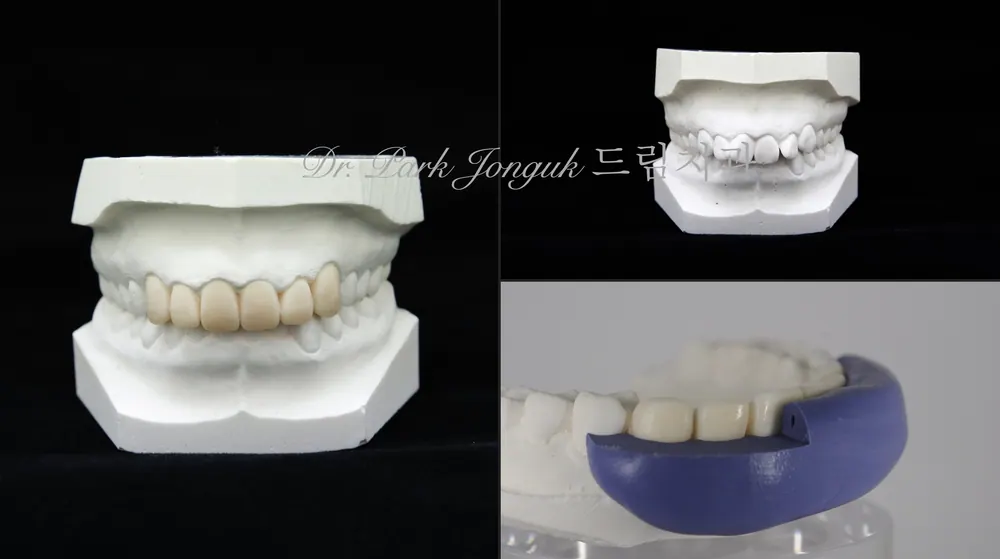
Based on this analyzed data,
once we've decided how to proceed with treatment,
we reduce a plaster model by the expected amount of tooth reduction,
and using wax on top of that,
we simulate the entire treatment process.
Each and every one of these detailed steps
is an important starting point for a good veneer, one with minimal side effects.
2. A natural, beautiful veneer
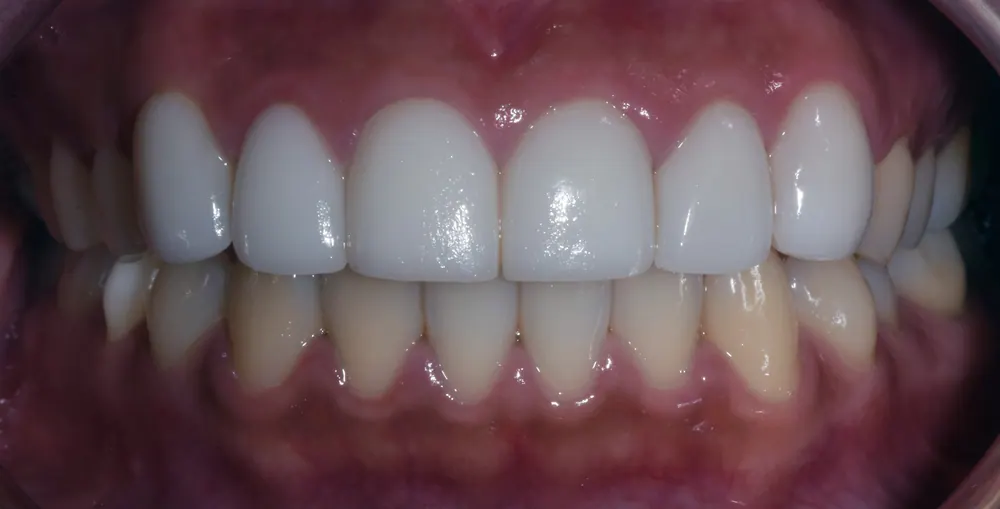
You've probably seen veneers that give off this kind of feeling many times.
Teeth that are white and opaque,
with a shape that's all squared off and looks stifling,
an artificial, unnatural veneer.
A lot of clinics have been doing veneer treatment with this kind of feel lately,
and the reason this result comes out is that it's simple to make.
A natural feel
requires the tooth to have quite a wide range of color and shape,
along with natural translucency and dimension.
To make that happen,
requires a truly long and involved process.
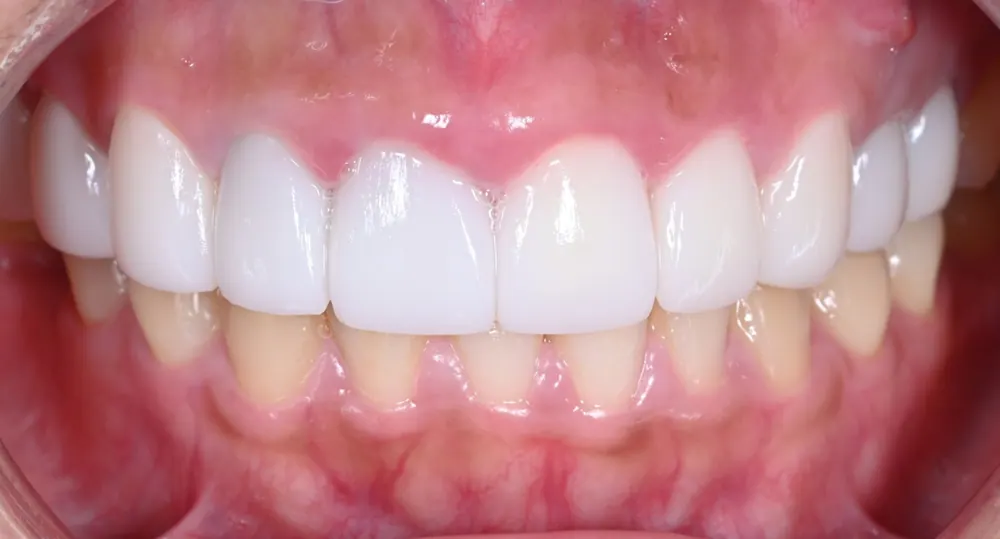
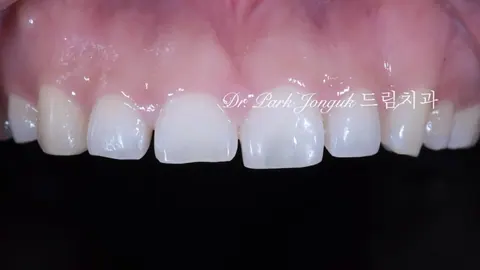
It's the same with teeth like this.
They're just white.
There's no other expression at all,
they're simply made white and solid, filled in.
Is a veneer made this easily and simply really a good veneer?
Since this treatment is aimed at an aesthetic goal,
the result needs to be beautiful.
Of course, beauty involves a lot of subjectivity.
If a veneer with this kind of feel is what you like, there are probably a lot of places that can do it quite cheaply.
The veneer treatment we do at Dream Dental Clinic
has natural beauty as its goal.
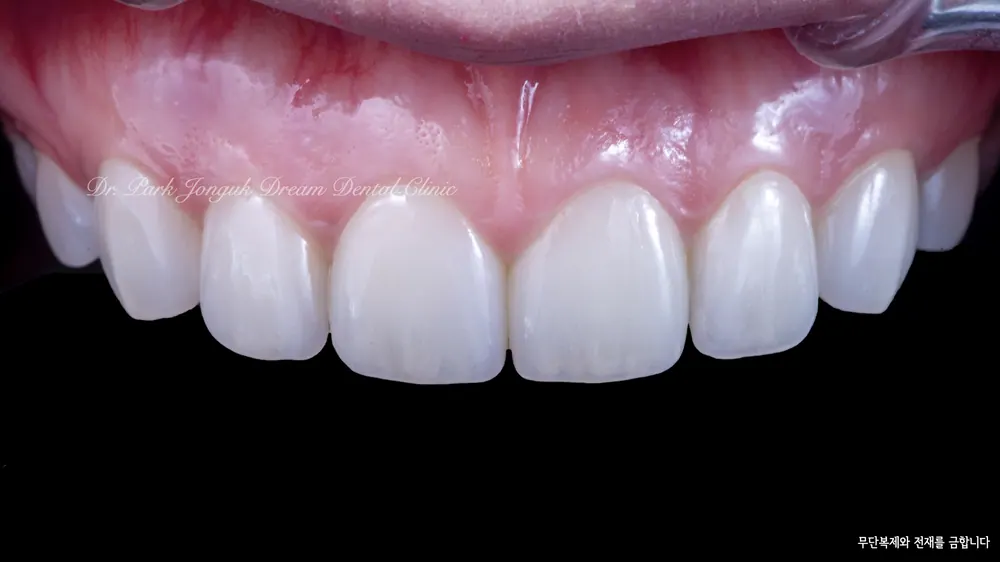
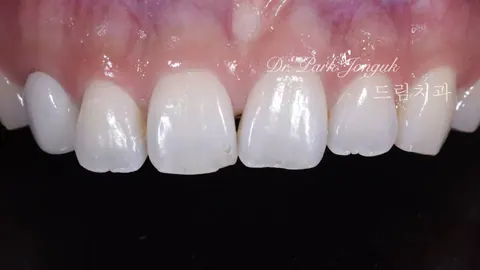
A natural-looking tooth
means all of that natural variety is present.
The color of a tooth varies from area to area,
it has dimension,
and it needs translucency.
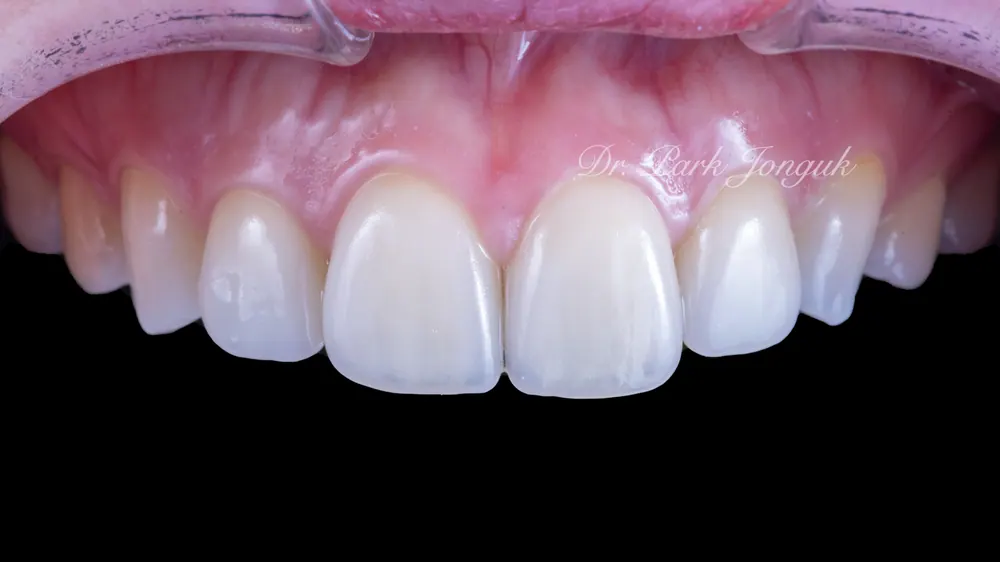
Sometimes a bit of a yellow tint actually looks more natural,
and sometimes you need to find the proportion that suits the patient's face shape.
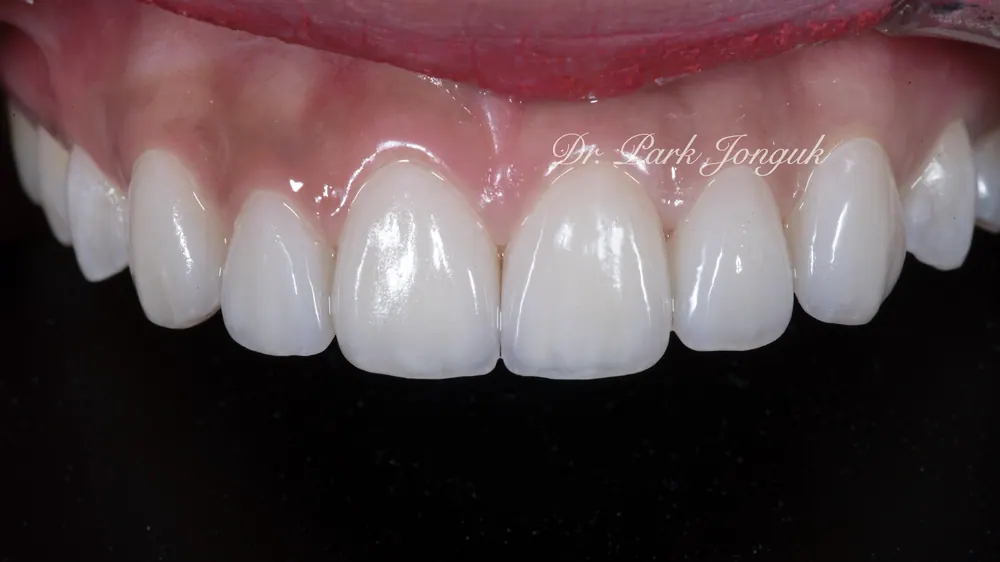
The goal I aim for
is a tooth that even another dentist looking at it
can't tell apart from a natural tooth.
It should look that natural,
while still being beautiful.
Even eye or nose surgery went through a trend of looking obviously done and artificial at one point,
but it always circles back to natural beauty in the end.
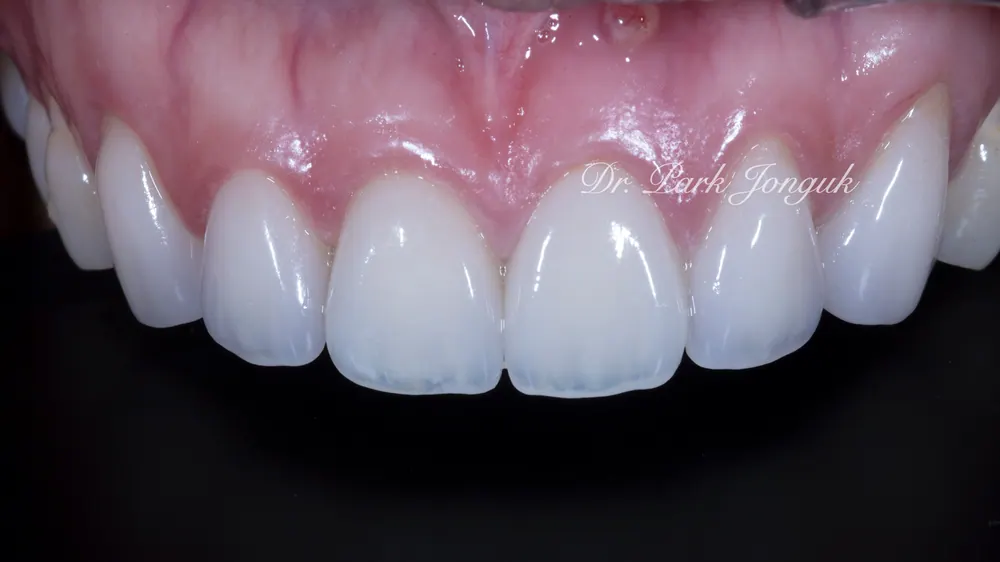
The way translucency is expressed at the tip of a tooth
can really be done in countless different ways.
Of course, to express that kind of translucent area,
it takes a fairly long and demanding process.
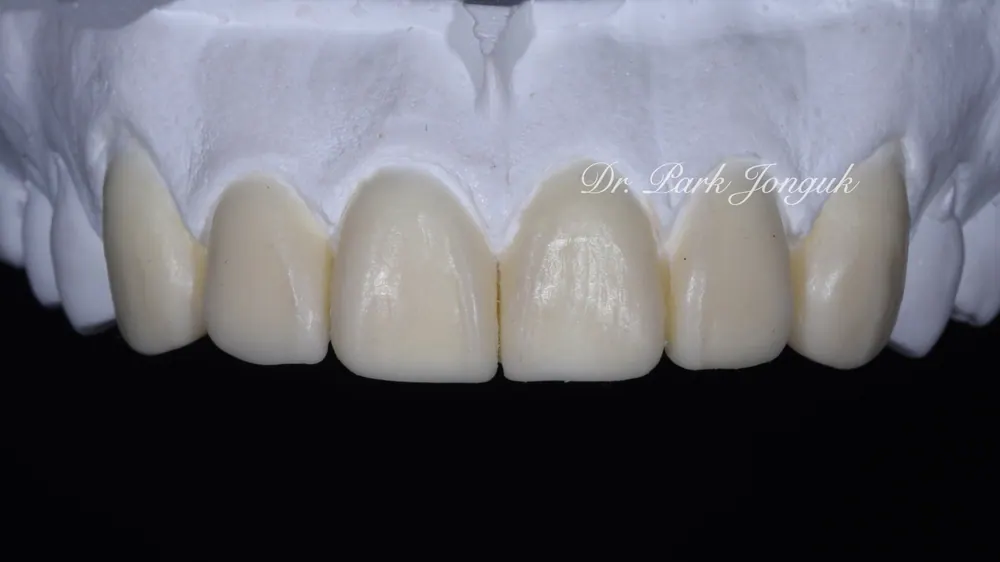
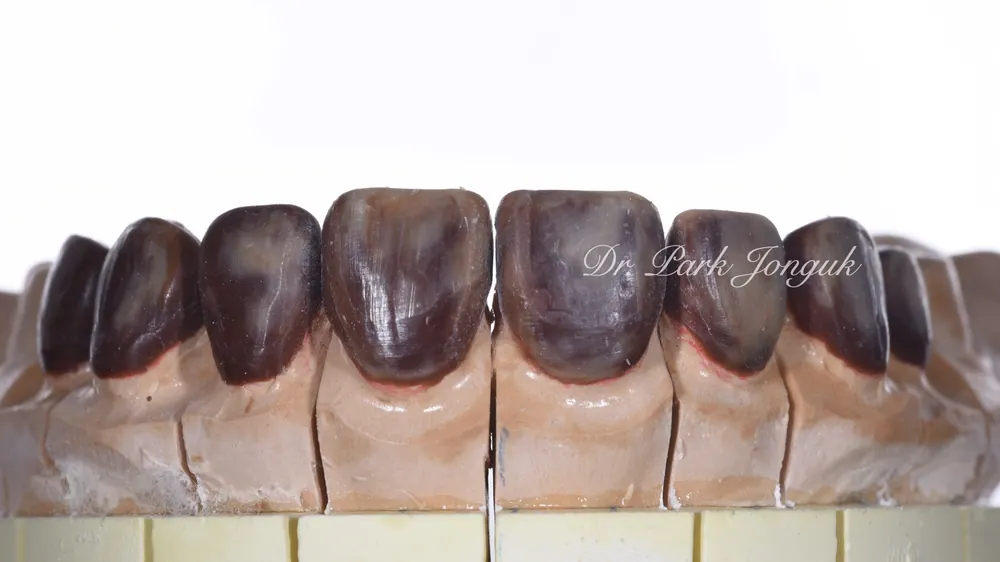
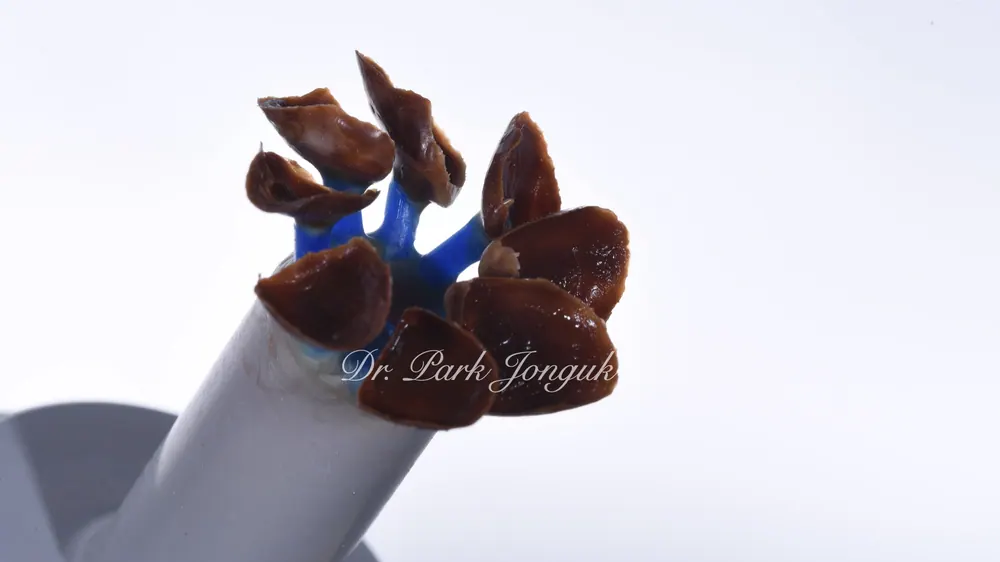
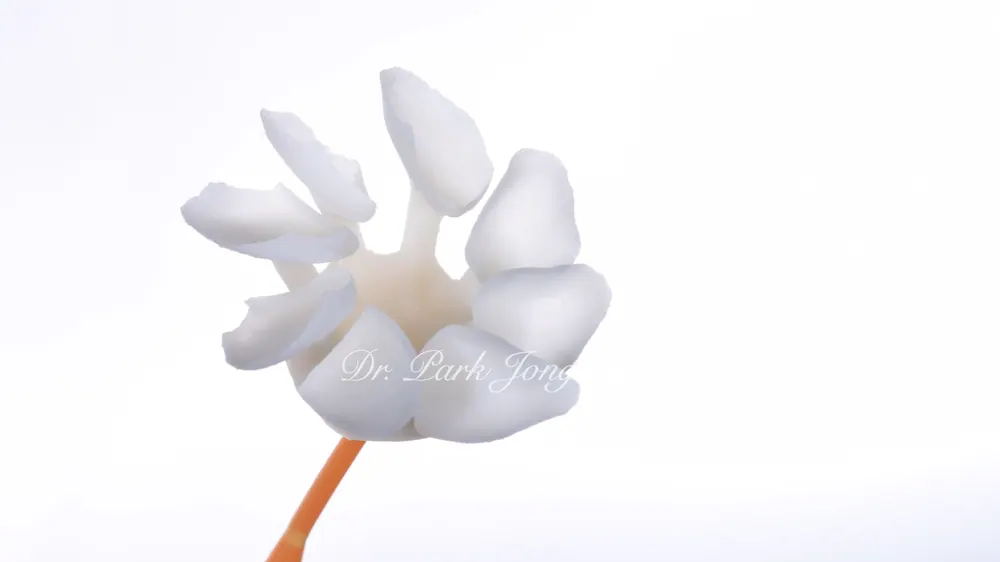
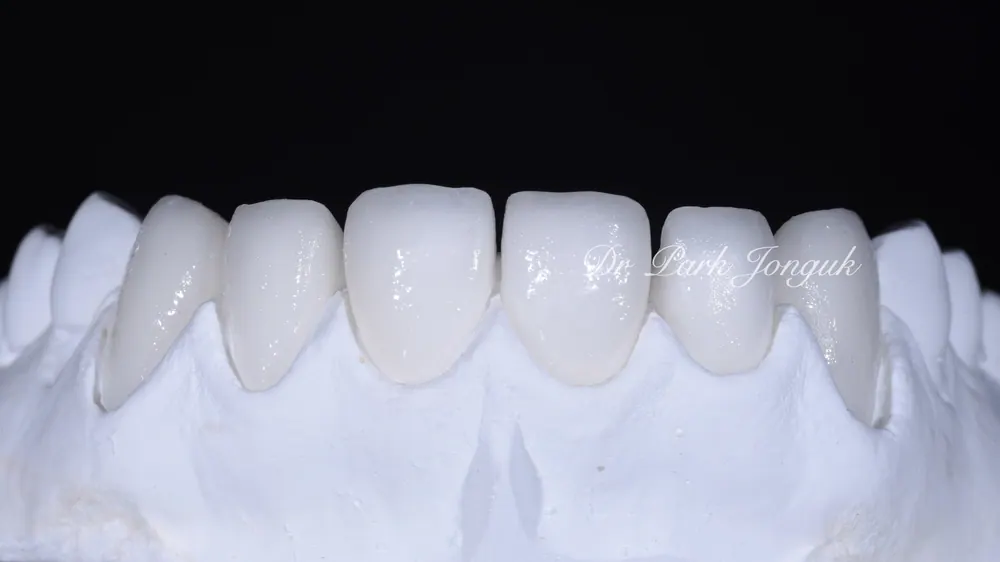
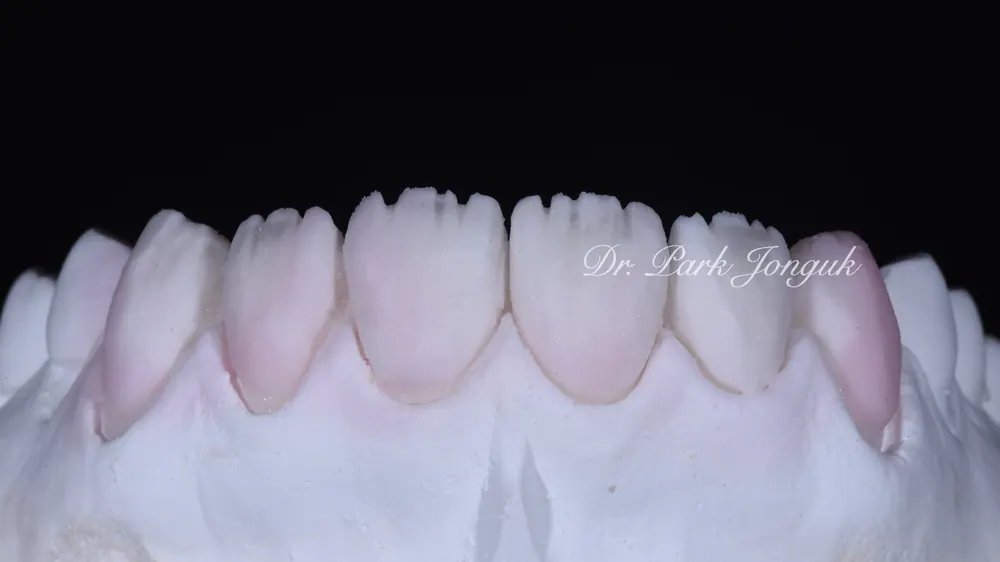
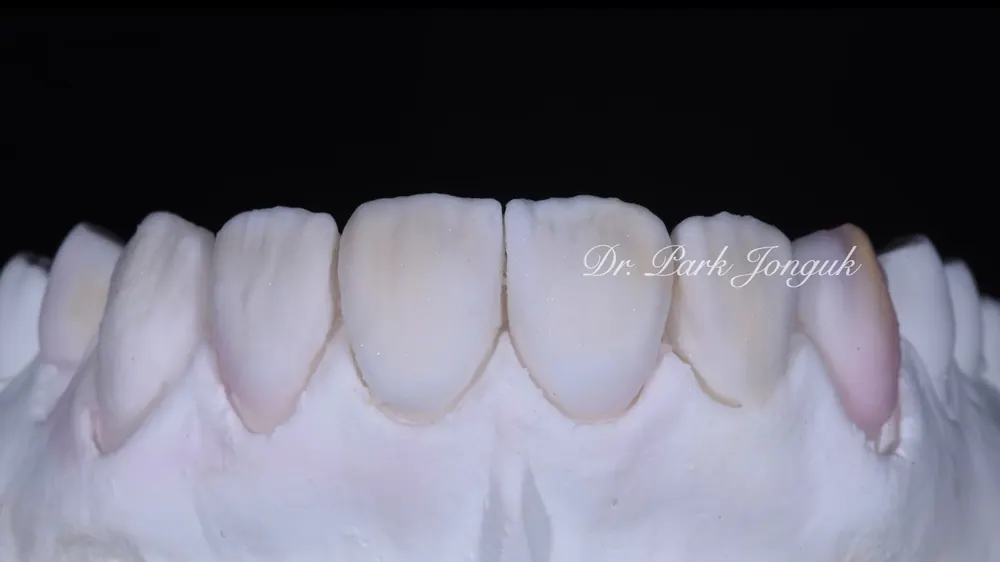
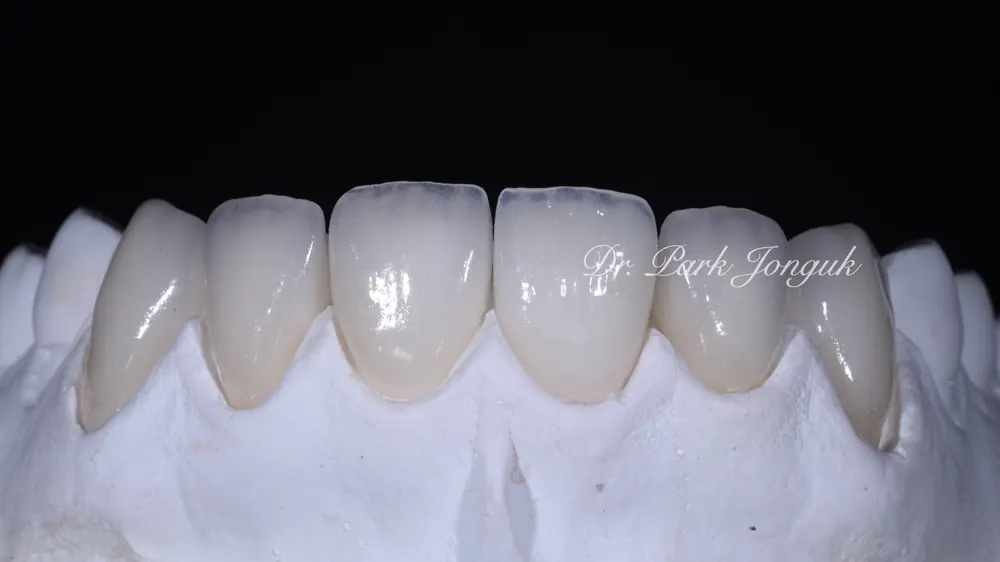
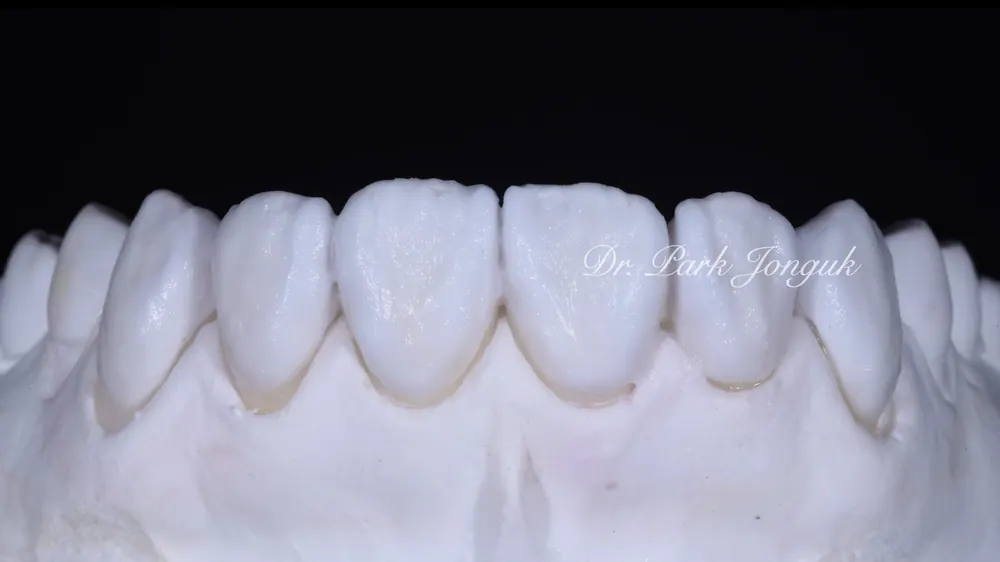
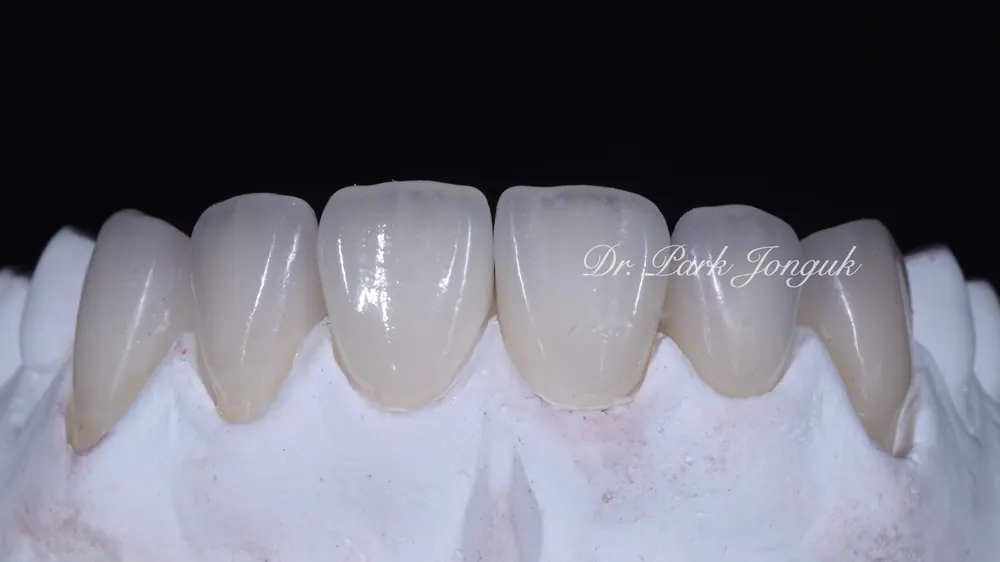
The process of building it up layer by layer
is the same as the process of making the finest quality porcelain.
Each and every step has to go through firing at high heat in a furnace,
just like firing porcelain.
For the translucent layer to come out beautifully, it takes that many more rounds of this process.
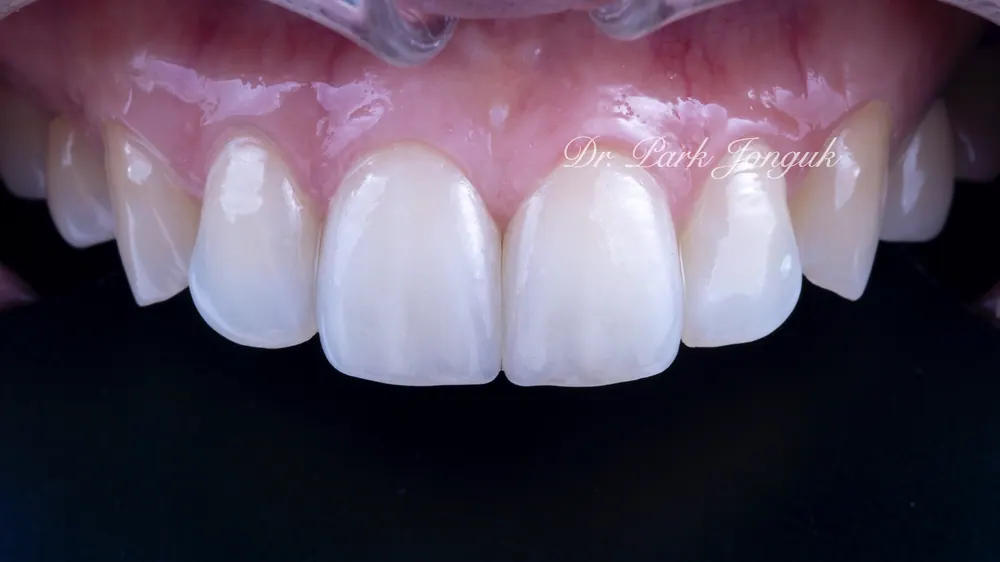
It needs to be hard to tell apart from a natural tooth,
while still keeping the amount of tooth reduction low.
The minimum reduction that lets the tooth become as beautiful as it possibly can,
that's the principle Dream Dental Clinic follows for tooth reduction in veneer treatment.
When I go to give a lecture or attend a seminar,
there's something many fellow dentists say to me.
"It's a relief that there's a dentist in Korea who pursues this kind of aesthetic."
Quite a few people say this to me.
It would honestly be more convenient for me too if veneer treatment were easy, simple, and made in bulk.
Most veneers are made using an easy, fast, mass-production approach,
but I intend to keep striving toward a good veneer, a more aesthetic veneer, the best possible veneer, even if I have to do it alone,
and I'll keep working hard and moving forward toward that.
Natural beauty
Since 2006, Dream Dental Clinic
This article is a clinical note written by Dr. Park Jonguk of Dream Dental Clinic, Gangnam; the original was published on his blog. The photographs shown are real cases he treated. Results vary with each patient’s condition, and every procedure carries the possibility of individual variation and side effects.
Quick Consult
Request a Callback
Leave your number and we will call you back during clinic hours.
Request Received
We will contact you during clinic hours. For urgent matters, please call +82-2-3448-0028.