
Can a Crown and a Veneer Be Matched So Well the Difference Disappears?
Hello, I'm Park Jonguk, DDS, MS, director of Dream Dental Clinic.
Redoing an old all-ceramic crown always comes with unknowns.
Once the crown was removed,
there could be a cavity underneath, or severe discoloration,
or the tooth could turn out to have already been reduced far too much —
in many cases, it's simply hard to predict beforehand.
There's another reason many dentists
tend to avoid doing veneers and all-ceramic crowns on the same patient at the same time.
The ceramic material used for crowns and for veneers is often different,
and even when it's the same, the thickness of the ceramic differs,
and the underlying tooth color differs too,
which makes it very difficult to match the color between the two.
In a way, achieving a perfect match should be considered impossible.
The most realistic goal is to bring them as close together as possible.
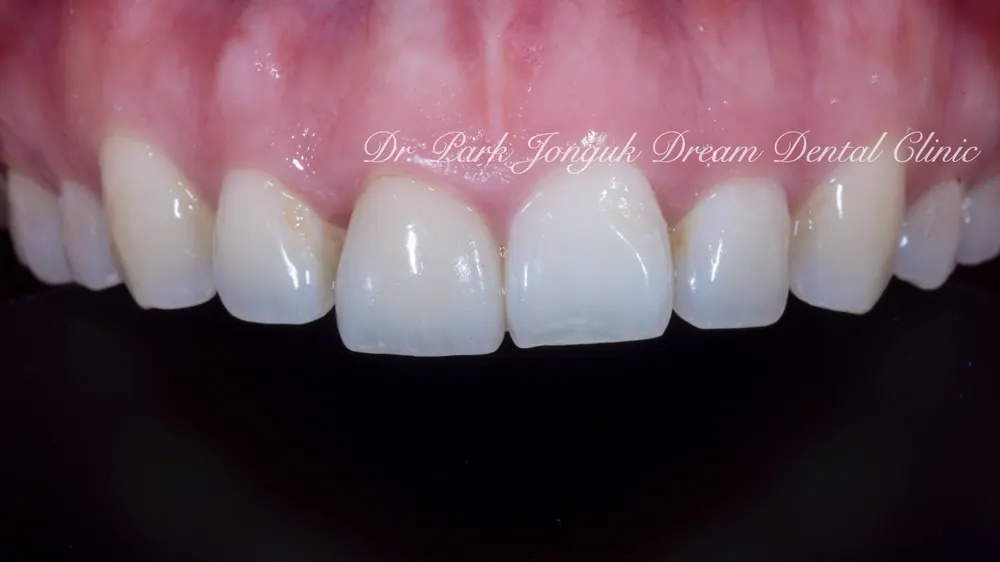
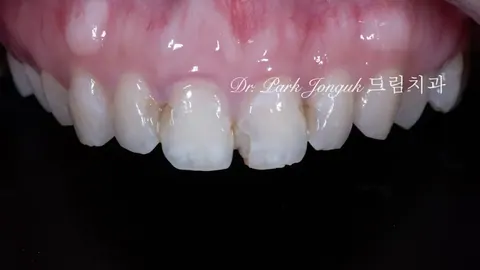
Because of an esthetic problem with her front teeth,
this patient came in for veneer treatment.
She already had a well-done all-ceramic crown.
Since it had been placed a long time ago, we planned to redo it
while also doing veneers on the other teeth.
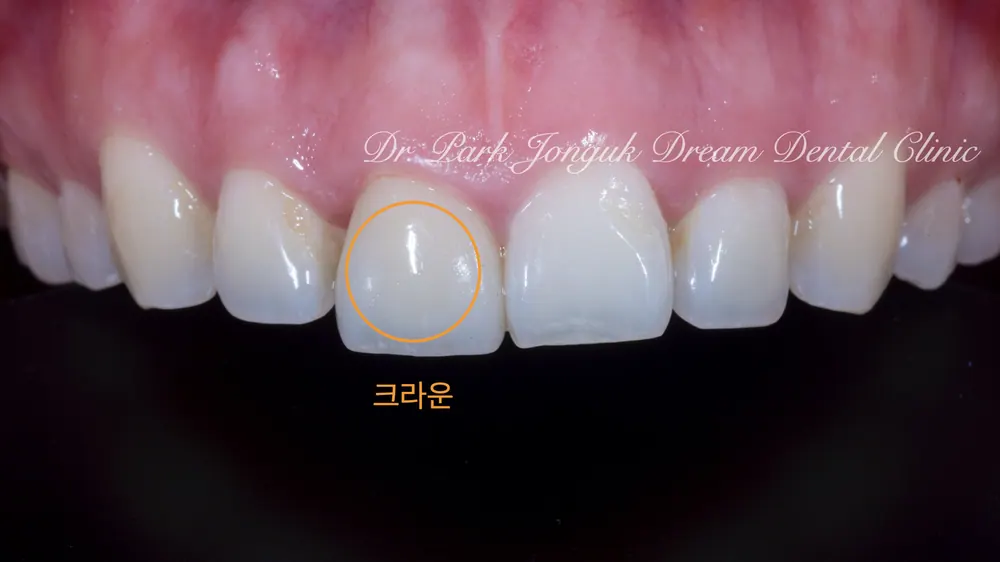
Since the crown had been made to blend with the natural teeth as they were at the time,
once new veneer treatment was done,
the crown would also need to match the new veneers well.
This is where the problem begins.
All-ceramic crowns are mostly made of zirconia.
Veneers are made from materials called e.max or feldspathic ceramic,
and each type of ceramic responds to light differently.
That means they can look different depending on the light source.
They might look identical right there in the clinic,
but look different once a photo is taken,
or look fine in the living room but different under bathroom lighting —
there are all kinds of variables involved.
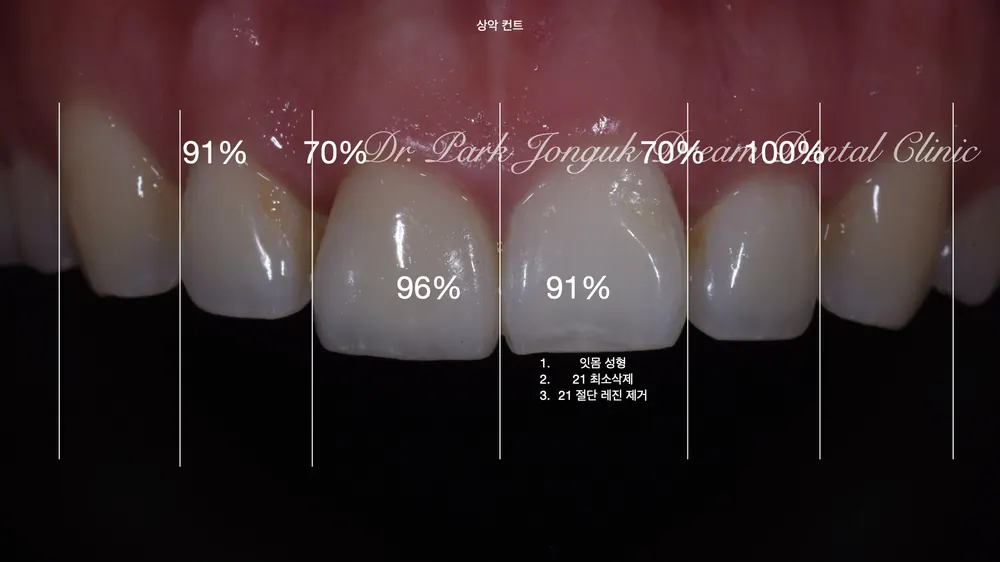
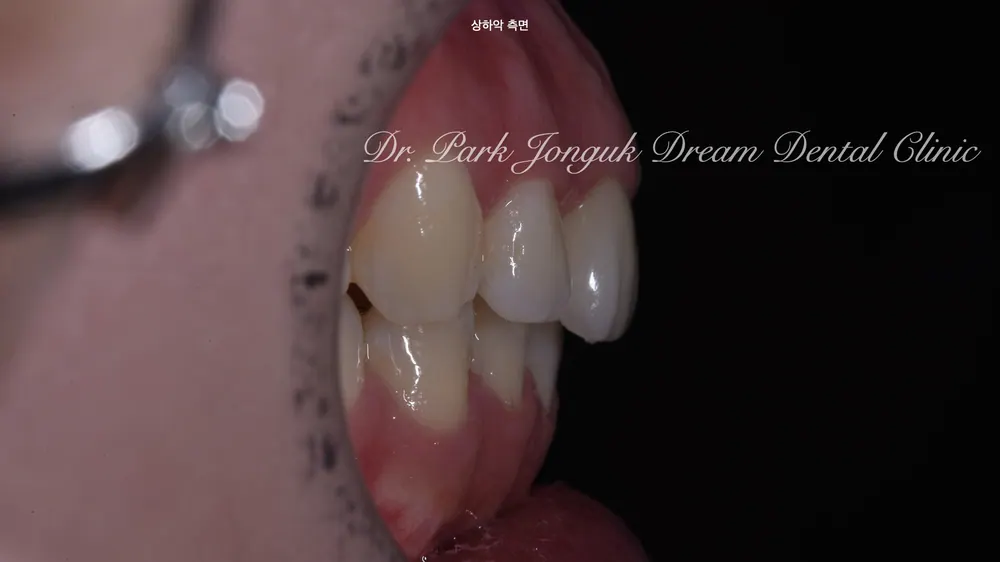
First, we carry out an analysis of the current condition.
We measure the proportions between the teeth
and measure the width-to-height ratio of each individual tooth.
We also check whether there are any problems with the bite relationship.
In addition, we check things like the positional relationship between the face and the teeth, and how much tooth shows when speaking or smiling.
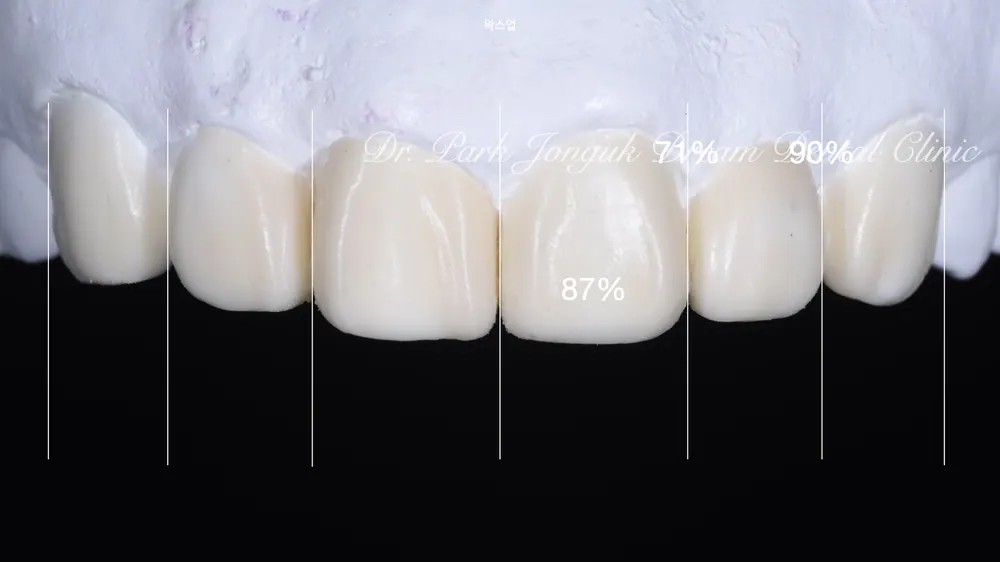
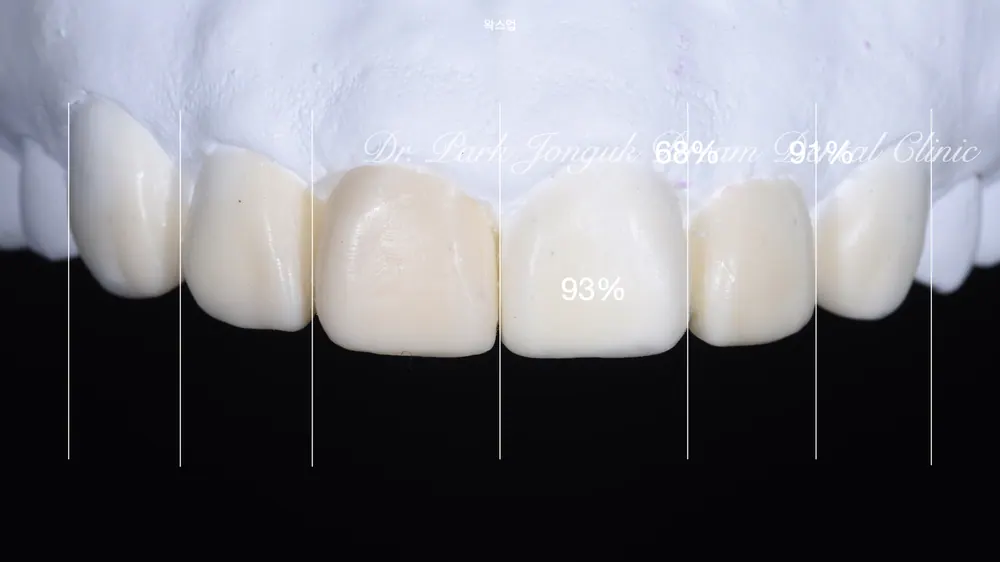
For this case, we carried out a wax-up precision diagnosis using two different approaches.
For more on the features of Dream Dental Clinic's veneer treatment, including the wax-up precision diagnosis process,
please refer to the link below.
One approach was a no-prep veneer.
This meant redoing the all-ceramic crown along with no-prep veneer treatment,
with the downside that the teeth would end up larger than they currently were.
The other approach was to do minimal-prep veneers.
The size of the teeth wouldn't increase,
but some tooth reduction would be necessary.
Between the two simulations, the patient
felt that larger teeth wouldn't look good esthetically,
so we decided to proceed with the minimal-prep veneer approach.
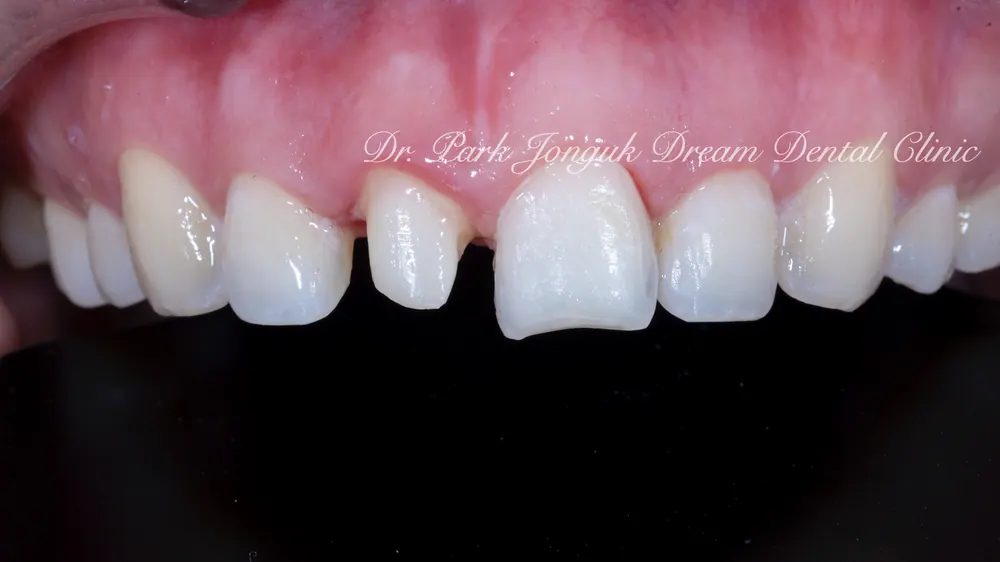
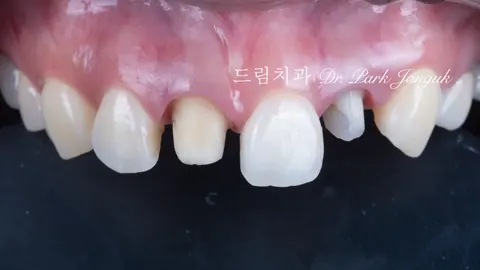
Removal of the all-ceramic crown
and the tooth reduction for the veneers have now been completed.
For the tooth that had the all-ceramic crown, you can see that a substantial amount had already been reduced.
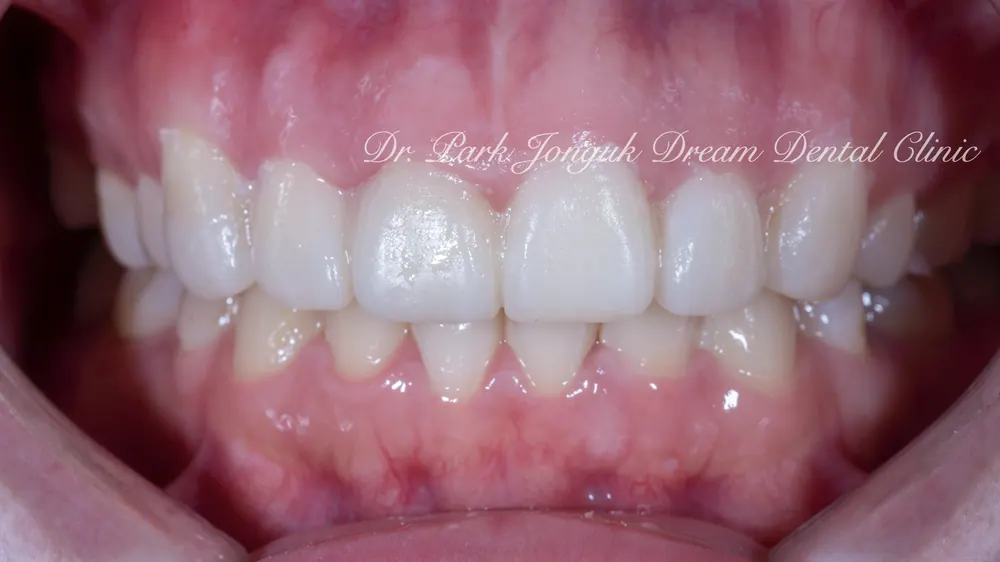
By making a temporary tooth,
we check the shape of the teeth.
A temporary tooth serves the purpose of protecting the tooth,
but what matters even more
is predicting what the final result will look like.
It lets us check the expected outcome together with the patient beforehand.
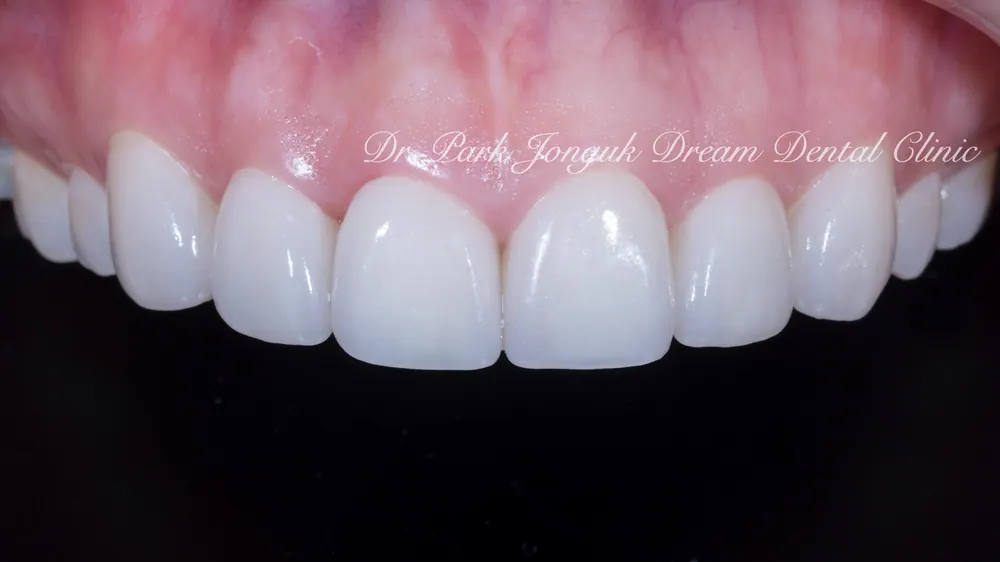
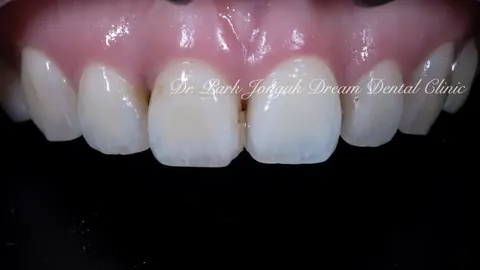
Treatment has now been completed.
The teeth turned out bright, clear, and beautiful,
and the color of the all-ceramic crown and the veneers
is so close that it's hard to tell them apart.
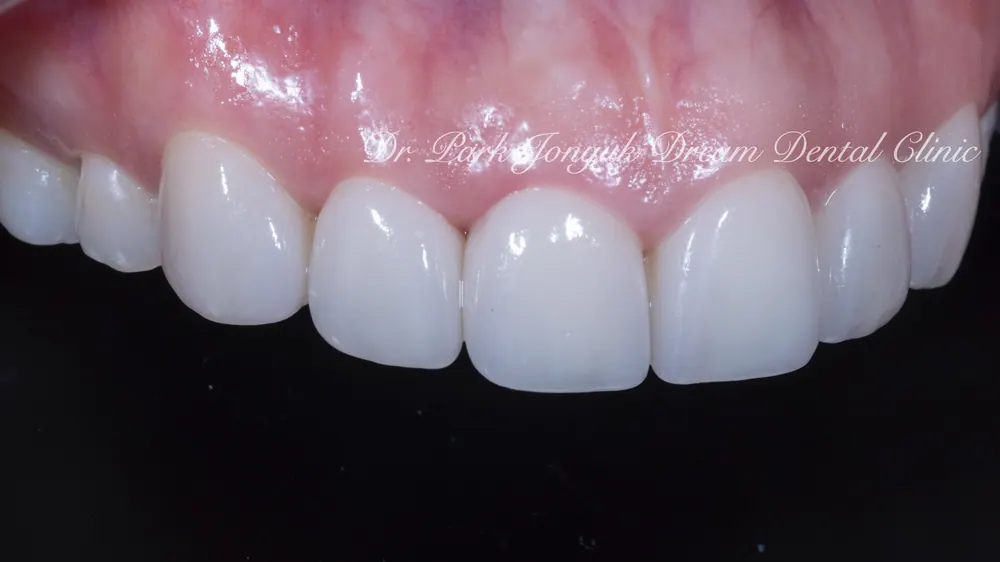
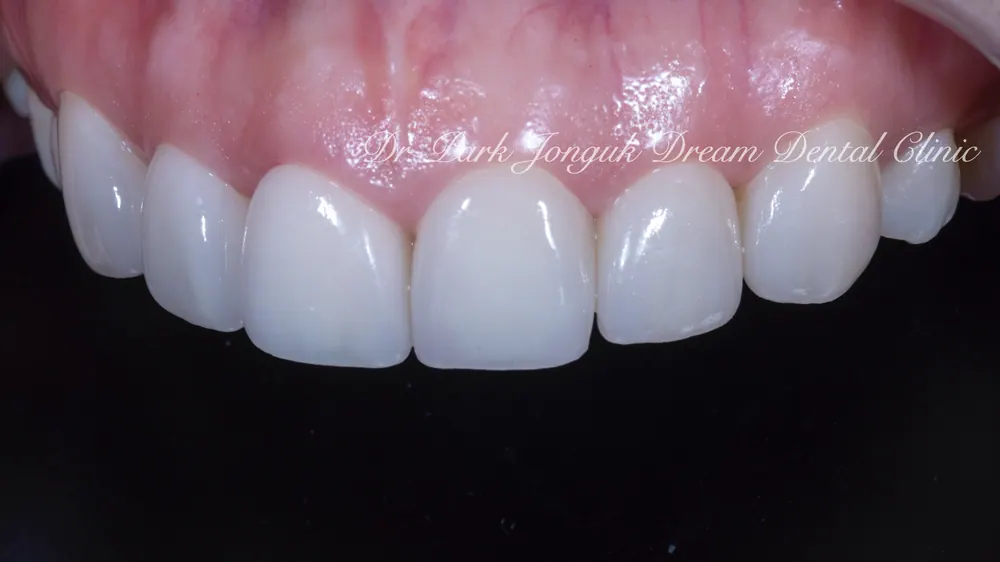
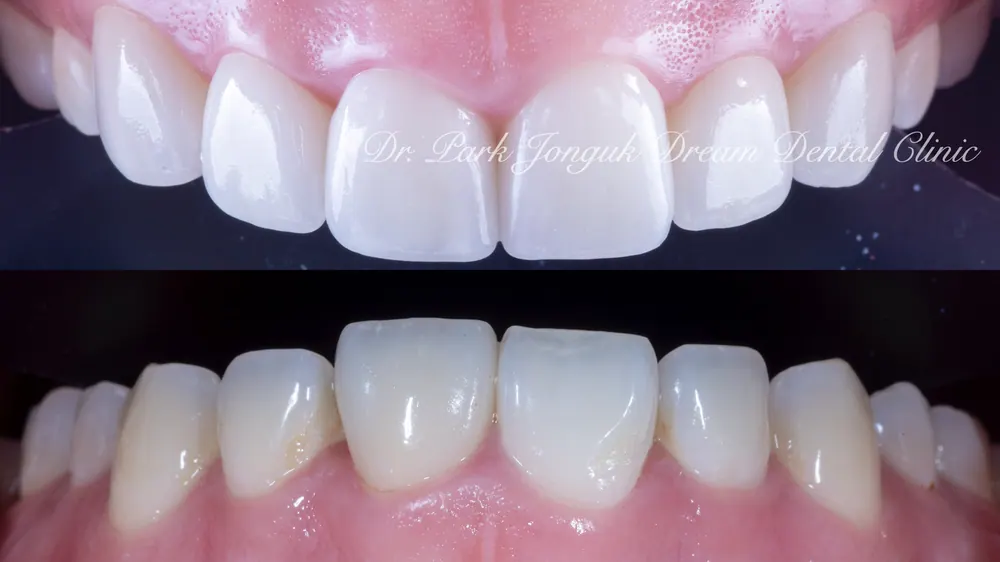
Natural beauty.
Since 2006, Dream Dental Clinic
This article is a clinical note written by Dr. Park Jonguk of Dream Dental Clinic, Gangnam; the original was published on his blog. The photographs shown are real cases he treated. Results vary with each patient’s condition, and every procedure carries the possibility of individual variation and side effects.
Quick Consult
Request a Callback
Leave your number and we will call you back during clinic hours.
Request Received
We will contact you during clinic hours. For urgent matters, please call +82-2-3448-0028.