
Discolored-Tooth Veneers: Making Even Tetracycline Discoloration Bright and Natural
Hello. I am Park Jonguk, director of Dream Dental Clinic in Apgujeong.
Today I'll introduce a discolored-tooth veneer case.
It's the story of brightening dark teeth caused by tetracycline discoloration into a natural-looking result.
My teeth have been dark since I was young
This patient had discoloration in all of her teeth since childhood.
She said her teeth had continuously been dark and yellow ever since she was young.
It appears to be tetracycline discoloration.
Tetracycline is a type of antibiotic that, when taken during childhood, causes discoloration in the teeth.
Taking this antibiotic during the period when the teeth are developing permanently darkens them.
It's almost impossible to improve with ordinary whitening.
Before treatment, it's really dark
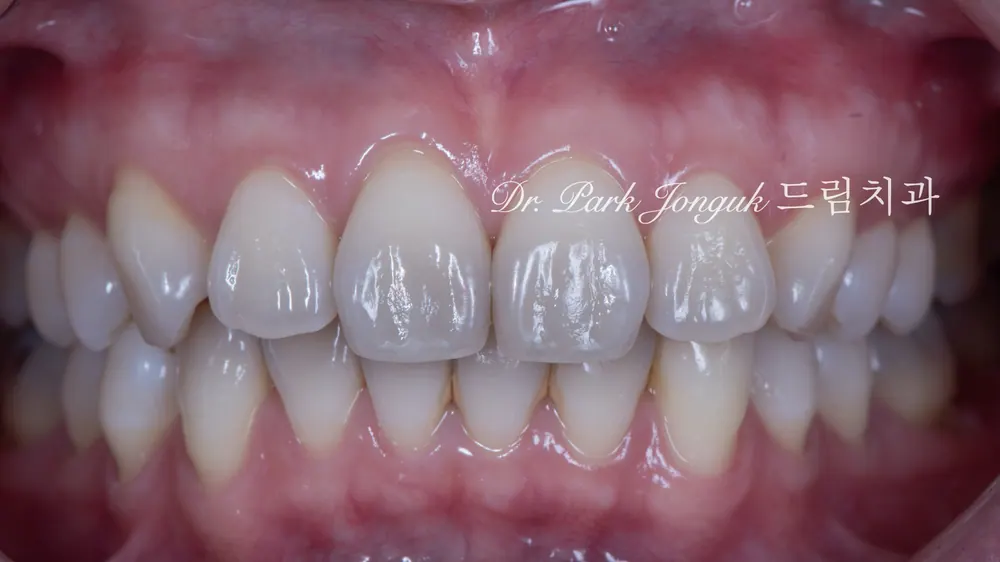
Photo 1 shows the state before treatment.
You can see it's quite dark.
The entire tooth has a grayish-brown (gray plus brown) tone.
A blotchy discoloration pattern is also visible.
There's no bright, healthy tooth color anywhere.
The patient said she'd felt embarrassed to smile her whole life because of these dark teeth.
No-prep is difficult, so we planned minimal reduction instead
It would have been nice to do this case with no-prep veneers, but the conditions weren't right.
It would be great if this could be a no-prep case, but the tooth shape wasn't good and the size was also large, so reduction was necessary.
Why no-prep was difficult
The tooth shape was irregular.
The teeth were already large, so making them even larger would look unnatural.
The tooth alignment also wasn't perfect, so position adjustment was needed.
The minimal-reduction plan
So we decided to do only the minimum reduction necessary.
We reduce precisely only as much as needed.
We preserve as much healthy tooth structure as possible.
We design precisely with a wax-up
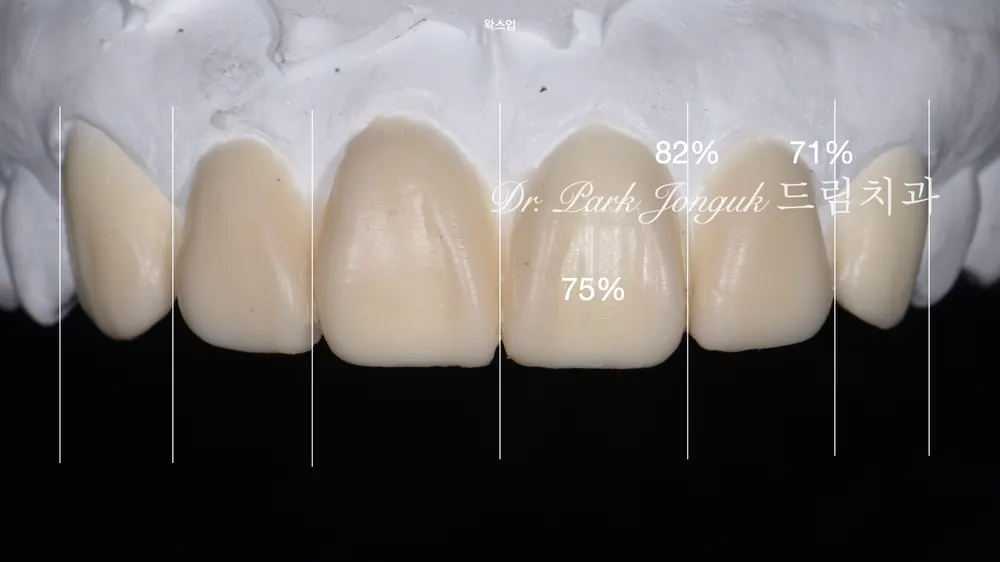
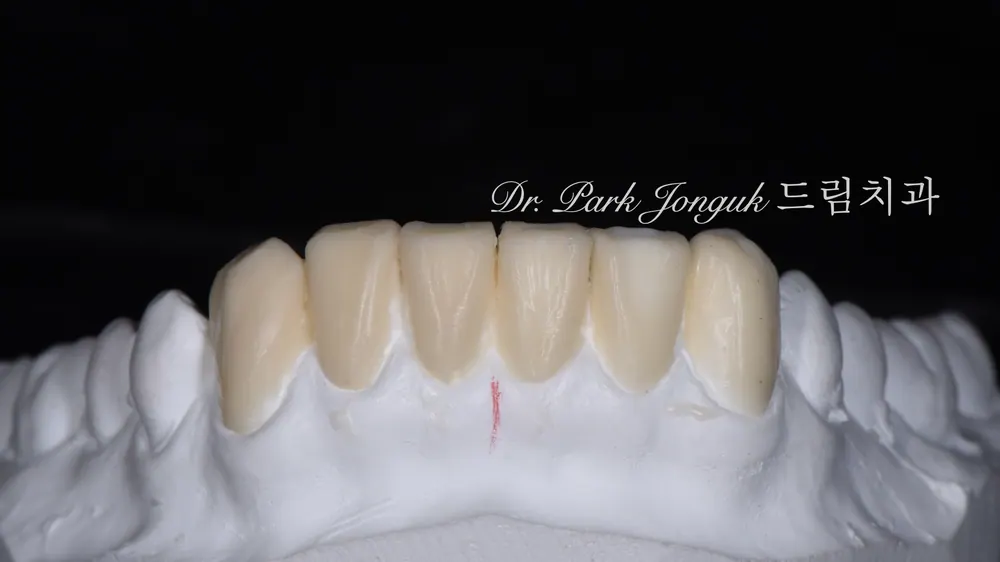
Photos 2 and 3 are the wax-ups for the upper and lower jaws, respectively.
This is the process of building the post-treatment look in advance.
Reshaping the form
The irregular tooth shape was naturally refined.
The tooth size was adjusted appropriately.
Left-right symmetry was matched perfectly.
The color plan
The most important question is how to cover the dark teeth.
The veneer's opacity needs to be raised sufficiently.
But if it's too opaque, it looks artificial.
The challenge is maintaining a bright yet natural sense of translucency.
After tooth reduction, it looks even darker
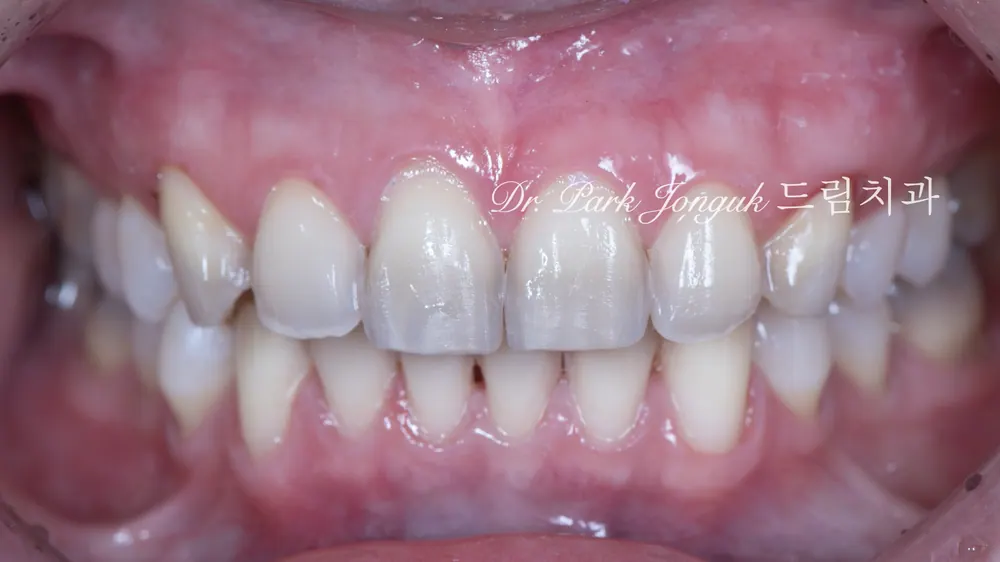
Photo 4 shows the teeth after reduction.
It's a surprising sight.
Reducing the tooth makes it look even darker.
Grinding down the enamel exposed the even darker dentin underneath.
Tetracycline discoloration penetrates deep inside the tooth.
Teeth this dark have to be covered with veneers.
It's a truly challenging case.
Fabricating the veneer: the science of covering darkness
Covering teeth this dark requires a special fabrication method.
The opaque layer matters
An opaque layer needs to be created inside the veneer.
This layer blocks the dark color of the tooth underneath.
But if it's made too thick, it looks unnatural.
Aesthetic layers are built on top
After blocking the dark color with the opaque layer, several layers of ceramic are stacked on top of it.
A bright dentin layer is created.
A translucent enamel layer is added.
A transparent incisal-edge layer is applied.
This is how a bright yet natural sense of translucency is achieved.
Handmade build-up is essential
This complex layered structure is only possible with a handmade, multi-layer build-up.
It can never be made with a single ceramic block.
Blocking dark color while maintaining a natural sense of translucency is truly a difficult skill.
After treatment, a remarkable change
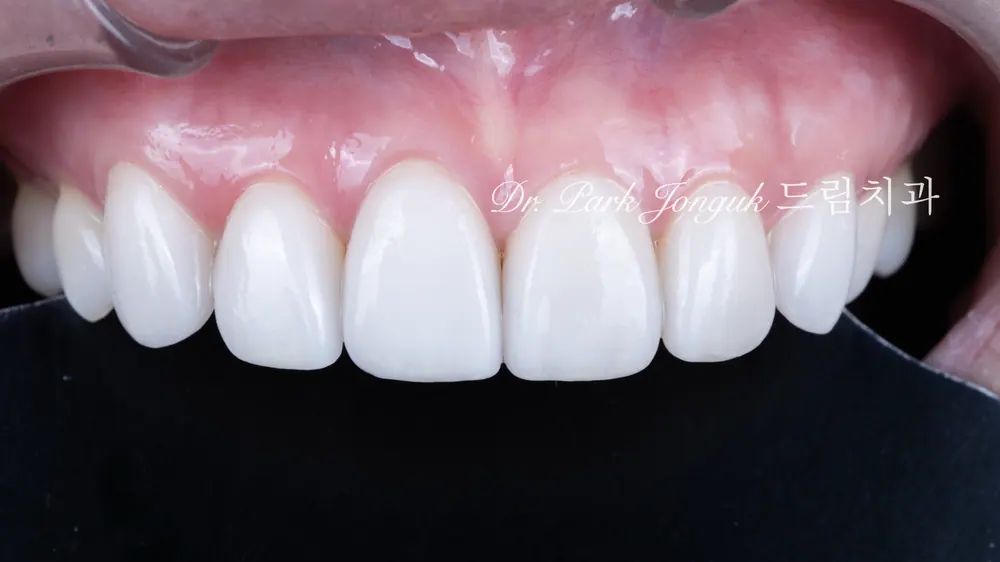
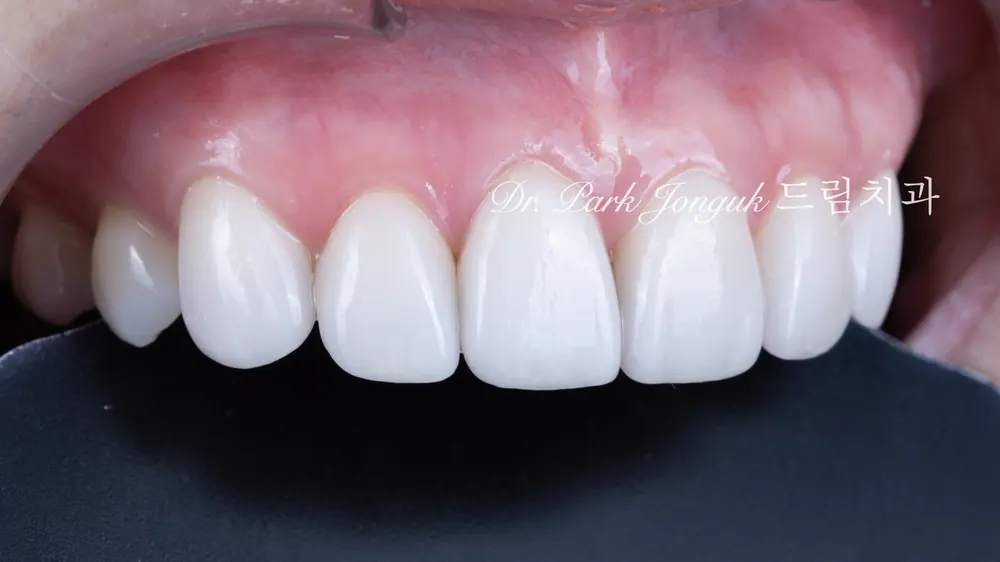
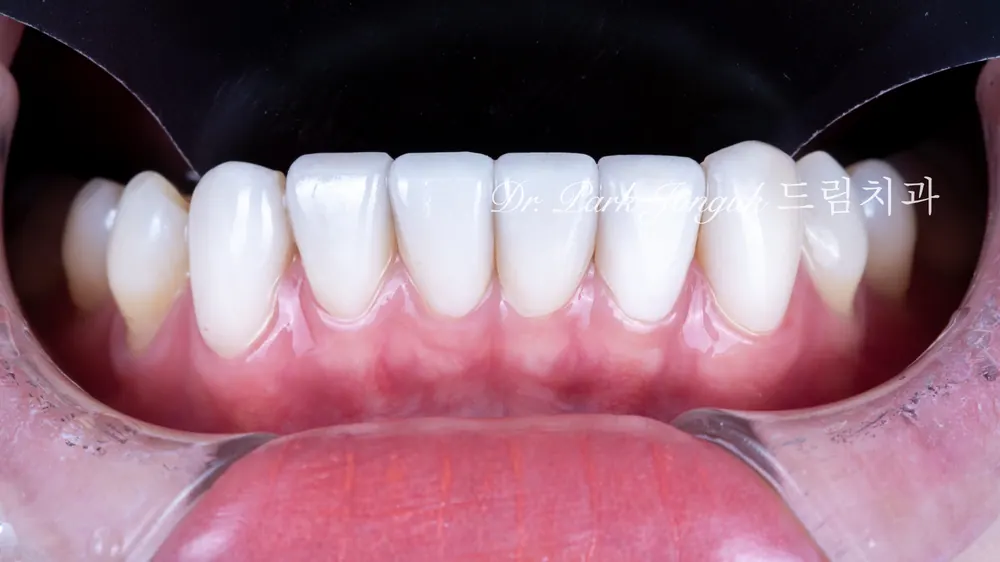
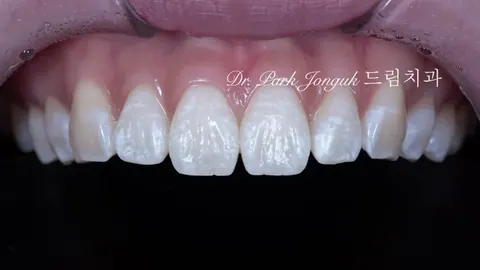
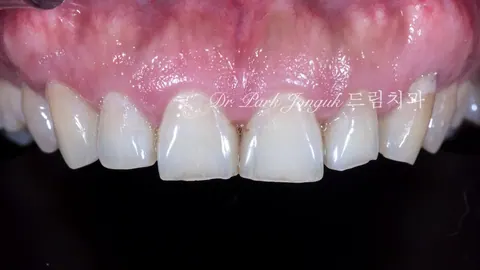
Photos 5, 6, and 7 show the state after treatment.
It's truly a dramatic change.
It became bright and natural
The teeth that had been dark and grayish-brown changed into a bright, radiant color.
But it's not simply white.
A natural ivory tone is still alive.
There's a sense of translucency
The most surprising thing is the translucency.
Even though teeth this dark were covered, the translucency remains alive.
The natural translucency at the tooth edges was reproduced.
This is exactly the power of the handmade, multi-layer build-up.
The shape is beautiful too
The previously irregular shape changed into a natural, well-balanced form.
The left-right symmetry is perfect.
Each tooth has its own individual character while still being in harmony.
A good result came from minimal reduction
Even with only minimal reduction, a result this good was achieved.
The tooth was preserved as much as possible while the dark discoloration was completely covered.
A bright, natural smile was created.
Tetracycline discoloration can't be fixed with whitening
Tetracycline discoloration is almost impossible to improve with ordinary whitening.
Why doesn't whitening work?
Tetracycline penetrates deep inside the tooth during the period when the teeth are developing.
The discoloration occurs throughout both the enamel and the dentin.
Whitening agents can only remove surface-level discoloration.
They cannot remove discoloration deep inside the tooth.
Veneers are the only solution
In a case like this, veneers or all-ceramic crowns are the only solution.
It means covering the discolored tooth with ceramic.
An appropriate opaque layer blocks the dark color.
A bright, natural color is then built on top of it.
Here's what to do for discolored-tooth veneers
If you're considering veneers for dark teeth, do the following.
Choose a clinic with a lot of experience
Discolored teeth are much harder to treat than ordinary veneers.
Blocking dark color while keeping a natural look is a highly advanced skill.
Choose a dentist with more than 20 years of clinical experience.
Check whether it's a handmade build-up method
A single-block method can't block dark color while maintaining translucency.
It needs to be a handmade, multi-layer build-up method.
The opaque layer, dentin layer, enamel layer, and translucent layer each need to be made separately.
Ask for minimal reduction
Just because the teeth are dark doesn't mean a lot needs to be cut away.
A good enough result can be achieved with only minimal reduction.
Preserving as much healthy tooth structure as possible matters.
Ask for a natural tone
Just because the teeth were dark doesn't mean they need to be made pure white.
A natural brightness and translucency is more beautiful.
Ask for "naturally bright."
From a lifelong complex to confidence
The patient teared up after treatment.
She said, "I couldn't smile my whole life because of my dark teeth, but now I can finally smile with confidence."
Discolored teeth aren't simply an aesthetic issue.
They have a major impact on self-esteem and quality of life.
Veneers for discolored teeth are a treatment that gives people like her a new life.
Frequently Asked Questions (Q&A)
Q1. Doesn't tetracycline discoloration improve with whitening?
A. It barely improves.
Because tetracycline penetrates deep inside the tooth, surface whitening has no effect.
Covering it with veneers or a crown is the only solution.
Q2. Do a lot of teeth need to be cut down to cover dark teeth?
A. No.
With proper opaque-layer design and a handmade build-up, minimal reduction alone can cover it sufficiently.
As in this case, a good result can be achieved with minimal reduction.
Q3. Can discolored-tooth veneers also look natural?
A. Yes, that's definitely possible.
By properly combining opaque and translucent layers through a handmade, multi-layer build-up,
a bright yet natural sense of translucency can be achieved. It's important to be treated at a clinic with a lot of experience.
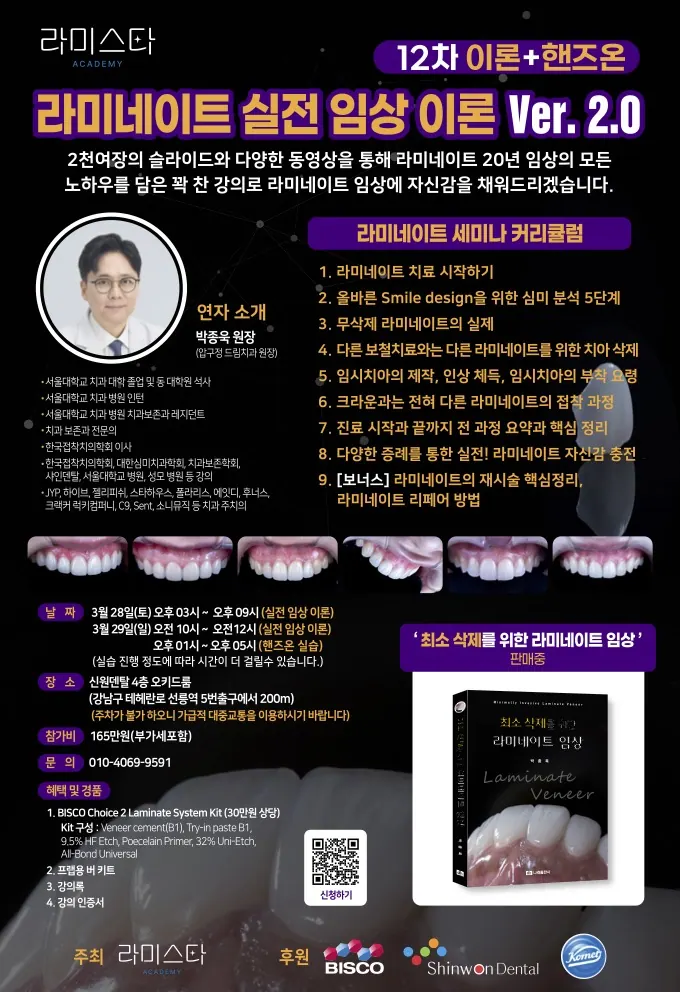
This article is based on the actual clinical experience of Dr. Park Jonguk, director of Dream Dental Clinic in Apgujeong. He has been providing aesthetic treatment for 20 years and gives monthly lectures on discolored-tooth veneer techniques to dentists at Lamista Academy. He has published Korea's first veneer textbook.
This article is a clinical note written by Dr. Park Jonguk of Dream Dental Clinic, Gangnam; the original was published on his blog. The photographs shown are real cases he treated. Results vary with each patient’s condition, and every procedure carries the possibility of individual variation and side effects.
Quick Consult
Request a Callback
Leave your number and we will call you back during clinic hours.
Request Received
We will contact you during clinic hours. For urgent matters, please call +82-2-3448-0028.