
Something That Always Surprises Me in Veneer Retreatment
Recently, the number of patients coming in for veneer retreatment has been steadily increasing.
There are several reasons for veneer retreatment.
Cases of esthetic dissatisfaction are the most common, and a fair number involve partial chipping as well.
Patients come in for retreatment for various reasons — an esthetic problem caused by a change in gum shape or tooth movement, or a veneer that has come off completely.
Many patients come in saying, "I'd like the veneers I had done before redone." But when I actually look, it's often not a veneer at all — it's a crown. A veneer is a method that reduces only the front surface of the tooth, while a crown reduces the entire tooth to completely cap it, so the amount of reduction is far greater.
At the time of the first treatment, this process should have been explained in much more detail, and in a way it makes me wonder whether the treatment was steered under the guise of a "veneer."
Anyone who's had a consultation at our clinic probably knows just how thoroughly I explain veneers.
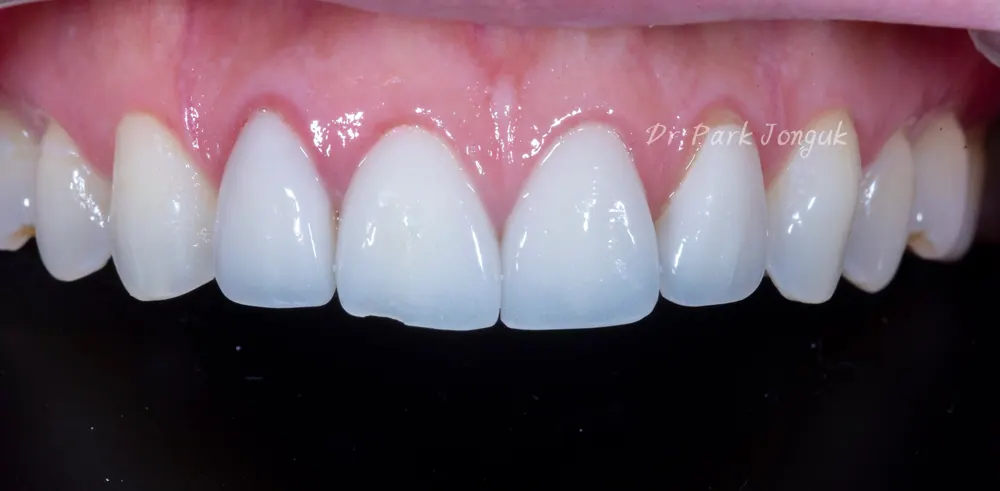
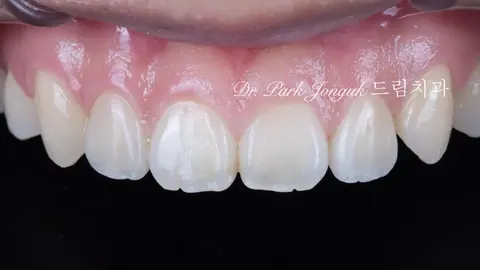
Because it had been a long time since the tooth was treated, the gum shape had changed, and there was some partial chipping as well.
An awkward color and shape that don't blend well with the natural teeth also make it hard to be esthetically satisfied with this condition.
Retreating cases like this always leaves me surprised.
In many cases, far too much tooth structure has been reduced.
It's often to the point of "was this much reduction really necessary?" — in most cases, it could have been achieved without cutting this much.
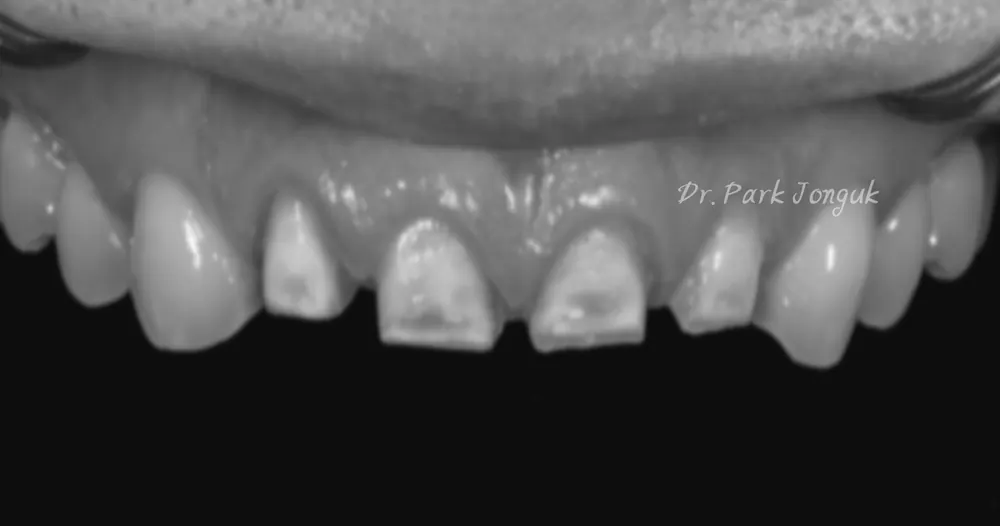
I suspect the maximum possible amount was reduced even though the tooth hadn't had root canal treatment.
Either way, my job is to produce the best possible result from this state.
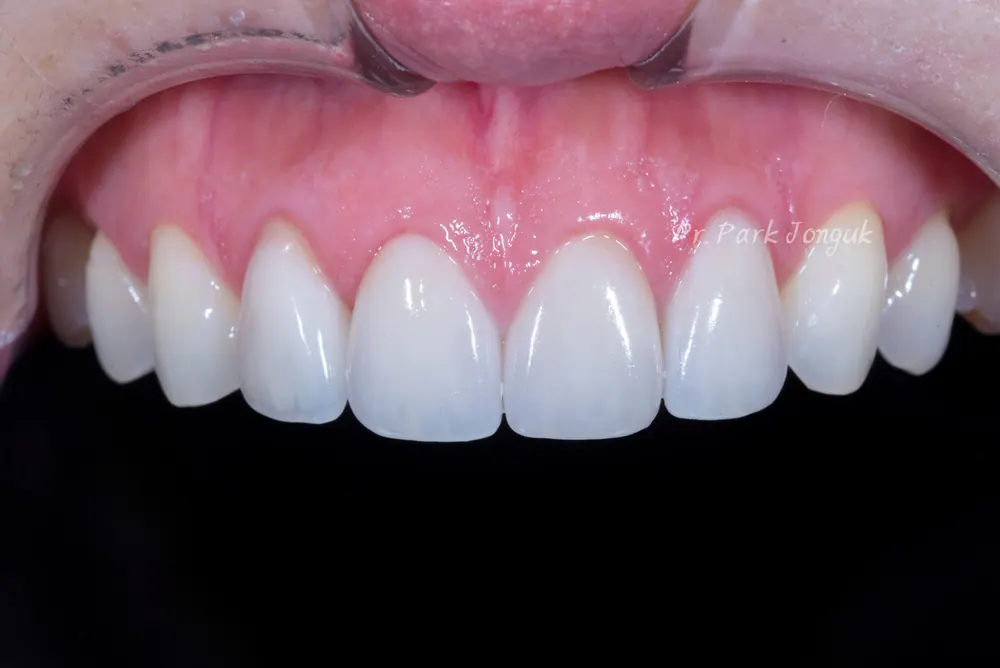
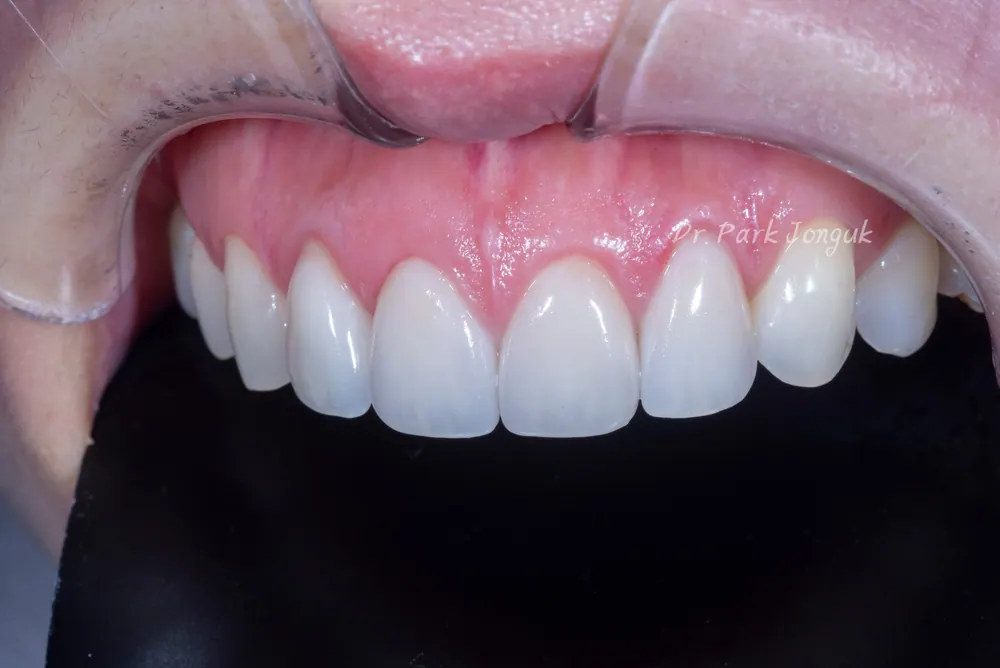
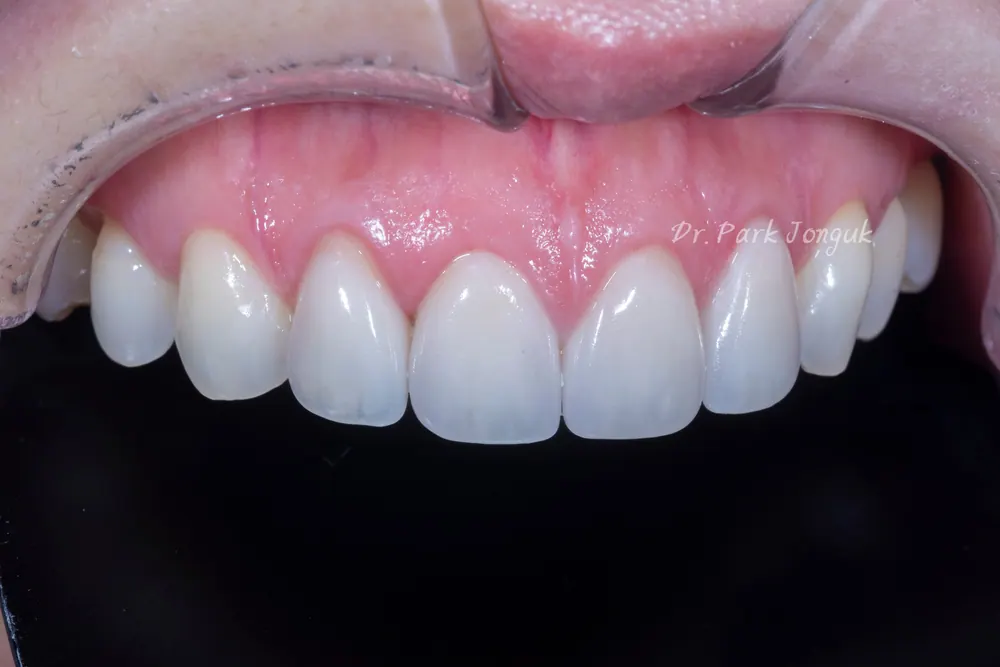
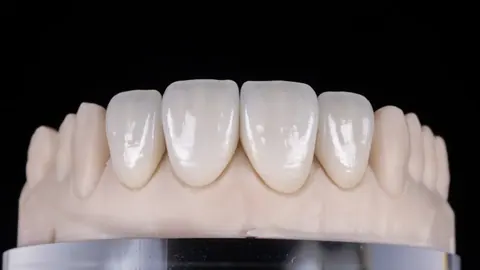
If you look closely at the teeth, the veneers or crowns we make richly express "the beauty of a natural tooth."
It's a process of recreating the tooth's shape, texture, and even its characteristic translucency, aiming for the most beautiful version of a natural tooth.
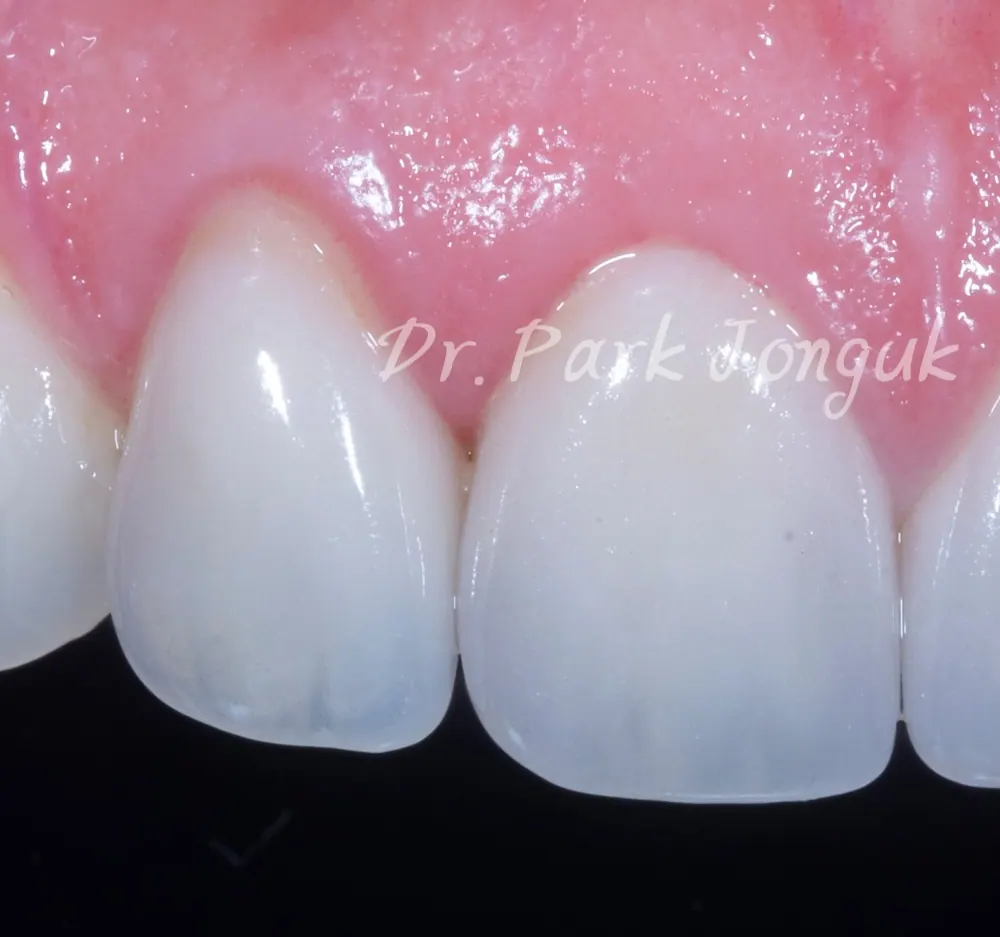
Looking at it magnified like this, you can see just how important the expressiveness of the tooth is.
What matters in veneer treatment is giving a thorough explanation of the treatment beforehand.
To give a thorough explanation, the dentist's own wealth of experience matters a great deal. Because the treatment method and the amount of tooth reduction differ from case to case, an explanation from a dentist who has handled a wide variety of cases over many years is essential.
In veneer retreatment, the treatment needs to proceed in line with the purpose of the retreatment, and what is and isn't possible should be clearly explained and discussed accordingly.
For veneer retreatment especially, I'd recommend getting a consultation at a clinic with extensive experience and skill.
This article is a clinical note written by Dr. Park Jonguk of Dream Dental Clinic, Gangnam; the original was published on his blog. The photographs shown are real cases he treated. Results vary with each patient’s condition, and every procedure carries the possibility of individual variation and side effects.
Quick Consult
Request a Callback
Leave your number and we will call you back during clinic hours.
Request Received
We will contact you during clinic hours. For urgent matters, please call +82-2-3448-0028.