
Treating Acid Erosion from Acid Reflux (GERD) with the Sandwich-Technique Veneer
Hello. I'm Park Jonguk, Director of Lamista Academy and head of Dream Dental Clinic.
Lamista Academy is a seminar group that properly
teaches veneer treatment techniques to dentists.
I recently published a comprehensive textbook on veneers.
Titled 『최소 삭제를 위한 라미네이트 임상』,
it covers everything from the preparation process for veneer treatment
through diagnosis, treatment, seating, and post-treatment care in detail.
With diverse cases and top-quality photos, it contains everything
a dentist needs to prepare for veneer treatment.
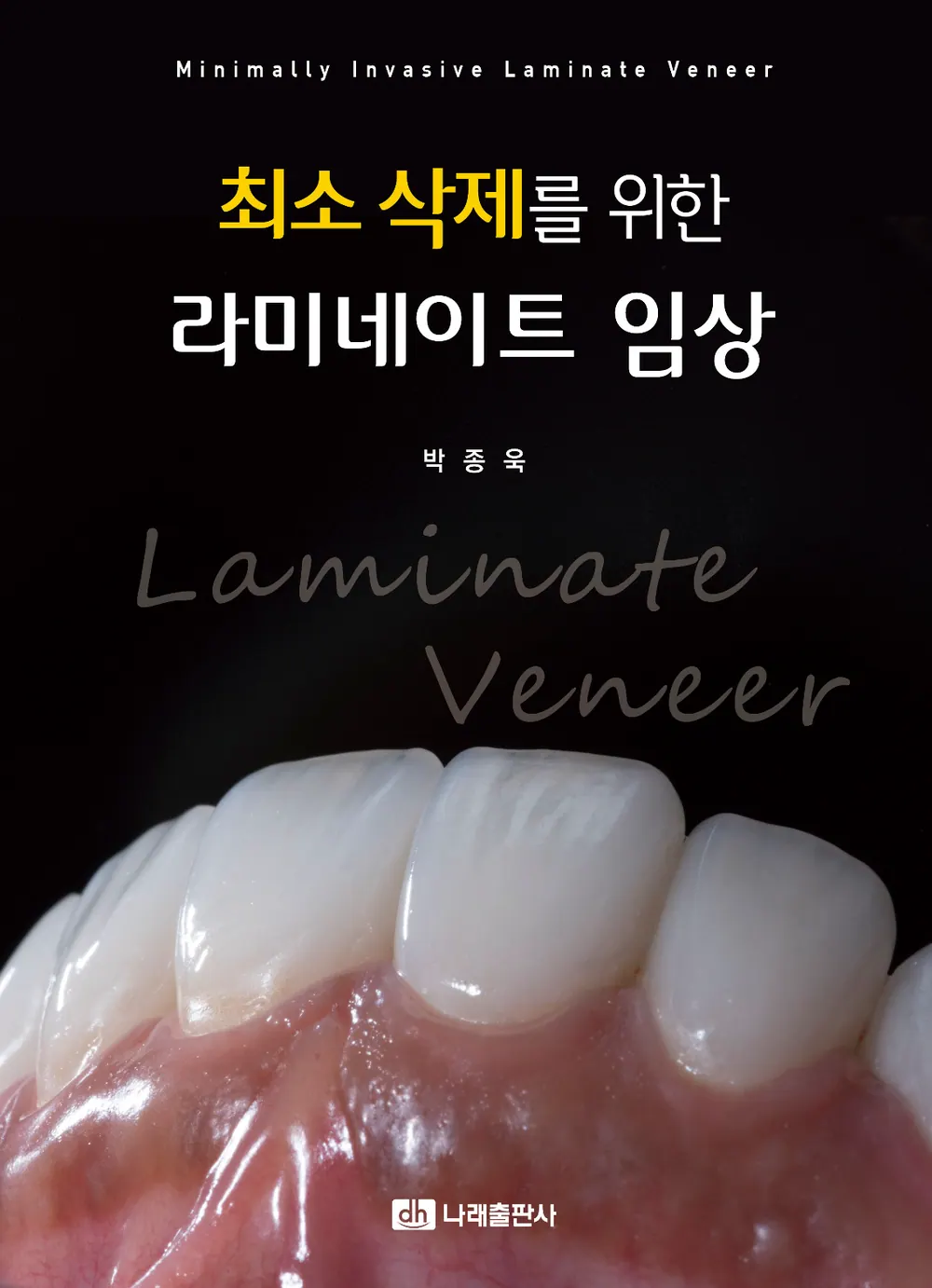
This book has now been listed on Amazon in the US as well,
and I hope it will be of great help
to Korean dentists working in the US and other countries.
Today's topic is tooth erosion caused by acid reflux (GERD).
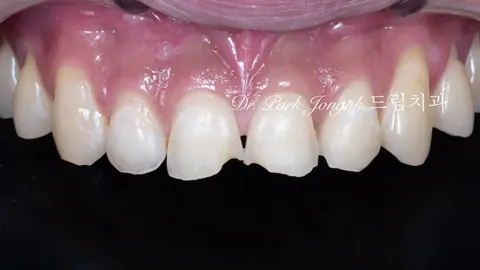
This is a case of veneer treatment for eroded teeth.
Acid reflux (GERD) causes problems when stomach acid flows backward,
rising not only into the esophagus but also into the oral cavity.
When stomach acid repeatedly refluxes, the strong acid erodes the teeth as well.
The damage can be considerably more extensive than expected.
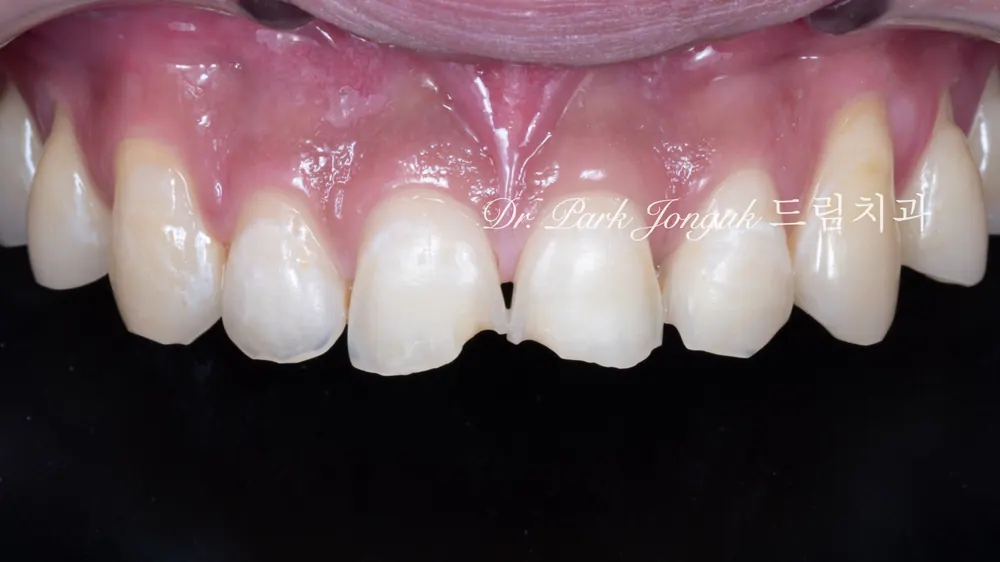
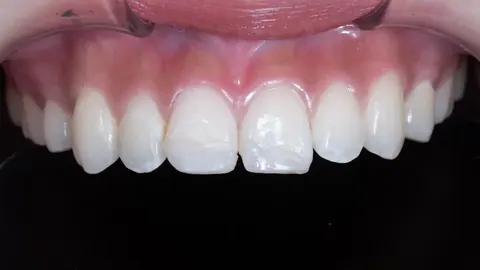
You can see that these two front teeth have been eroded by acid reflux.
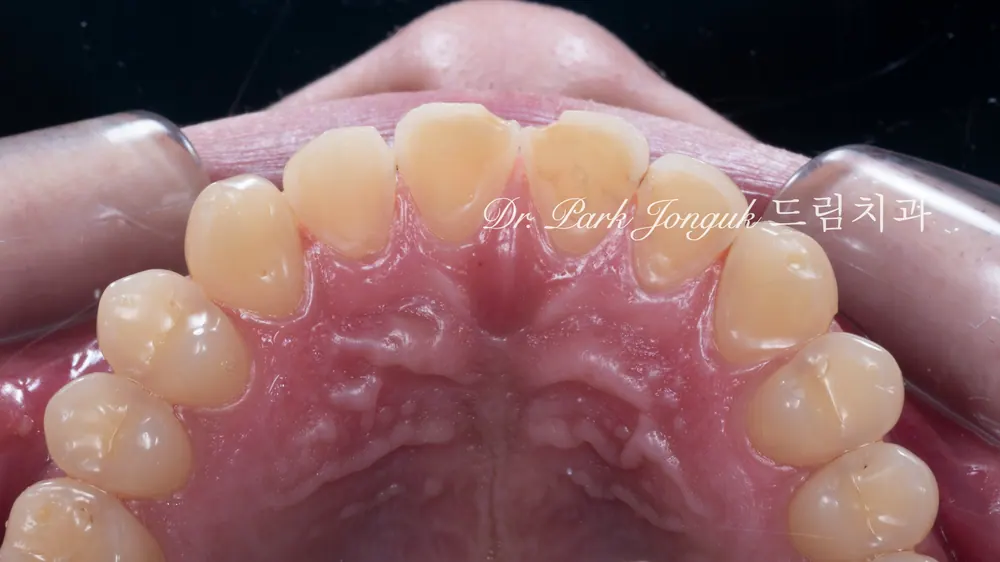
Since the erosion has progressed to the inner (lingual) surface of the teeth,
treatment is necessary not only for esthetics but for the health of the teeth as well.
In most dental clinics, an all-ceramic crown would be recommended for a case like this.
Treating with an all-ceramic crown requires a considerable amount of tooth reduction,
and the teeth are already significantly damaged from the erosion to begin with,
so reducing them even further creates a considerable burden.
In a case like this, veneer treatment works well, but veneers
are generally applied only to the front surface of the tooth,
so when the problem extends to the inner surface as well, some adaptation is needed.
The method used in this case is the veneer sandwich technique.
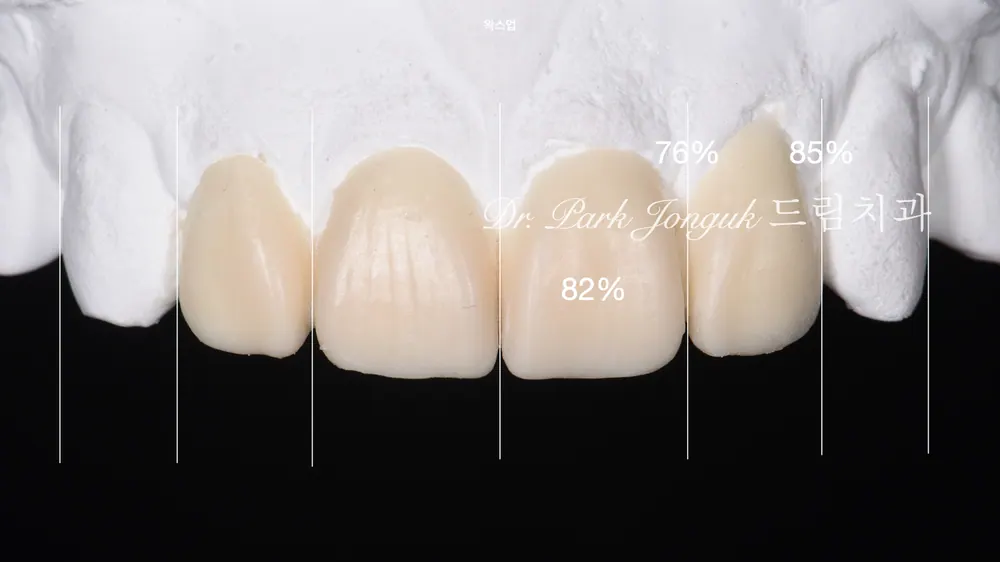
A precision wax-up diagnosis is used to predict the tooth shape before proceeding with treatment.
Ideally, no-prep veneers would be used if possible,
but the erosion had left many areas of the teeth far too sharp and pointed,
so some reduction was needed to round off these areas.
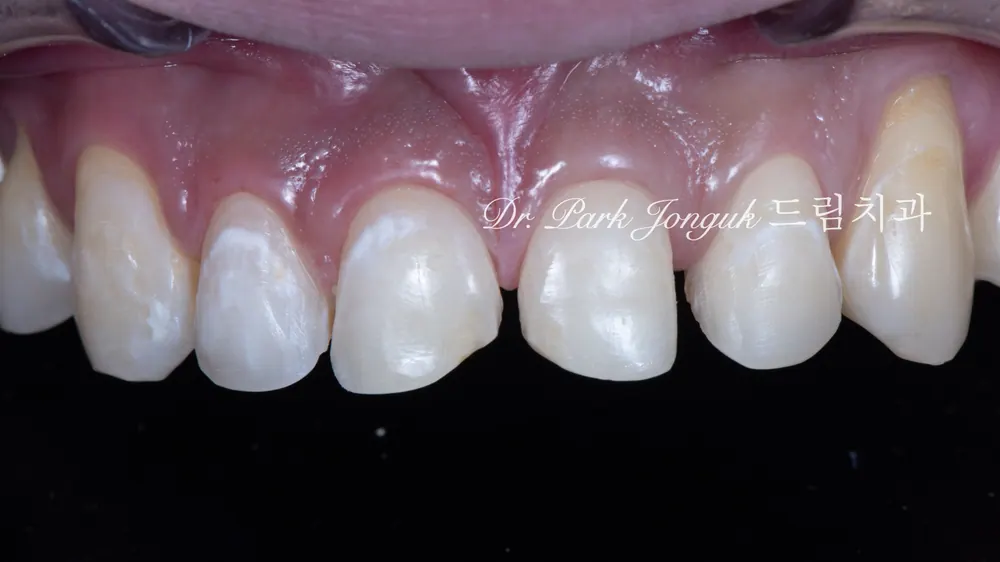
For the veneer treatment, any areas that were too thin or sharp were smoothed into a rounded shape.
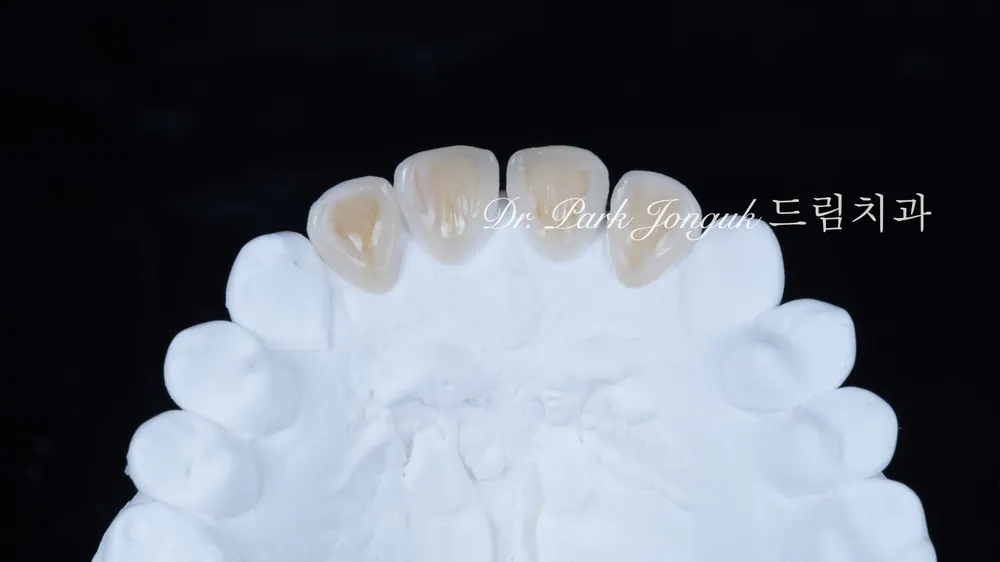
A veneer to be bonded to the inner surface of the tooth was fabricated.
Even though it's not a visible area, every anatomical and morphological detail of the natural tooth is applied.
It was made to look and feel just like the inner surface of a natural tooth.
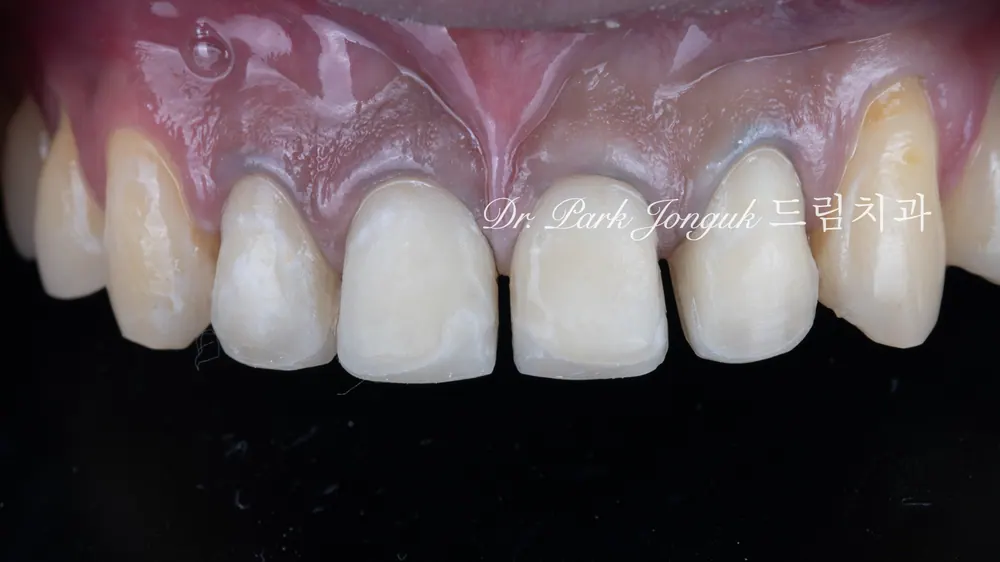
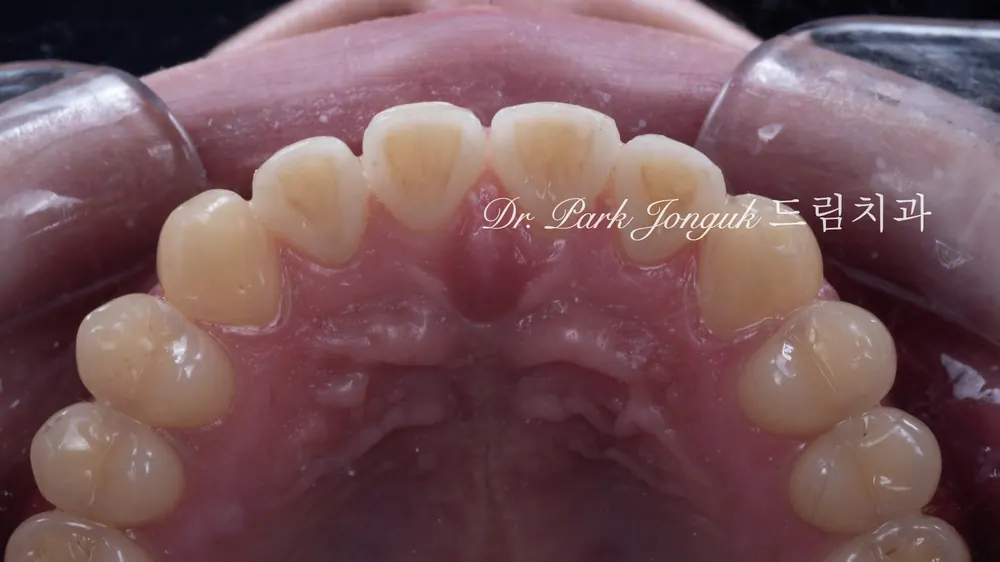
This is the state after bonding the inner veneer.
From this state, an impression is taken again to fabricate the veneer for the front surface.
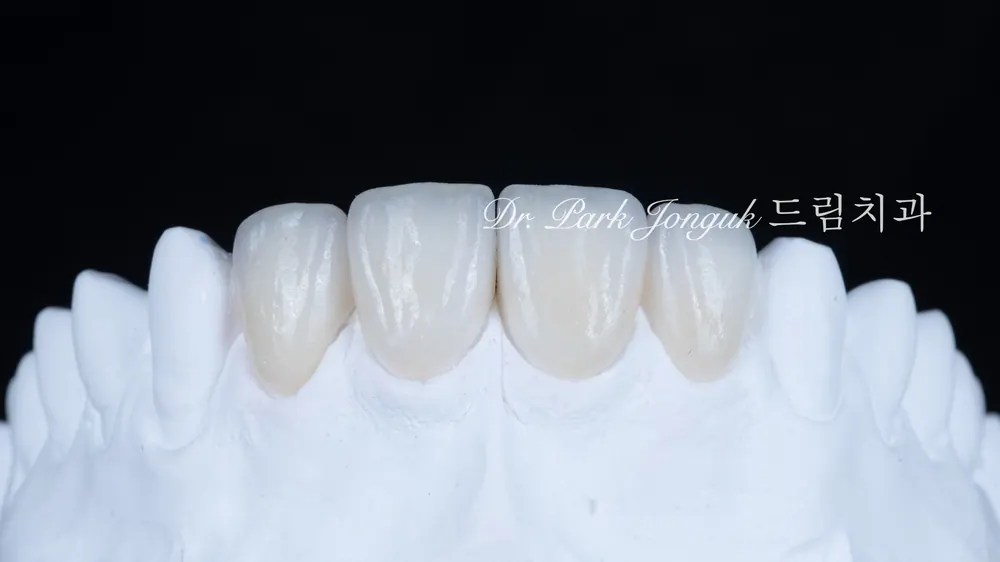
The veneer is fabricated.
Again, it is made in a way that brings out the look of a natural tooth.
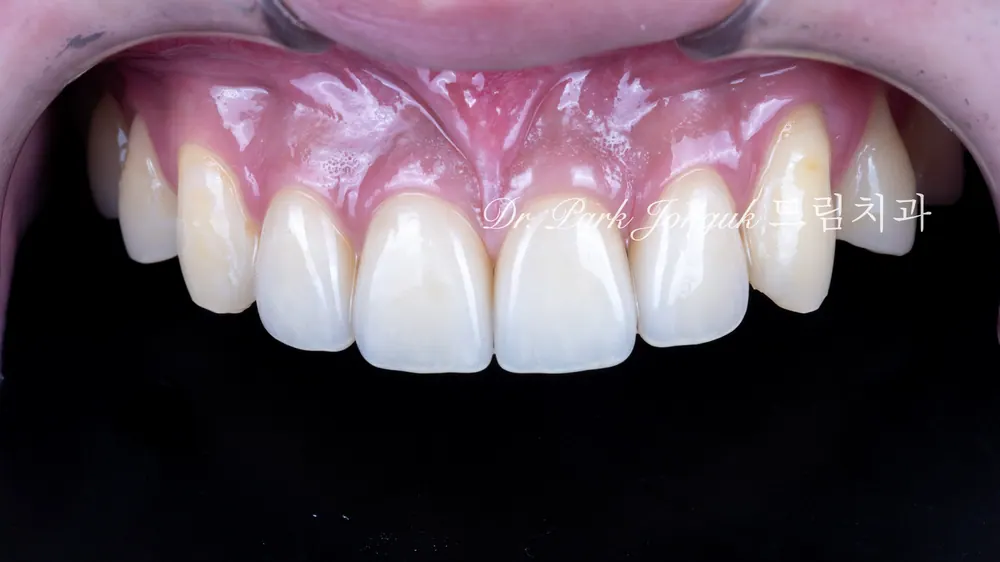
The patient wanted it to look as natural as possible
and, since her other teeth were fairly yellow, wanted that overall look to be preserved as well,
so it was fabricated to closely match the color of her other natural teeth.
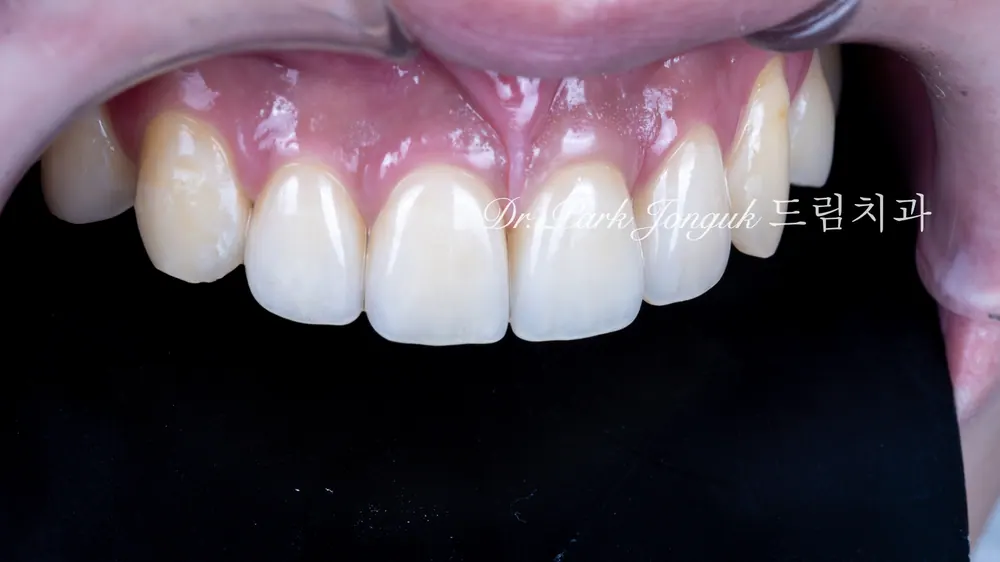
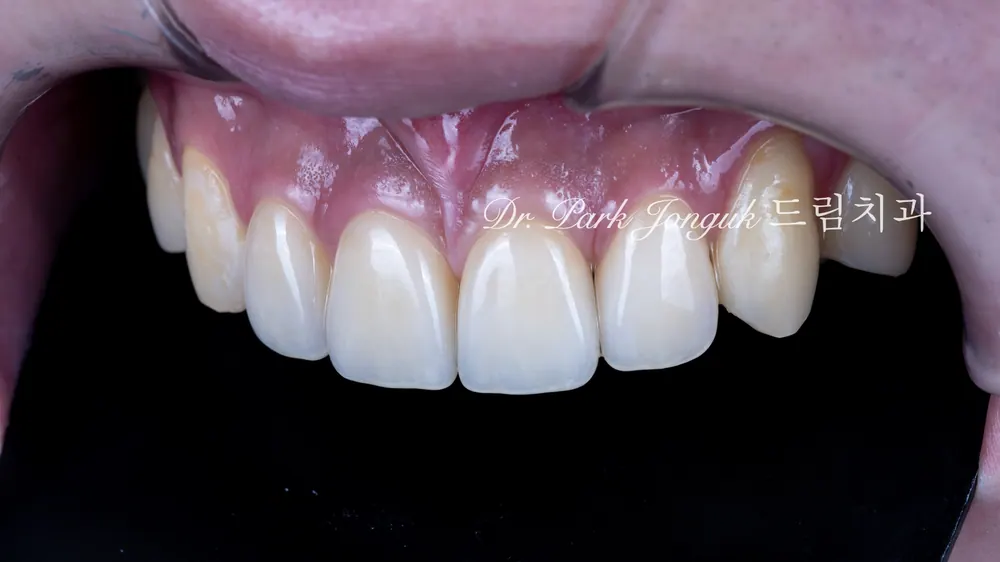
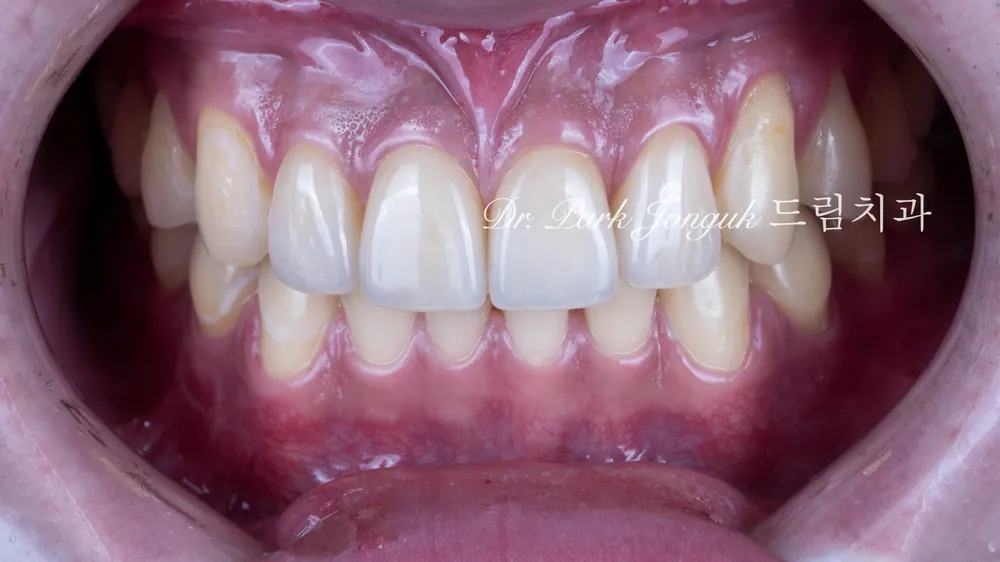
In this way, for a case of tooth erosion caused by acid reflux,
we've looked at the sandwich technique of bonding veneers to both the front and back.
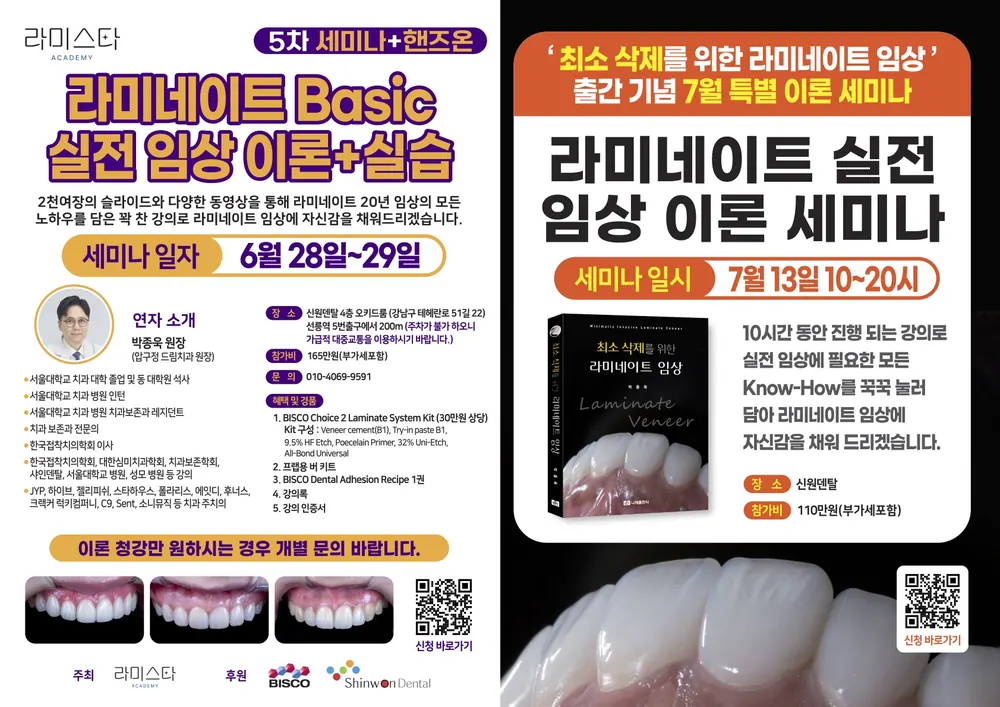
Here is the schedule for the June and July seminars.
This article is a clinical note written by Dr. Park Jonguk of Dream Dental Clinic, Gangnam; the original was published on his blog. The photographs shown are real cases he treated. Results vary with each patient’s condition, and every procedure carries the possibility of individual variation and side effects.
Quick Consult
Request a Callback
Leave your number and we will call you back during clinic hours.
Request Received
We will contact you during clinic hours. For urgent matters, please call +82-2-3448-0028.