Cheongdam-dong Veneers: Retreating Old, Unnatural-Looking Veneers
Hello. I'm Park Jonguk, director of Dream Dental Clinic.
What's most beautiful is always what looks natural.
Even cosmetic surgery has its trends.
There was a time when surgery that was obvious to anyone at a glance was common.
Trends may well come back around again, of course,
but this kind of unnatural, obviously awkward look
has its moment and fades,
while natural, beautiful work never goes out of style.
In dentistry too, there was a time when strikingly awkward tooth reshaping was in vogue.
Even now, there are still cases of Cheongdam-dong veneers
that look almost like a row of xylitol gum stuck on,
but looking that obvious can hardly be called pretty.
So why is this kind of unnatural, awkward tooth reshaping — meaning veneers — done so often?
Put simply,
it's because it's easy to make.
Anyone can do it once they buy the equipment.
Making it look like a natural tooth, though?
That's very difficult.
Even for a dentist, it isn't something that can be done easily without a great deal of experience.
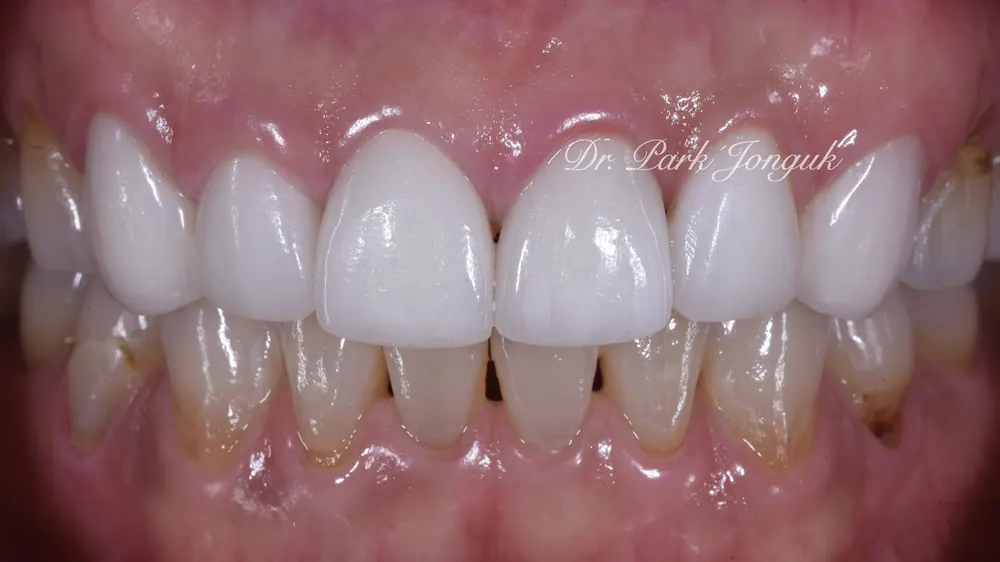
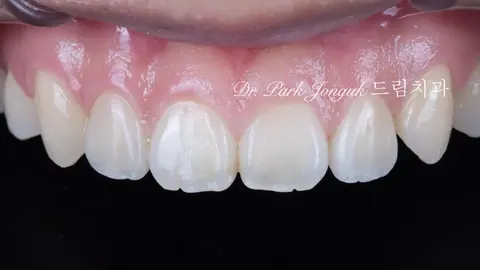
These are old Cheongdam-dong veneers.
The teeth were extremely opaque and just plain white,
the shape wasn't even symmetrical,
and none of the characteristics of a natural tooth were visible at all.
In short, these were extremely awkward-looking teeth.
The patient's natural teeth had been on the yellow side, and she wanted them brighter,
but that doesn't mean they should have been made this opaque.
She wanted the shape, color, and translucency of the teeth to all look more natural.
Retreating veneers has to be done with a great deal of care.
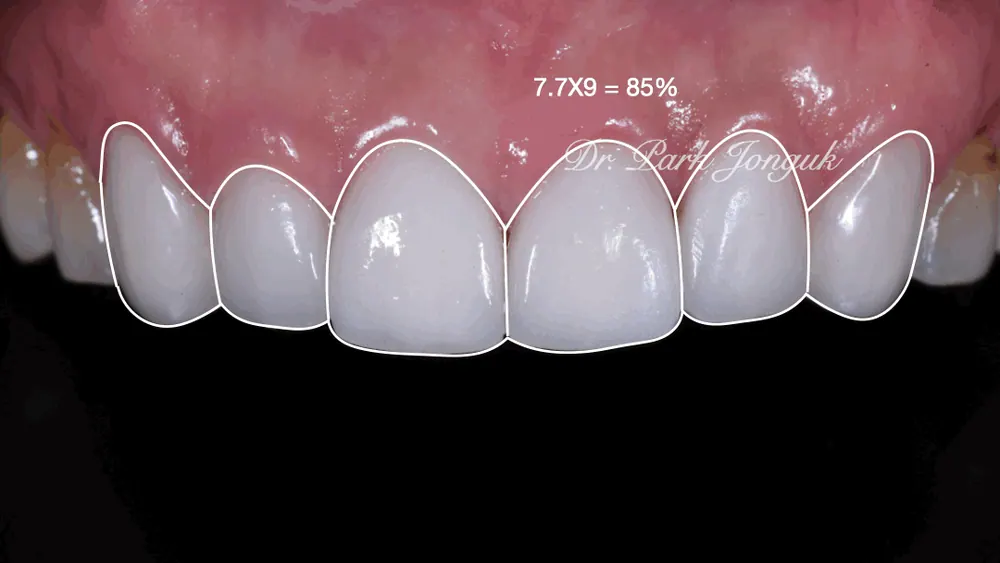
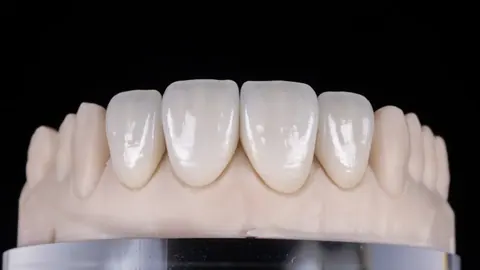
First, what matters in terms of shape is the overall outline of the tooth
and bringing out its dimensionality.
The edge lines of the tooth, called line angles, need to be preserved,
since this is what creates the feel of a natural tooth.
Teeth made with the one-day method
mostly can't preserve these line angles,
so it's difficult for them to achieve a natural feel.
Dream Dental Clinic's hand-made method and the typical one-day method
are veneers on a completely different level.
Following the plan, we remove the veneer and begin retreatment.
Removing a veneer is a very delicate process.
Without careful removal, damage to the tooth can occur.
Laser-based removal of Cheongdam-dong veneers
is Dream Dental Clinic's own distinctive, safe removal method.
Using this method to remove the veneer,
we also finished with gum contouring.
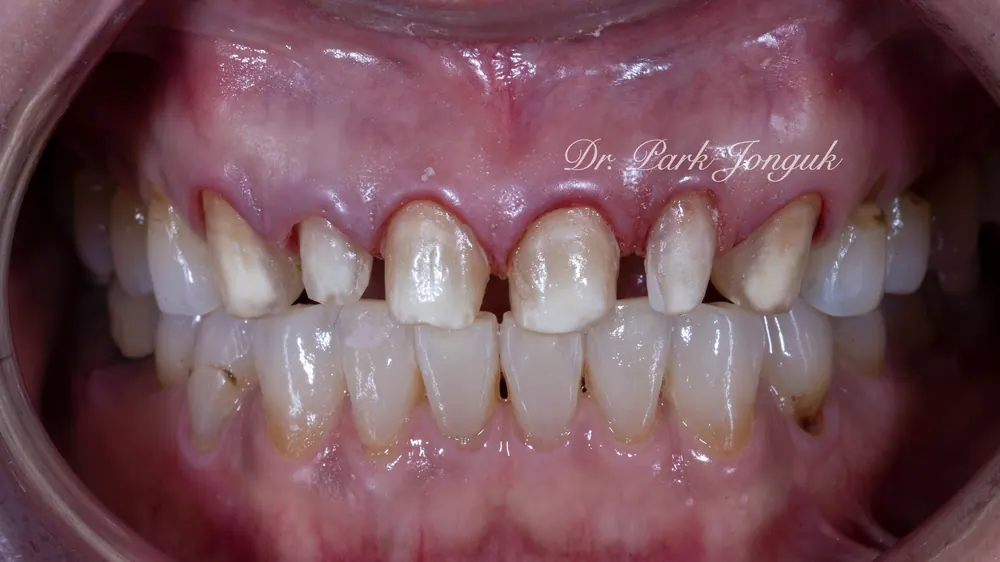
Every time I handle a case like this, it makes me angry,
and honestly, it's embarrassing too.
With this much tooth removed, it isn't a veneer anymore — it's just a crown.
Reducing as little tooth as possible while minimizing side effects,
and turning teeth beautiful — that's what a Cheongdam-dong veneer is supposed to be,
so seeing this much tooth removed
is genuinely bleak and frustrating to see.
Since so much had already been removed, we proceed with treatment carefully
to avoid causing any further side effects as much as possible.
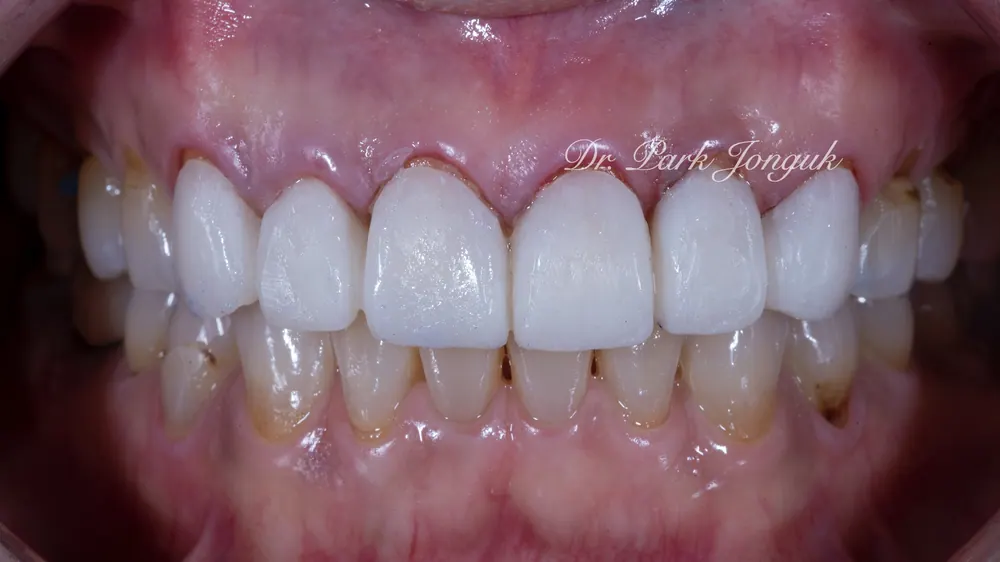
We make a temporary tooth and wait for the gum-contoured area to heal well.
Then, using the temporary tooth, we carefully continue consulting with the patient
about the shape, size, and form she wants.
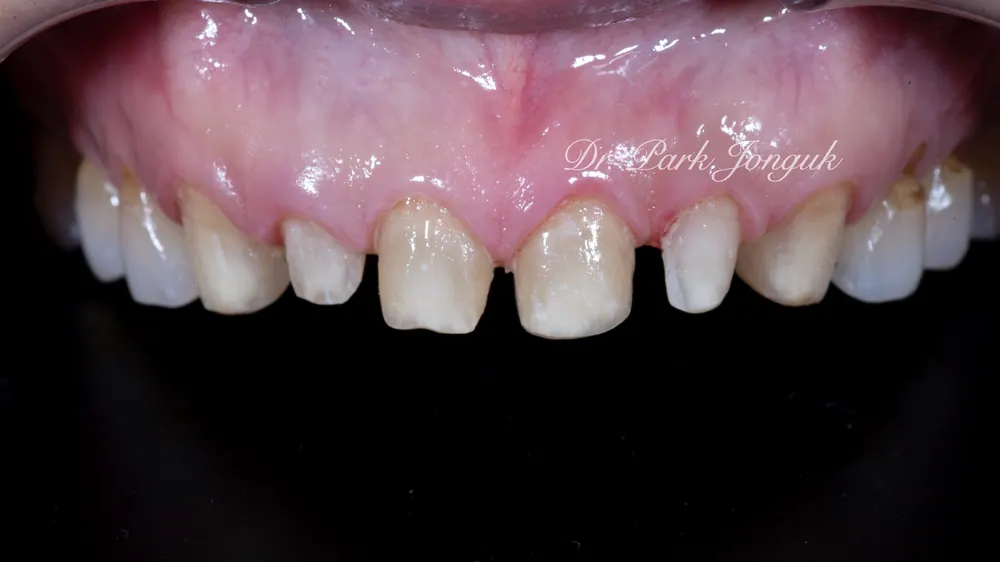
Once the gum has healed cleanly, we proceed with setting the ceramic veneers.
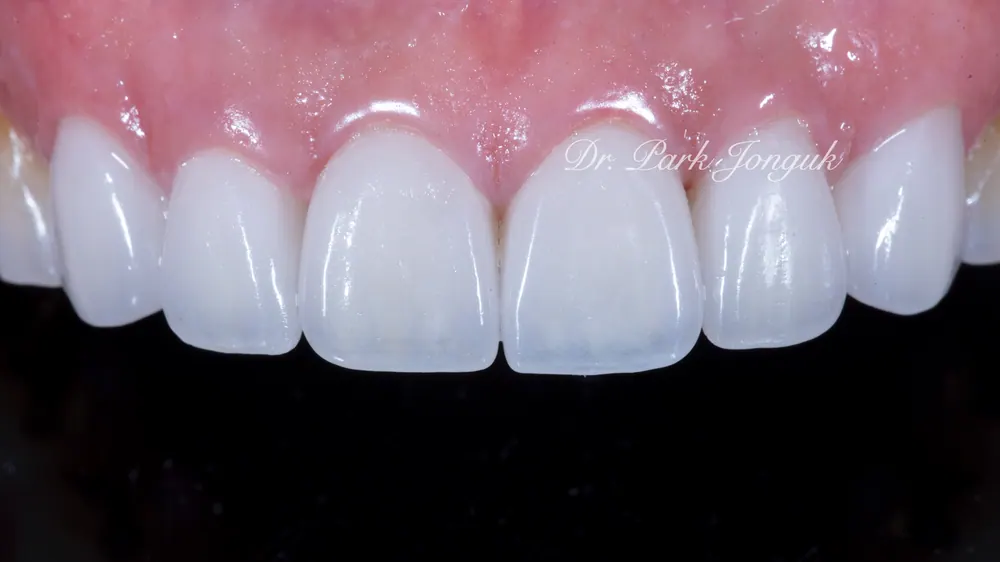
You can see that it's bright while still carrying enough translucency.
The teeth were retreated so that natural dimensionality could come through.
We match the symmetry as closely as possible.
We also keep irritation to the gum to a minimum throughout.
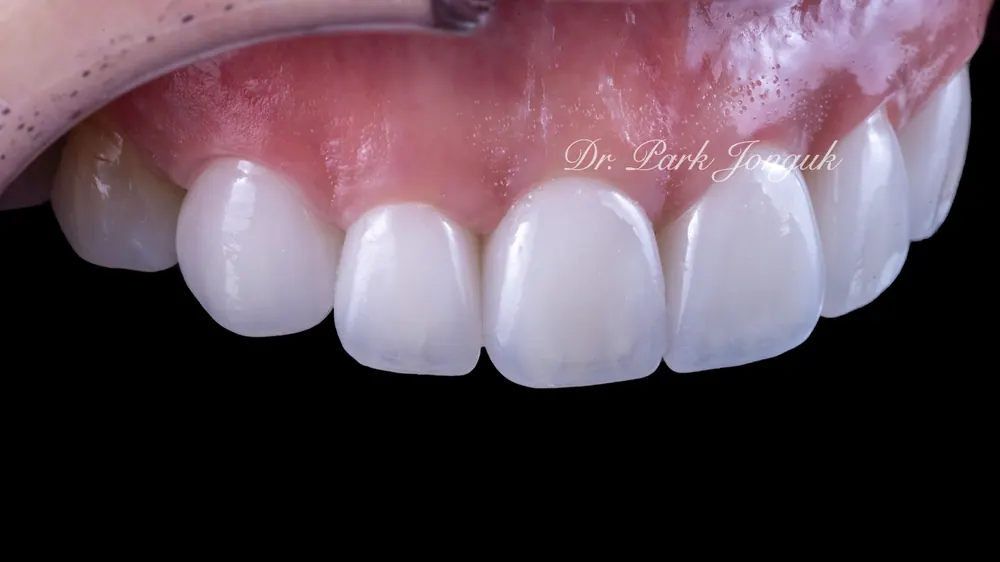
You can see healthy-looking gums.
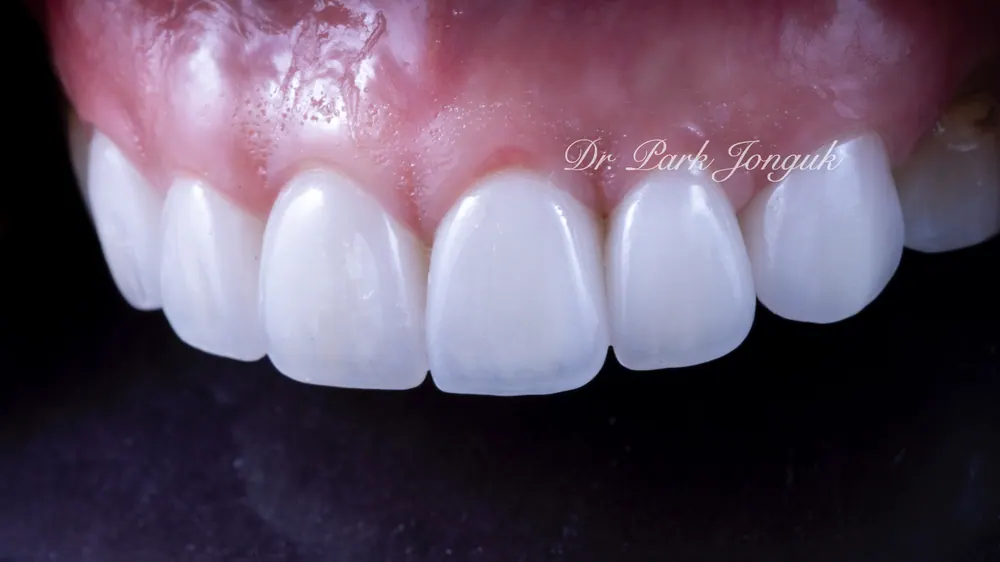
From any angle,
the teeth were finished natural and beautiful.
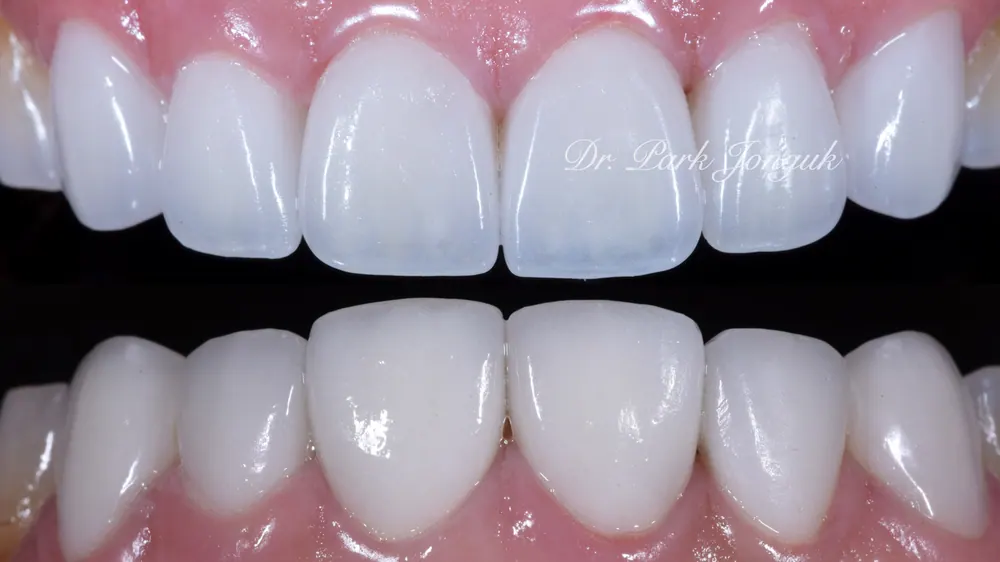
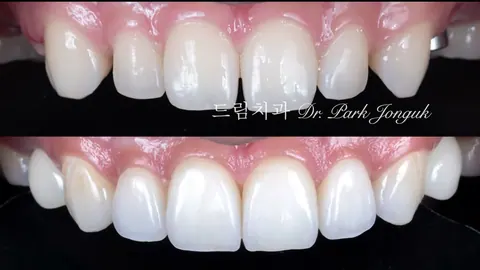
Comparing before and after,
you can see just how important the shape and dimensionality of the teeth really are.
Everything down to the symmetry and the fine details was finished fresh and beautiful.
Since 2006, Dream Dental Clinic
This article is a clinical note written by Dr. Park Jonguk of Dream Dental Clinic, Gangnam; the original was published on his blog. The photographs shown are real cases he treated. Results vary with each patient’s condition, and every procedure carries the possibility of individual variation and side effects.
Quick Consult
Request a Callback
Leave your number and we will call you back during clinic hours.
Request Received
We will contact you during clinic hours. For urgent matters, please call +82-2-3448-0028.