
No-Prep Veneers: Are They Possible Even With Large Teeth?
Hello. This is Park Jonguk, director of Dream Dental Clinic in Apgujeong.
Today I'm introducing a special no-prep veneer case.
I'll explain how no-prep is possible even when the teeth are large.
The three conditions for no-prep veneers
There are three conditions for no-prep veneers that I always emphasize.
1. The teeth need to be small
Since the tooth needs to be built up, there's no need to cut it down.
It's actually treatment in the direction of adding, not removing.
2. The alignment needs to be even
If the teeth are already well arranged, no positional correction is needed.
If they're crooked, reduction is needed; if they're even, reduction is unnecessary.
3. The teeth must not be protruding
The teeth must not be sticking out toward the front.
In fact, no-prep works best when the teeth are tilted inward, as with over-retracted teeth.
When all three of these conditions are met, it's the ideal case for no-prep veneers.
What made this particular case special
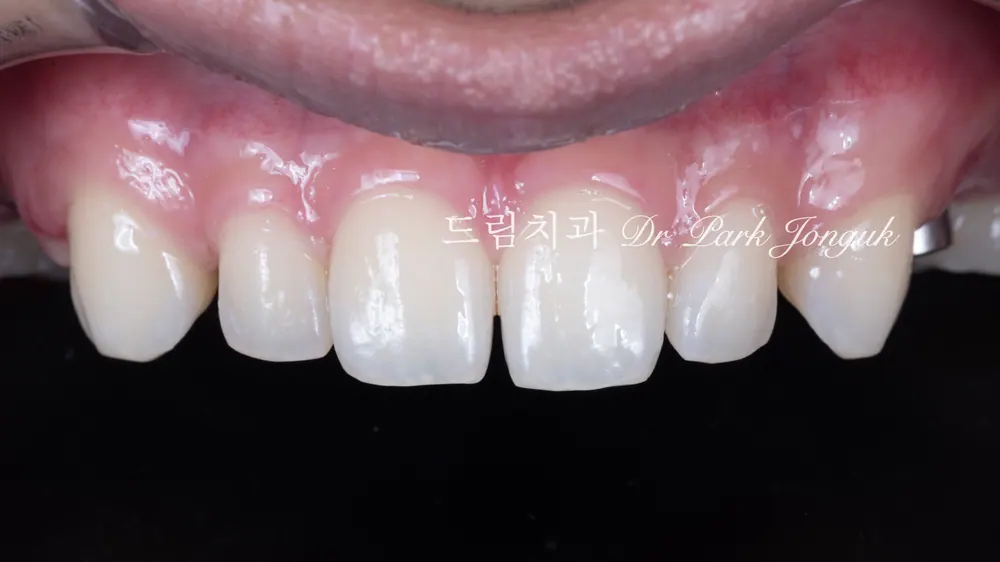
Photo 1 is the initial consultation photo.
What do you notice about this patient?
The alignment is good. The teeth are neatly arranged.
They don't protrude either. Not quite over-retracted, but the position is fine.
But the teeth are large.
That's where the problem lies.
This doesn't meet the first condition for no-prep veneers, which is "the teeth need to be small."
The teeth are already an adequate size, or slightly larger than that.
So what happens if we do no-prep veneers in a case like this?
The teeth get even bigger and look unnatural.
Excessively large teeth look awkward and artificial.
So does that mean no-prep is impossible for this patient?
Precise diagnosis is the answer
The best way to overcome this problem is precise diagnosis.
It's not about stubbornly insisting on "no-prep" no matter what.
It's about finding a way to make it possible through precise diagnosis.
Wax-up precision diagnosis
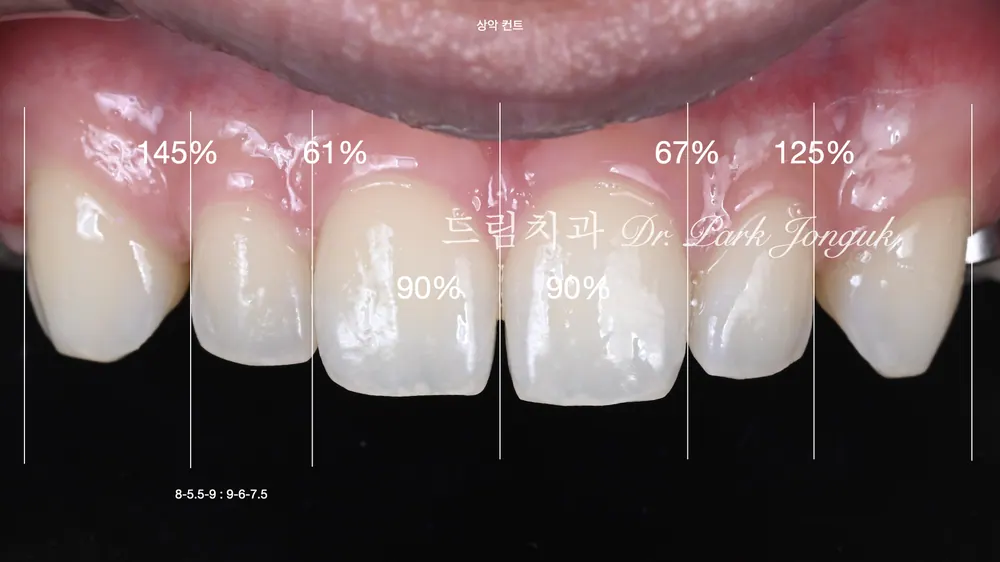
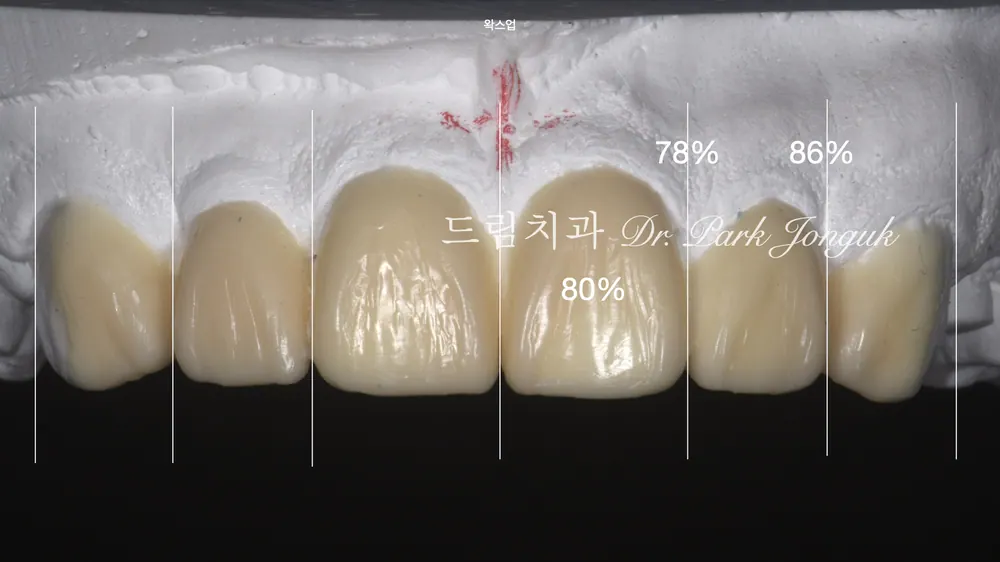
Photos 2 and 3 show the wax-up precision diagnosis.
This is the process of building the final shape in advance before treatment.
What's the key point here?
Through diagnosis, we have to carefully control the proportion and size of the teeth.
It's not just about looking at size alone.
We adjust the proportions
We optimize the ratio of tooth width to length.
We naturally adjust the size relationship between the central and lateral incisors.
We evaluate whether each tooth suits the patient's face and lips.
We design the shape with precision
We make the tooth edges rounded and delicate.
We design the developmental lobes and surface contours three-dimensionally.
These details make the teeth visually appear smaller.
We make use of visual effects
Even at the same size, teeth can look different depending on their shape.
A delicate, three-dimensional shape looks smaller and more natural.
A uniform, flat shape looks bigger and coarser.
Using this principle, we designed it so that even though the actual size isn't small, it looks visually appropriate.
Confirming with a try-in
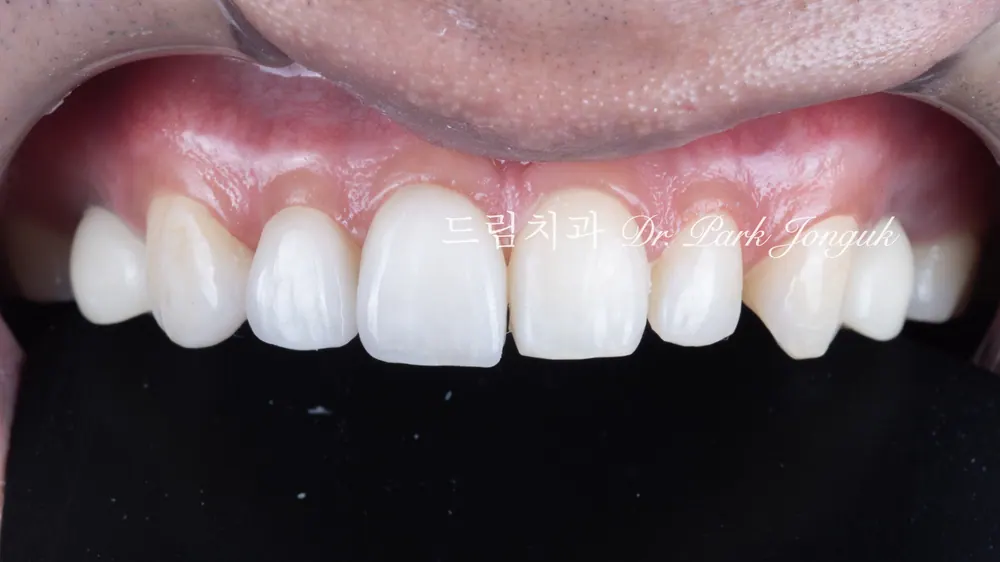
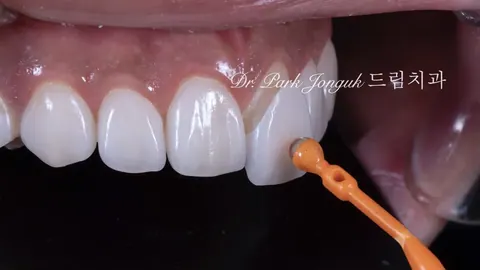
Photo 4 shows the state with the veneers placed only on the right-side teeth.
This is the try-in process.
We can compare left and right
The right side has the veneers placed on.
The left side is still in its pre-treatment state.
Comparing them this way lets us clearly see the change.
We check whether the size is appropriate
The most important thing is size.
Do the teeth look too big?
Does it look natural and harmonious?
Does it suit the patient's face and lips well?
We check all of this in reality.
We consult together with the patient
We show it directly to the patient and listen to their opinion.
We thoroughly discuss the size, shape, and color.
If needed, we make adjustments at this stage.
Going through this process is what leads to high satisfaction with the final result.
After treatment, a perfect harmony
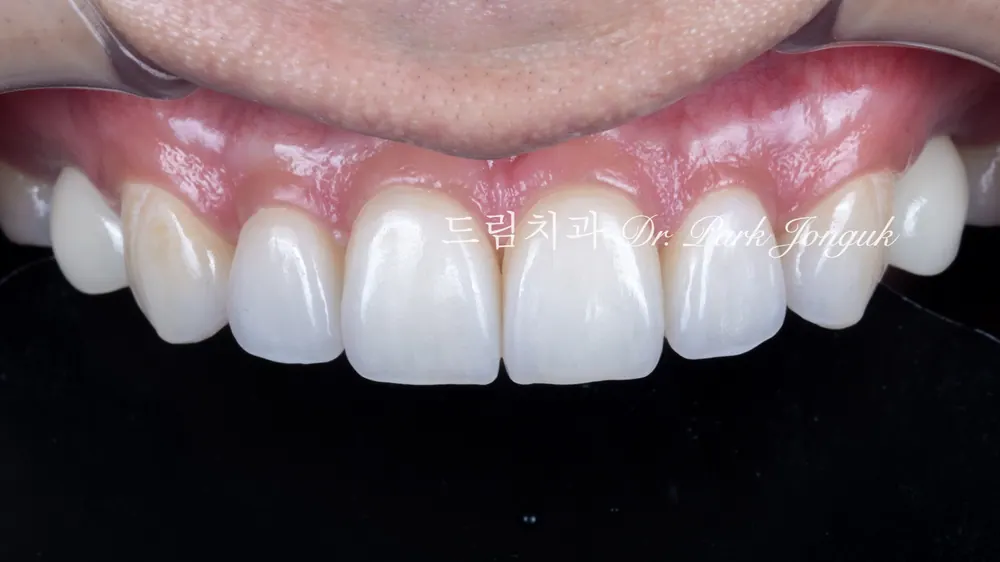
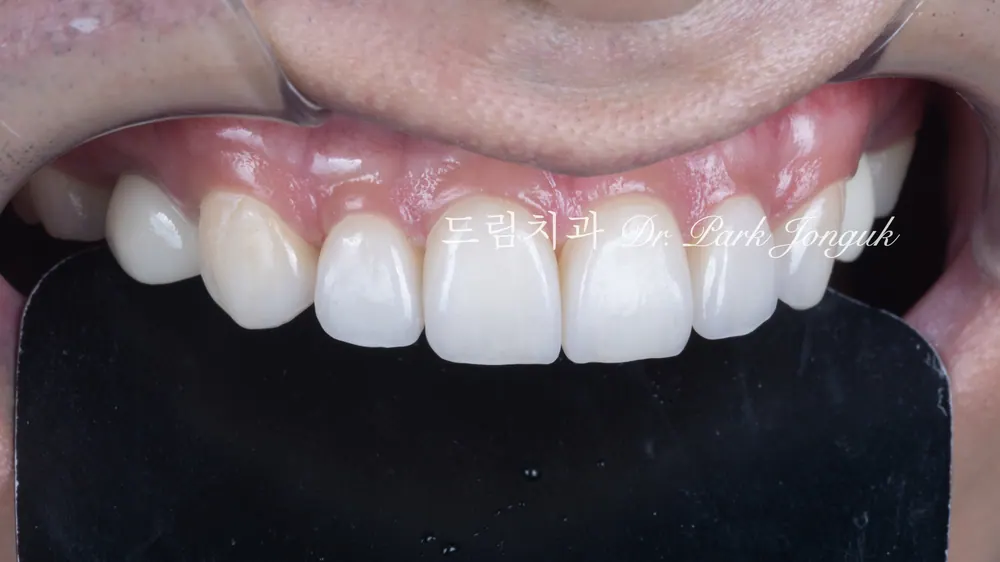
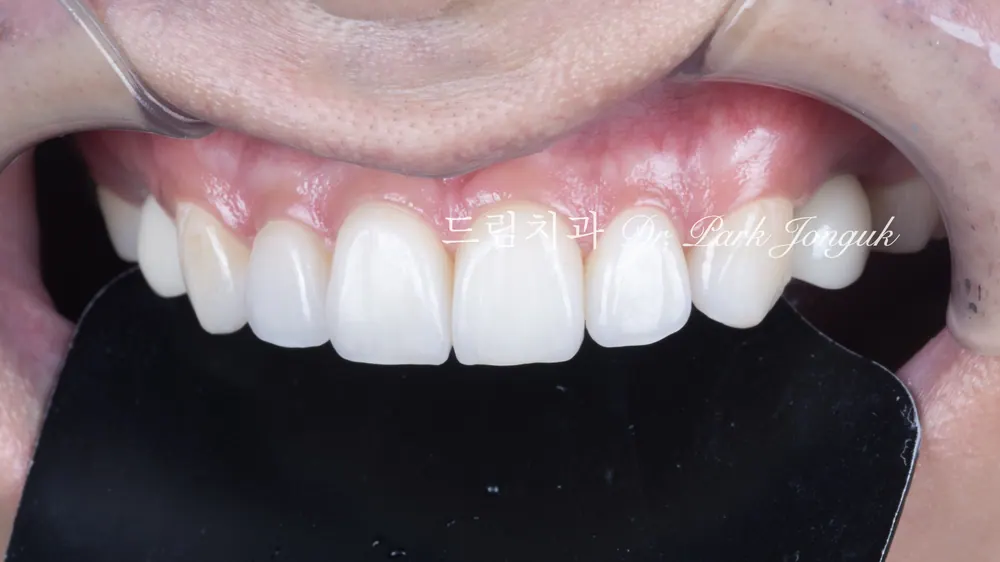
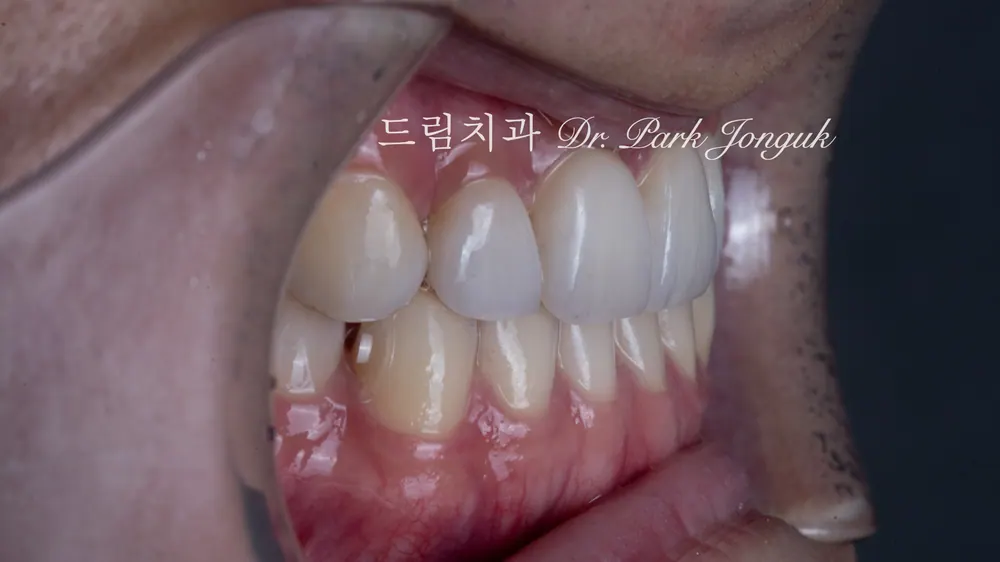
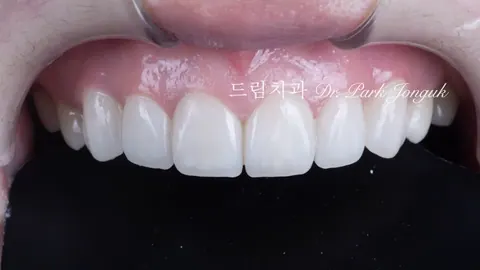
Photos 5, 6, 7, and 8 show the appearance after treatment.
It really is beautiful and natural.
The size is appropriate
Despite the original condition of large teeth, the final result doesn't look large at all.
In fact, it harmonizes perfectly with the patient's face.
It's an ideal size — not too big, not too small.
The proportions are perfect
The size relationship between the central and lateral incisors is natural.
The ratio of tooth width to length is well balanced.
The left-right symmetry is beautiful.
The shape is delicate
The tooth edges are round and elegant.
The developmental lobes and subtle contours are reproduced on the surface.
It's not uniform — each tooth has its own distinct character.
It's three-dimensional and full of life.
The translucency feels alive
The natural translucency at the tooth edge is beautifully expressed.
As light passes through, it diffuses softly.
This is the power of a handcrafted, multilayer build-up.
The color looks natural
It's a bright yet natural ivory tone.
There's a subtle color gradation from the root side to the tip.
It doesn't look artificial — it looks like a real tooth.
No-prep veneers are possible even when the conditions aren't a perfect match
What lesson does this case offer?
The three conditions are a guideline, not an absolute rule
The condition that "the teeth must be small, the alignment good, and the teeth must not protrude" is the ideal condition for no-prep.
But it isn't an absolute requirement.
As this case shows, it's possible even when the teeth are large.
Precise diagnosis overcomes the limitation
If precise wax-up diagnosis is used to optimize proportion and size, no-prep is possible even when the conditions aren't perfect.
Doing it without diagnosis, no matter what, is risky — but with precise diagnosis, possibilities open up.
The power of design matters
Even at the same size, teeth look different depending on the design.
A delicate shape, appropriate proportions, and three-dimensional character all adjust the visual size.
This is precisely the art of esthetic dentistry.
The try-in process is essential
Planning with a wax-up and confirming with a try-in is an essential process.
It has to go through a process of checking and adjusting together with the patient.
Without this process, success can't be guaranteed.
If you're considering no-prep veneers
If you're considering no-prep veneers, here's what to do.
Check the three conditions, but understand they aren't absolute
It's best if the basic conditions are met.
But don't give up even if one or two conditions don't match.
It can be overcome through precise diagnosis.
Ask for precise diagnosis
A wax-up diagnosis is essential.
You need to build and check the final shape in advance.
This process optimizes the size, proportion, and shape.
Go through the try-in process
It's important to actually place it on and check it.
The patient should personally evaluate it while looking in a mirror.
At this stage, there needs to be thorough consultation and adjustment.
Choose an experienced dental clinic
The less perfect the conditions, the more experience matters.
Choose a dentist with over 20 years of clinical experience.
Experience handling a wide variety of cases is the key to success.
Frequently asked questions (Q&A)
Q1. Is no-prep really possible even when the teeth are large?
A. Yes, it's possible with precise diagnosis and design.
As in this case, using proportion adjustment, shape optimization, and visual effects can achieve a natural result even when the teeth are large.
Q2. Why is a wax-up diagnosis necessary?
A. It's to predict and plan the final result in advance.
Especially when the conditions aren't perfect, a wax-up allows precise control of proportion and size to produce the best possible result.
Q3. Won't the teeth feel thick after no-prep veneers?
A. Not at all, if designed properly.
It's an ultra-thin veneer of 0.2-0.3mm, and with the shape and proportions optimized, it feels natural and comfortable.
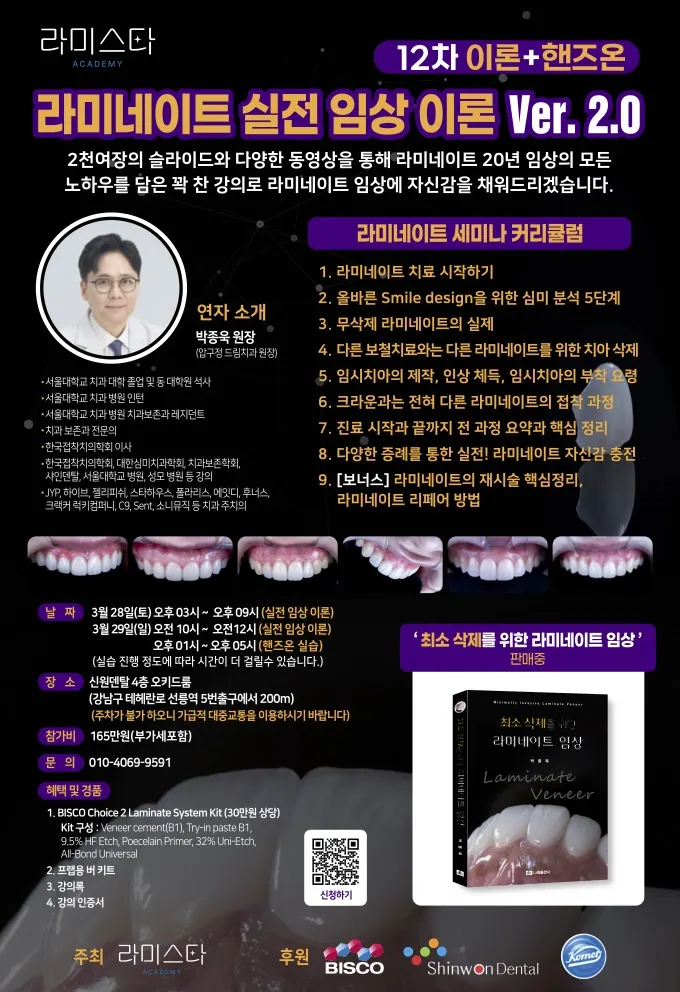
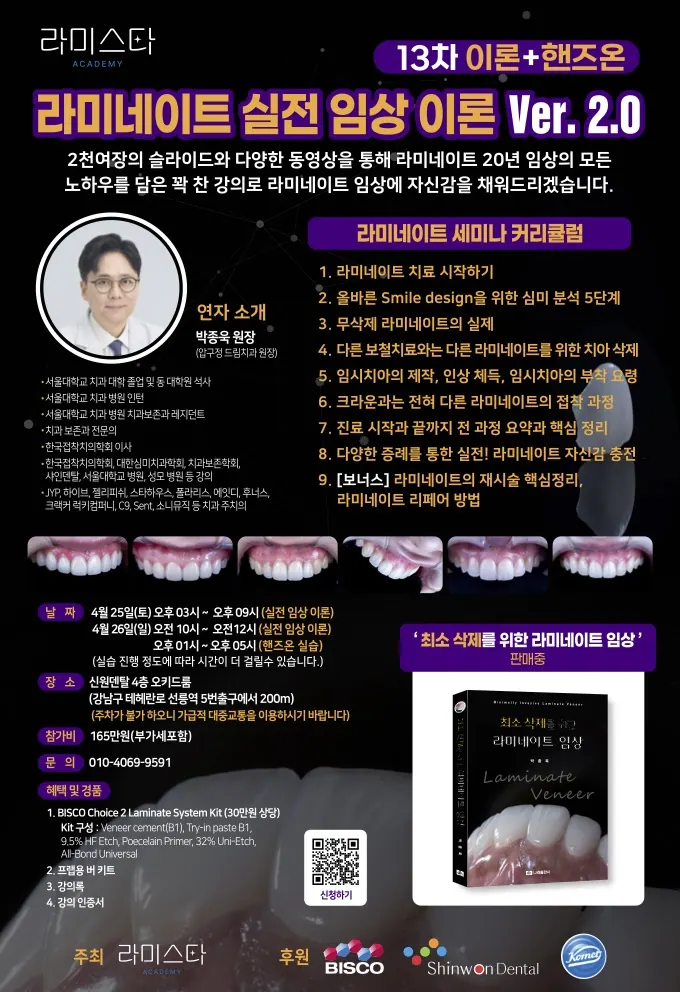
This article is based on the actual clinical experience of Dr. Park Jonguk, director of Dream Dental Clinic in Apgujeong. He has practiced esthetic dentistry for 20 years and lectures monthly to fellow dentists on no-prep veneer techniques at Lamista Academy. He published Korea's first veneer textbook.
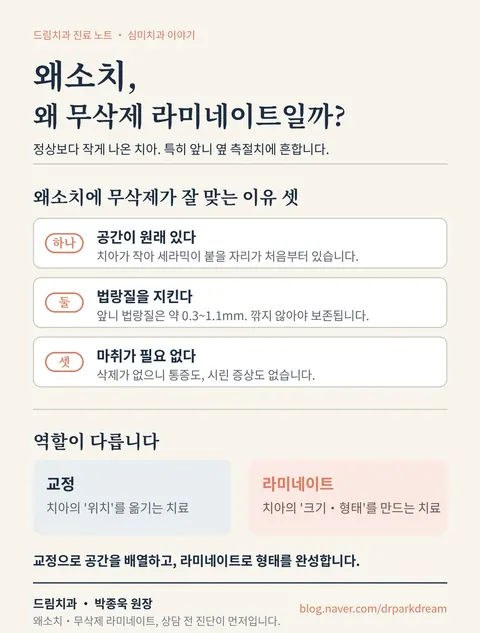
This article is a clinical note written by Dr. Park Jonguk of Dream Dental Clinic, Gangnam; the original was published on his blog. The photographs shown are real cases he treated. Results vary with each patient’s condition, and every procedure carries the possibility of individual variation and side effects.
Quick Consult
Request a Callback
Leave your number and we will call you back during clinic hours.
Request Received
We will contact you during clinic hours. For urgent matters, please call +82-2-3448-0028.