
No-Prep Partial Veneers for Gapped Teeth
Hello, I'm Park Jonguk, director of Dream Dental Clinic.
When there are gaps between the teeth,
there are a few treatment options,
and orthodontics is one to consider first.
By moving the teeth,
the gapped space can be closed.
It has the drawback of taking a long time,
but if the retainer is worn properly after orthodontics,
the post-treatment result can be maintained for a long time without issue.
Another method
is treatment using resin.
It can be done in a single day,
and it has the advantage of being inexpensive.
However, it discolors over time,
and if the gap is too wide, it's prone to fracturing.
This means having to get repeat treatment over and over.
On top of that, because of the material's limitations, resin can't easily match the tooth color perfectly.
What can take the place of resin
is a no-prep partial veneer.
Made of ceramic,
it closely matches the tooth color
and, unlike resin, discolors less and is harder.
However, since it has to be made as thin as about 0.1mm,
it can only be made with a considerable amount of fabrication know-how.
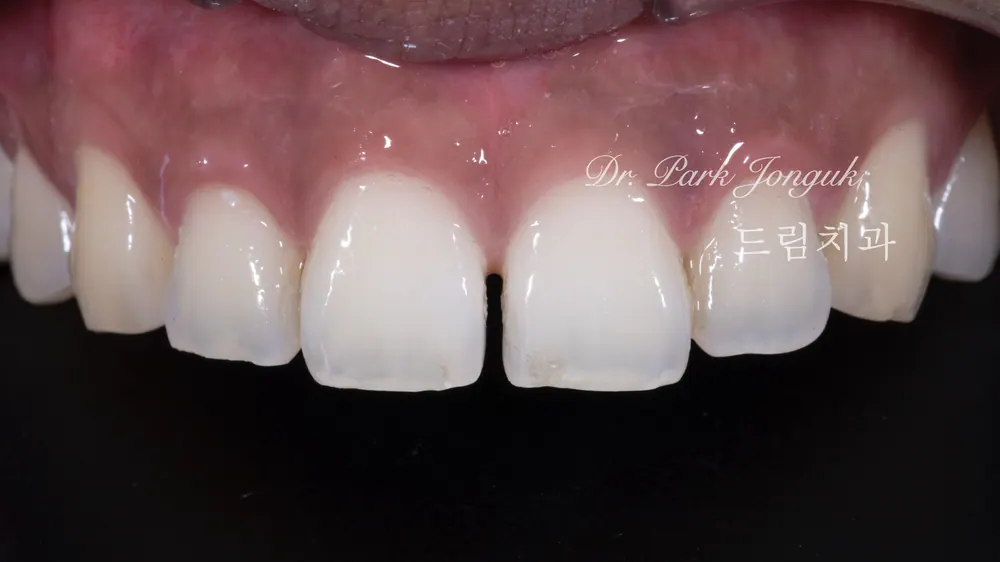
There was a gap between the front teeth.
This could be treated with orthodontics or with a veneer.
If you want fast treatment, a veneer is a good option.
That's because there's no tooth reduction, and it lasts longer than resin.
If it had been a veneer that required tooth reduction,
I probably would have recommended orthodontics instead.
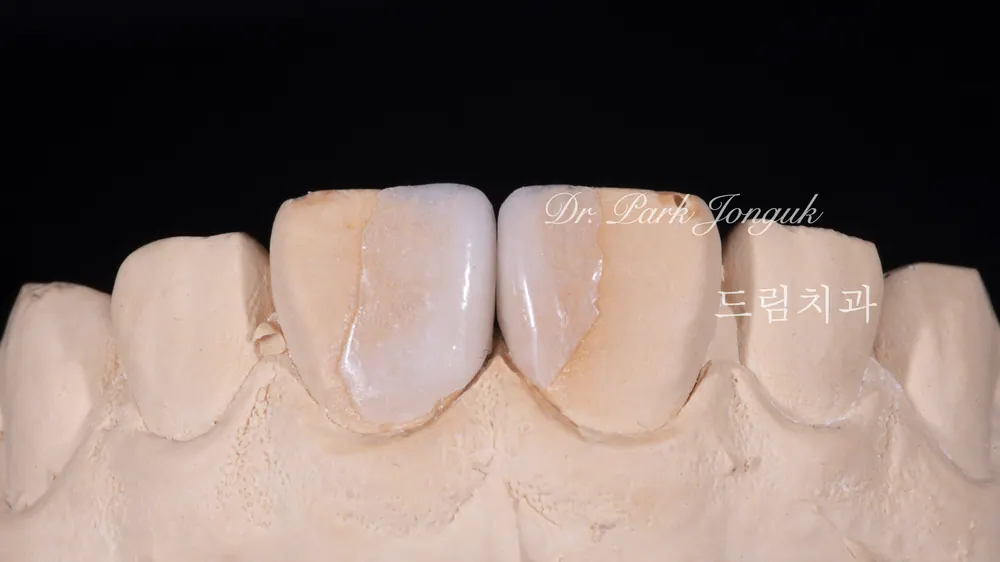
It's fabricated to wrap only part of the tooth like this.
The thinnest part isn't even 0.1mm.
It can only be fabricated by hand.
Among no-prep veneers, this is the most difficult to fabricate.
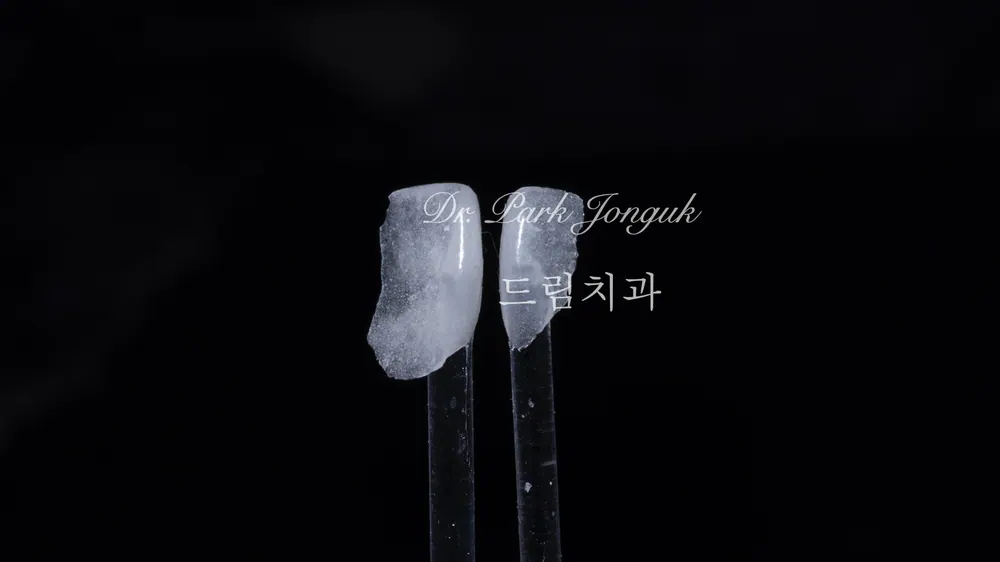
Even to the eye, you can tell it's remarkably thin.
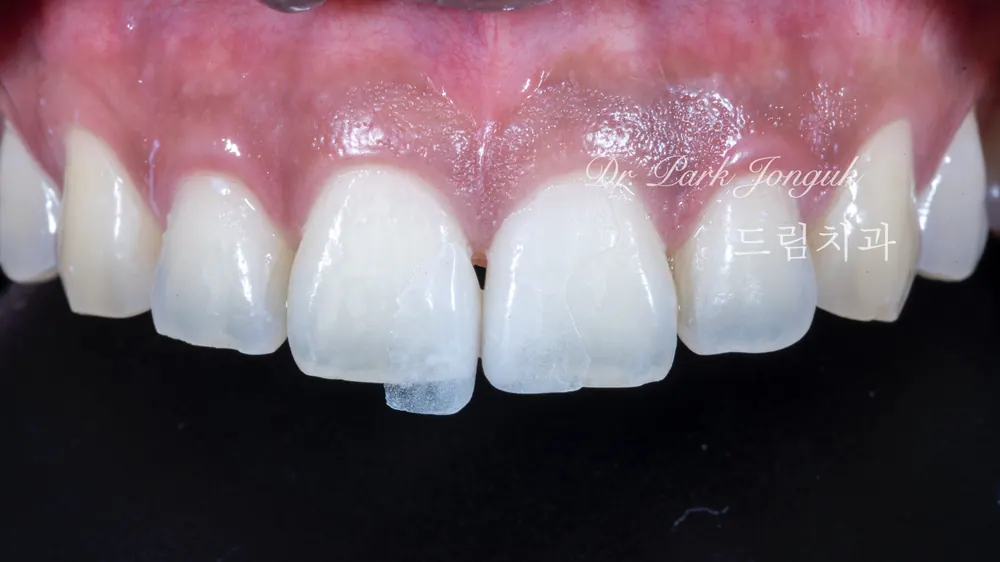
It fits into the space between the teeth like this,
and because it's so thin, it's quite translucent,
so the natural tooth color shows right through.
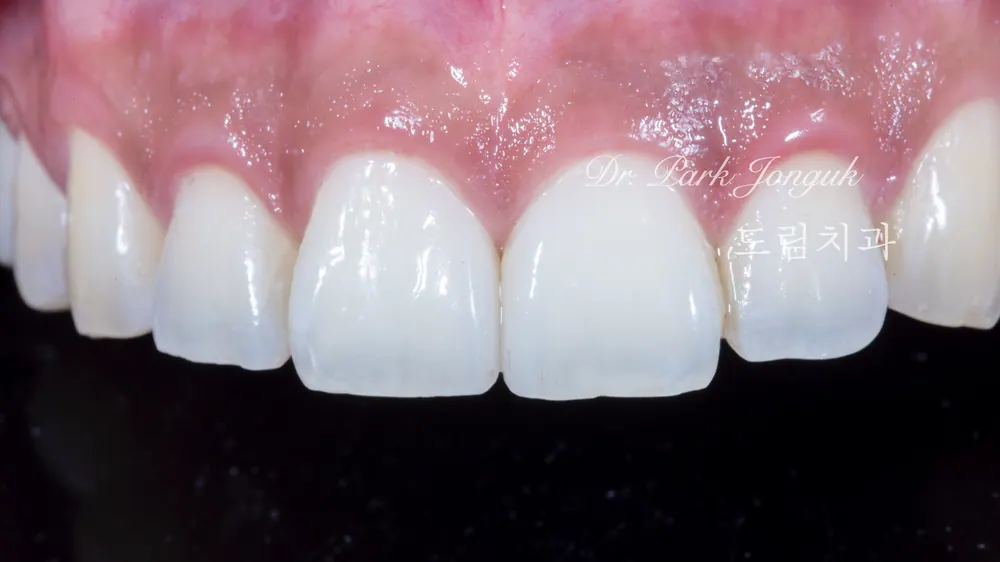
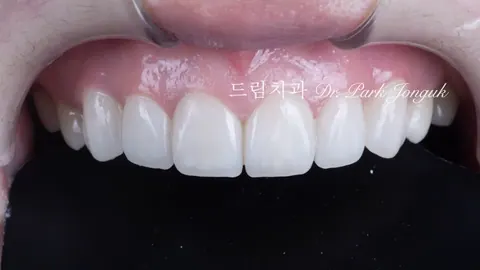
This is the appearance after no-prep partial veneer treatment.
With the naked eye, it's hard to make out the boundary with the tooth.
Even in this photo, magnified several times larger than the actual tooth,
it's still hard to tell apart.
Because the tooth's translucency stays fully intact,
the aesthetic result is excellent.
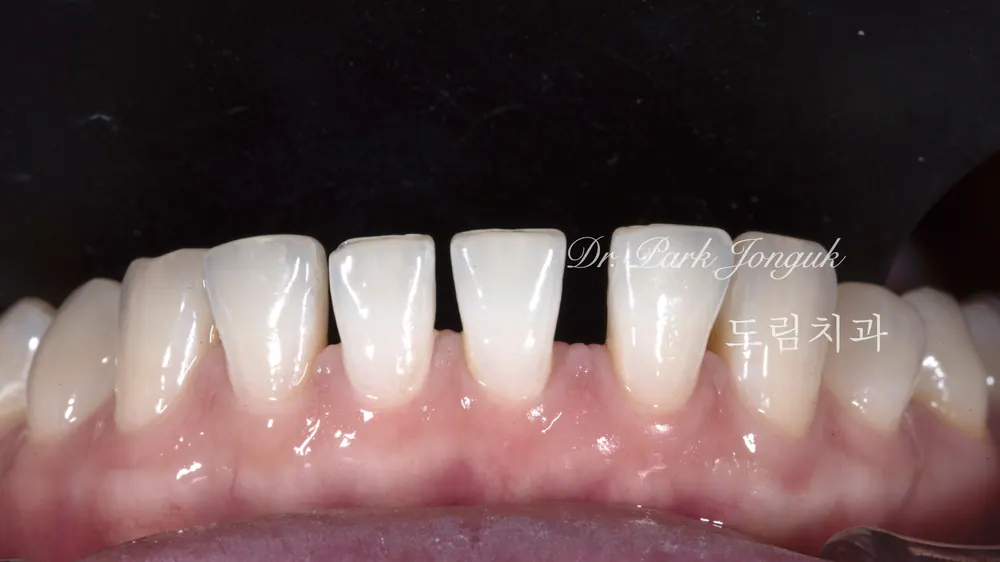
Using the same method,
we decided to proceed with no-prep partial veneer treatment.
This is only possible if both the upper and lower teeth have no occlusal issues.
The lower teeth in particular need to have no occlusal problems.
Since the size of the gap between teeth differs in every case,
matching the tooth size as well is a very difficult task.
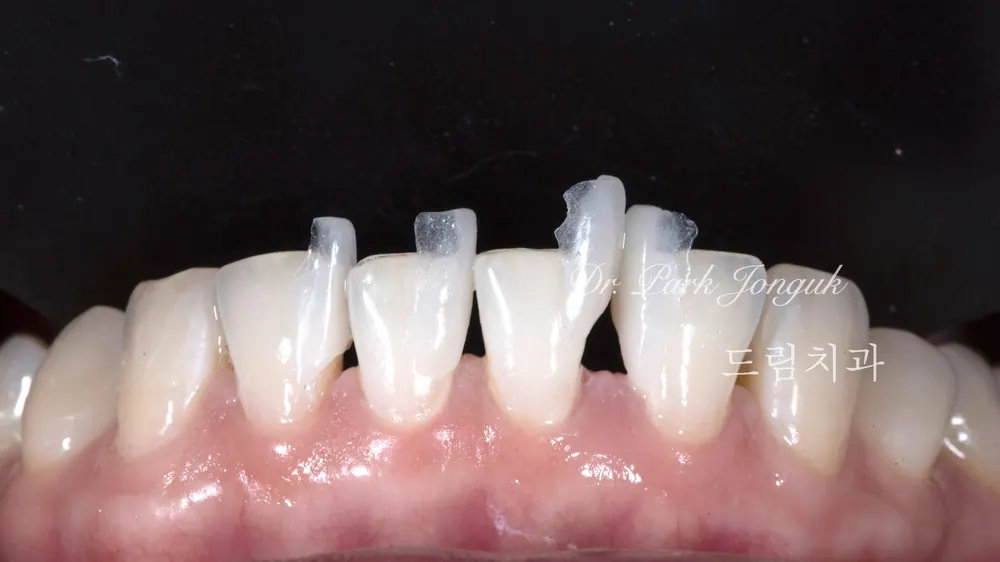
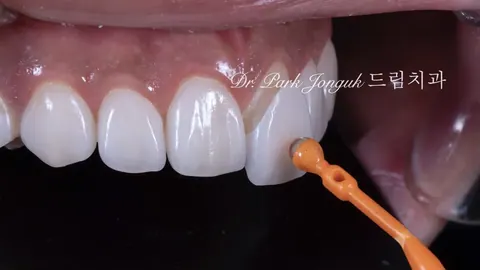
This is how the no-prep partial veneer was fabricated.
While making it fit into the gaps,
the part that bonds to the front surface has to be extremely thin
and fabricated to closely match the tooth color.
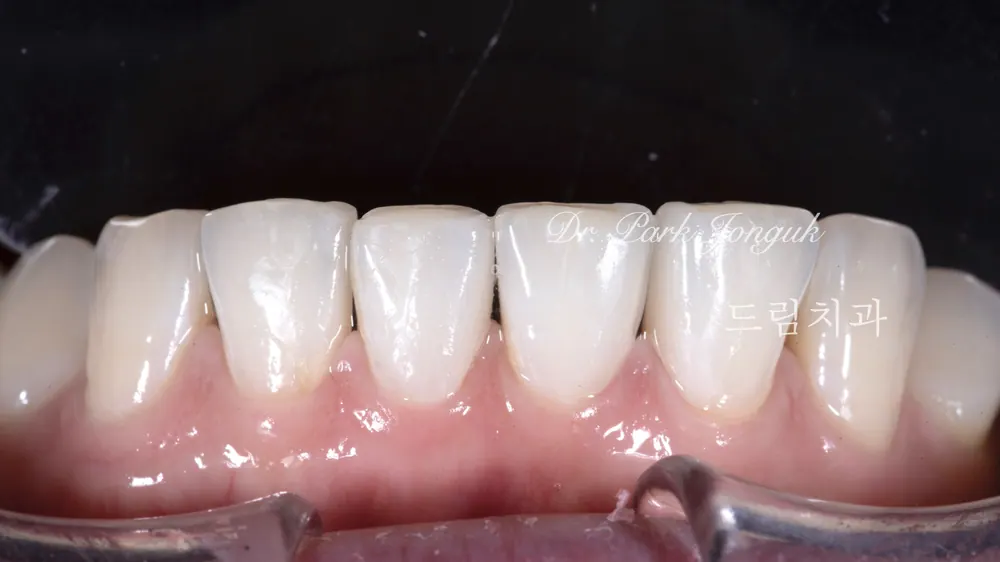
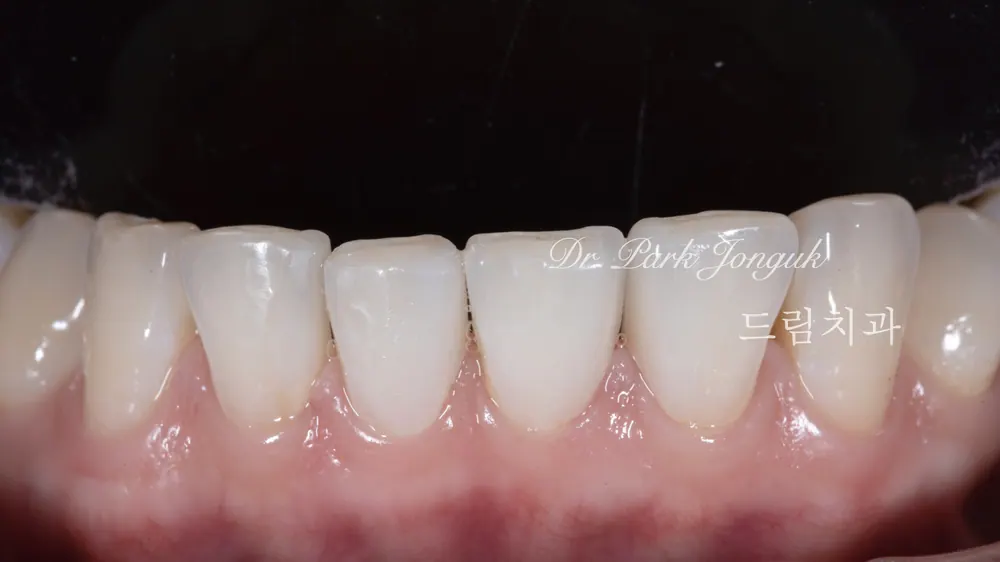
Once it's set in place, it becomes hard to tell apart with the naked eye.
Harmony with the gums matters just as much.
Finishing quickly and naturally, without any tooth reduction,
and offering the advantage of a natural result,
along with lasting longer than resin,
that's what we've looked at with the no-prep partial veneer.
Natural beauty
Since 2006, Dream Dental Clinic
This article is a clinical note written by Dr. Park Jonguk of Dream Dental Clinic, Gangnam; the original was published on his blog. The photographs shown are real cases he treated. Results vary with each patient’s condition, and every procedure carries the possibility of individual variation and side effects.

Quick Consult
Request a Callback
Leave your number and we will call you back during clinic hours.
Request Received
We will contact you during clinic hours. For urgent matters, please call +82-2-3448-0028.