
Veneers: Not Awkward, Just Natural and Beautiful!
Hello. I'm Park Jonguk, director of Dream Dental Clinic.
What does a natural, beautiful tooth actually look like?
To think this through, you need to know the features of a natural tooth.
First, a natural tooth contains a range of colors within a single tooth.
There's a somewhat yellowish tone near the root,
it brightens toward the middle,
and the tip needs a sense of translucency, which is what makes it a natural tooth.
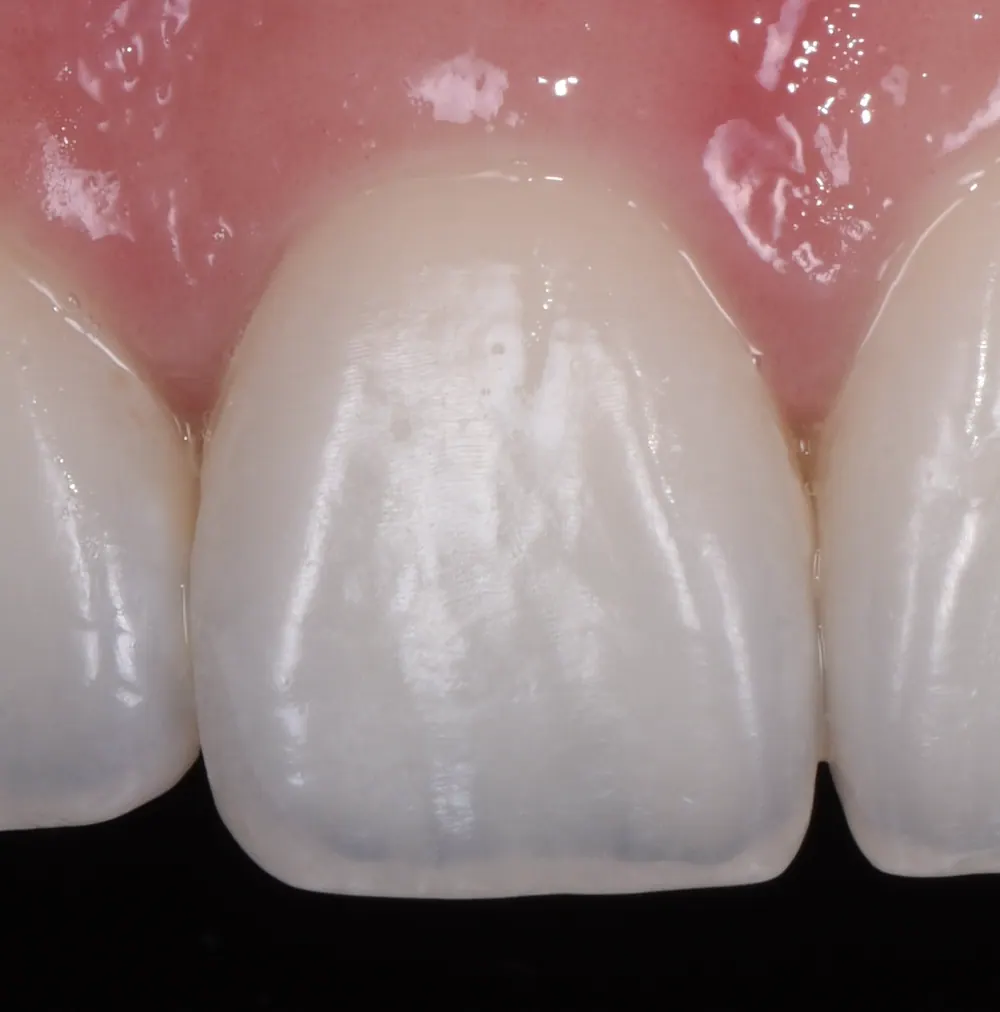
The color tone differs by part of the tooth like this,
and a translucent layer exists at the tip of the tooth.
Capturing this feel while designing a tooth that is beautiful
both subjectively and objectively,
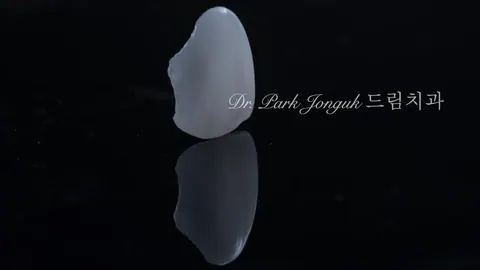
and hand-fabricating a thin veneer
using varied ceramics for each part of the tooth
is a hallmark of Dream Dental Clinic.
Veneers should always be made to look this natural,
but in some cases veneers end up looking
obviously awkward to anyone.
They can end up looking like a stick of xylitol gum stuck onto the teeth.
Instead of being made by human hands,
they're made by computer and milling machine to shorten the fabrication time,
and since that process is much simpler and faster than hand-fabrication,
a lot of clinics are doing it this way these days.
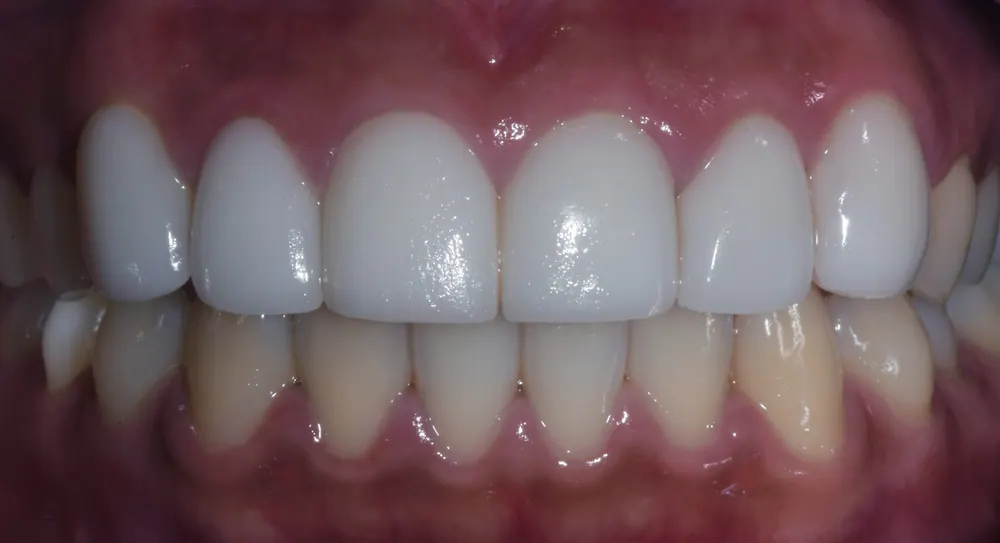
The veneers I make are different from this.
I try to capture the feel of a natural tooth as much as possible while still making it beautiful,
and because they're made by hand, they take a while to complete.
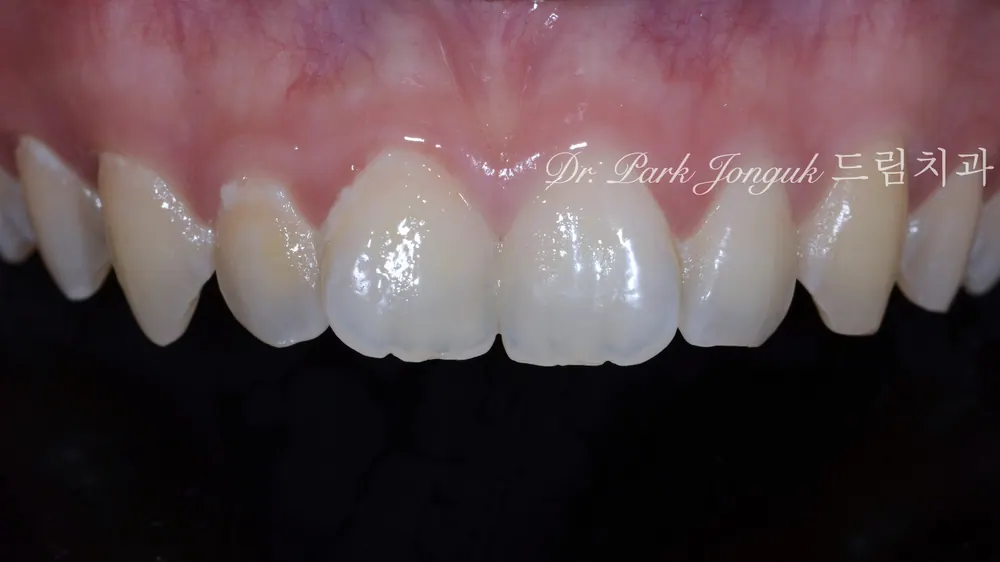
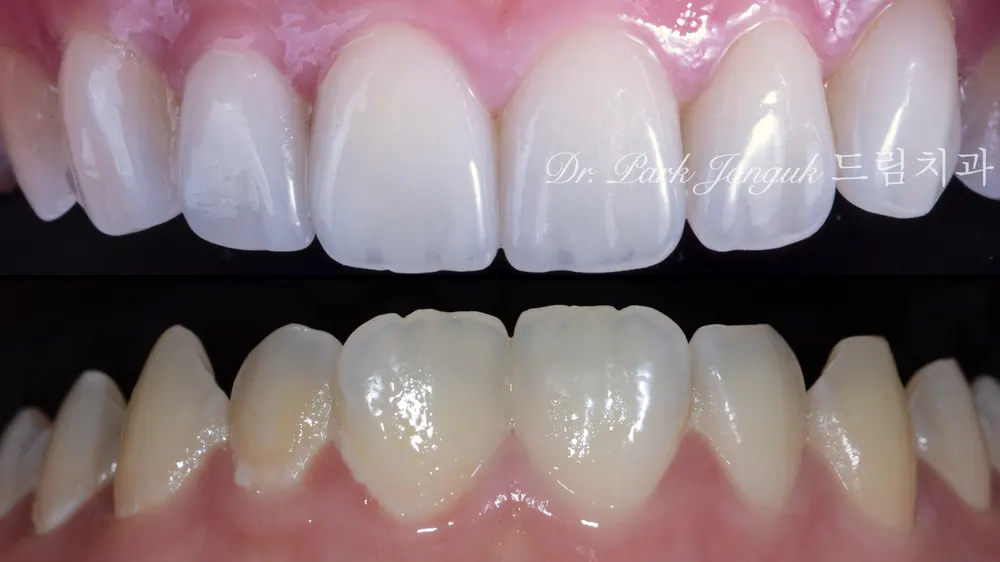
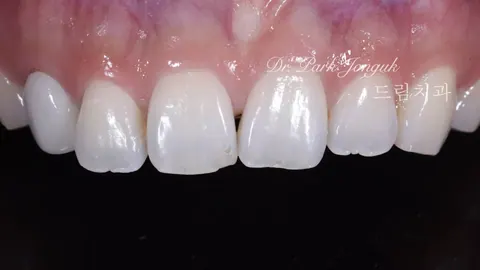
The alignment wasn't good, and the shape of the teeth also had problems.
Every tooth was a different color, giving an uneven feel.
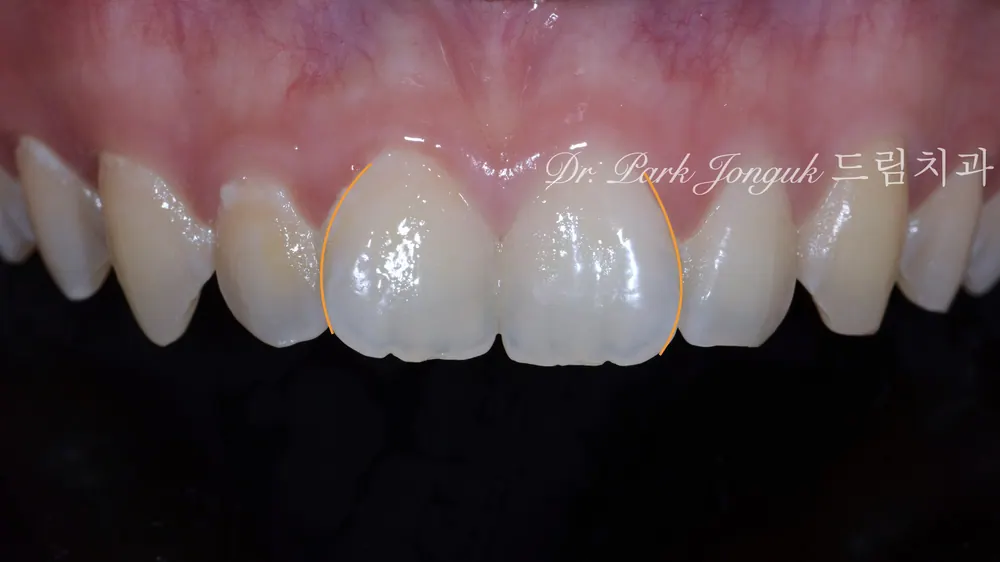
Looking at the shape of the teeth,
this kind of shape is usually described as jar-shaped.
The arrangement of the teeth wasn't good either,
with teeth protruding forward,
and when the shape is jar-like on top of that, even orthodontics has a hard time making it look pretty.
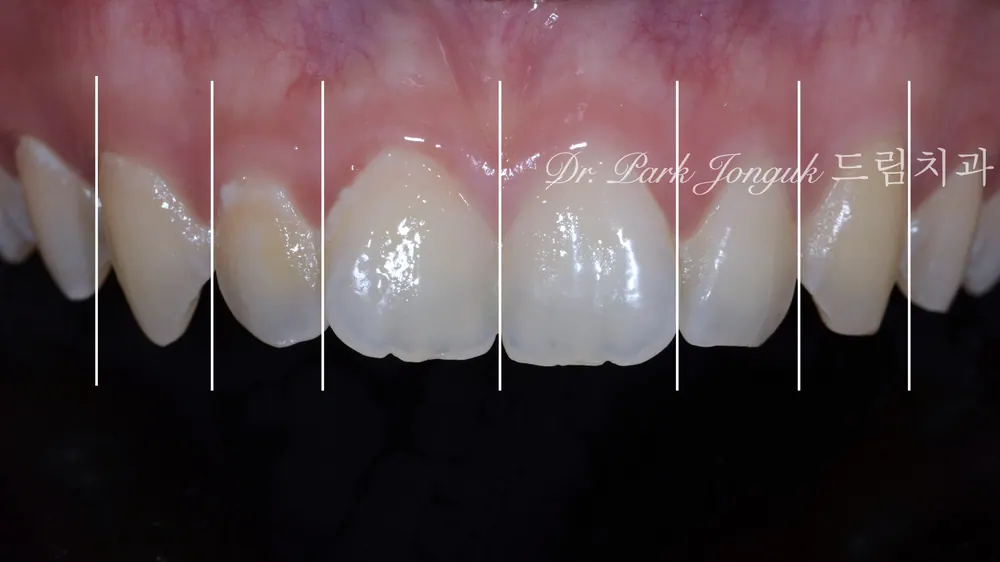
The two front teeth were too large,
so those two teeth needed to be made effectively smaller,
and the protrusion needed to be corrected as well.
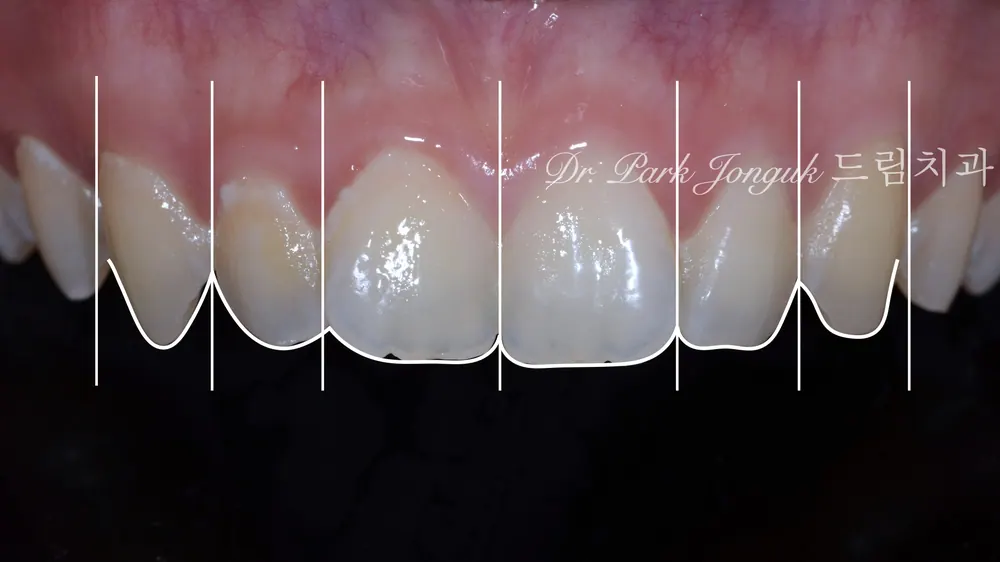
The line at the tip of the teeth was also a problem.
Because the tooth size and shape weren't typical,
the line at the tooth tips wasn't in good shape either.
Resolving issues like these is exactly what tooth reshaping does,
and within tooth reshaping, the method that keeps tooth reduction to a minimum
is the veneer.
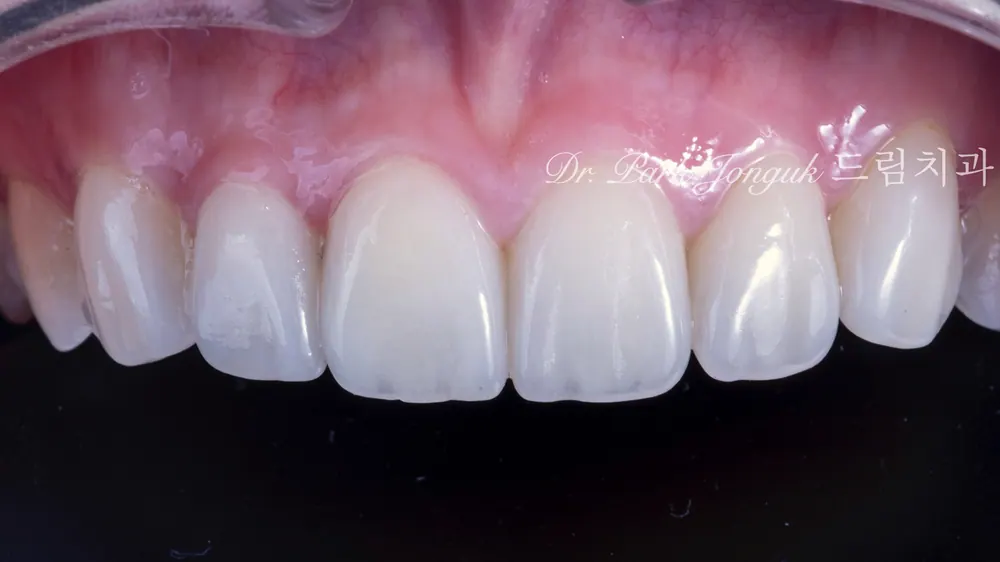
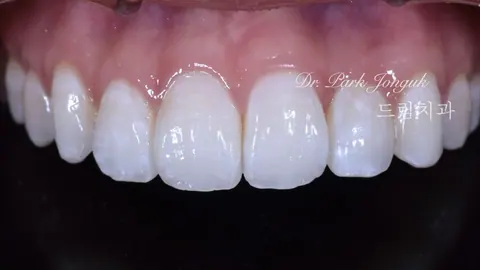
This is the state after the veneer treatment was completed.
If you look closely at the teeth,
you'll see they're not a single flat, opaque color throughout.
If you zoom in further,
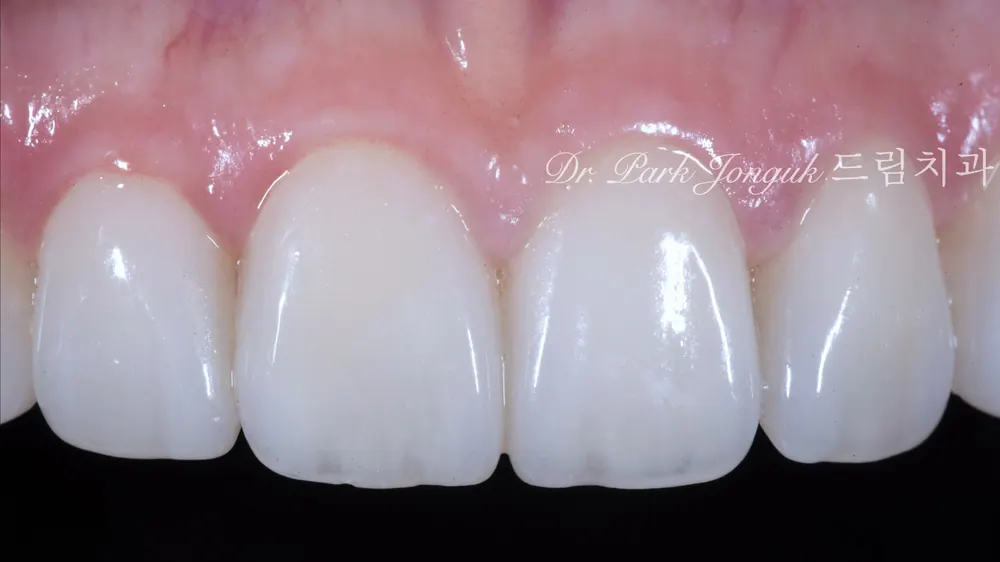
you can see that the color differs by part of the tooth, all fully expressed,
and the translucency at the tooth tip has also been brought out fully.
A natural tooth's tip is never a perfectly straight line to begin with.
We expressed that natural tooth-tip line as well.
The three-dimensionality of the teeth is good too, making this a veneer that's nearly indistinguishable from a natural tooth.
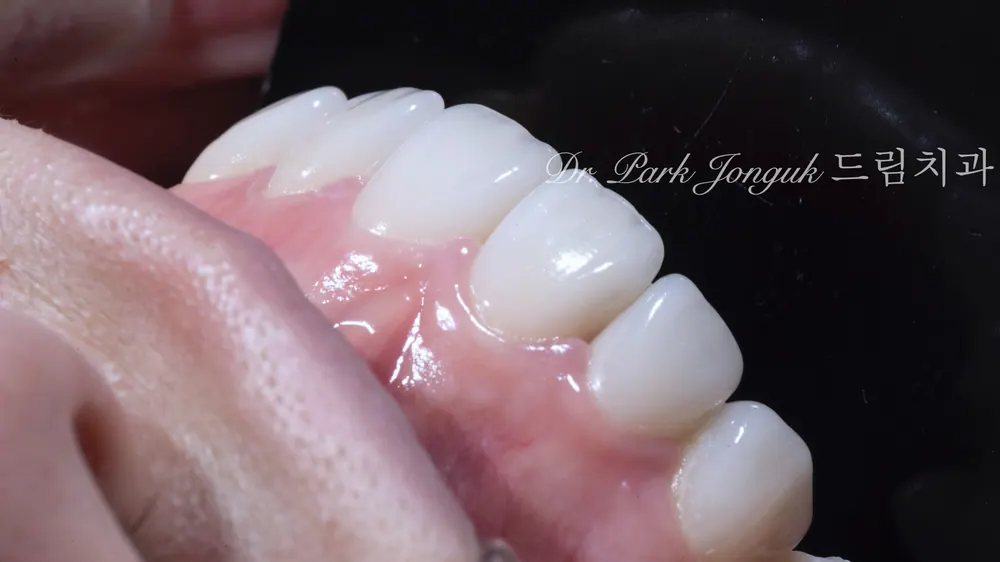
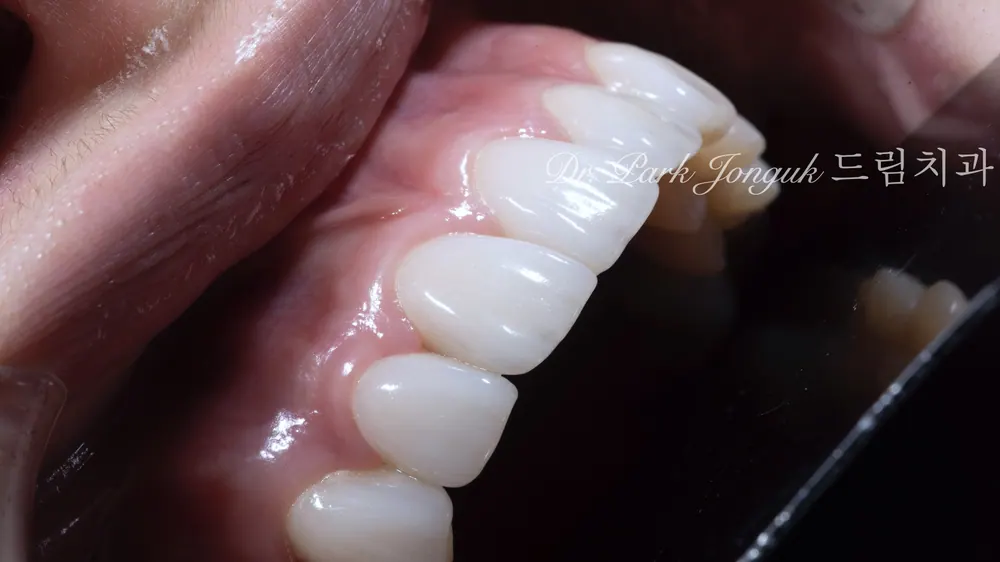
From any angle,
it's hard to tell whether it's a natural tooth or a veneer.
Expressing everything about a natural tooth in ceramic this thin
is a very difficult task, requiring care, time, and a tremendous amount of know-how.
Since 2006, Dream Dental Clinic
This article is a clinical note written by Dr. Park Jonguk of Dream Dental Clinic, Gangnam; the original was published on his blog. The photographs shown are real cases he treated. Results vary with each patient’s condition, and every procedure carries the possibility of individual variation and side effects.
Quick Consult
Request a Callback
Leave your number and we will call you back during clinic hours.
Request Received
We will contact you during clinic hours. For urgent matters, please call +82-2-3448-0028.