
Veneers: How Much of Your Natural Tooth Gets Cut Away?
When I do veneer consultations,
there's a question that comes up even before the price.
"Doctor, how much of my natural tooth do I need to have cut down?"
This is the question I welcome the most.
It means the patient cares that much about their own teeth.
Let's start with the conclusion.
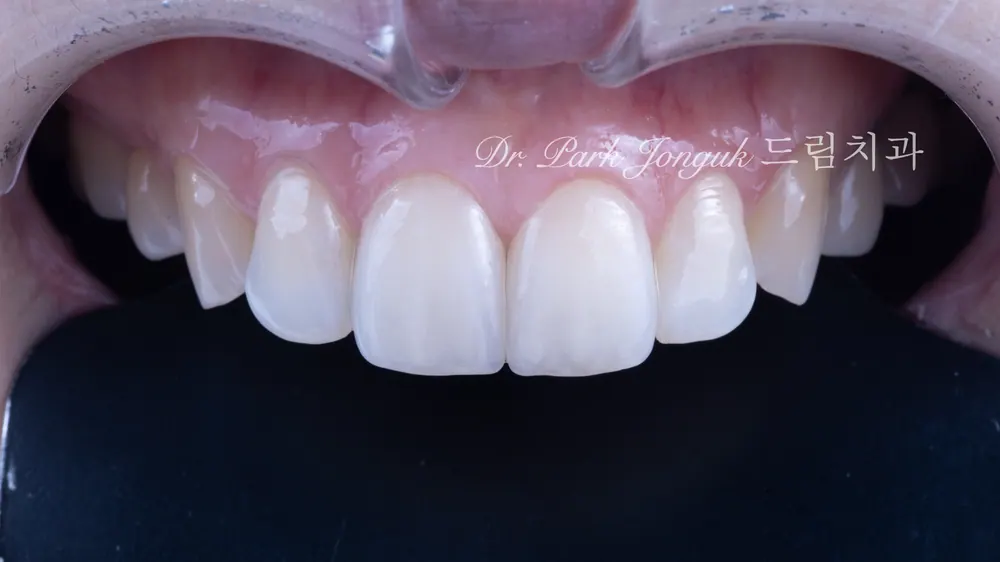
A standard veneer trims the front surface of the tooth by about 0.3-0.7mm before a thin piece of ceramic is bonded on.
A no-prep veneer involves almost no reduction at all.
But "no reduction" doesn't mean "zero impact."
And one more thing — the amount reduced differs from person to person.
It also differs from tooth to tooth, and from one part of a tooth to another.
What Exactly Is a Veneer?
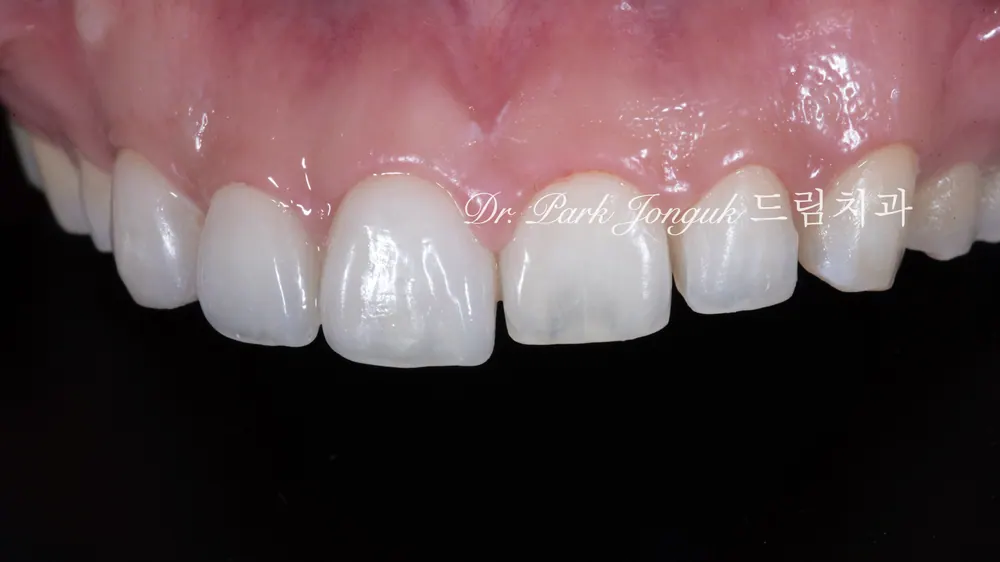
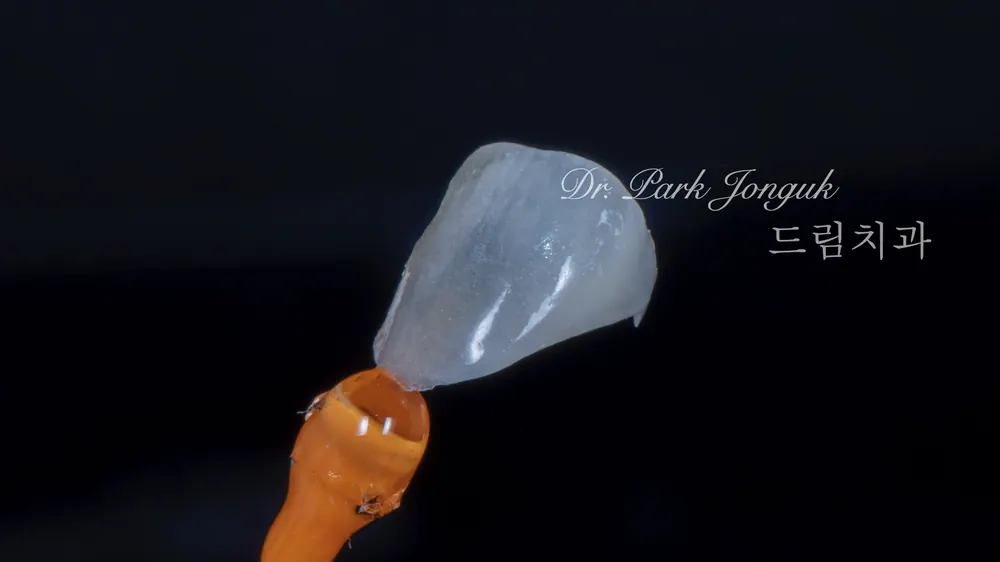
A veneer trims the front surface of the tooth very thinly,
then bonds a piece of ceramic as thin as porcelain onto it, changing the shape and color.
You can think of it as similar to applying a thin tip onto a fingernail.
Except a tooth requires a far more precise plan than a nail does.
These days, it's increasingly common to see the exact same treatment advertised under a different name, as if it were something else,
and even I sometimes think, "that's a nice name, well chosen"...
but it's all the same treatment.
So How Much Is Really Cut Away?
A standard veneer typically involves trimming 0-0.7mm.
Just looking at the numbers, it's hard to get a real sense of it.
The thickness of the enamel covering the outside of a front tooth is roughly 0.3 to 1.1mm.
Think of it as adjusting a thickness within that layer equal to just a few sheets of paper.
It doesn't reach the dentin underneath, where the nerve is — only the very outer shell is lightly trimmed.
Does a No-Prep Veneer Really Involve No Cutting at All?
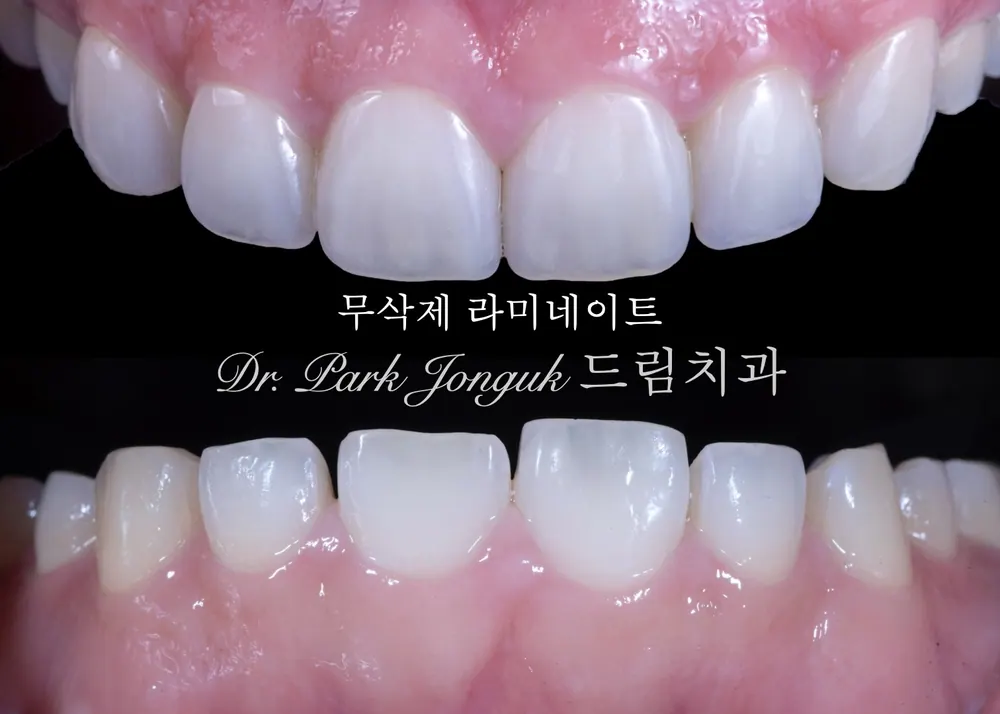
Almost nothing is cut away.
There are cases with absolutely zero reduction, but you can think of those as quite special exceptions.
Usually it's 0.1-0.3mm or less, and the surface acid-etching removes even less than 0.05mm.
But there's a misunderstanding that comes up here.
Something I hear very often in the clinic is, "Since nothing gets cut, isn't that automatically better?"
Not necessarily. No-prep is a method of "adding" ceramic onto the tooth.
It works well when the tooth is naturally set back or small to begin with.
But if the tooth is already slightly protruding,
or if the color and shape need a big change, going no-prep can leave the result looking thick and unnatural.
Why Does the Amount of Reduction Differ from Person to Person?
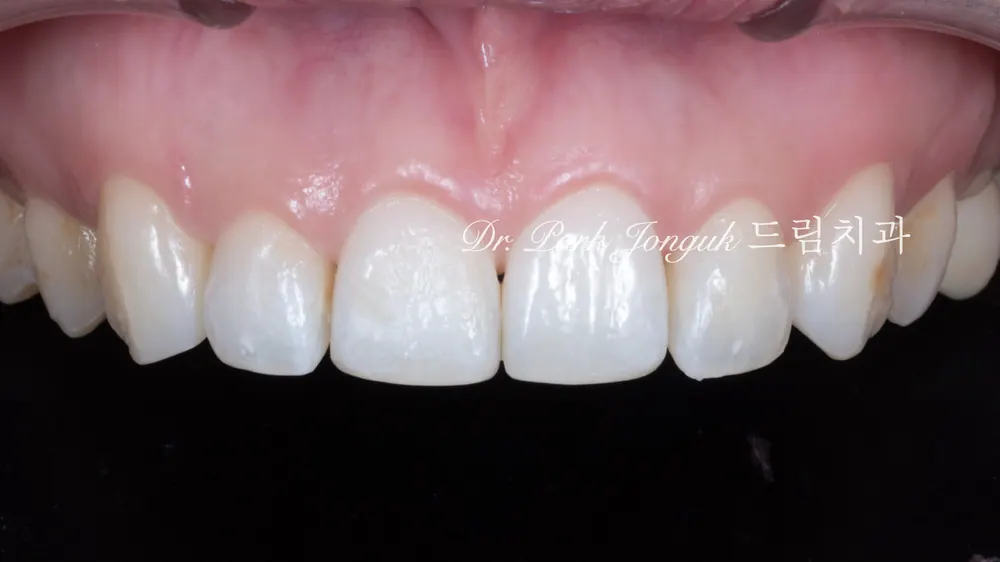
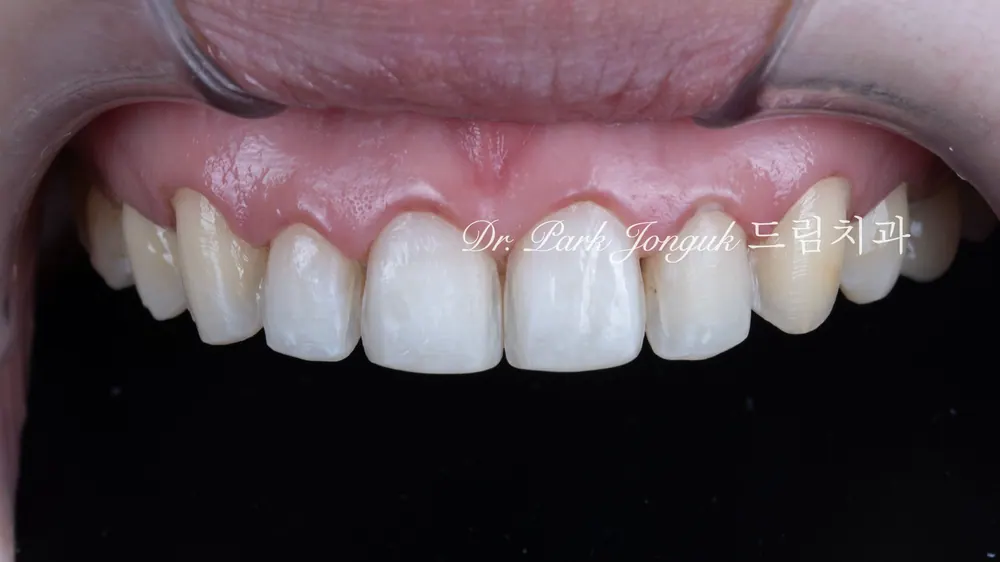
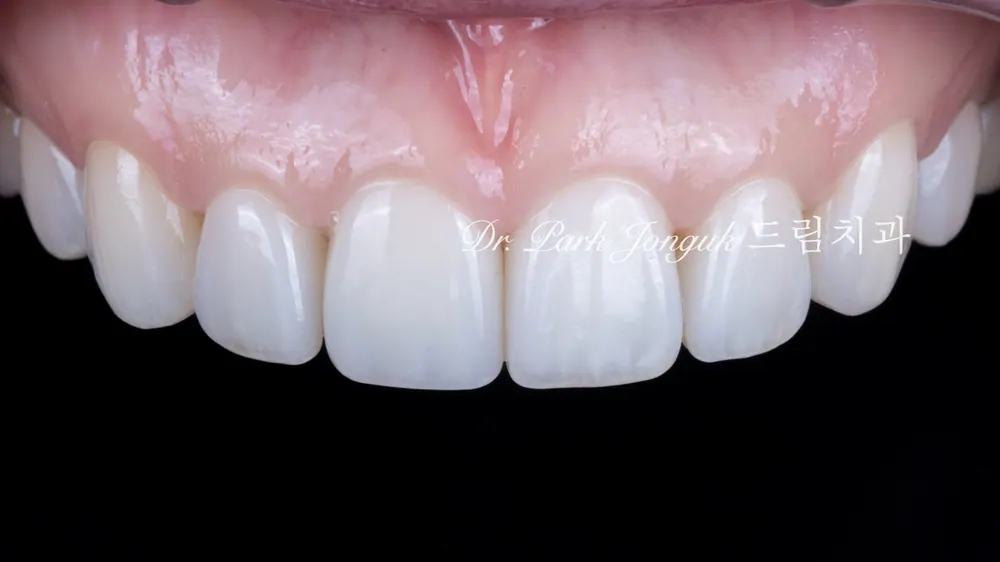
That's because the amount of reduction isn't a fixed number — it's a custom plan tailored to the tooth's condition, position, and the desired result.
If the tooth is set inward, almost no reduction is needed,
and if it's slightly protruding, a bit more needs to be trimmed to bring it into line.
If you want a big change in color, you also need room for the ceramic to fit.
That's why, in consultations, I don't lead with a figure like "we'll cut X millimeters."
I look at the tooth first, decide on the goal, and then work backward to calculate the amount of reduction.
Once It's Cut, Can It Be Reversed?
No. Enamel that's been trimmed once doesn't grow back.
It's irreversible. This is the single most important point about veneers.
To minimize regret later, you should absolutely confirm, before starting, how much is being cut and why.
If you've had the amount of reduction mapped out in advance and heard the reasoning behind it, you can already feel half reassured.
What Are the Downsides of Cutting Away Too Much?
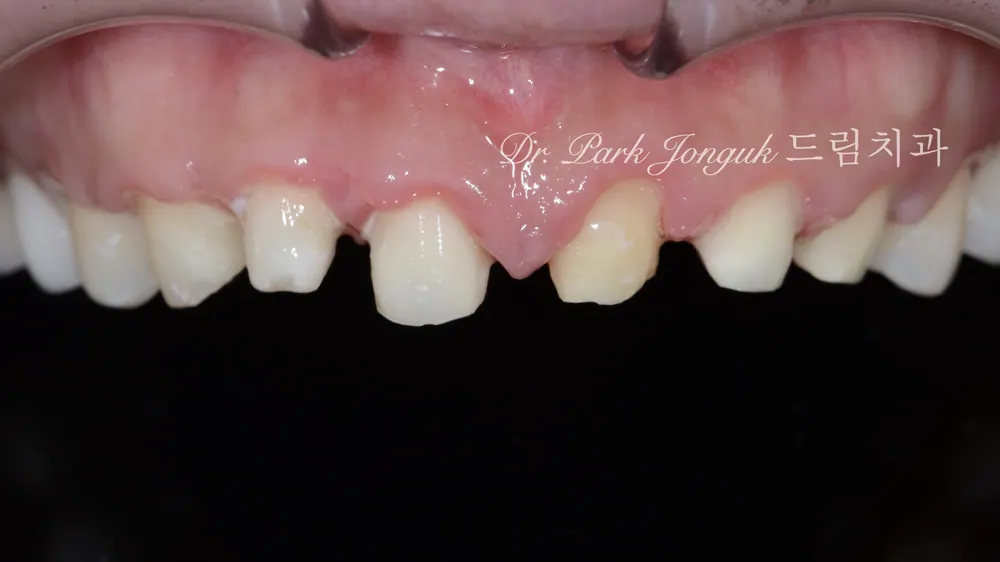
Cutting away more than necessary can cause tooth sensitivity, irritate the nerve, or make the gums sensitive.
Of course, individual differences are significant. Even with the same amount removed, some people feel nothing while others have sensitivity for a few days.
That's why the key principle is "as little as possible, but enough to meet the goal."
In other words, neither cutting away as little as possible no matter what, nor greedily cutting away too much, is the right answer.
Only treatment grounded in an accurate diagnosis
Frequently Asked Questions (FAQ)
Q. If it's no-prep, does that mean the nerve is never touched? Yes — whether it's no-prep or standard, the reduction never reaches down to where the nerve is. It's almost always kept within the enamel.
Q. Does the reduction hurt a lot? The reduction itself tends not to be very painful, though sensitivity varies by person. Anesthesia is used to manage it when needed.
Q. If I remove it later, will my tooth go back to how it was? Whatever has already been trimmed won't come back. That's why planning in advance is so important.
Q. Am I a candidate for no-prep veneers? It depends on the position of your teeth and your goals. It's hard to judge without an in-person exam.
Key Summary
• Standard veneer: the front surface is trimmed 0.3-0.7mm, then ceramic is bonded on
• No-prep: 0.1-0.3mm or less, almost no reduction, but not "zero impact"
• The amount of reduction is a custom plan based on tooth condition, position, and goals
• Enamel doesn't grow back, so confirming the plan before starting is essential
• Excessive reduction can cause sensitivity, nerve irritation, or gum problems (varies by individual)
※ The amount of reduction varies depending on tooth condition, and an accurate plan requires an in-person exam.
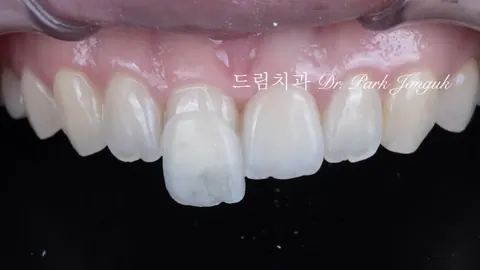
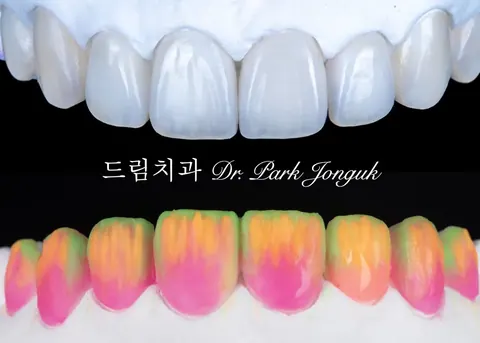
This article is a clinical note written by Dr. Park Jonguk of Dream Dental Clinic, Gangnam; the original was published on his blog. The photographs shown are real cases he treated. Results vary with each patient’s condition, and every procedure carries the possibility of individual variation and side effects.
Quick Consult
Request a Callback
Leave your number and we will call you back during clinic hours.
Request Received
We will contact you during clinic hours. For urgent matters, please call +82-2-3448-0028.