
Redoing Fractured Laminate Veneers
Hello. I am Park Jonguk, DDS, MS, director of Dream Dental Clinic.
Whenever I redo older laminate veneers, I am reminded that
in many cases, a substantial amount of tooth structure has already been removed.
It is often difficult to decide whether these restorations should be called laminate veneers or classified as all-ceramic crowns.
There are quite a few ambiguous cases like this.
Because laminate veneers are intended to minimize tooth reduction,
patients understandably
prefer to be treated with laminate veneers.
However, various clinical circumstances can make extensive tooth reduction unavoidable,
which seems to result in these borderline treatments.
In many such cases,
the appropriate treatment may not have been cosmetic reshaping with laminate veneers or all-ceramic crowns,
but orthodontic treatment.
When the teeth are poorly aligned,
problems can arise if too much tooth structure is removed to force them into alignment.
That is how these issues develop.
When laminate veneers like these are redone,
we face a range of problems.
First, treatment with another laminate veneer may not be feasible
because too little tooth structure remains.
It may instead be necessary to switch to an all-ceramic crown,
and inflammation in the tooth may sometimes require root canal treatment.
If the tooth was reduced too deeply below the gumline,
gum inflammation or bleeding can prolong treatment.
Before receiving laminate veneer treatment for the first time,
you should begin only after receiving a detailed explanation of the treatment process.
In many cases, the treatment is not explained in detail,
and potential complications are not discussed sufficiently.
This is especially important for treatments such as laminate veneers that involve tooth reduction,
because how the initial treatment is performed matters considerably.
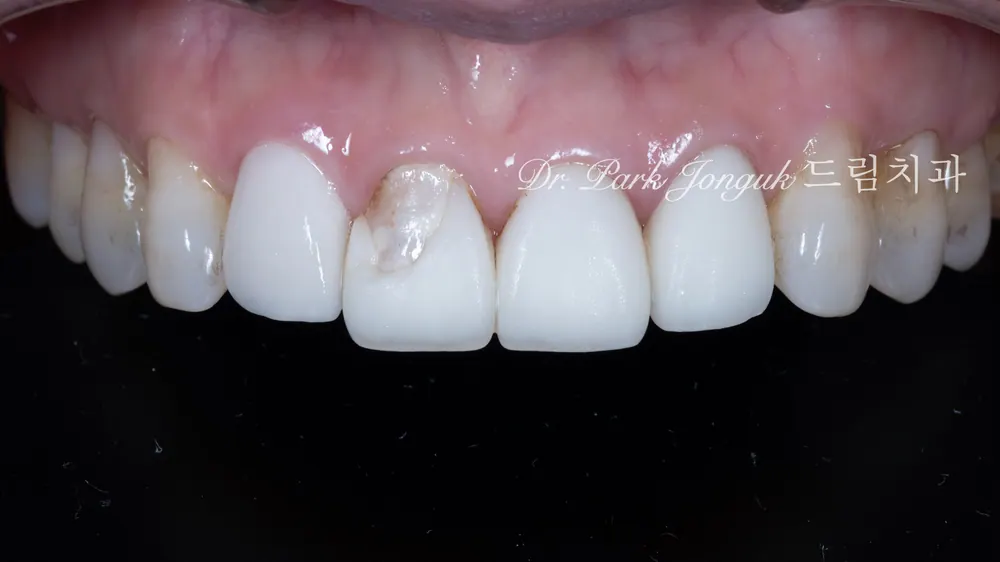
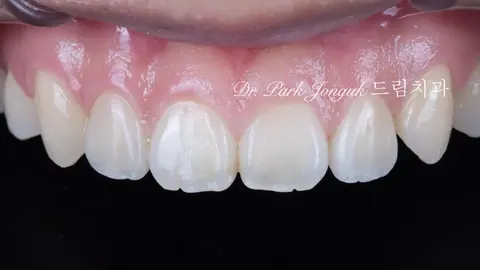
The patient visited us because a front laminate veneer had fractured.
The teeth looked excessively white and opaque, so the patient wanted all of the restorations redone.
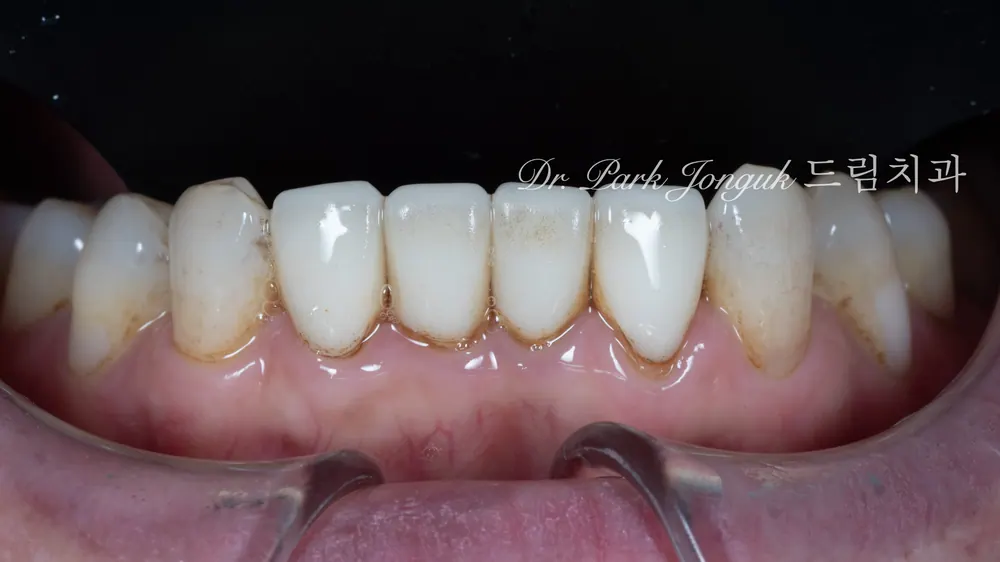
The lower teeth also had laminate veneers, so those were redone at the same time.
The issue was that the patient understood the restorations to be laminate veneers,
but their form was closer to crowns than to veneers.
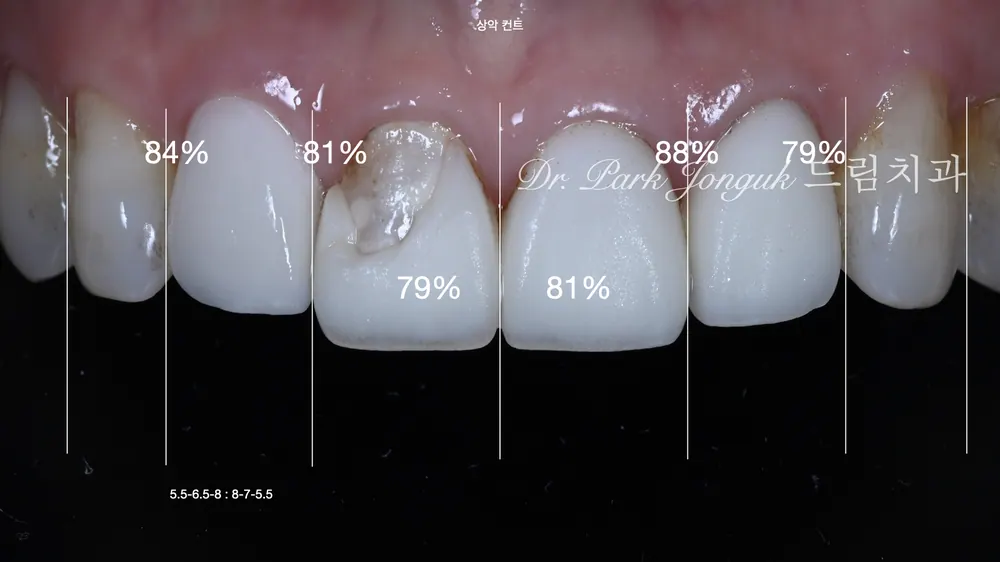
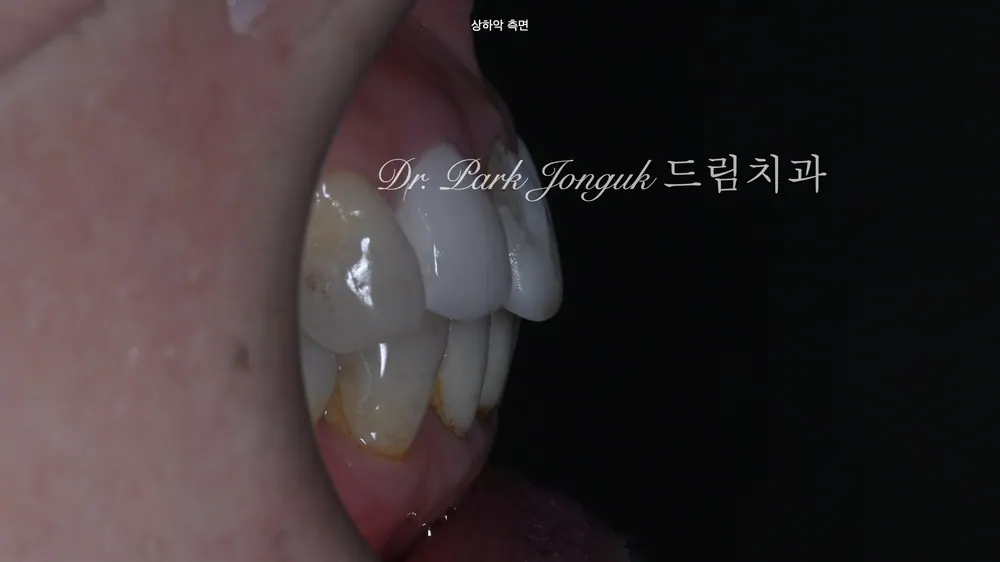
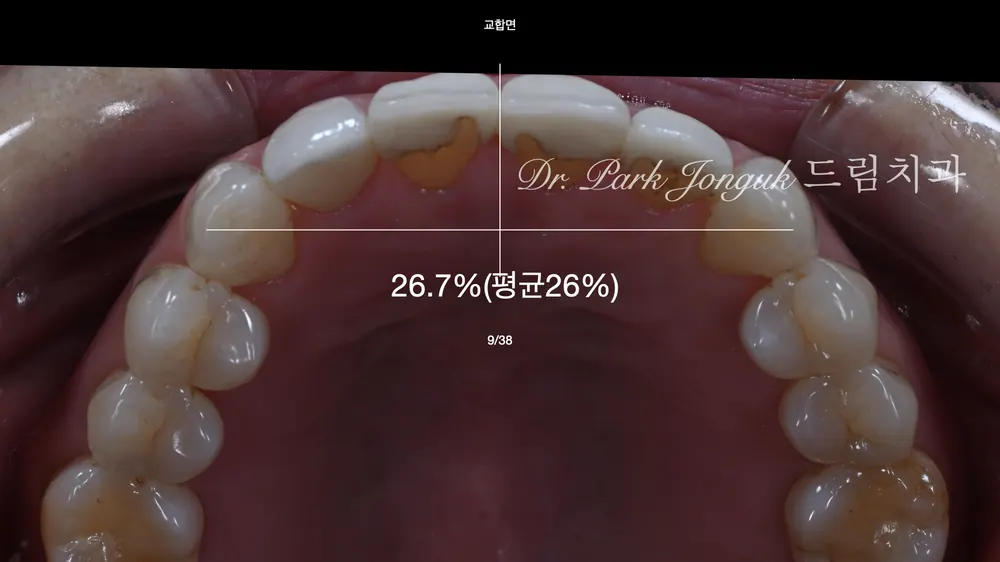
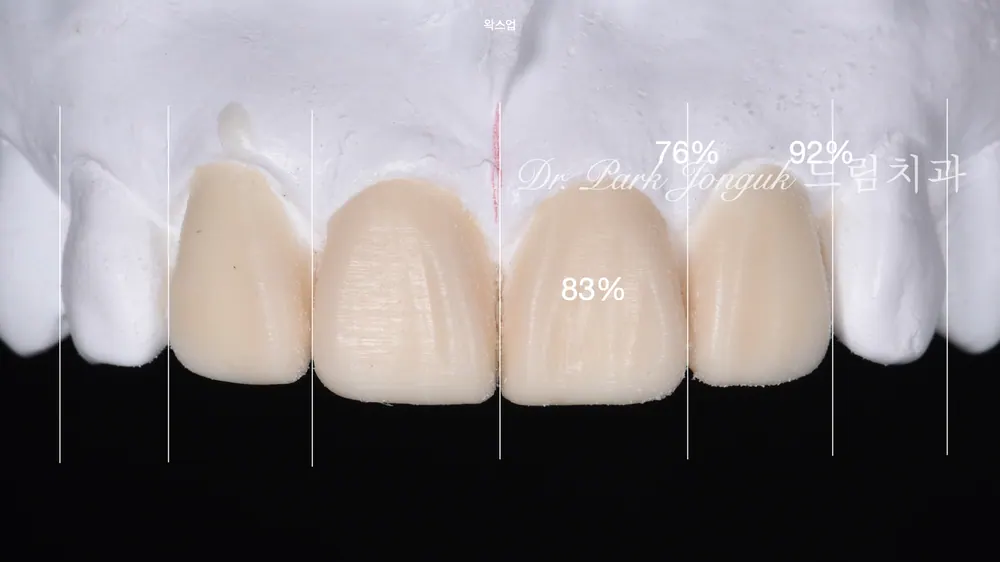
We analyzed the current condition of the teeth.
Based on this analysis, we refined the proportions between the central and lateral incisors.
We determined central-incisor proportions suited to the patient's facial shape,
then set the size of the central incisors to achieve those proportions.
The size of the lateral incisors was then determined accordingly.
We then began removing the laminate veneers.
Removing laminate veneers is a very demanding procedure.
Minimizing damage to the teeth is especially important.
A laser can be very useful at this stage.
We removed the laminate veneers using this method.
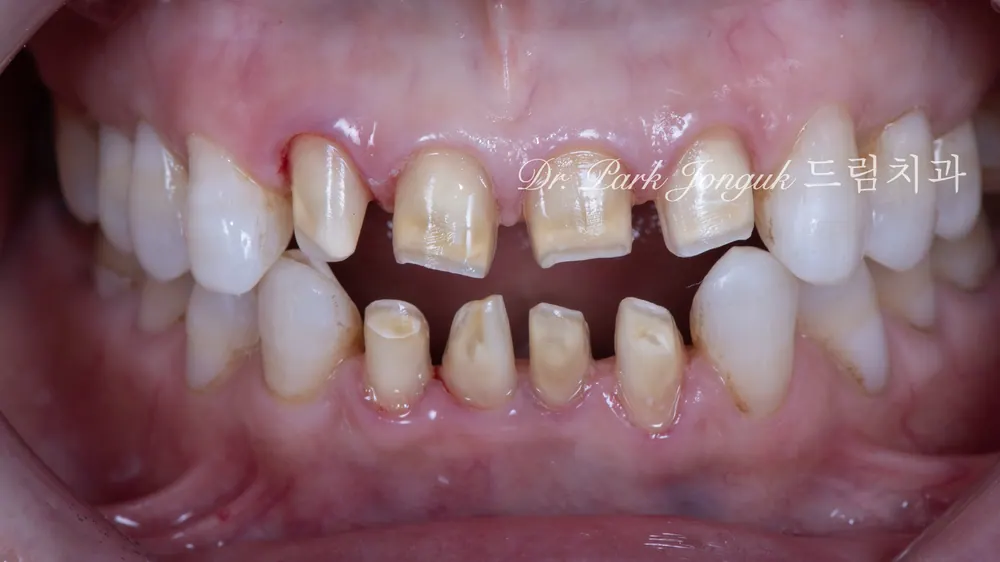
After removal, the shape of the teeth
revealed an unfortunate degree of excessive reduction.
The reduction was excessive even for all-ceramic crown preparation.
Because little additional tooth damage occurred during veneer removal,
root canal treatment or other treatment was not needed.
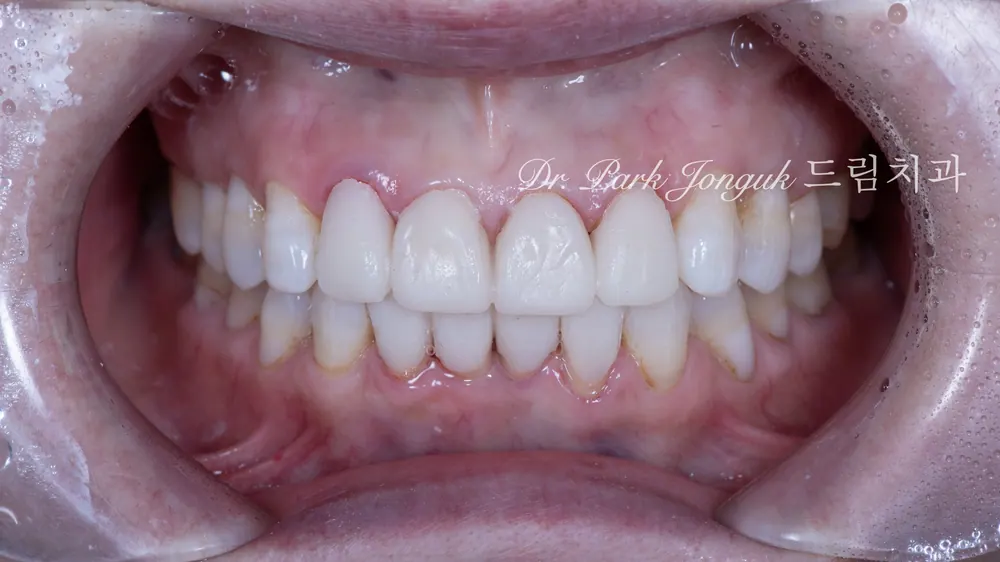
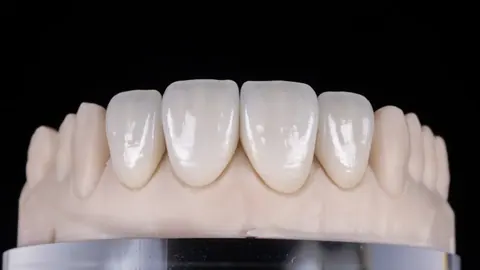
We made provisional restorations and took impressions of the teeth,
then proceeded with fabrication of the laminate veneers.
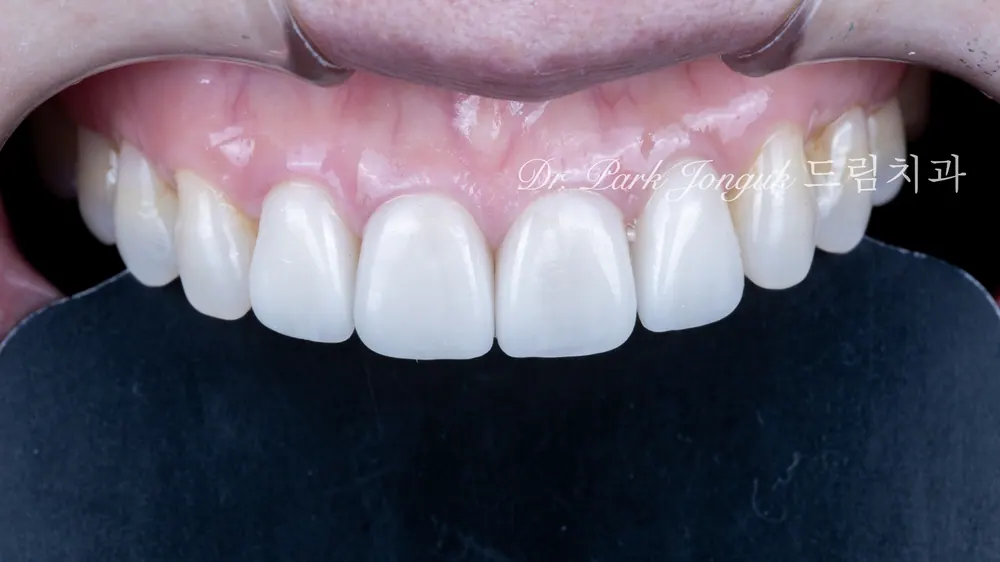
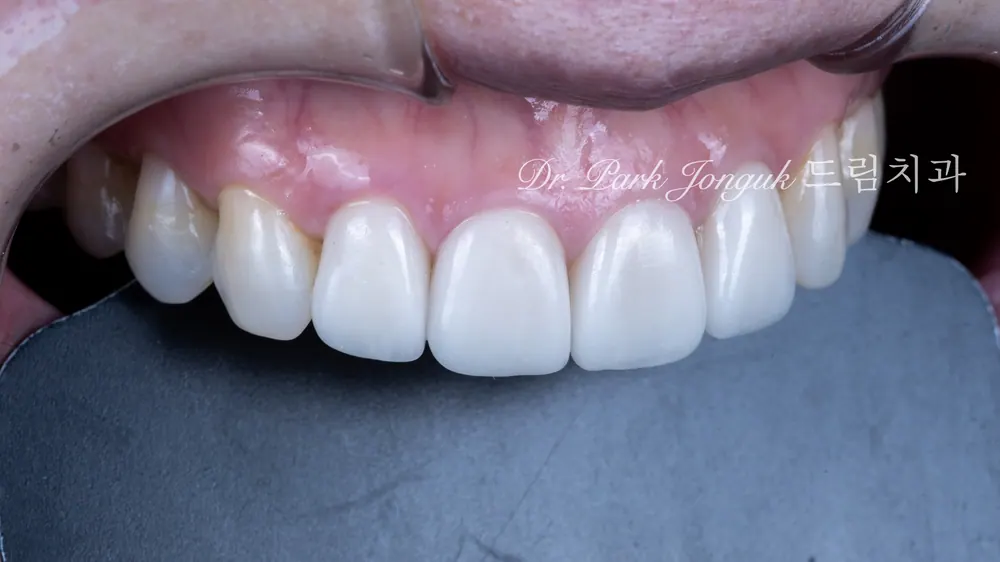
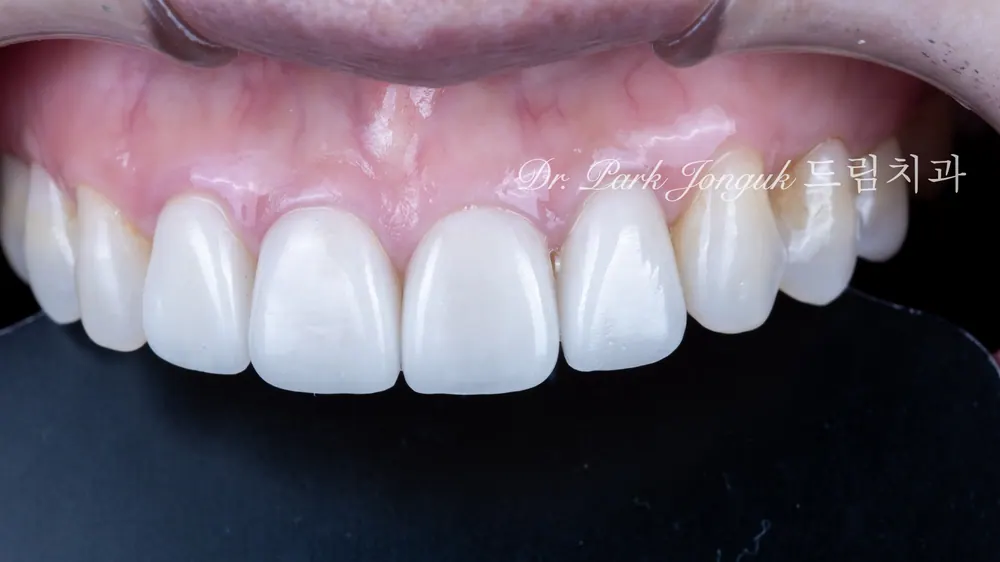
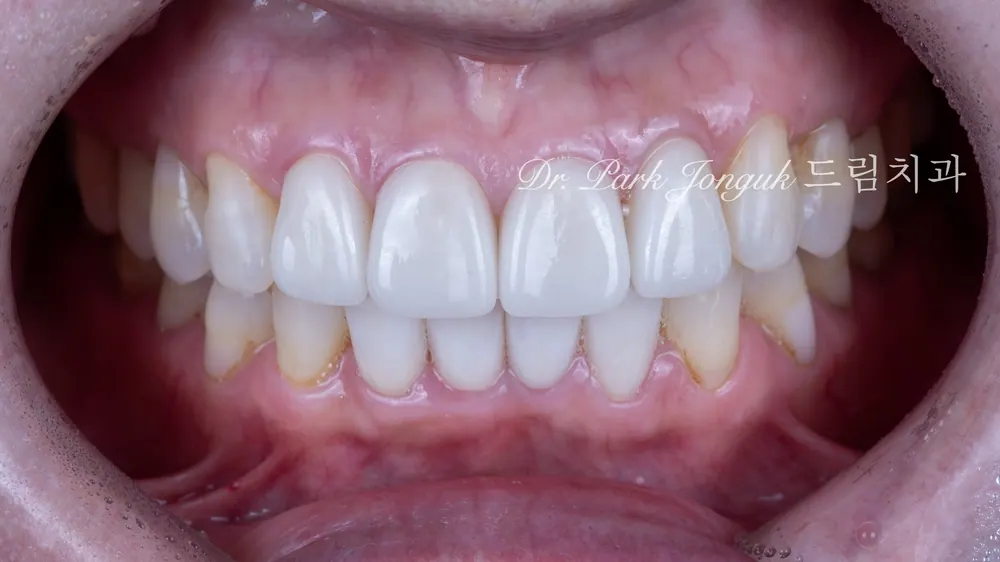
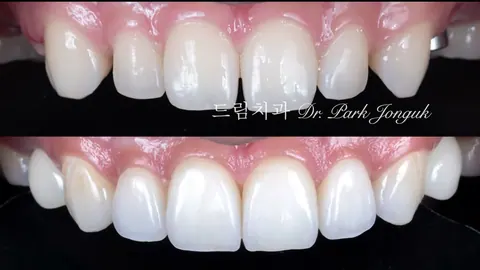
The front laminate veneer retreatment was completed.
The tooth contours were designed to recreate the three-dimensional form and volume of natural teeth.
We adjusted the tooth proportions closer to average values and matched them to the patient's facial shape.
The degree of translucency was adjusted according to the patient's age.
Natural beauty
Since 2006, Dream Dental Clinic
This article is a clinical note written by Dr. Park Jonguk of Dream Dental Clinic, Gangnam; the original was published on his blog. The photographs shown are real cases he treated. Results vary with each patient’s condition, and every procedure carries the possibility of individual variation and side effects.
Quick Consult
Request a Callback
Leave your number and we will call you back during clinic hours.
Request Received
We will contact you during clinic hours. For urgent matters, please call +82-2-3448-0028.