
Veneer Clinic — All-Ceramic Crown Redo
Hello, I am Park Jonguk, director of Dream Dental Clinic, a veneer clinic.
Front tooth veneers and all-ceramic crowns
are often done with the purpose of making teeth beautiful.
The all-ceramic crown
is a method used when there is significant tooth destruction or severe decay,
prior root canal treatment, or significant discoloration,
while a veneer is a treatment that gives
a slight change to the position or shape of the tooth, aimed at making the teeth beautiful for cosmetic purposes.
Generally, when dental contouring is done on front teeth,
most people assume it was veneer treatment,
but it is a different treatment from an all-ceramic crown.
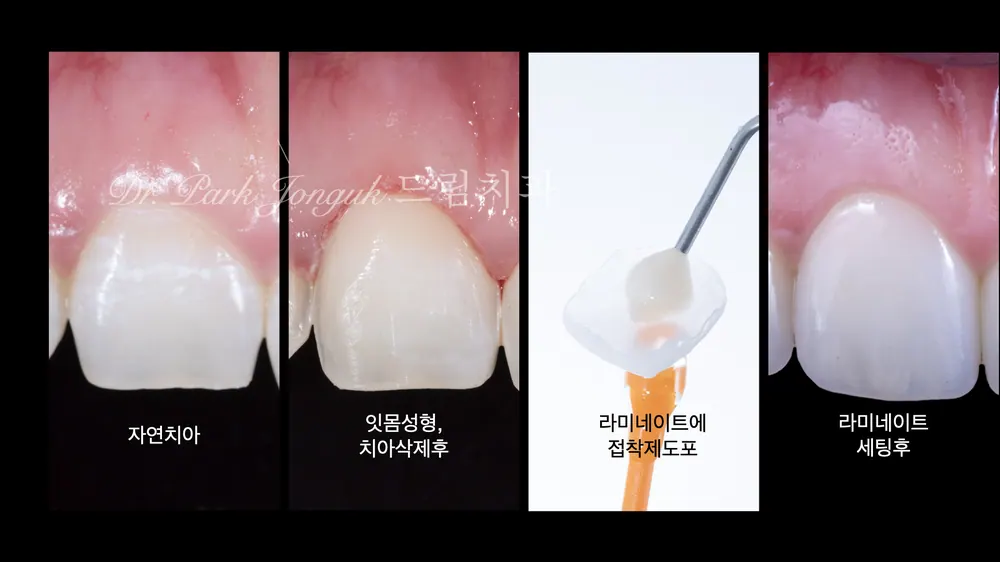
This way — reducing only the front surface of the tooth minutely,
then bonding a very thin ceramic only onto the front surface —
is what's called a veneer.
Sometimes, even though it's the same treatment method,
each veneer clinic gives it a unique name
and promotes it as if it were somehow different from veneer treatment,
but it's all veneer treatment, just given a fancy-sounding name.
As for that kind of advertising that misleads patients,
in my view it isn't the right approach.
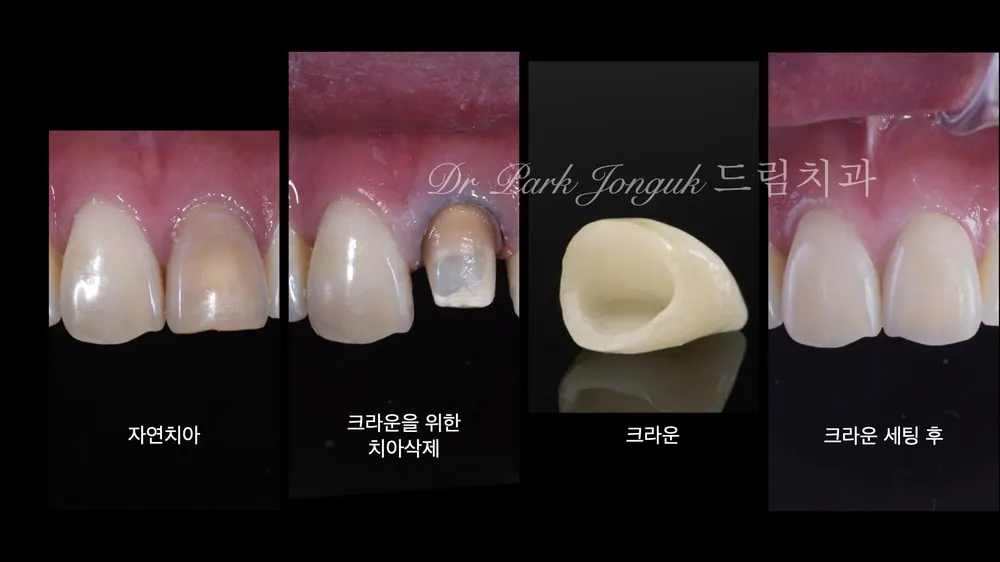
This way, when tooth discoloration is severe or root canal treatment has already been done,
or when a tooth is badly chipped or has severe decay,
an all-ceramic crown is done.
"All-ceramic" means the entire crown is made of ceramic;
in the past, ceramic strength was weak,
so metal had to be placed inside to reinforce it,
and the name is used specifically to distinguish it from that, meaning the entire crown is ceramic.
It's a method of reducing the whole tooth and capping it like putting on a hat,
and because the amount of reduction is large,
it's best not to do it unless there is a clear indication.
Tooth shape is improved with these two methods,
and after a long time passes, redos are done for various reasons.
Let's look at a redo case involving both front-tooth veneers and an all-ceramic crown.
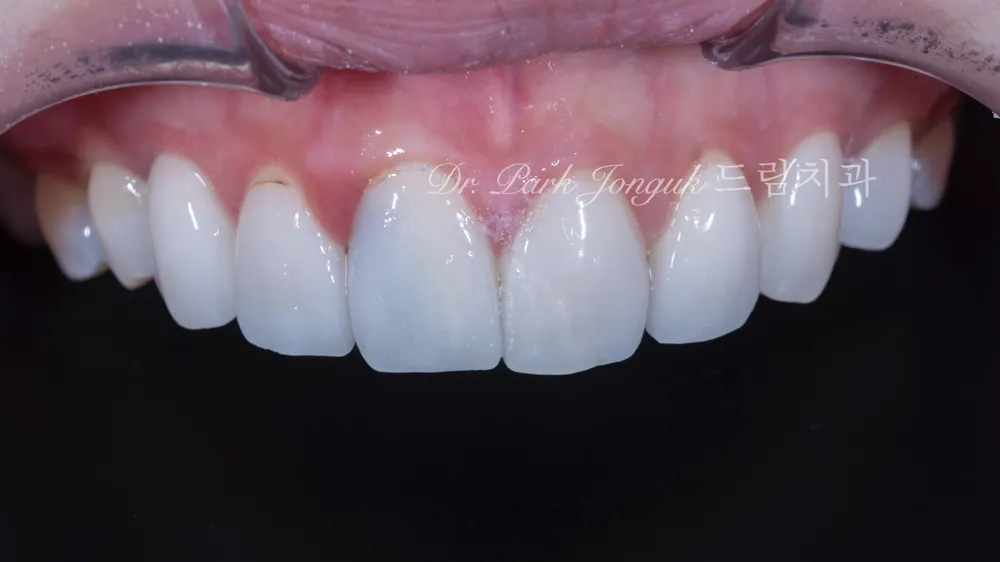
The patient believed she had received veneer treatment at a veneer clinic,
but in reality it was closer to an all-ceramic crown — an ambiguous treatment
that fell short of what could really be called a veneer.
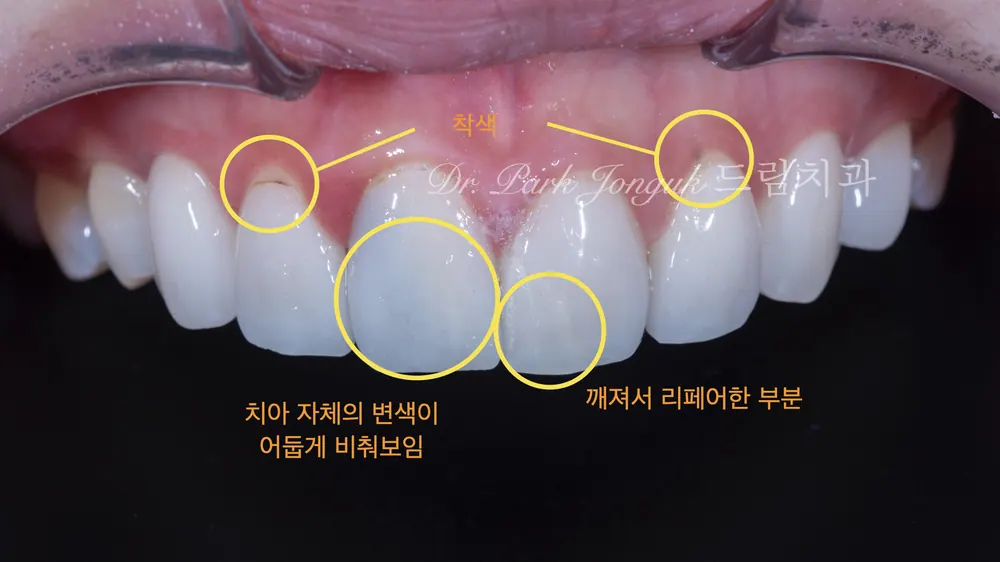
Several teeth had been treated,
but we decided to treat only the chipped or discolored teeth.
Whether it's a redo or a first treatment, the diagnostic process is extremely important.
We need to accurately diagnose
how to improve the current teeth and set the treatment plan accordingly.
Including the diagnostic process,
please refer to the link below for the features of veneer treatment at my Sinsa-dong Veneer Clinic, Dream Dental Clinic.
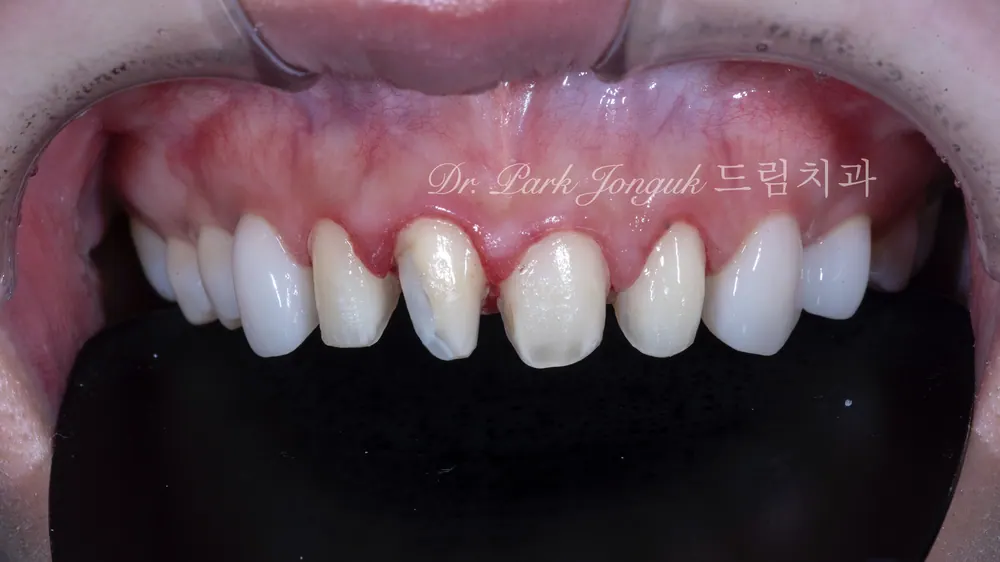
The existing treated material was removed.
It turned out to be a mix of an all-ceramic crown and a veneer with excessive tooth reduction.
In a case requiring this much reduction,
orthodontic treatment should really have been done beforehand.
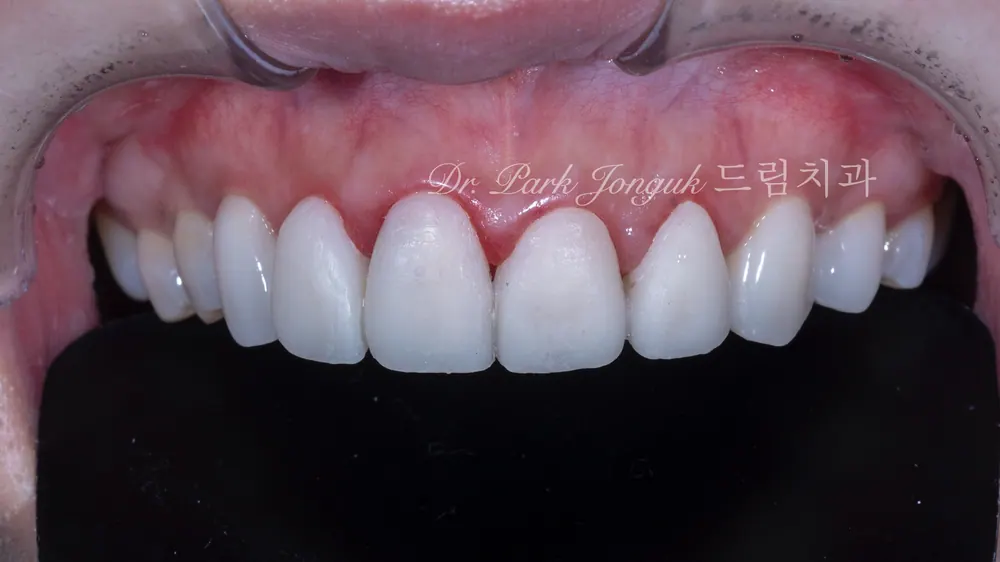
First, we make temporary teeth.
Because there had been gum inflammation,
we need to confirm that the inflammation has resolved.
We decided not to treat the gum asymmetry.
When gum inflammation appears frequently,
it's more important for the inflammation to clear up while maintaining the current state.
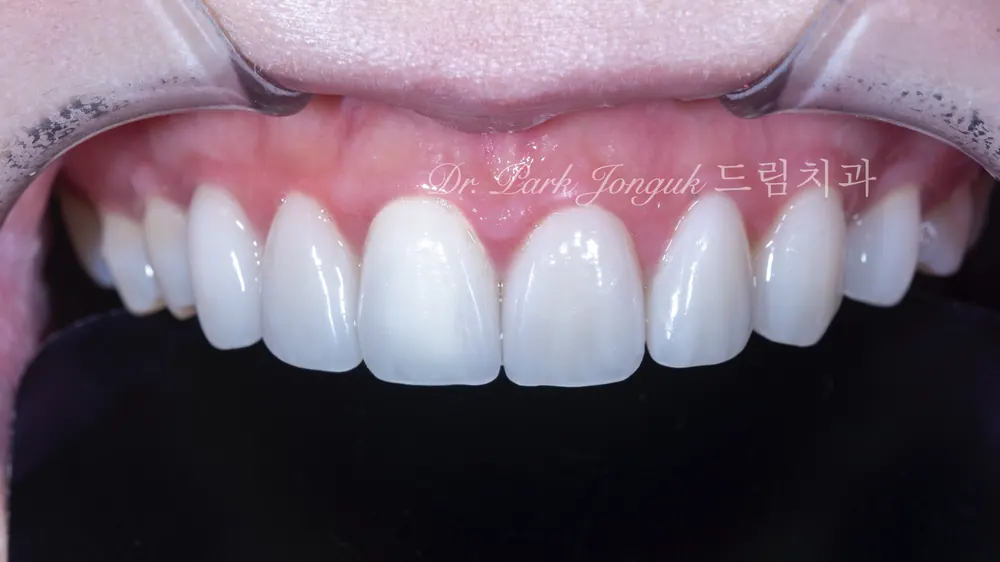
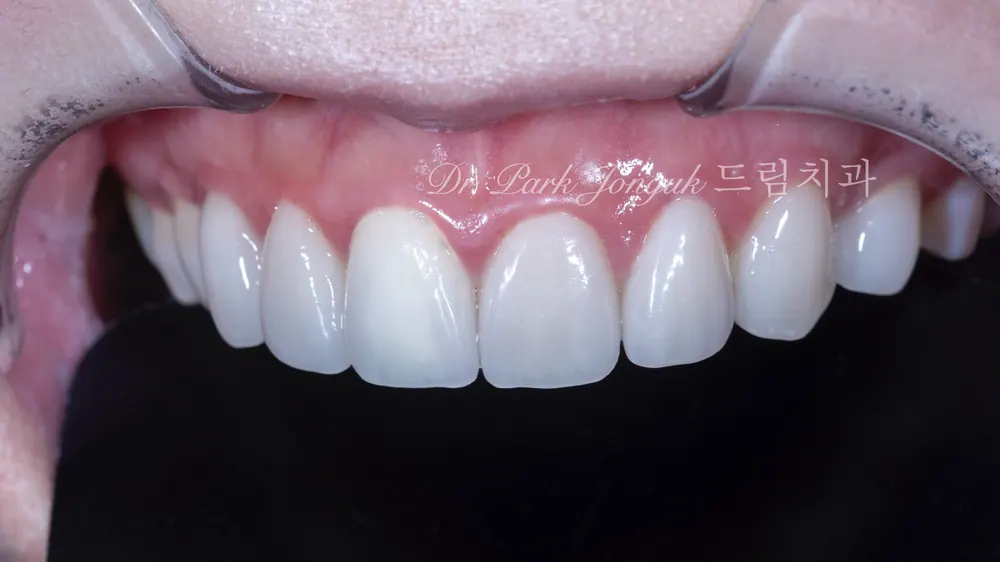
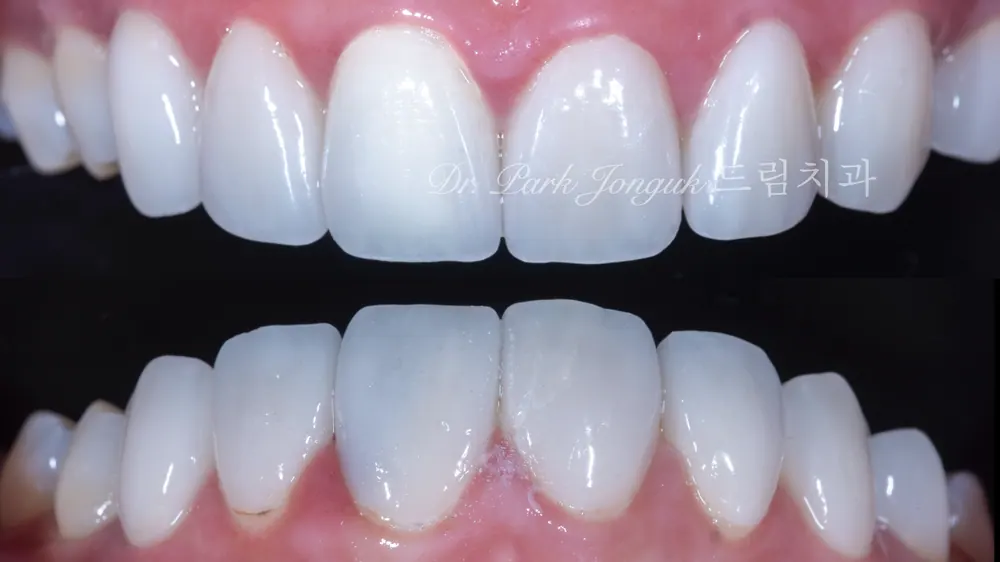
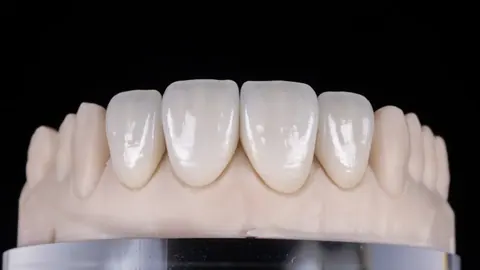
The treatment has been completed.
Proceeding with a more natural color,
we matched it to the existing veneer color on the canine.
We effectively covered the color of the discolored tooth,
and even though it's a thin ceramic,
we matched the overall color tone.
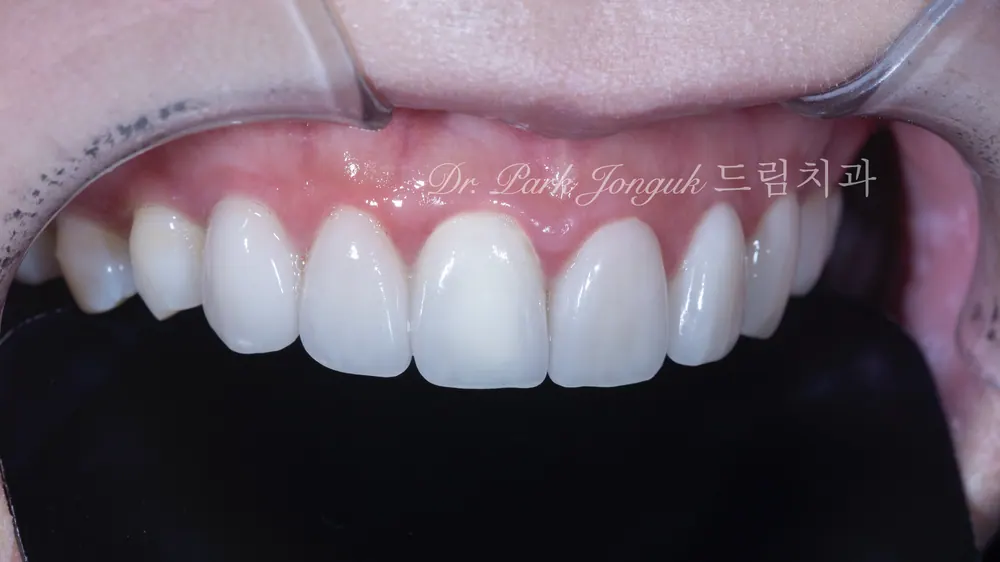
Natural beauty —
Since 2006, Dream Dental Clinic, veneer clinic
This article is a clinical note written by Dr. Park Jonguk of Dream Dental Clinic, Gangnam; the original was published on his blog. The photographs shown are real cases he treated. Results vary with each patient’s condition, and every procedure carries the possibility of individual variation and side effects.
Quick Consult
Request a Callback
Leave your number and we will call you back during clinic hours.
Request Received
We will contact you during clinic hours. For urgent matters, please call +82-2-3448-0028.