
Veneer Treatment With Minimal Tooth Reduction
Hello.
I am Park Jonguk, director of Dream Dental Clinic and director of Lamista Academy.
What sets veneer treatment apart from other dental treatments
is that it minimizes tooth reduction.
The original name for this treatment
is "laminate veneer," and both words in that name refer to a thin plate.
A veneer is treatment that attaches a thin ceramic plate to the front surface of a tooth.
In Korea it's usually called a "laminate," while abroad it's usually called a "veneer."
In Korea there are occasionally cases where clinics offer this same treatment,
but advertise it as their own special method or material,
using a different name for it, and that's simply incorrect.
Whatever material or method is used, it's still veneer treatment.
A different name alone can't mean there's a special method or material behind it.
The single biggest goal of this treatment is, for teeth with an aesthetic problem,
to make them beautiful with the least possible tooth reduction.
To achieve the goal of minimal tooth reduction, a precise diagnosis before treatment matters a great deal.
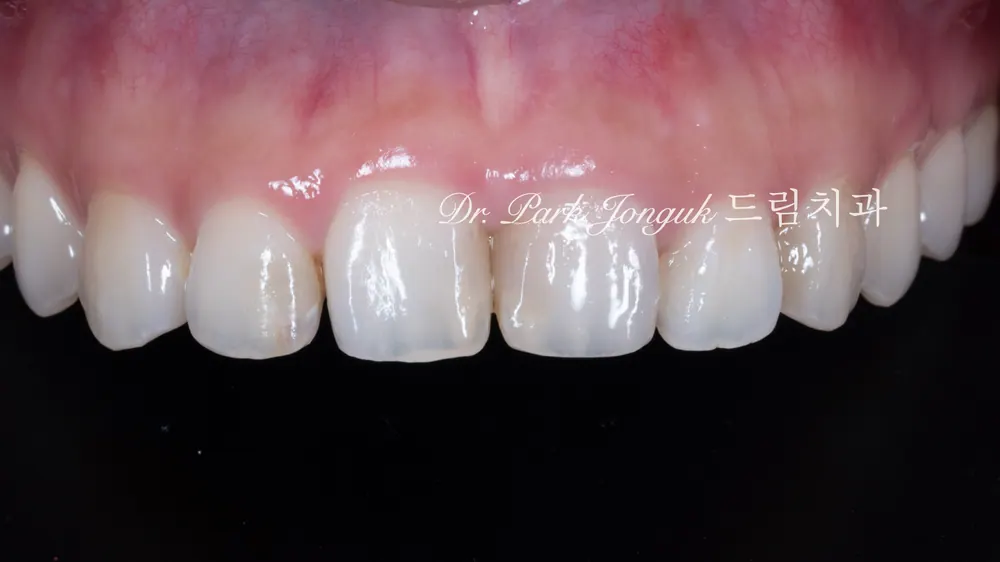
This patient came in for veneer treatment.
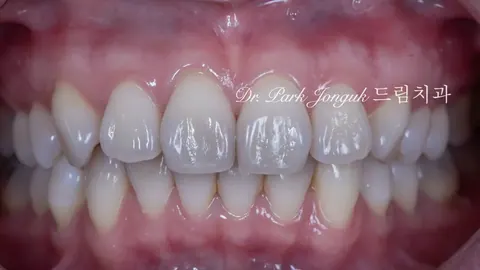
Her bite was slightly misaligned and the color of her teeth wasn't great.
The shape of the teeth wasn't ideal either.
To address the tooth shape, color, and the slight misalignment,
veneer treatment is carried out.
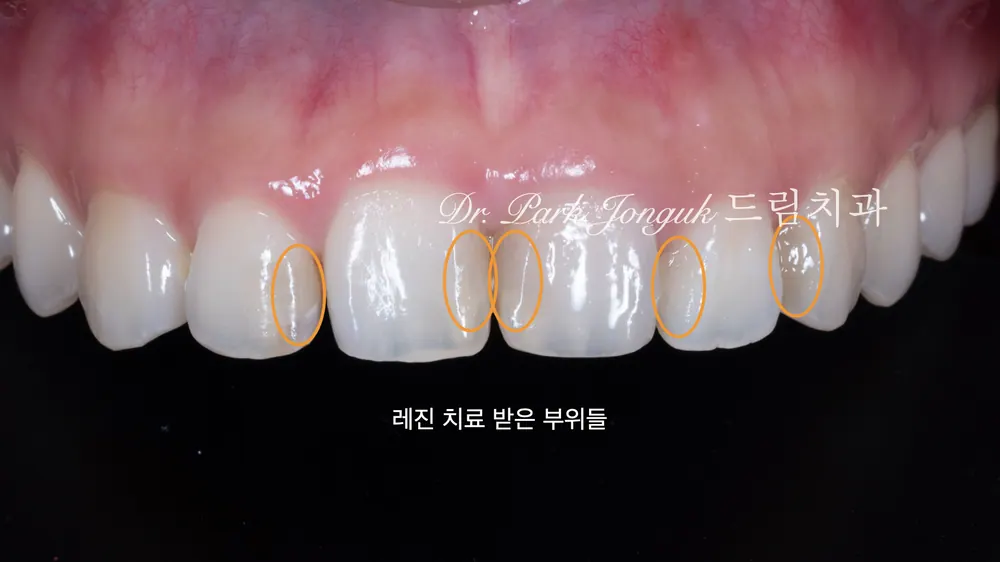
You can see a number of areas that had been treated with resin.
Resin is a material that tends to discolor considerably over time.
It's used a lot on front teeth because it matches tooth color well,
but over the long term it's still a somewhat unsatisfying material.
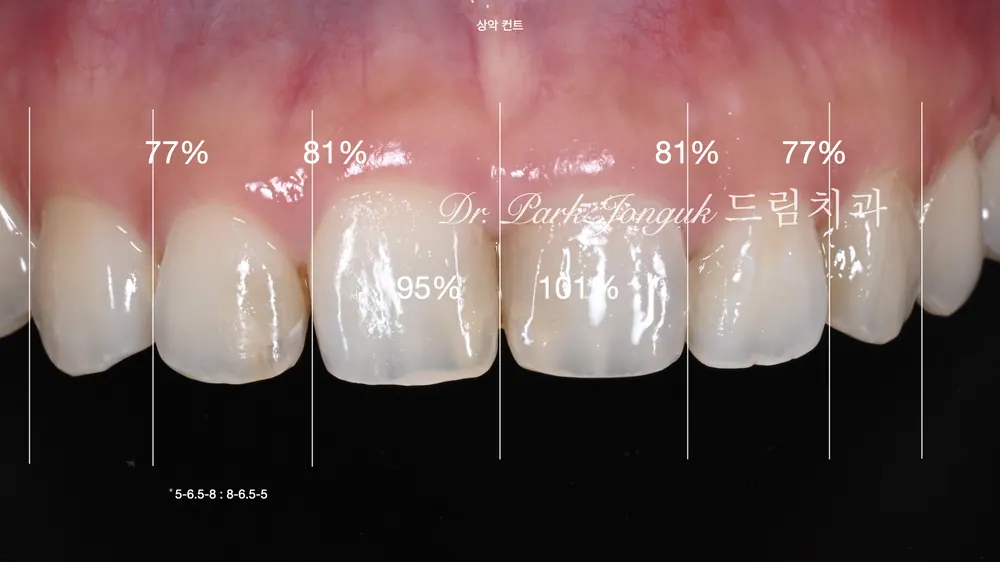
For diagnosis, analyzing the current state of the teeth is important.
We measure the size of the two front teeth
and measure the proportions between them one by one.
For dental aesthetics, the proportions seen from the front matter a great deal.
In this case, because of the size of the lateral incisors,
the gap between the teeth, and the angle of the canines, the proportions weren't ideal.
To address these issues, we carry out a wax-up precision diagnosis.
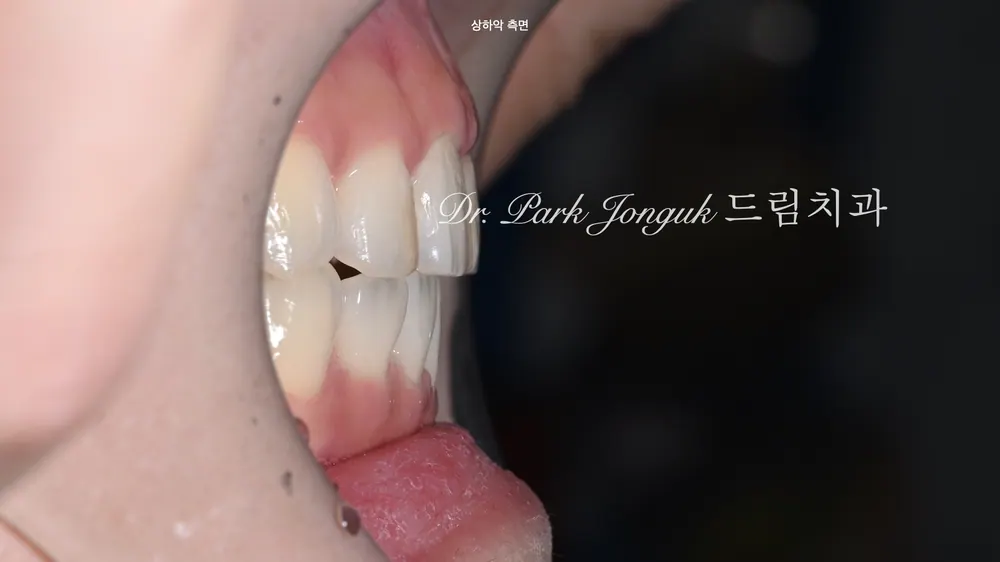
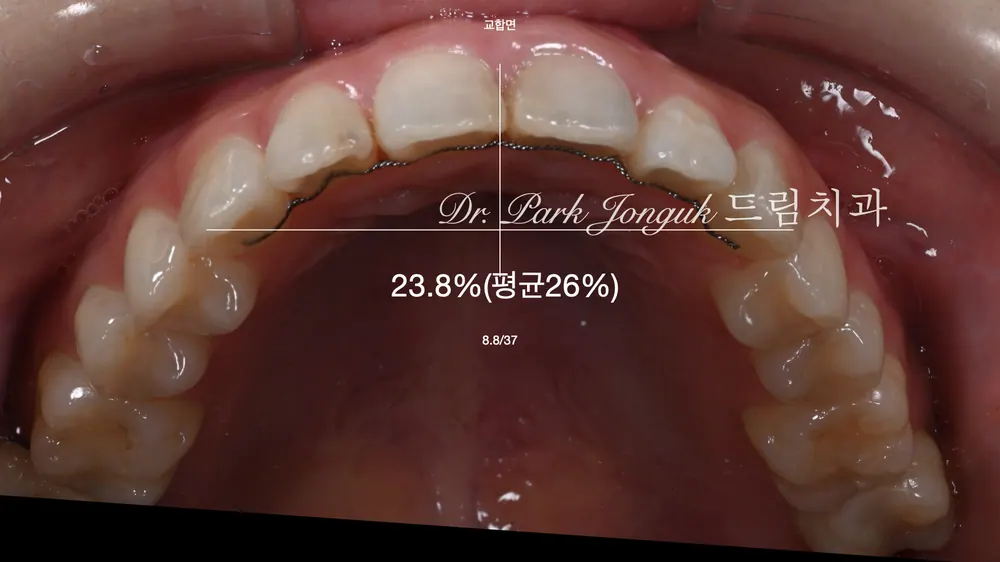
Because her arch shape is on the flatter side, tooth reduction can be minimized.
The dental arch shape being flatter than average is how we describe this,
and when this is the case, fewer teeth show when smiling, which can create a somewhat stifled look.
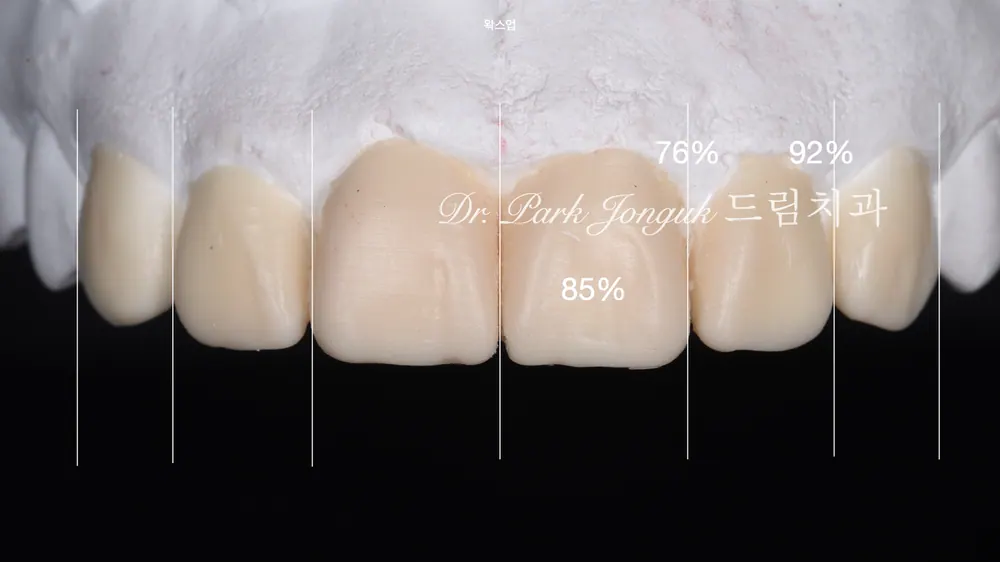
We build up the teeth in wax to work out a better proportion.
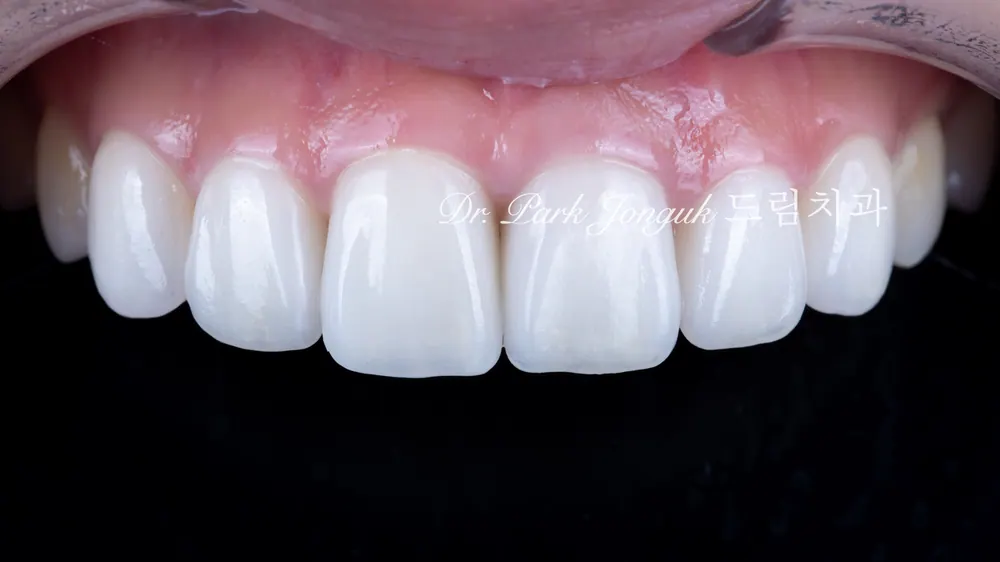
Veneer treatment was carried out.
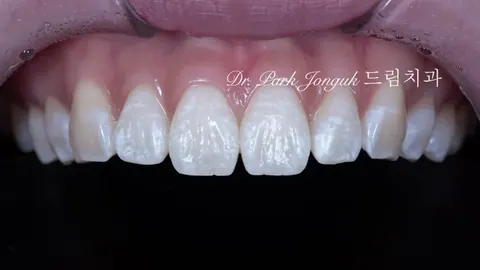
You can see that both the shape and color of the teeth have improved a great deal.
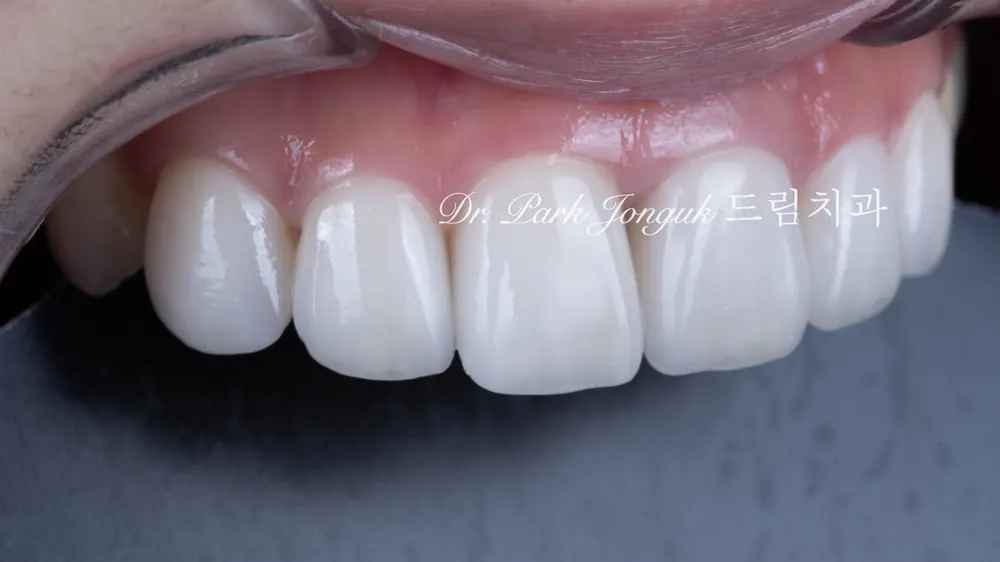
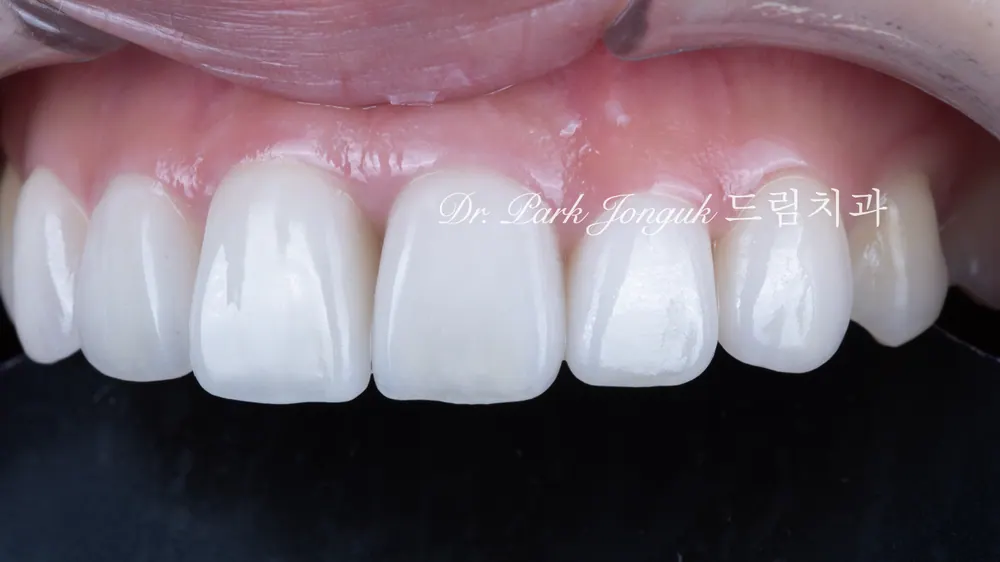
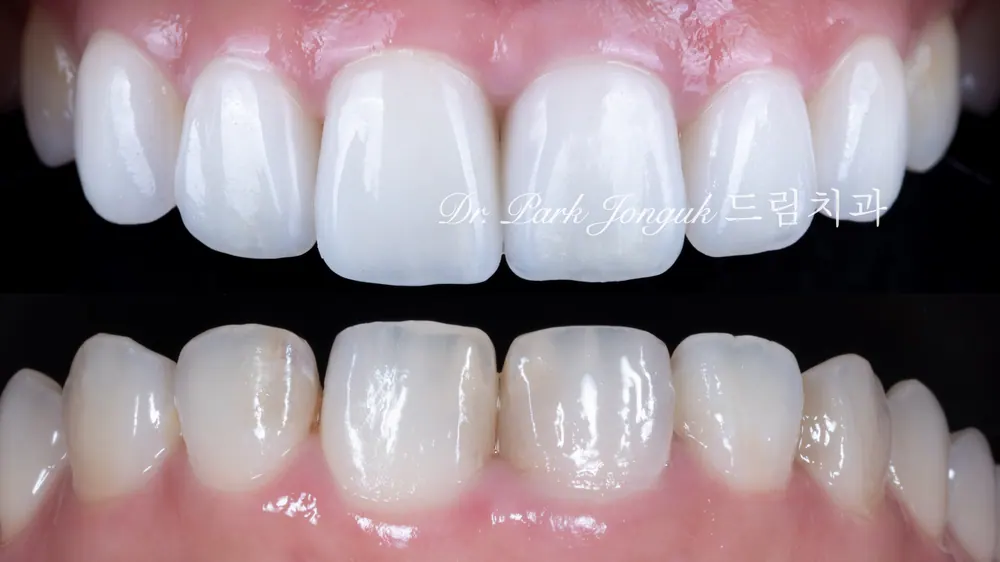
Comparing before and after, the teeth look much brighter and cleaner.
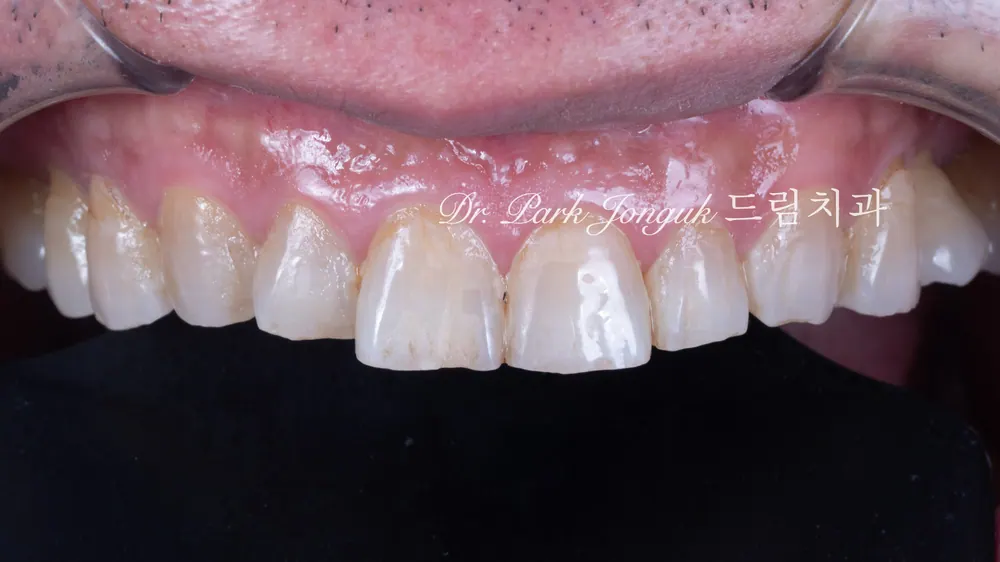
This patient's teeth were slightly misaligned and quite discolored.
Veneer treatment is carried out to address a range of aesthetic issues.
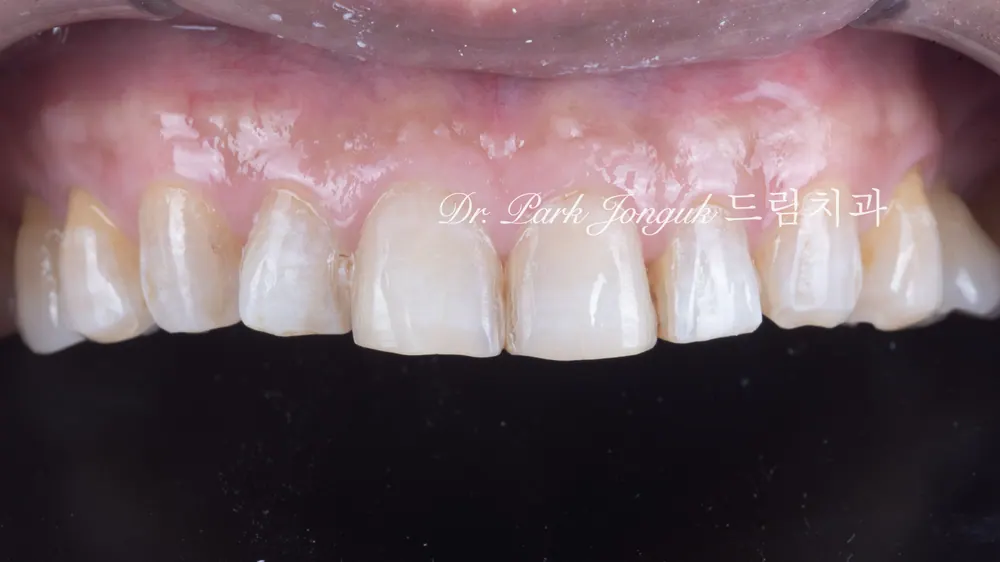
Diagnosis is done through the process shown earlier,
and the amount of tooth reduction is determined.
The discoloration is removed and only the necessary areas are precisely reduced.
Comparing before and after the reduction, you can see that only the two front teeth received a minimal amount of reduction.
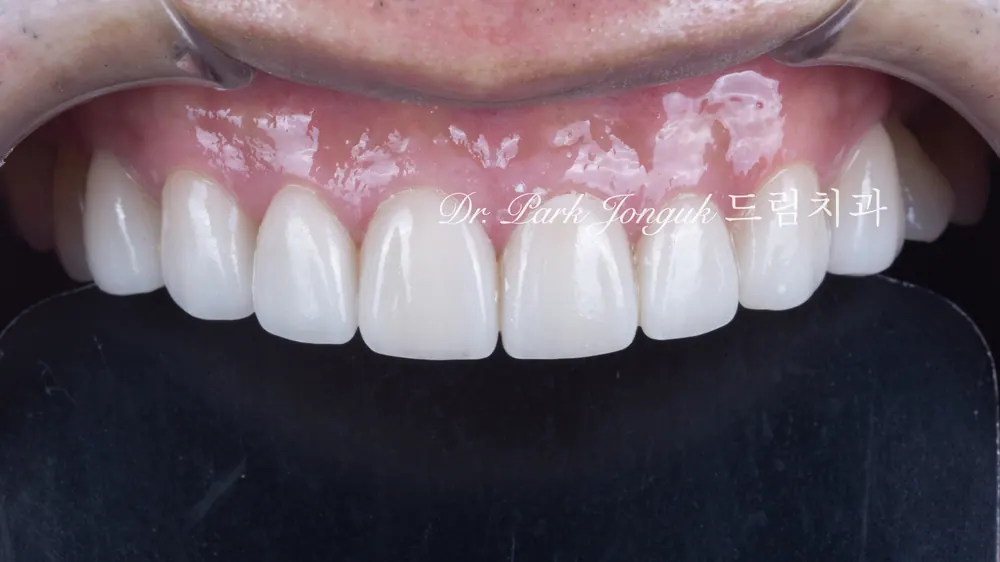
Veneer treatment has been completed.
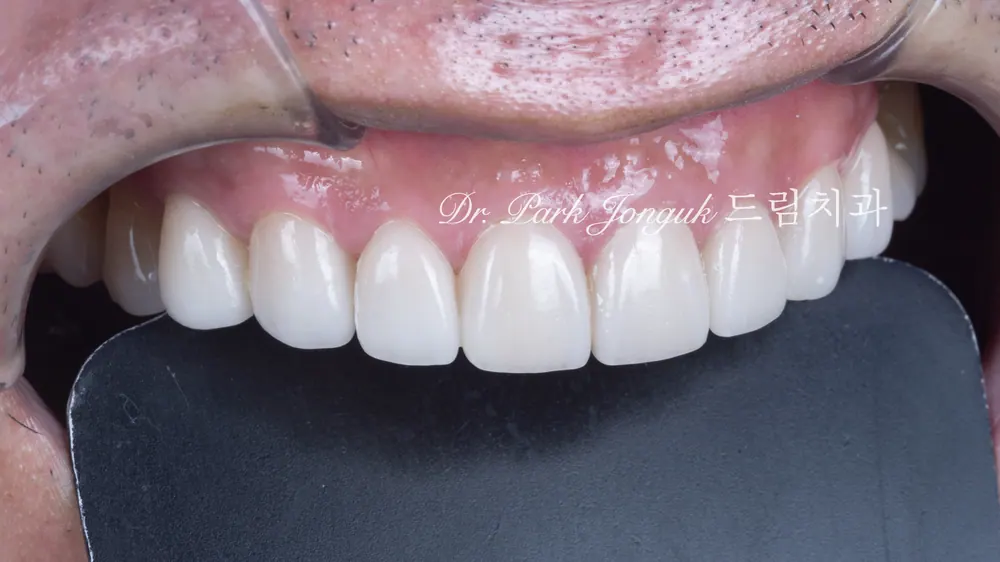
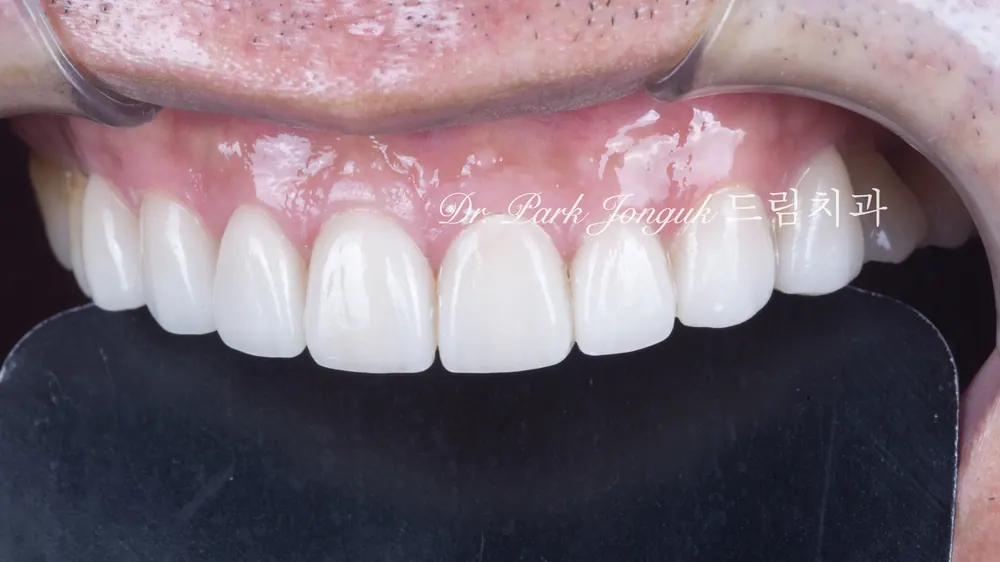
The alignment, tooth color, and shape have all improved a great deal.
What matters is that this kind of improvement is achieved with almost no tooth reduction.
You can also see a natural color and shape.
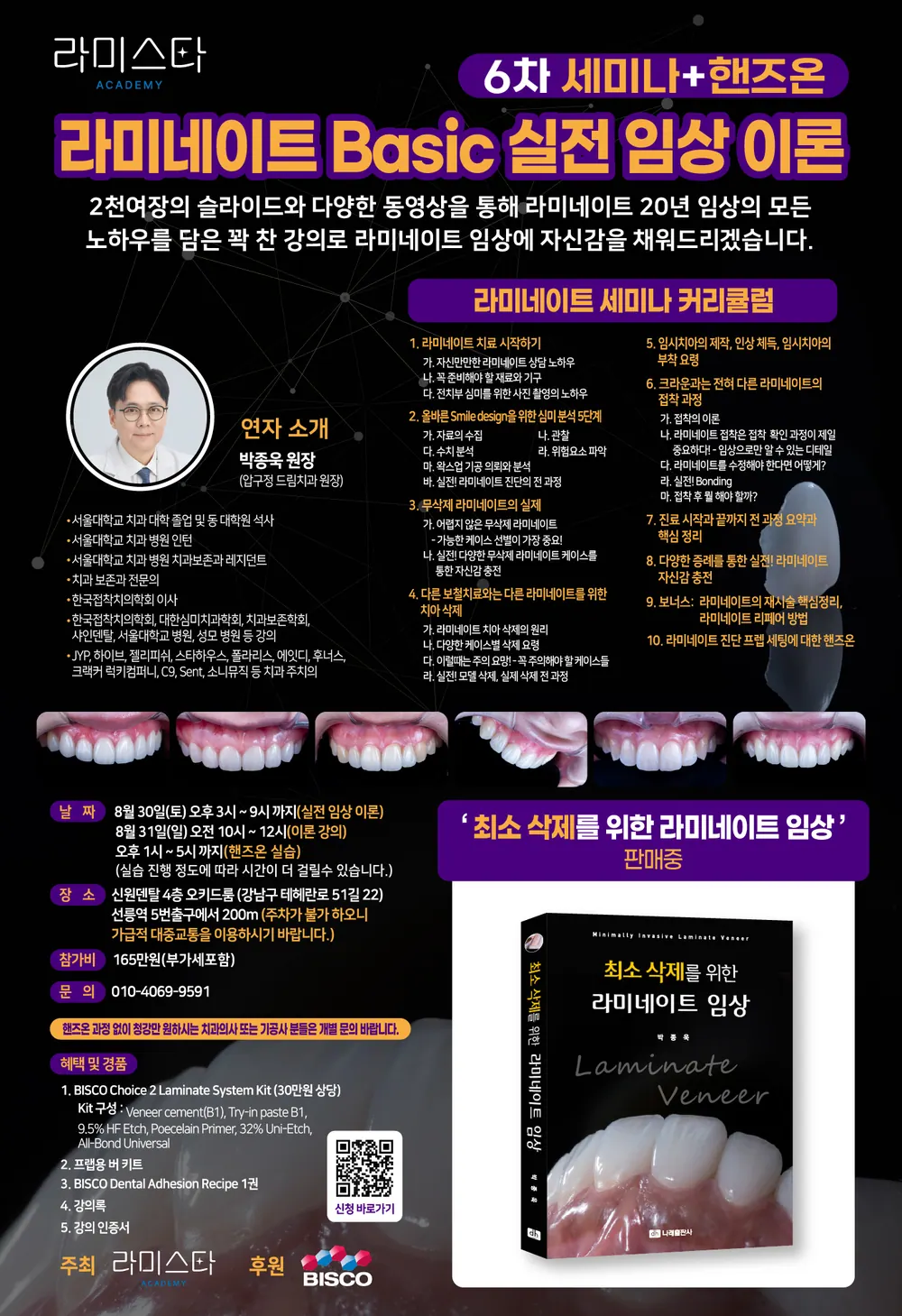
Lamista Academy holds ongoing lectures for dentists
to help them provide better veneer treatment.
This is the content of the August lecture.
This article is a clinical note written by Dr. Park Jonguk of Dream Dental Clinic, Gangnam; the original was published on his blog. The photographs shown are real cases he treated. Results vary with each patient’s condition, and every procedure carries the possibility of individual variation and side effects.
Quick Consult
Request a Callback
Leave your number and we will call you back during clinic hours.
Request Received
We will contact you during clinic hours. For urgent matters, please call +82-2-3448-0028.