
Naturally Brightening Dark, Discolored Teeth | The Answer for Discolored-Tooth Veneers
Teeth discolored by tetracycline use or genetic factors
can't be fixed with simple whitening.
Dr. Park Jonguk of Dream Dental Clinic introduces
an actual discolored-tooth veneer case that achieved both brightness and naturalness.
When a tooth's color is dark and dull, it changes the whole impression of a smile.
In particular, discolored teeth that look different depending on the lighting cause patients a lot of stress.
They look fine under bright light, but as soon as the lighting dims even slightly,
the teeth often take on a brownish tint.
This kind of discoloration is most often caused by genetic factors,
or by tetracycline-class antibiotics taken in childhood.
Since ordinary whitening is hard to improve it with,
a precise diagnosis and ceramic veneer treatment are needed.
The patient in this case was one such example.
She wanted bright, pretty teeth, but naturalness mattered most of all.
So we set a treatment plan that would harmonize color and shape
without reducing the teeth too much.
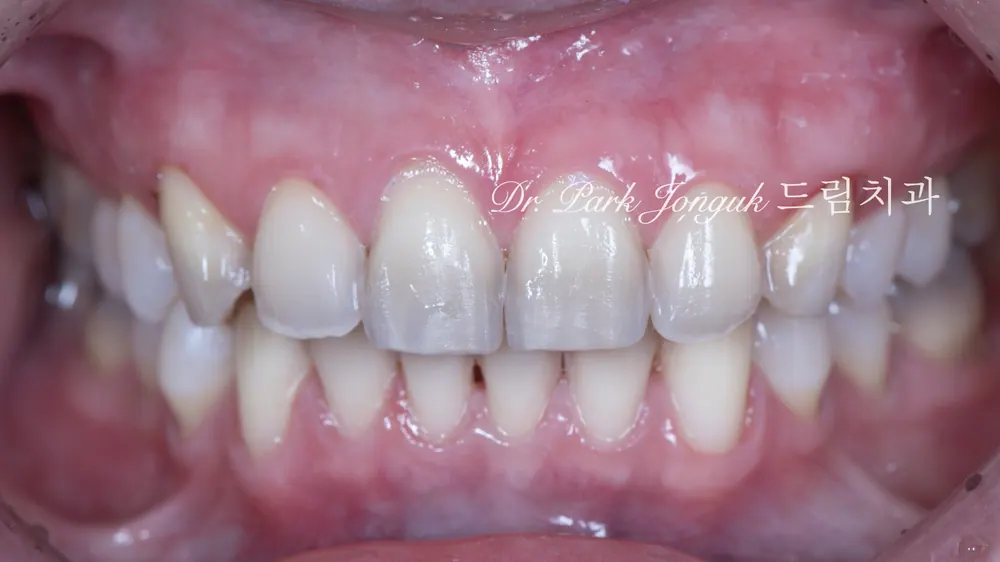
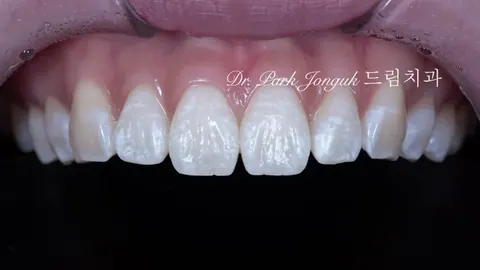
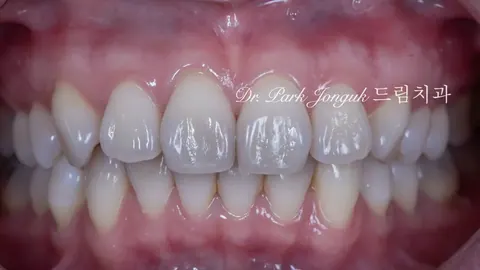
Photo 1
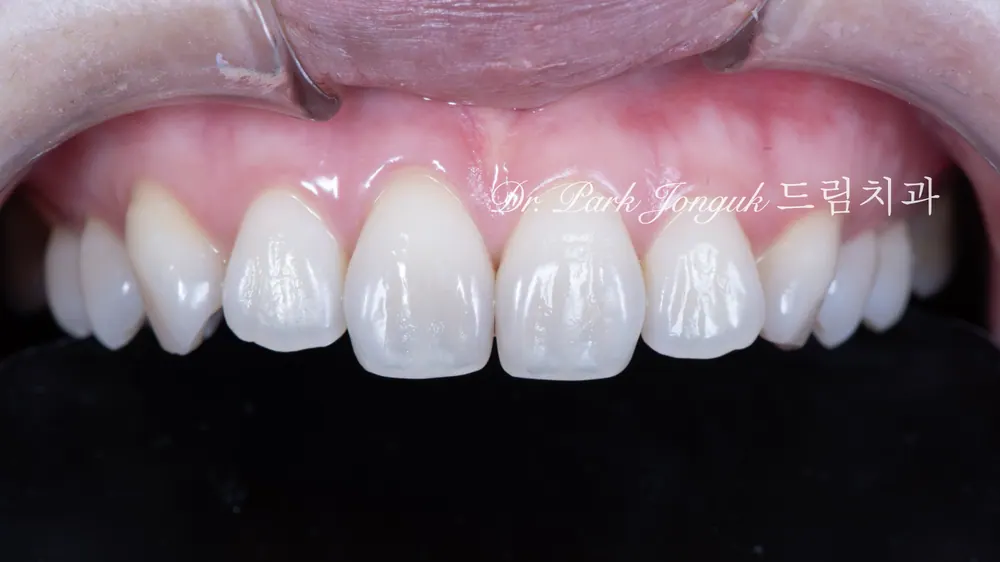
The shape of her teeth wasn't pretty — they had a jar-like form —
but in this photo, the color didn't look severely dark.
Photo 2
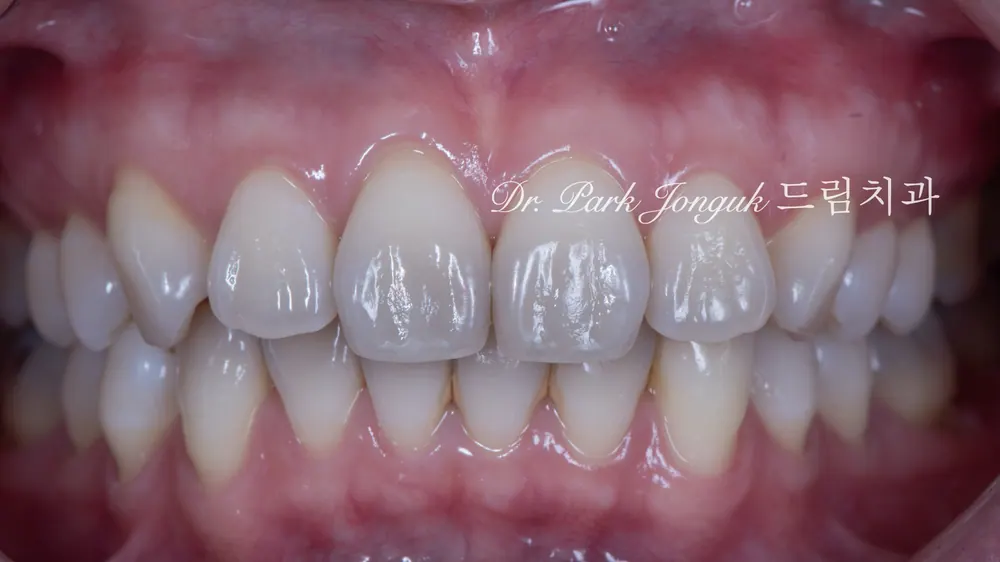
As the lighting dimmed a little and the shooting angle changed,
the teeth took on a brownish tint.
For this kind of discoloration, the ceramic's translucency and shade design are the key.
Photos 3-6 — Precision wax-up diagnosis
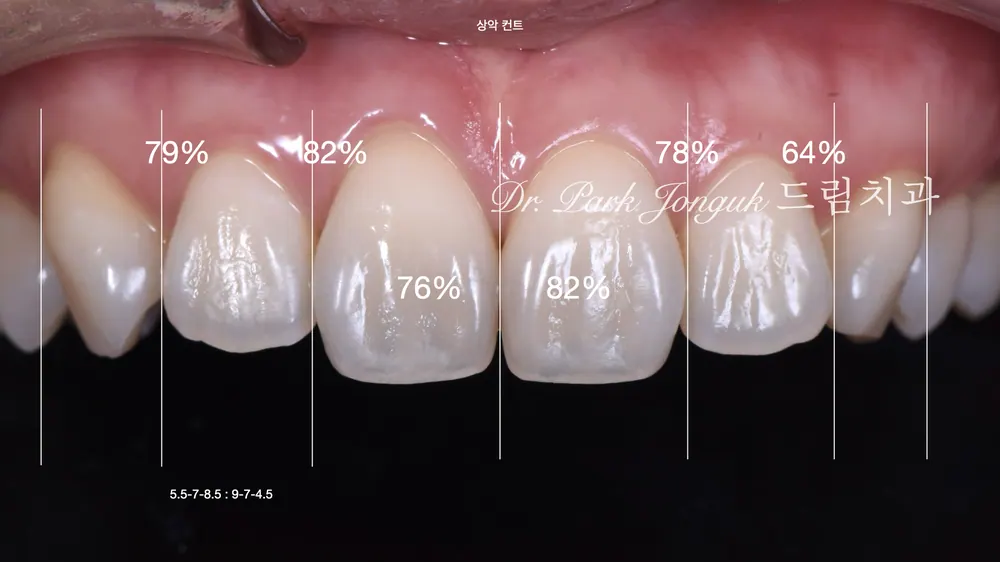
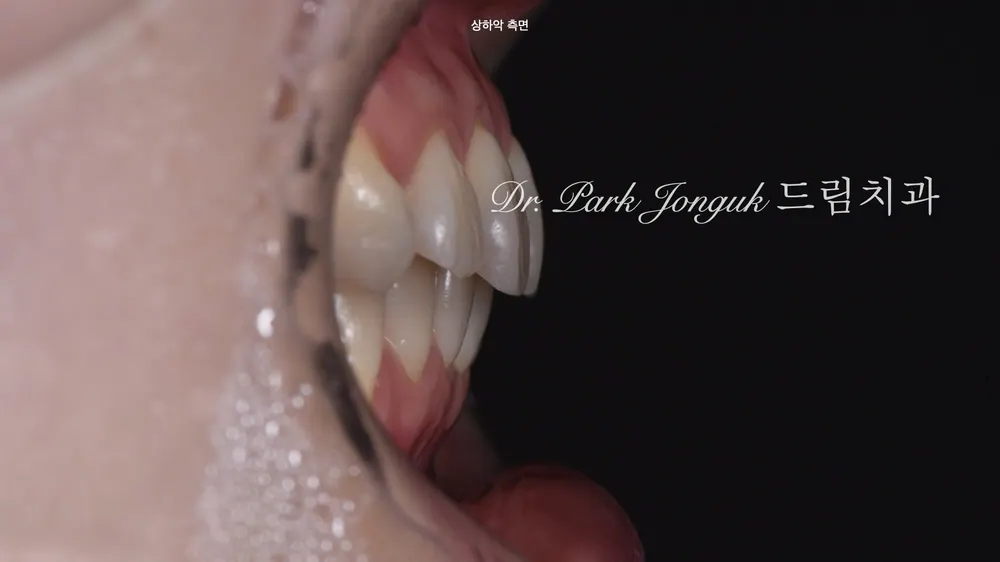
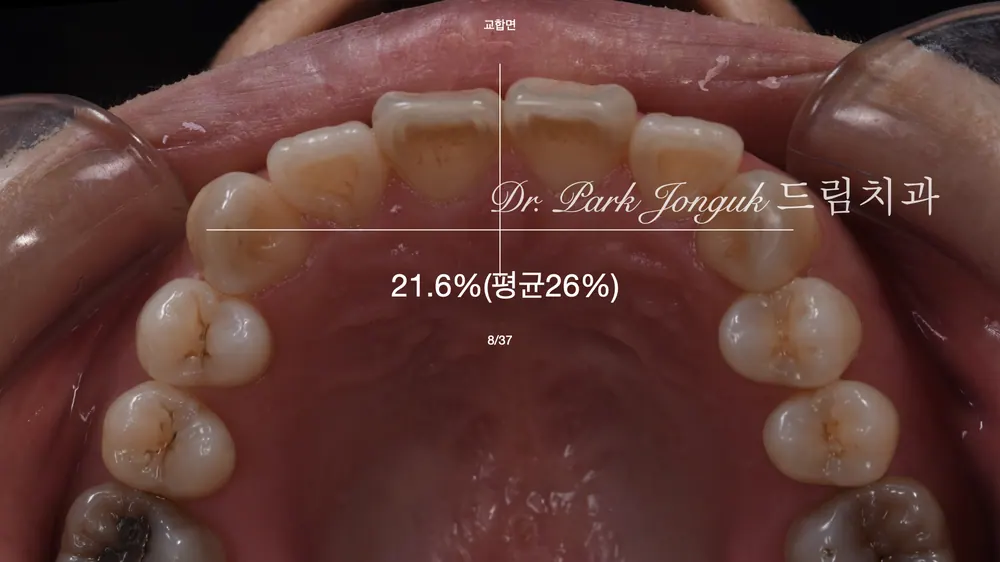
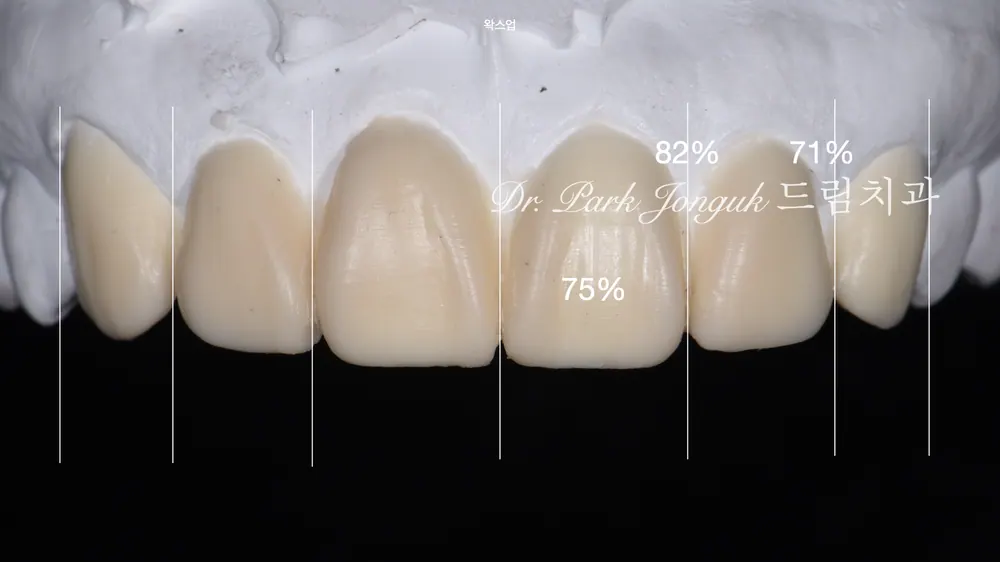
To minimize the amount of tooth reduction while creating a natural color,
we weighed two options.
① Preserve translucency but increase the amount of reduction, or
② minimize reduction and use a slightly more opaque ceramic.
The patient chose the option that protected her teeth.
Photos 7-8
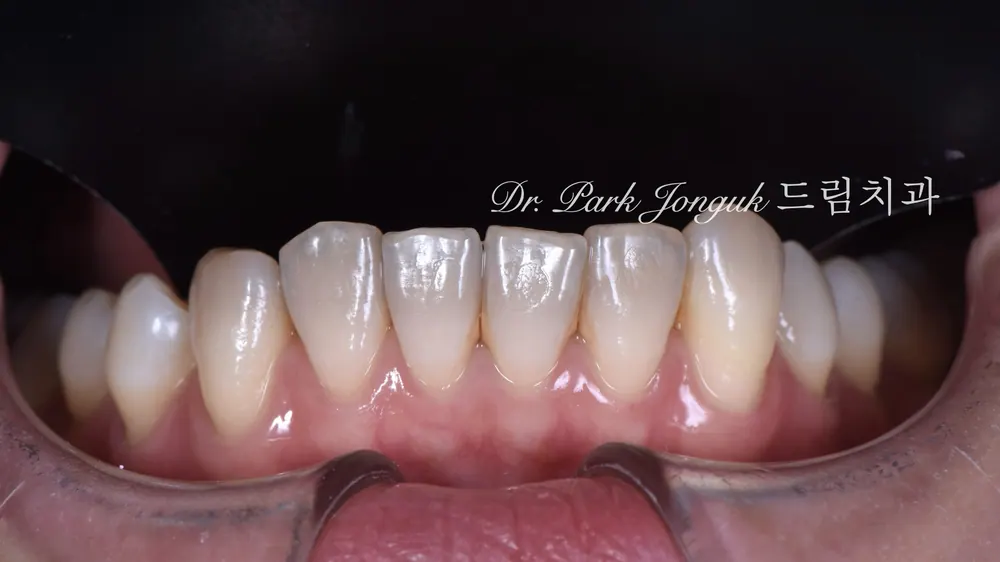
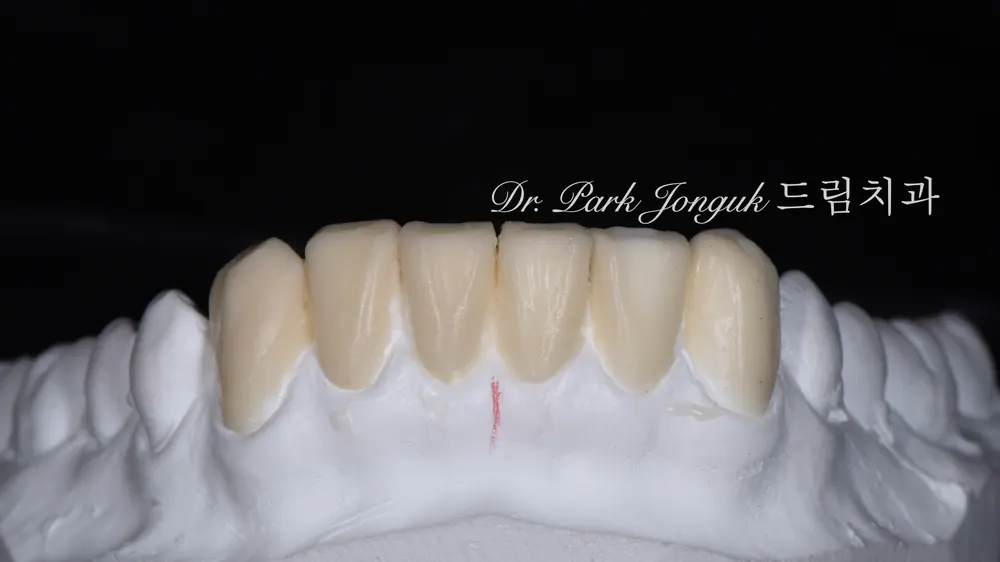
The lower teeth had the same discoloration, so we carried out the diagnosis for them together.
Photo 9 — After tooth reduction
We trimmed only the minimum necessary, preserving the tooth as much as possible. The more the tooth was reduced, the more the dark areas showed.
Photos 10-12 — After veneer treatment
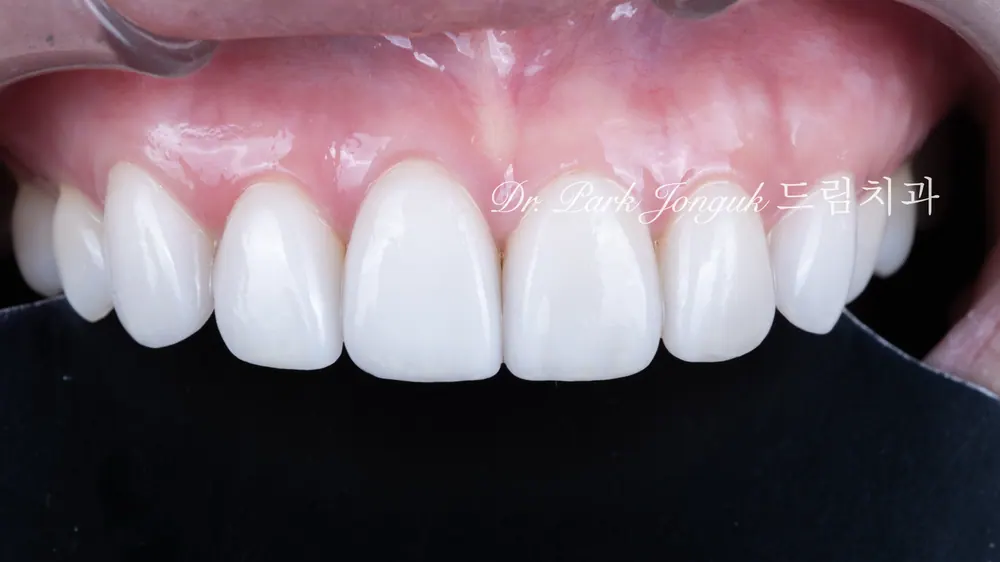
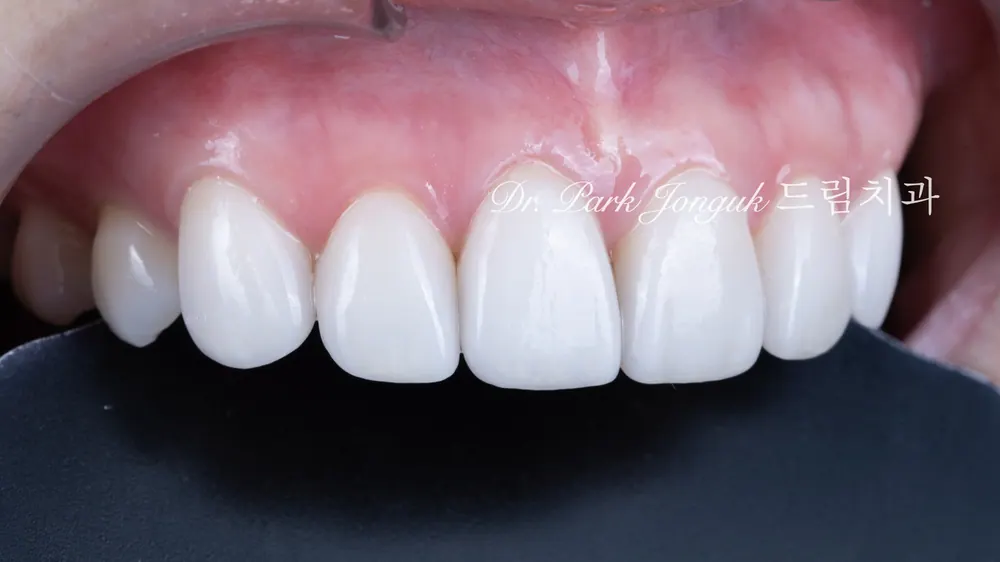
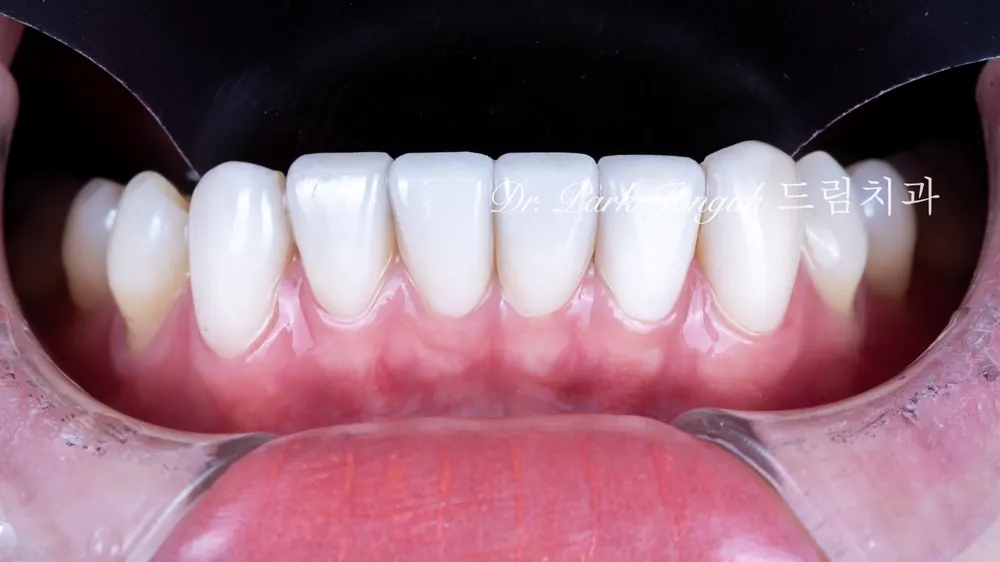
We used an opaque ceramic, but the result was still very natural.
The translucency at the tip of the teeth and the surface texture are preserved,
and the color doesn't shift even in dim environments.
The patient said, "Now I feel confident in my smile."
Conclusion
The key to treating discolored teeth is accurate diagnosis and material selection.
It's not simply about making the color bright;
what matters is maintaining a stable shade and translucency even in dim environments.
With more than 20 years of accumulated expertise in esthetic veneers,
Dream Dental Clinic restores everything from tetracycline-discolored teeth to severe staining cases
naturally and beautifully.
❓ Q&A
Q1. Can veneers be done on discolored teeth too?
A. Yes. Depending on the cause and degree of the discoloration, we adjust the translucency and shade of the material.
Q2. Do a lot of the teeth need to be reduced?
A. No. Minimal reduction, or even no-prep treatment, is often sufficient.
Q3. Won't whitening work instead?
A. Tetracycline discoloration is hard to improve with whitening.
Veneers are the most reliable and natural way to address it.
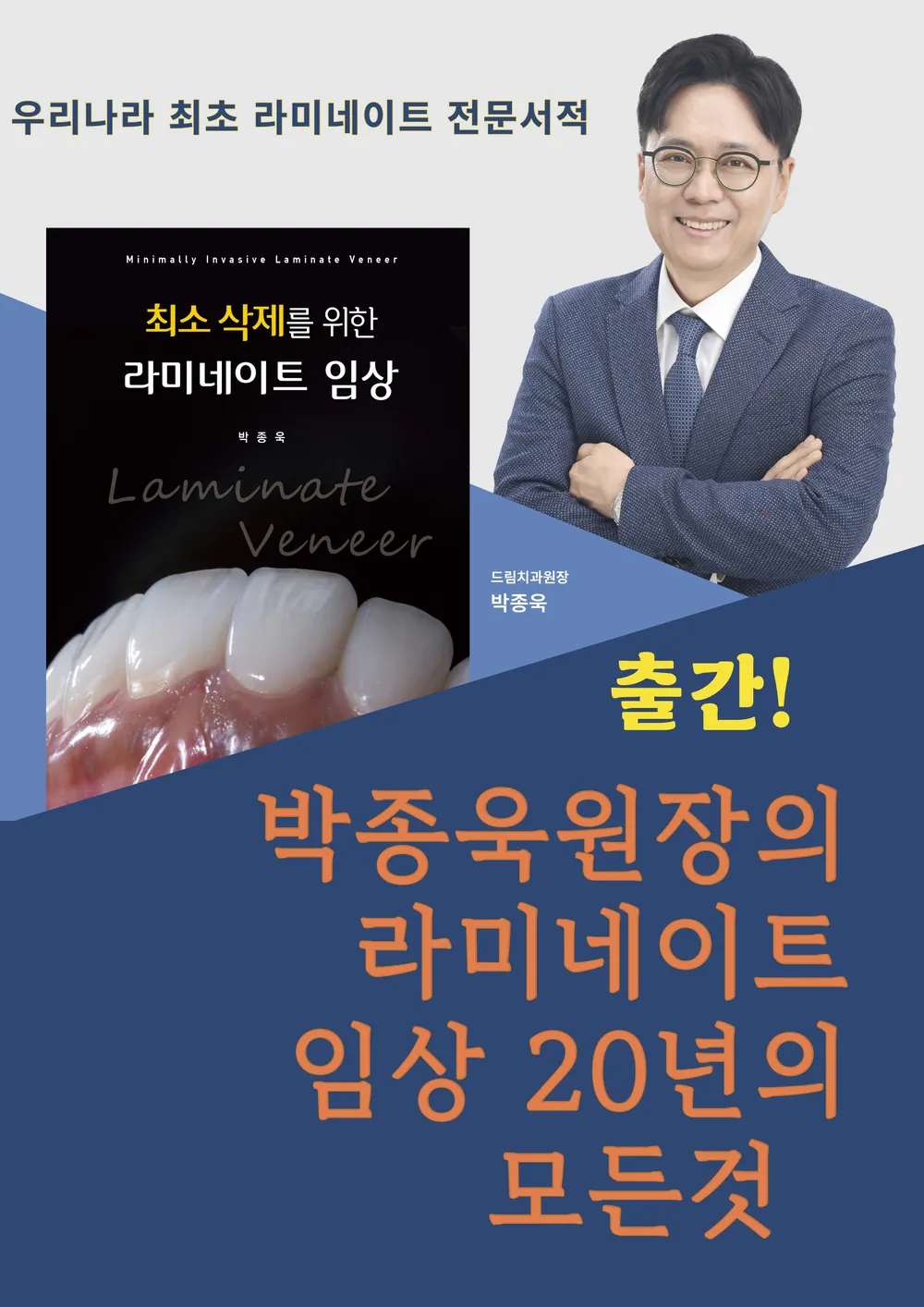
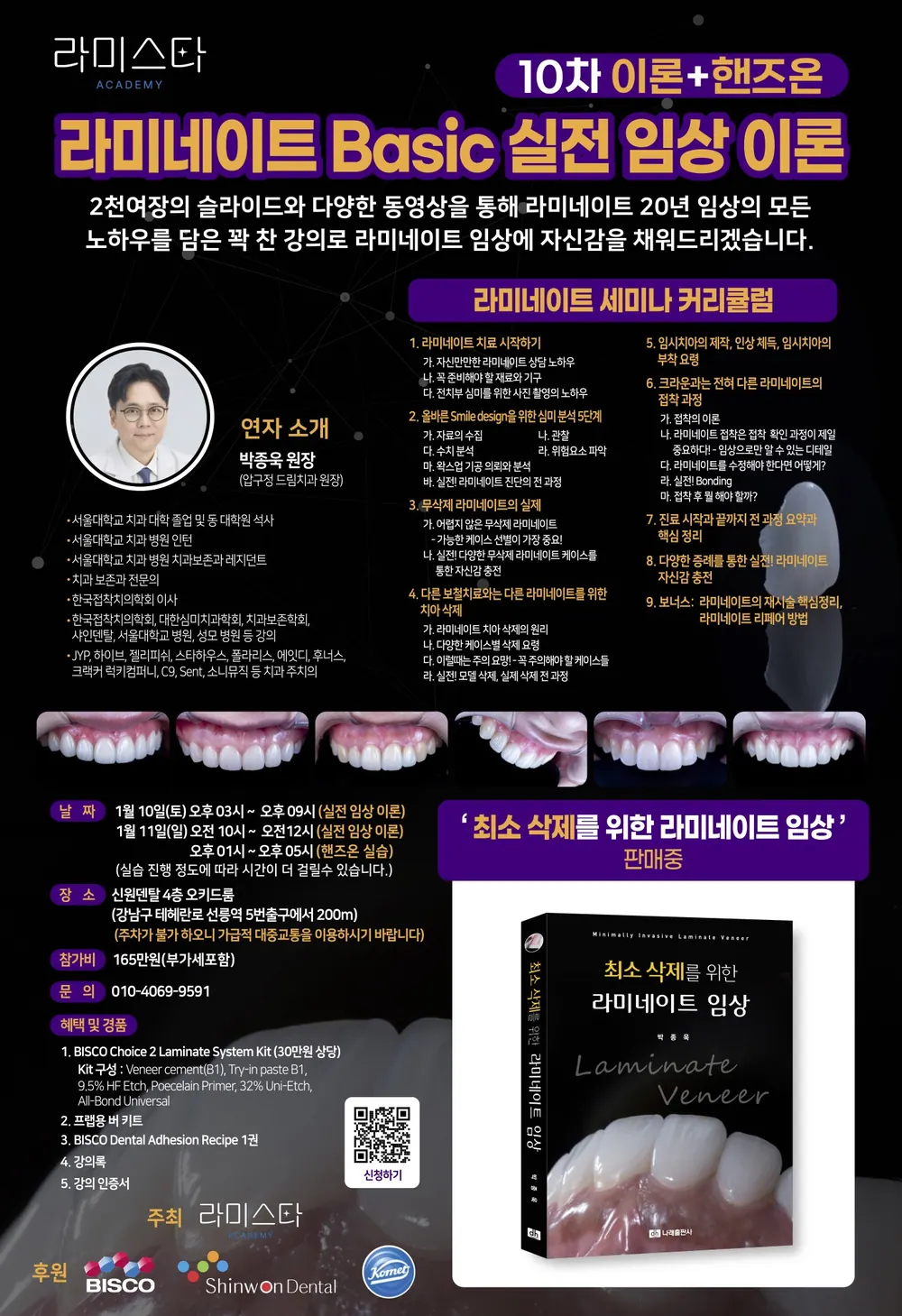
This article is a clinical note written by Dr. Park Jonguk of Dream Dental Clinic, Gangnam; the original was published on his blog. The photographs shown are real cases he treated. Results vary with each patient’s condition, and every procedure carries the possibility of individual variation and side effects.
Quick Consult
Request a Callback
Leave your number and we will call you back during clinic hours.
Request Received
We will contact you during clinic hours. For urgent matters, please call +82-2-3448-0028.