
ChatGPT and Veneer Treatment
Hello, I'm Dr. Park Jonguk, director of Dream Dental Clinic.
ChatGPT has been drawing enormous attention lately.
The medical field, too, is watching the development of this kind of AI
with a mix of hope and concern.
Just out of curiosity, I asked ChatGPT to explain the benefits of minimal-reduction veneers,
and here's the answer it gave me.
Veneer treatment is a type of prosthetic treatment that covers the tooth surface to give it a more beautiful, uniform shape and color. Minimizing tooth reduction during veneer treatment can offer the following benefits.
Maintaining tooth health: The less tooth structure is reduced, the easier it is to maintain the health of the tooth after the veneer is placed. Extensive reduction can decrease the tooth's structural stability and make it harder to keep the thickness and strength needed to protect it.
Faster treatment: The less reduction is needed, the more straightforward veneer treatment becomes. Since the shape of the tooth doesn't need to be changed drastically, treatment can be completed in less time.
A more comfortable treatment experience: Less reduction means a more comfortable experience during veneer treatment. Tooth reduction is often essential in other prosthetic treatments like orthodontics, inlays, or crowns, but with veneers it can be kept to a minimum, reducing discomfort for the patient.
A more natural appearance: Less reduction leads to a more natural appearance after the veneer is placed. Because the underlying tooth structure and shape aren't changed drastically, the result tends to look more natural.
Tooth preservation: Minimizing reduction helps preserve the tooth. Reducing a tooth decreases the barrier function that protects it from bacteria, increasing the likelihood of problems such as periodontal disease. So preserving as much of the tooth as possible makes it easier to maintain its health.
Point 4 is a bit ambiguous,
but overall, it writes remarkably well.
It's honestly impressive.
Today's case is also a veneer case that uses this kind of minimal reduction.
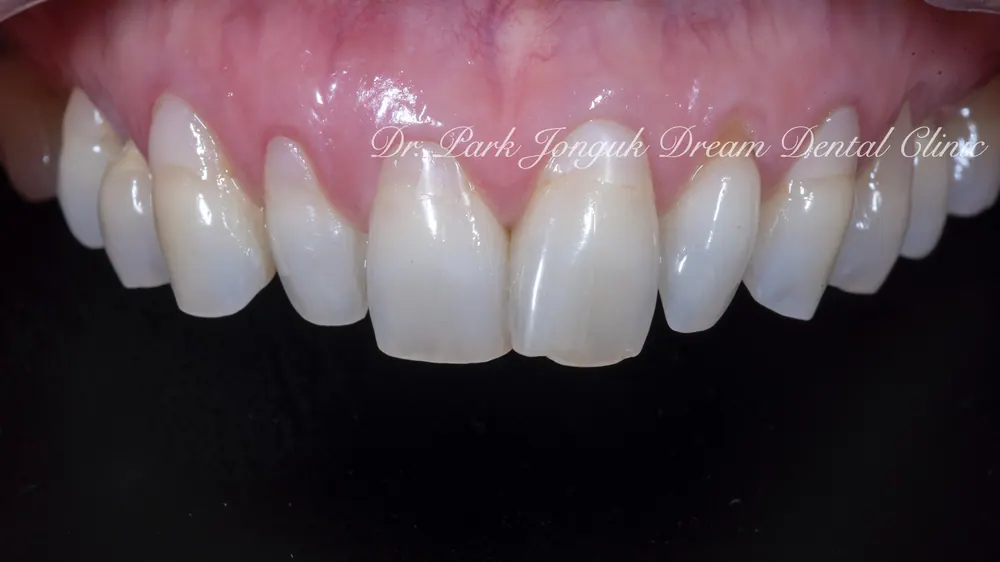
With a case like this, you naturally wonder whether to go with orthodontics or veneers.
So I asked ChatGPT about this too.
Whether to choose orthodontic treatment or veneer treatment when the alignment isn't good
When tooth alignment is poor, deciding between orthodontic treatment and veneer treatment depends on the situation. Generally, each treatment is suited to the following cases.
Orthodontic treatment: When the teeth are severely misaligned or overlapping, orthodontic treatment is appropriate. It not only corrects tooth position to improve functional issues but can also help improve facial appearance. It can also help widen tooth spacing that's too narrow for veneer treatment to be possible.
Veneer treatment: When alignment isn't severely off but some teeth are excessively small or not an ideal shape, veneer treatment can be appropriate. Because it covers the tooth surface to improve appearance, it can improve tooth size, shape, and color. Veneer treatment is popular even among patients who don't want orthodontics, since it preserves the tooth well and takes less time.
But to judge which treatment is more suitable, you need to comprehensively consider the individual's tooth condition, alignment, and dental health. So it's best to consult an expert, compare various treatment options, and choose the one most suitable for you.
For some reason, this sounds a lot like something I wrote in an old post.
No matter how advanced the AI is, it isn't thinking this up on its own—
it's learning from articles posted on the internet, which probably explains it.
Looking at point 2, it combines misaligned teeth, plus some teeth being excessively small, plus a need to improve tooth size, shape, and color—
a case with these three issues combined.
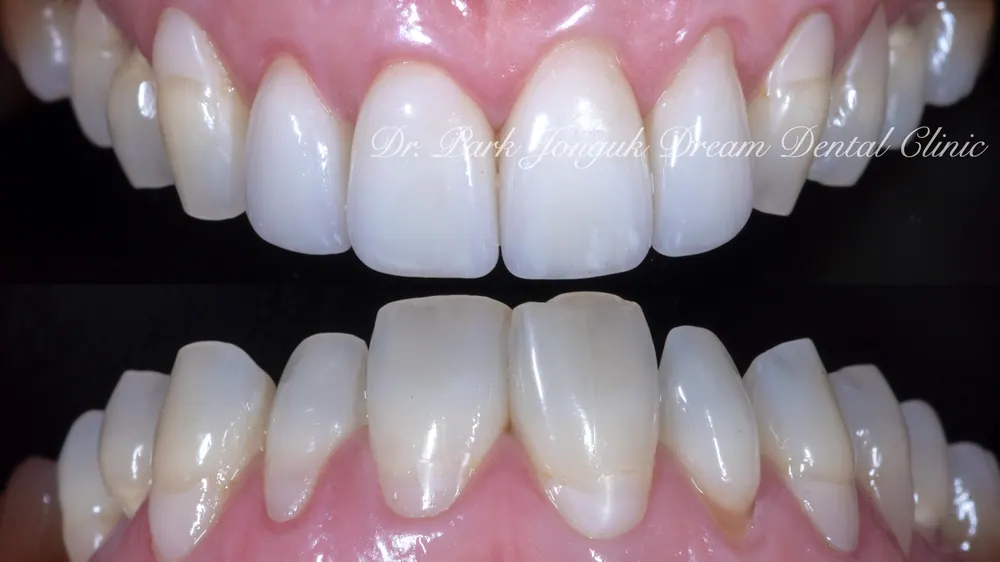
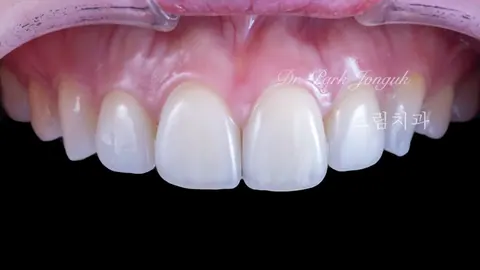
In this case, the alignment is somewhat poor, but with two undersized teeth involved, veneers end up being necessary regardless,
the teeth have staining that needs color correction,
and the teeth are too long and need to be shortened a bit.
This is exactly the kind of veneer case ChatGPT is describing.
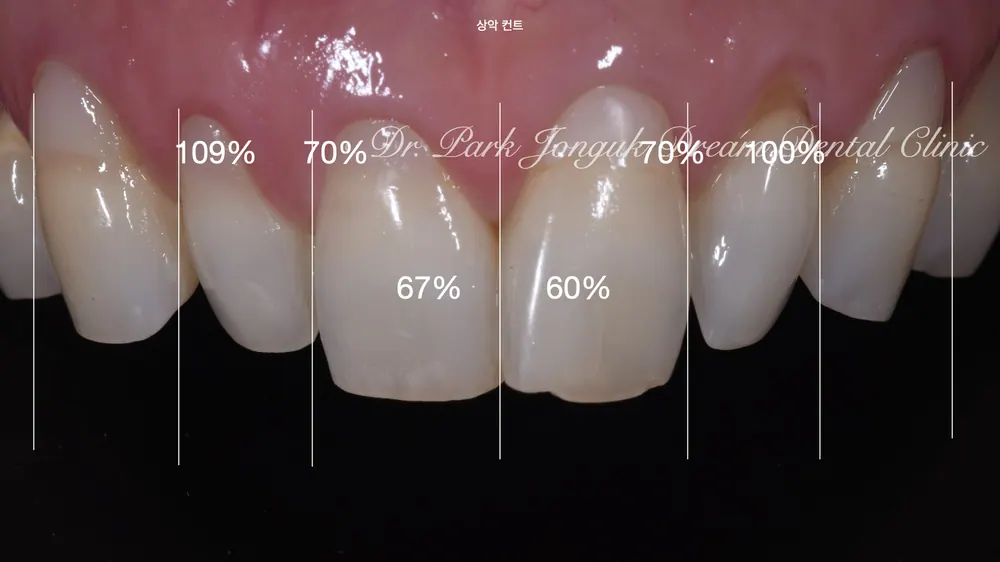
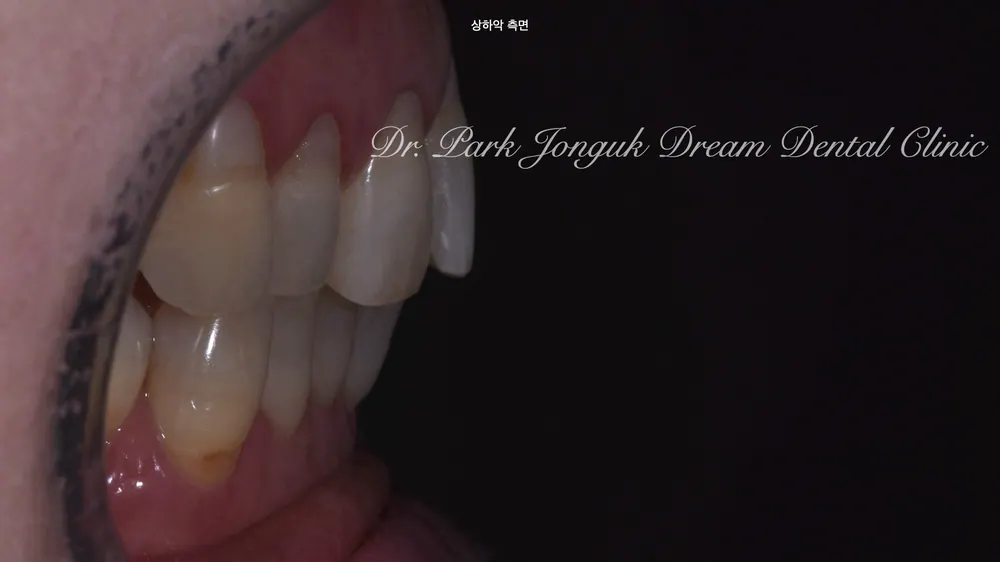
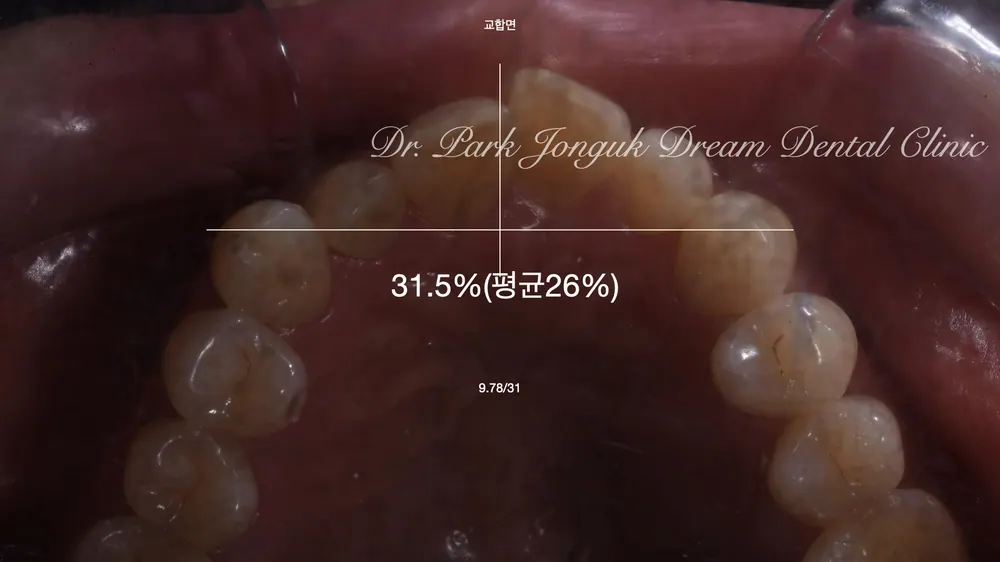
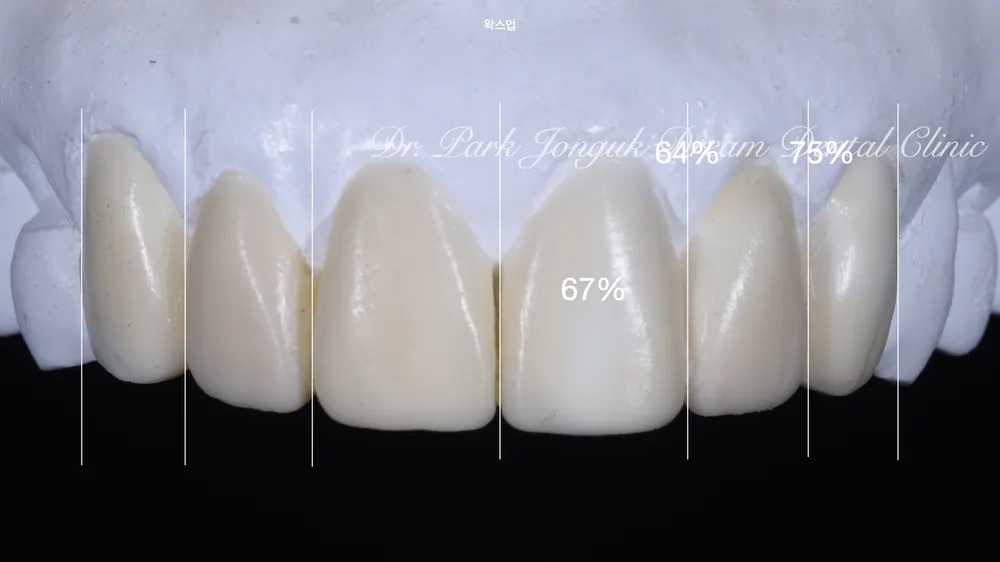
No matter how far AI advances,
this kind of veneer diagnosis still requires hands-on work for now.
There's still no properly reliable way for a computer to make this diagnosis.
We check both the amount of reduction and the final result thoroughly.
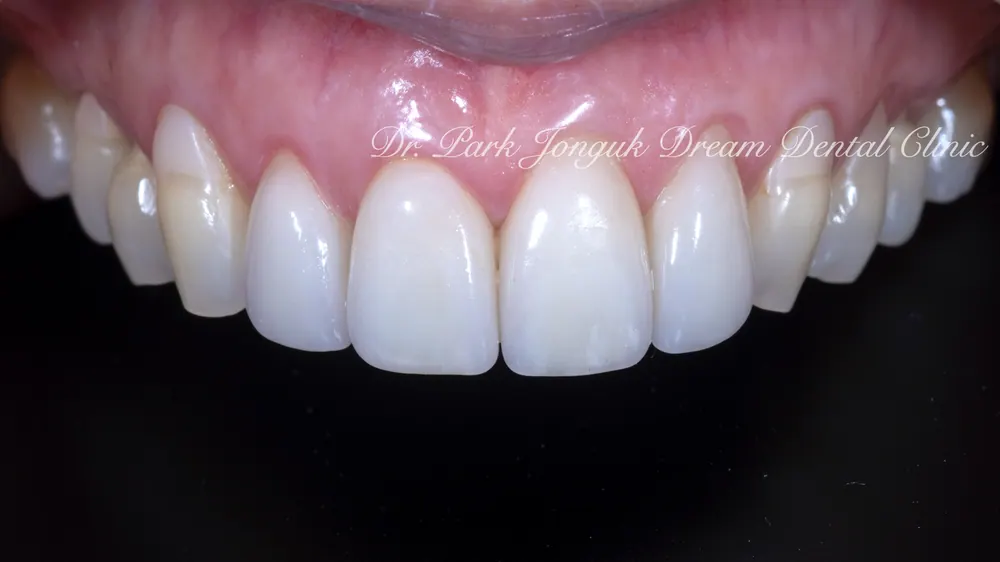
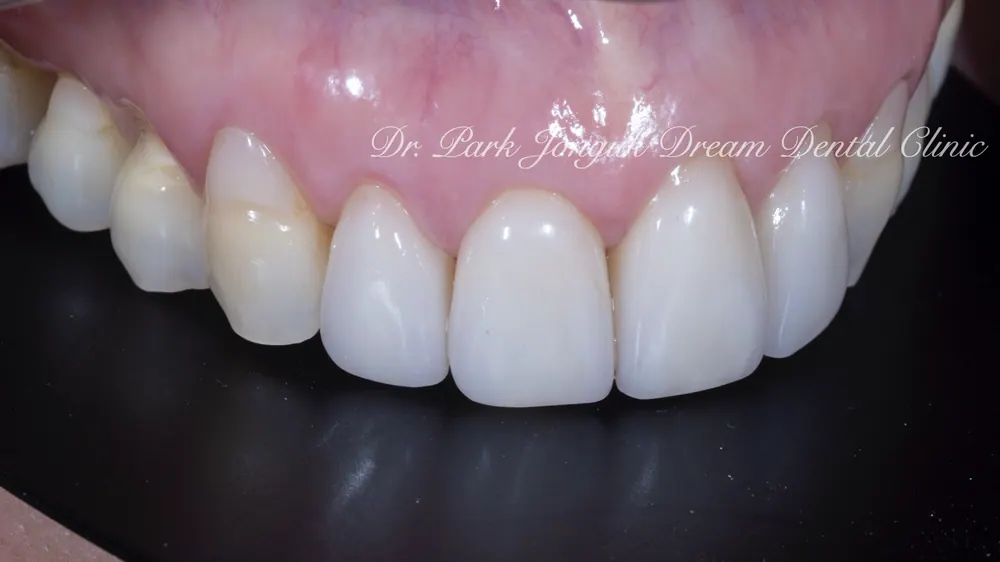
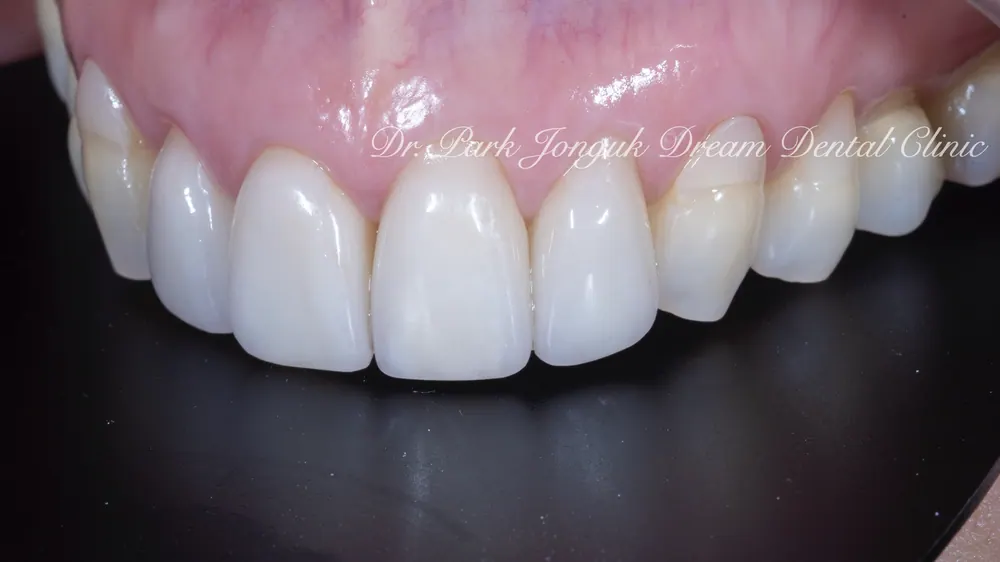
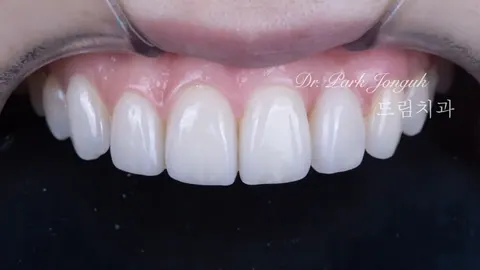
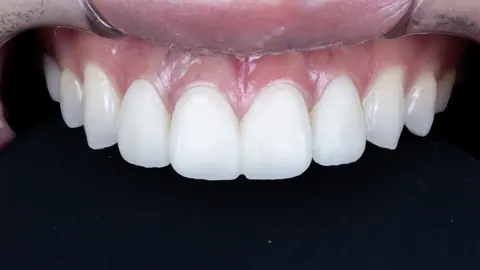
Through veneers on four teeth,
the teeth became more even,
looking shorter while harmonizing well with the other teeth.
The teeth became a bit brighter,
but without any awkward, opaque, artificial feel.
ChatGPT gave a lot of interesting answers,
and I found myself learning about the world right along with everyone else, feeling just as surprised.
Because medicine is a field with fairly clear answers in many areas,
rather than being vague and abstract,
it tends to give quite definitive answers,
which I suspect will make it even more useful going forward.
Since 2006, Dream Dental Clinic
This article is a clinical note written by Dr. Park Jonguk of Dream Dental Clinic, Gangnam; the original was published on his blog. The photographs shown are real cases he treated. Results vary with each patient’s condition, and every procedure carries the possibility of individual variation and side effects.
Quick Consult
Request a Callback
Leave your number and we will call you back during clinic hours.
Request Received
We will contact you during clinic hours. For urgent matters, please call +82-2-3448-0028.