
On Veneer Fabrication Methods and Process!
Hello, I'm Park Jonguk, director of Lamista Academy and director of Dream Dental Clinic.
Today's post is about the veneer fabrication process, written for dentists.
Current veneer fabrication methods can be broadly divided into two types.
◆ The traditional hand-crafted build-up method, and
◆ the digital CAD/CAM system.
The materials used also vary depending on the fabrication method.
Representative materials include feldspathic ceramic and lithium disilicate,
and in some cases the two materials are used in combination.
Dentists need to examine the characteristics and pros and cons of each fabrication method and material,
and understand how to choose the right one depending on the clinical case.
Depending on which method and material are used for the veneer,
the fabrication time and the nature of the result will differ.
For example, the hand-crafted method usually takes about 1 to 2 weeks,
and the involvement of a skilled dental technician is essential.
It can be fabricated from lithium disilicate alone,
or feldspathic porcelain can be layered on top of it to enhance esthetics.
It's also possible to build the entire surface from feldspathic porcelain using a refractory model.
On the other hand, what's called the same-day method —
the biggest advantage of the CAD/CAM system is fabrication speed.
If needed, same-day fabrication is possible,
and in terms of design, it's also possible to cut back and layer feldspathic porcelain on top,
but doing so sacrifices CAD/CAM's key advantage of saving time.
For this reason, most CAD/CAM methods
are fabricated mainly from a single material, which comes with its own pros and cons.
Also, depending on the type of ceramic block used,
the processing time and the quality of the result can vary.
In the end, what matters is thoroughly understanding the various methods and materials,
and achieving good results by making the optimal choice for each case.
1. Before and After: Handmade Veneer Treatment
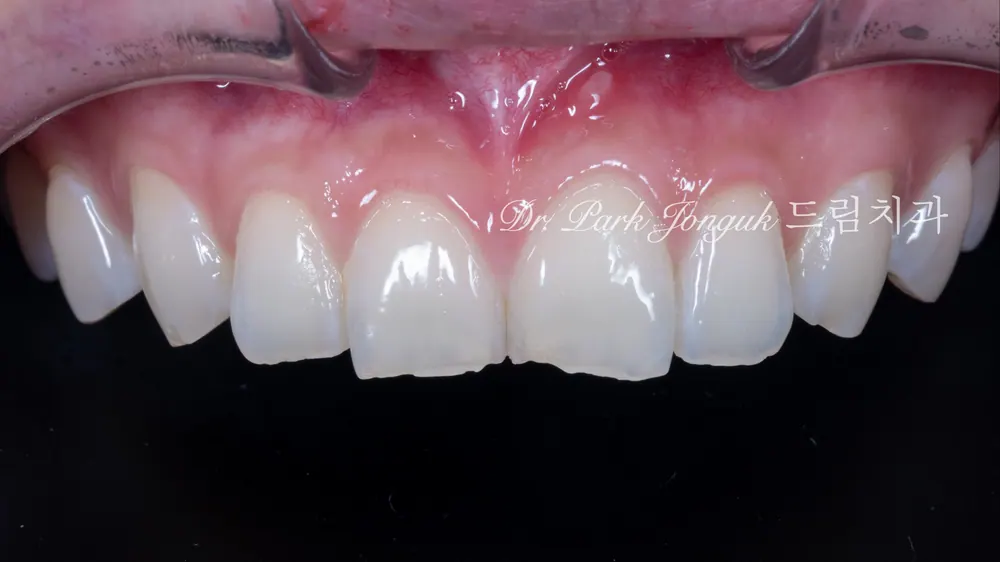
The patient visited for veneer treatment on two front teeth.
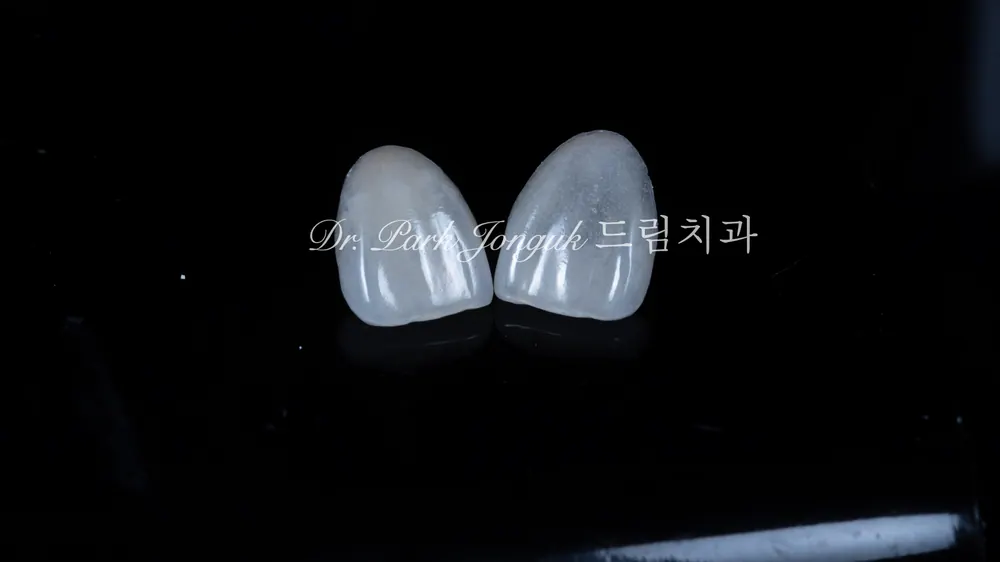
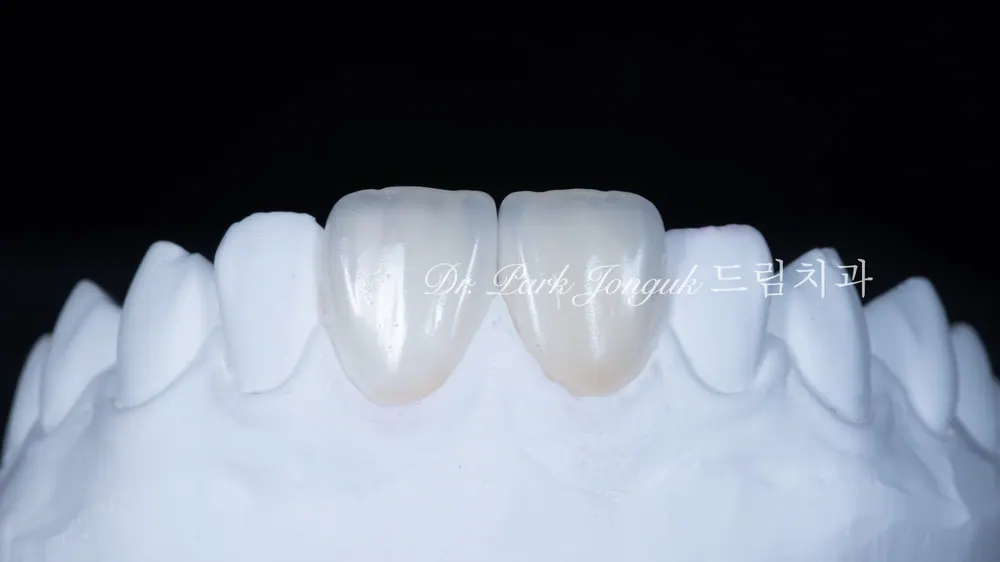
Many dentists are quite reluctant to treat just one or two teeth with veneers.
The same-day method using CAD/CAM
is specialized for making many veneers at once,
so it's difficult to make just one or two veneers that blend well with the surrounding natural teeth.
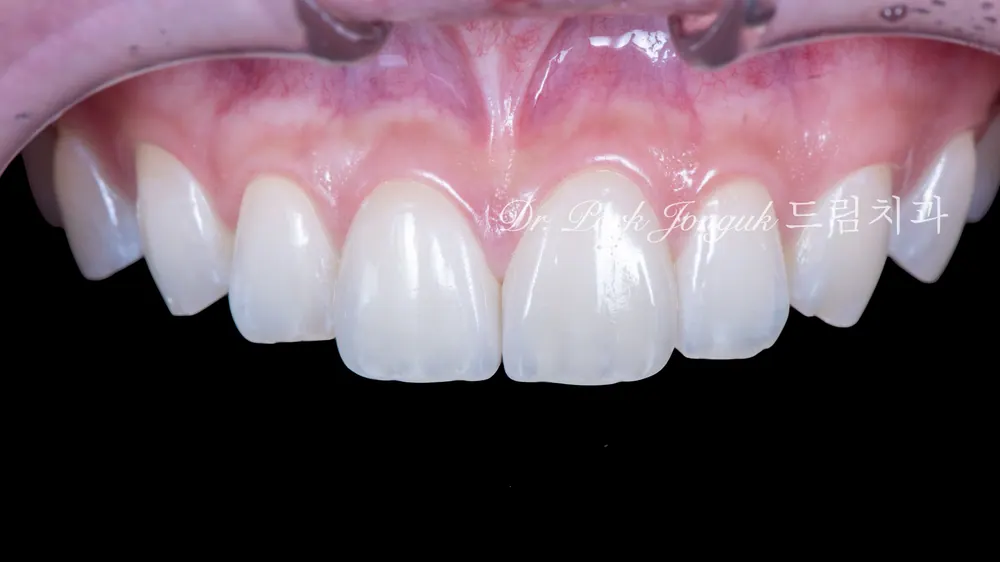
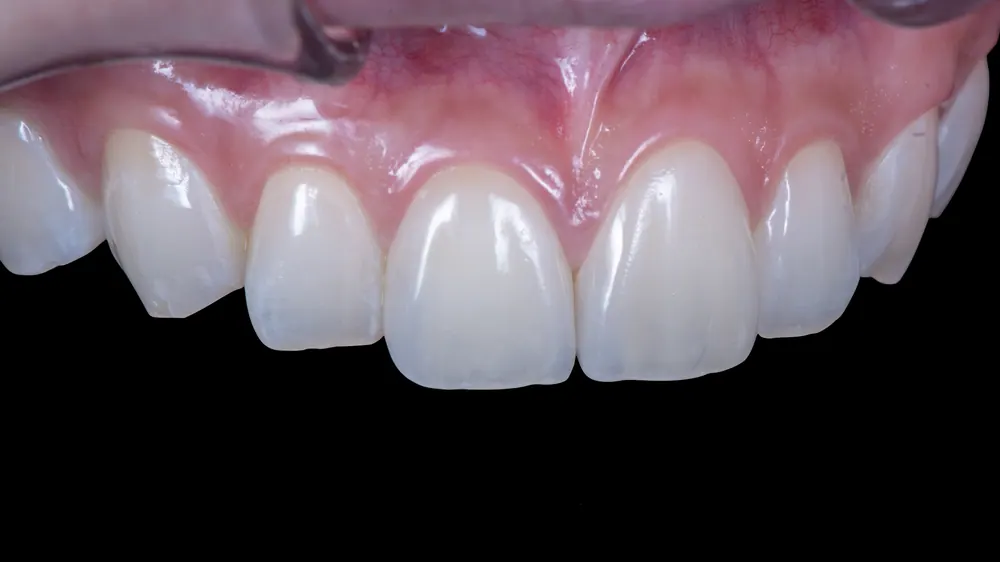
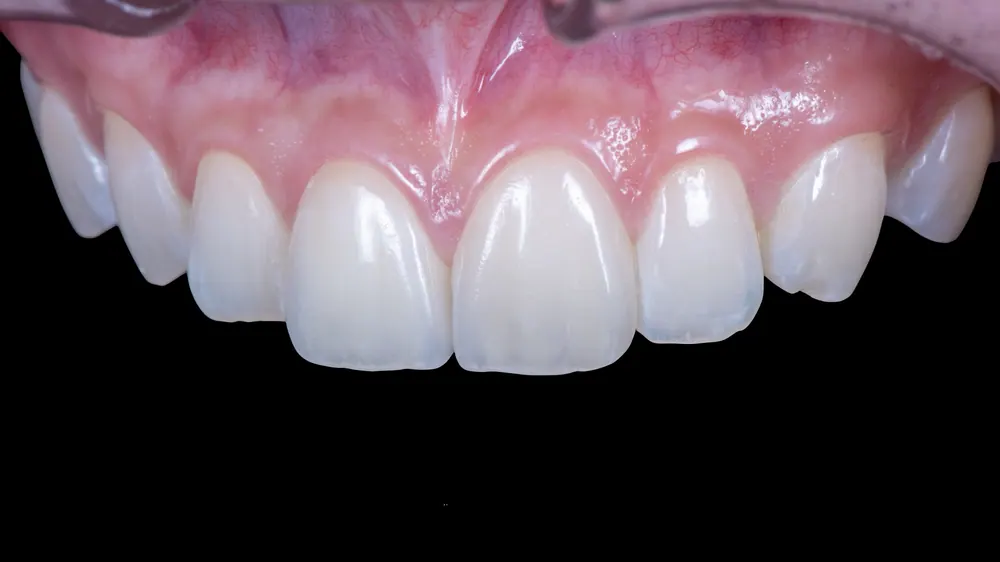
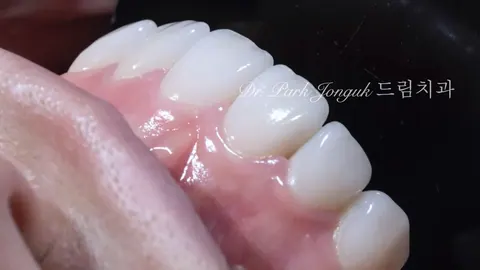
The handmade method
can fully bring out the feel of natural teeth like this.
Bringing out the feel of natural teeth
is how the beauty of a veneer is expressed.
2. CAD/CAM Results (Same-Day Method)
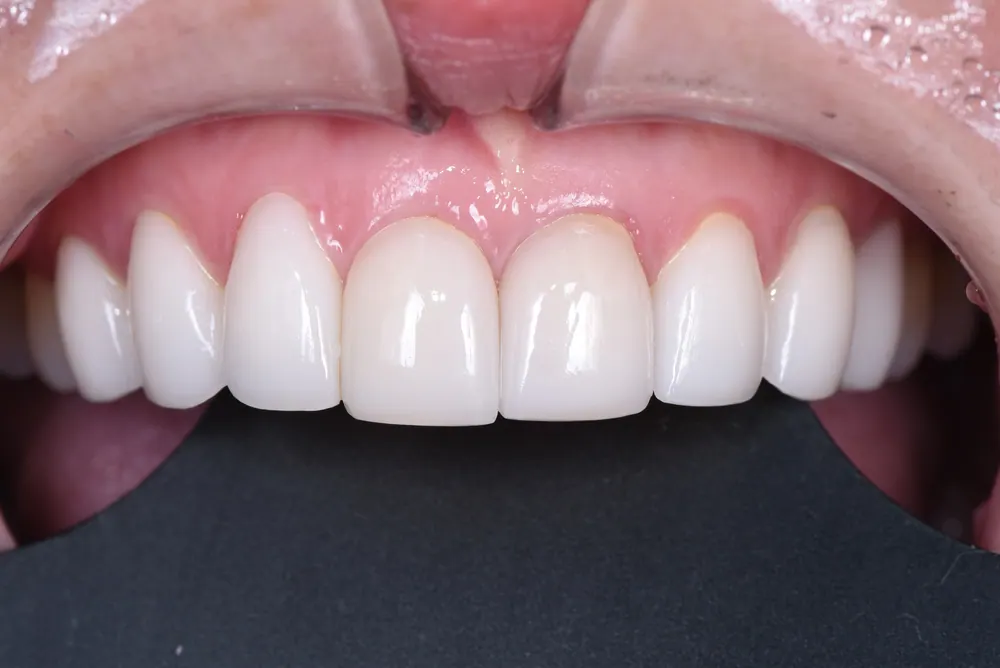
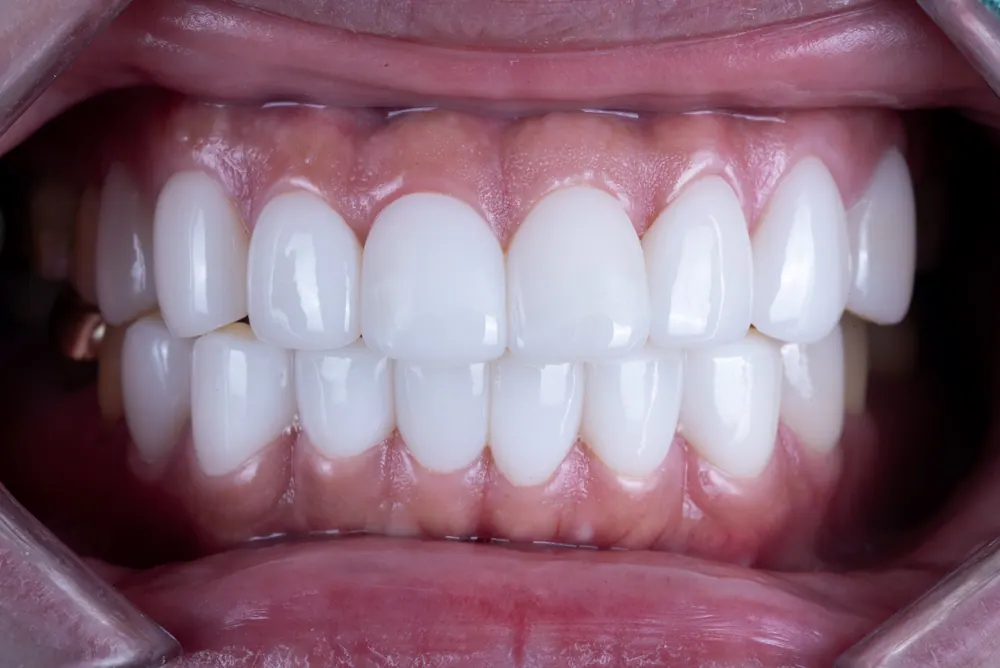
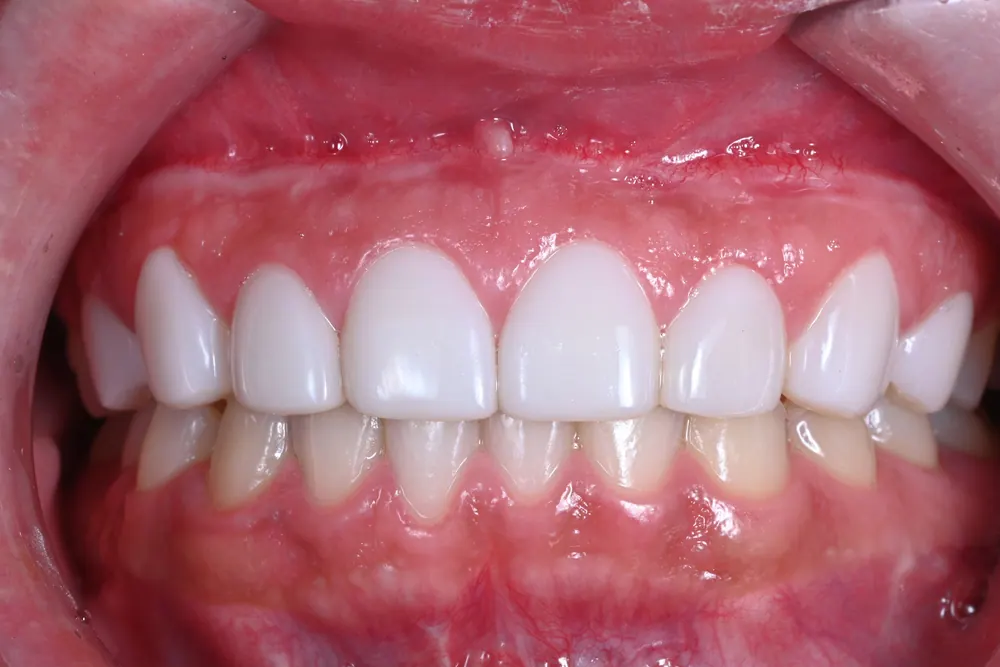
With the same-day method, most veneers
come out in a single flat color, as shown in the photos above.
Because they are usually made quite white,
the result looks unnatural.
Of course, some patients do prefer this look,
but the goal at our Dream Dental Clinic is natural beauty.
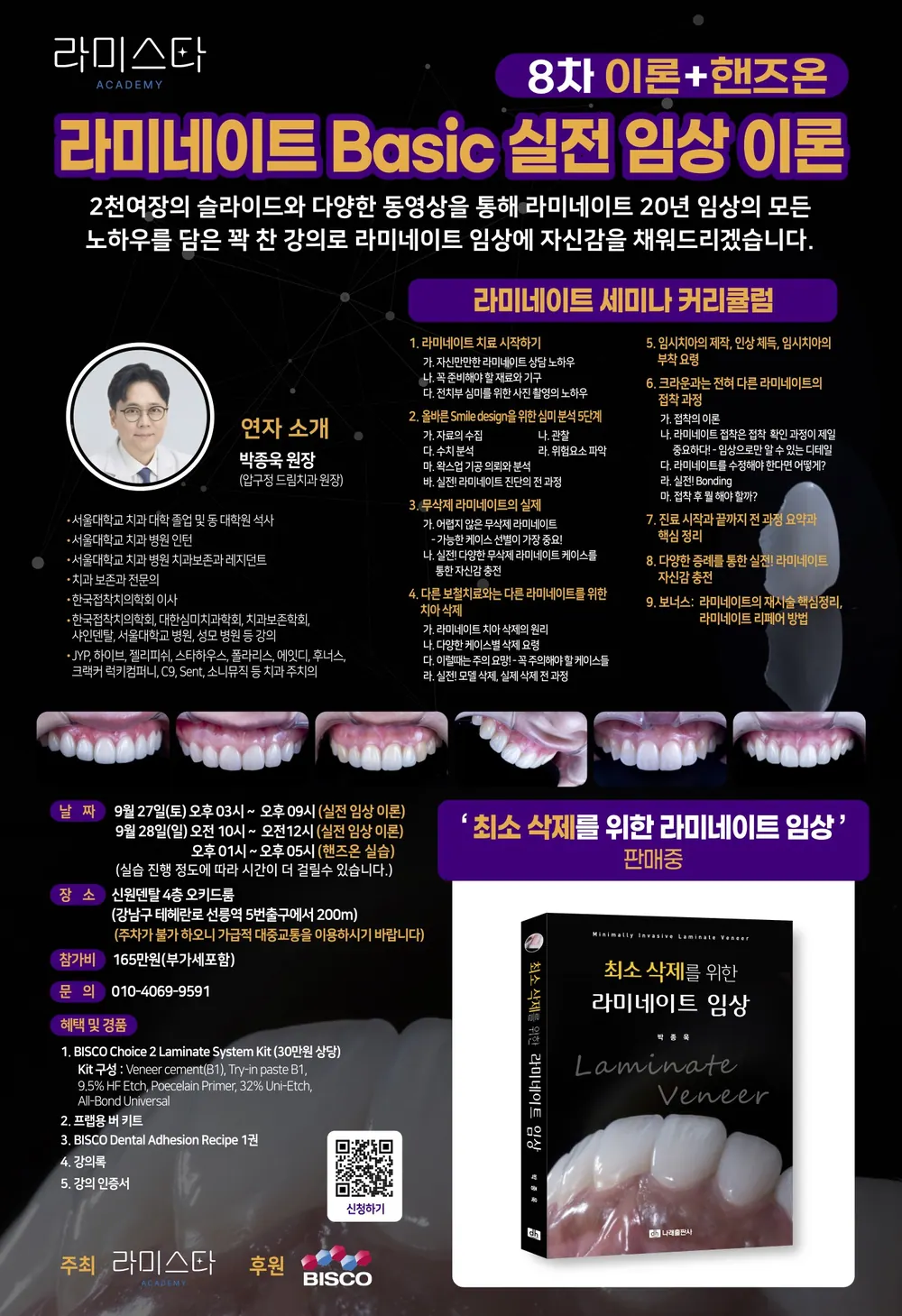
This is the September veneer lecture for dentists.
This article is a clinical note written by Dr. Park Jonguk of Dream Dental Clinic, Gangnam; the original was published on his blog. The photographs shown are real cases he treated. Results vary with each patient’s condition, and every procedure carries the possibility of individual variation and side effects.
Quick Consult
Request a Callback
Leave your number and we will call you back during clinic hours.
Request Received
We will contact you during clinic hours. For urgent matters, please call +82-2-3448-0028.